Thailand wants to join the Comprehensive and Progressive Trans-Pacific Partnership.
The aim is to ensure it is not left behind by its competitors in the vibrant region. Thailand’s membership would lead to increased trade and investment for the country, while upgrading regulations and standards. It is also likely to secure Thailand’s position as a major manufacturing base for foreign-affiliated manufacturers.
The Comprehensive and Progressive Trans-Pacific Partnership came into force last December 30 and currently comprises Australia, Brunei, Canada, Chile, Japan, Malaysia, Mexico, New Zealand, Peru, Singapore and Vietnam.
Thailand’s application will need to be endorsed by at least half of the current members.
The CPTPP covers around 13 per cent of the world’s gross domestic product and provides access to an economic bloc of 500 million people. It is designed to cut tariffs on agricultural and industrial products, ease investment restrictions and enhance intellectual property protection. Its recent entry into force marked a critical milestone for the countries that sought to save its older version, simply called the TPP, from collapse after the US pulled out.
Thailand is already participating in the Asean free trade area of the ten-member Association of Southeast Asian Nations, which includes CPTPP members Brunei, Malaysia, Singapore and Vietnam. It also has bilateral FTAs with CPTPP participants Japan, Australia and New Zealand.

- 1
- 2
- 3
- 4
- 5
- 6
- 7
- 8
- 9
- 10
Europe cuts apparel volumes and prices, testing South Asian suppliers
European apparel sourcing entered 2026 under simultaneous volume and price pressure, forcing suppliers to absorb a decline that is reshaping... Read more
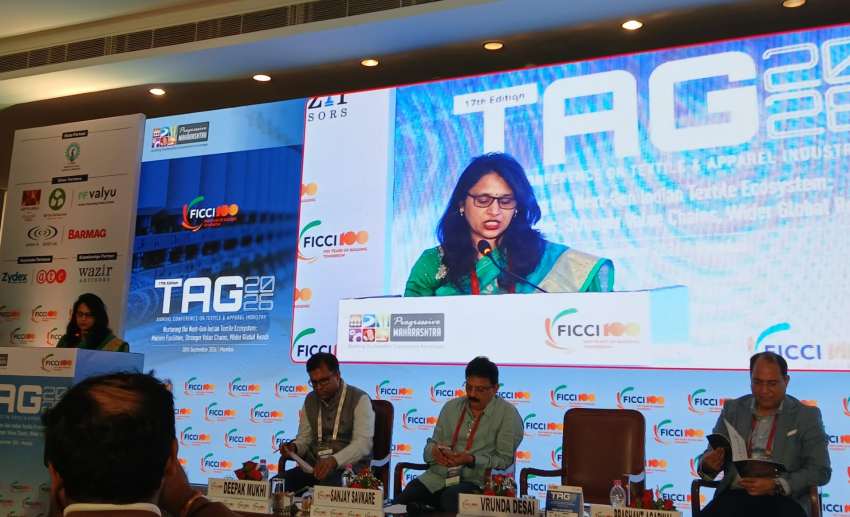
FICCI-TAG 2026: Mandatory reporting & Textile ID rolled out; Non-Compliance …
In a stern regulatory announcement aimed at creating a robust statistical backbone for India's textile sector, Textile Commissioner Vrunda Manohar... Read more
India’s apparel exporters face a new US tariff risk as margins shrink
The enactment of the Lindsey O. Graham sanctioning Russia and Iran Act of 2026 in Washington has introduced a fresh... Read more
Cellulosics challenge polyester dominance in global fibre market
The global textile raw-materials market has entered a phase where plant-based and regenerated cellulosic fibres have gain ground against fossil-fuel-derived... Read more
From cotton to MMF cost equation is rewriting global textile trade
The global textile and apparel trade has grown from $560 billion in 2006 to $914 billion in 2025, reveals the... Read more
Polyethylene stretch yarn challenges elastane’s hold on activewear
The global activewear, denim and intimate apparel markets have built a substantial business around stretch. But the same fibre combinations... Read more
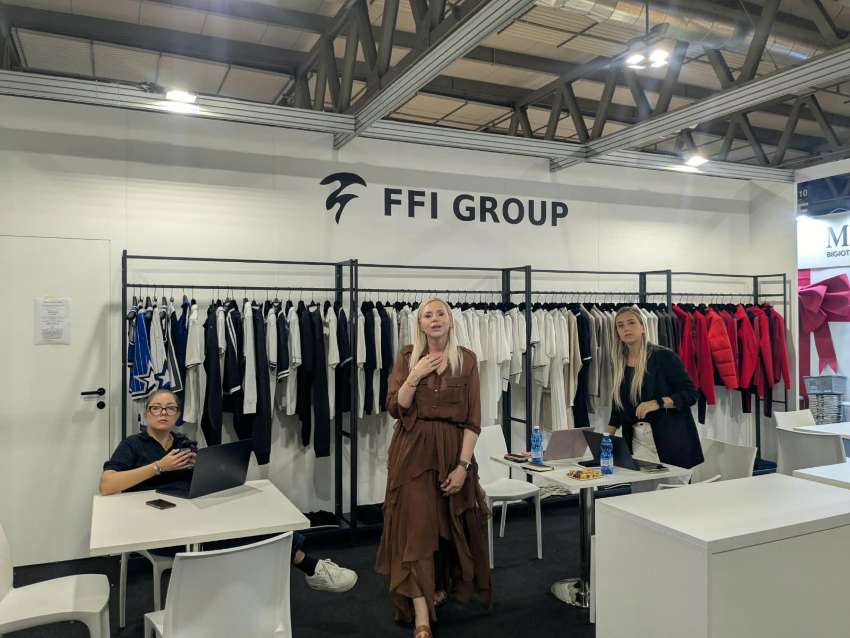
Automation Meets Italian Design: FFI Srl unveils ‘Next-Gen Robotics’ to help bra…
At the recently concluded autumn edition of Ready to Show inside Hall 10 at Fiera Milano-Rho—staged alongside the Milano Fashion... Read more
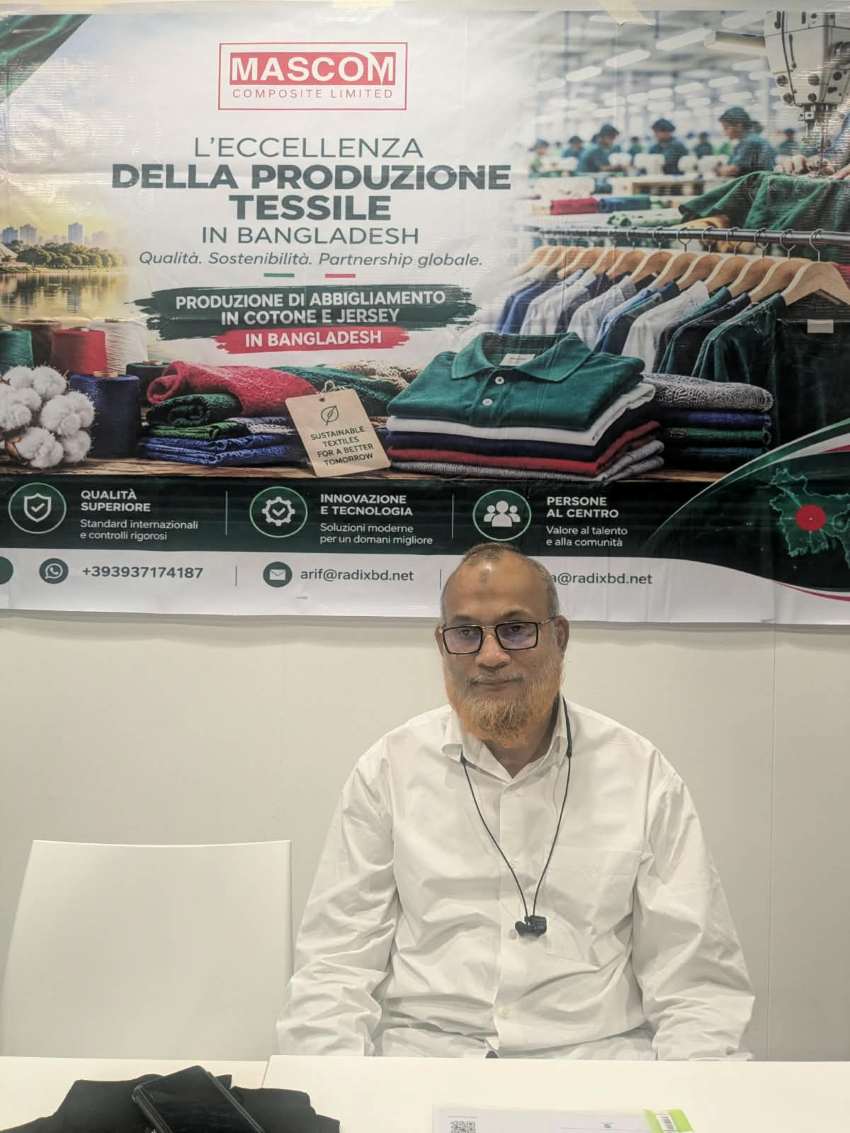
From Dhaka to Milan: Mascom Composite backs Southern Europe’s sports and lifesty…
While the trade floor of Ready to Show Milano inside Hall 10 at Fiera Milano-Rho placed a heavy spotlight on... Read more
How surging silver prices are reshaping ‘Mid-Tier’ fashion jewellery
Escalating global bullion volatility and raw material pricing pressures are forcing a fundamental reassessment across the mid-tier fashion jewellery trade.... Read more
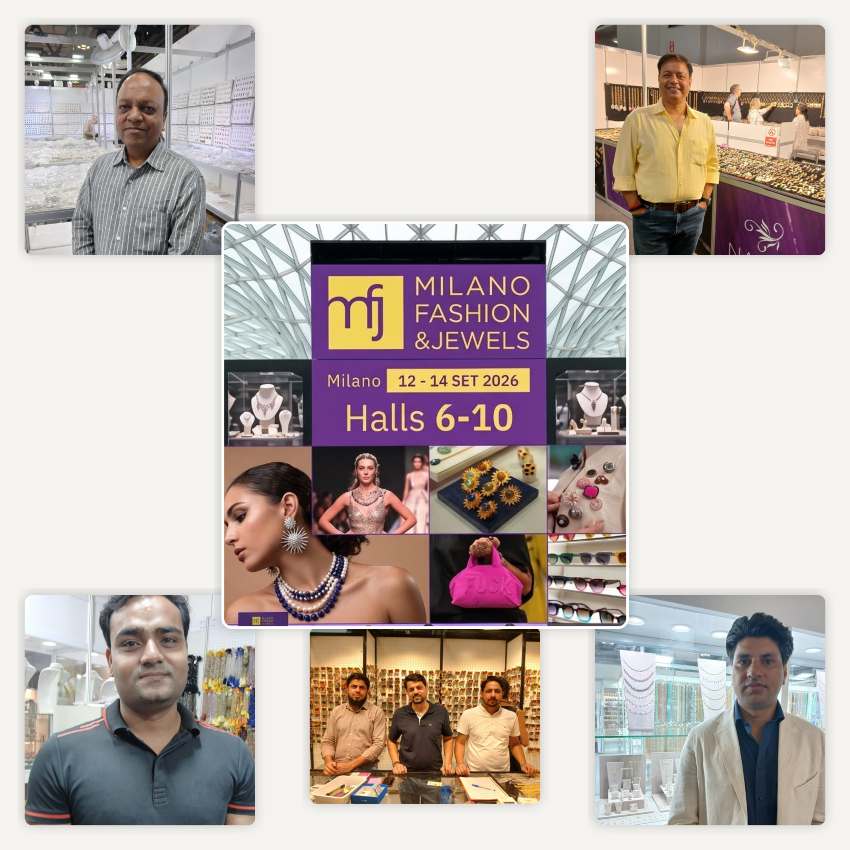
Milano Fashion & Jewels: How ‘Re-Engineered’ heritage crafts are driving hig…
A counter-movement against industrial uniformity is reshaping European bijouterie, transforming authentic craftsmanship into a powerful lever for high-margin boutique growth.... Read more