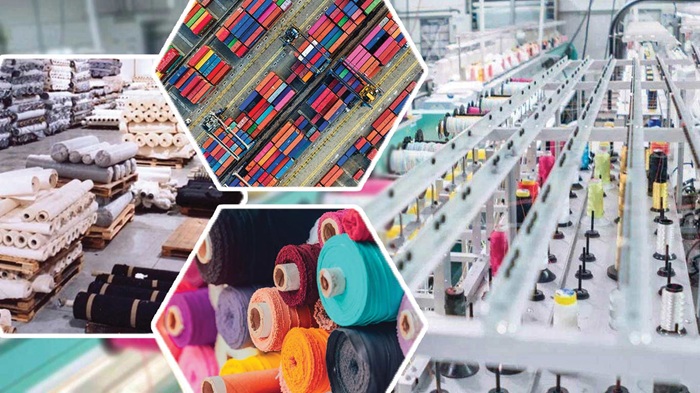
In a strategic effort to reclaim the global competitiveness of the ‘Golden Fiber,’ the Bangladesh Government has moved to reopen six closed state-owned jute mills by October 2026 under private sector management. Announced by Khandaker Abdul Muktadir, Textiles and Jute Minister, this transition shifts the sector away from historically inefficient state-led operations toward a market-driven model. Each revived facility is projected to attract investments between Tk 200 crore and Tk 500 crore, specifically targeting the production of diversified, high-value jute goods. By leasing idle assets to private operators, the administration aims to modernize manufacturing infrastructure and meet the rising international demand for biodegradable packaging and technical textiles.
Technological integration and export diversification
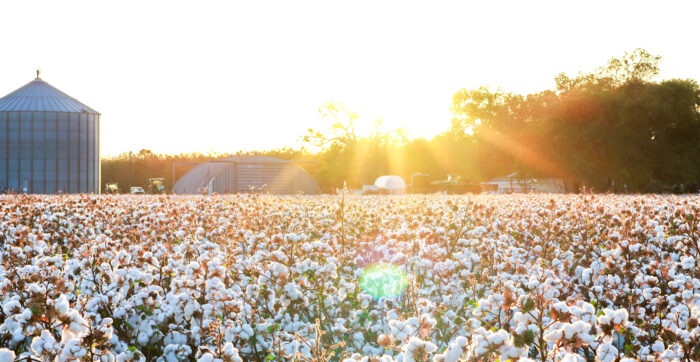
The government is simultaneously deploying an integrated agricultural framework to enhance fiber quality and yield. A foundational feasibility study, ‘Production and Distribution of Advanced Technology-based Jute and Jute Seeds,’ is currently underway, with full-scale implementation scheduled for November 2026. This initiative focuses on stabilizing the supply chain for 138 export markets, including the US and EU, where eco-conscious apparel brands are increasingly replacing synthetic materials with jute-blended yarns. Despite recent raw material price volatility, with Tossa and Meshta varieties seeing premiums of up to US$ 60 per metric ton, the mandate to digitize testing labs in Dhaka and Khulna ensures that Bangladesh’s 282 types of jute products adhere to rigorous global quality benchmarks.
Promoting diversified exports
The Bangladesh Textiles and Jute Ministry oversees the nation's jute and apparel sectors, contributing over 10 per cent to the national GDP. Focused on LDC graduation by late 2026, it promotes diversified exports through the Jute Diversification Promotion Center (JDPC). Their growth strategies emphasize public-private mill leases and a US$ 100 billion total export target by 2030.