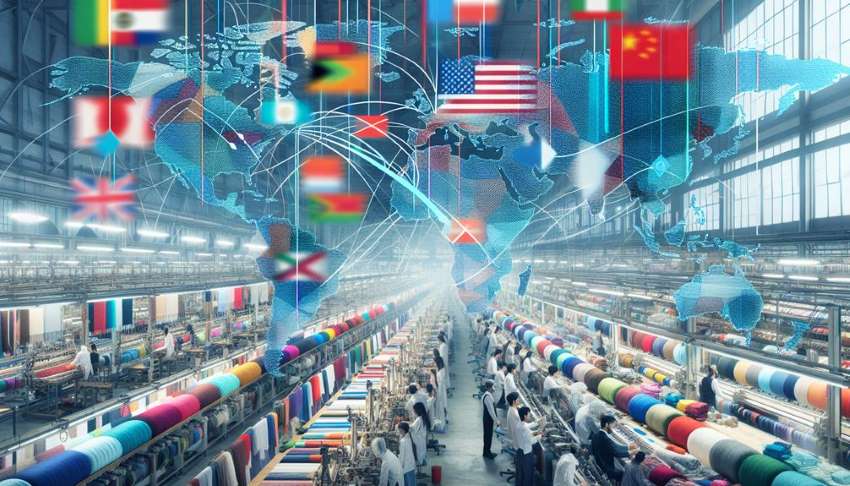
The Indian textile and apparel sector is in a digital survival phase in 2026, shifting from traditional labor-intensive models to high-tech, AI-driven operations. Faced with a daunting tariff disadvantage in export markets like the US, experts are no longer viewing technology as an upgrade, but as a mandatory shield. By integrating Industry 4.0 smart factories, major players are successfully decoupling unit costs from labor expenses, allowing them to compete on speed, precision, and high-value sustainable solutions.
Precision over price in the post-tariff era
The commercial scenario has shifted toward a full-package service model. Domestic giants are utilizing the digital thread, which is a seamless flow of data from raw fiber to the retail rack to offer global brands a level of transparency that low-cost competitors cannot match. This move toward high-fidelity production is a response to volatile global demand.
With the Ministry of Textiles projecting that AI integration will drive a 30 per cent boost in manufacturing efficiency by 2031, the focus has moved from ‘how cheap’ to ‘how fast and accurate’. This digital agility allows Indian manufacturers to absorb the shock of trade barriers by delivering products with significantly reduced lead times.
Shahi Exports and the end of physical prototypes
A primary bottleneck in the fashion cycle has historically been physical sampling, which could stretch over several weeks. Shahi Exports, India’s largest apparel exporter, has dismantled this hurdle through a partnership with NunoX. By deploying AI-driven fabric scanners, the company now produces digital twins of textiles in under three days. These high-definition virtual samples allow global retail partners to finalize designs without waiting for a physical swatch to clear customs. This 90 per cent reduction in sampling time is a massive commercial lever, enabling fast fashion brands to move from concept to consumer with unprecedented velocity.
Arvind and Gokaldas operational playbooks
Arvind Limited’s Rs 500 crore investment in its Advanced Materials Division (AMD) is already yielding dividends, with recent quarterly reports showing a 14-17 per cent volume growth in garmenting. Their future forward Gujarat facility has achieved a 40 per cent efficiency gain in jigger machines by using IoT sensors to monitor resource consumption in real-time.
Similarly, Gokaldas Exports has implemented real-time AI line balancing. By using computer vision to monitor needlepoint defects and TAKT time (production rate per unit), managers receive instant alerts on bottlenecks. This automated quality control has proven essential for maintaining margins even as EBITDA was pressured by global logistics costs in early 2026.
The 2026 shift to tech-first exports
The broader sector impact is reflected in the 19 per cent increase in the government's textile budget allocation, now totalling Rs 5,272 crore. This funding is specifically earmarked for modernization and sustainable scaling. As the EU-India FTA nears finalization, the ability to demonstrate ESG compliance through AI-backed traceability is becoming India's strongest selling point. The industry is on a clear growth path to hit $190 billion by the end of the 2026 fiscal, proving that while tariffs may hinder price, they have accelerated a technological revolution that makes the Indian textile floor smarter and more resilient than ever.