Pakistan has recorded a 14 per cent decline in exports of textile products during the current year. This despite the GSP Plus facility granted to Pakistan. Poor supply of gas has impacted Pakistan’s economy. While India provides subsidy on textile and wheat production, Pakistan does not. India increased its textile production three times during the last 13 years. However, in the increase in cotton production has been nominal. There is no full-time minister for the textile sector.
Pakistan is the eighth largest exporter of textile products in Asia. This sector contributes 9.5 per cent to the GDP and provides employment to about 15 million people. Pakistan is the fourth largest producer of cotton with the third largest spinning capacity in Asia after China and India, and contributes five per cent to the global spinning capacity.
Pakistan has about 1,221 ginning units, 442 spinning units, 124 large spinning units and 425 small units which produce textile products. Machinery in textile universities may be upgraded so that engineers get trained. The government may provide more incentives to Karachi, Faisalabad and Lahore textile cities and encourage small capitalists to invest there. Efforts are being made to increase collection under the textile cess.

- 1
- 2
- 3
- 4
- 5
- 6
- 7
- 8
- 9
- 10
Digital Dominance Redefined: Zara moves past H&M in $100 bn fast fashion bat…
The global fast-fashion sector has reached a inflection point in 2026 where the battleground is no longer only store shelves... Read more
Spykar accelerates offline expansion: plans 100 new stores across India
A titan of the Indian denim-first fashion scene, Spykar has officially unveiled an aggressive retail growth strategy. As consumer demand... Read more
The Inventory Illusion: Rethinking the Zara benchmark in a volatile retail era
For over a decade, the global fashion industry has treated the Zara playbook as the gold standard of inventory efficiency.... Read more
Retail Without Retail: How Walmart’s depot network is turning space into logisti…
Walmart is fundamentally rewriting the commercial real estate and retail logistics playbook with the rise of its ‘Walmart Depots’ a... Read more
Global textile regulation tightens, forcing realignment across fashion supply ch…
Global fashion and consumer goods supply chains are entering a decisive regulatory transition as Extended Producer Responsibility (EPR) frameworks for... Read more
Luxury’s new power axis, US dominance, China reset, Gulf surge
As the post-China luxury order takes shape, the US is emerging as the industry’s most dependable growth engine, while Japan,... Read more
India’s $9 Billion Landfill Blind Spot How trashed clothes hold the key to globa…
A massive economic windfall is sitting uncollected in India’s landfills, and the key to unlocking it lies in rethinking how... Read more
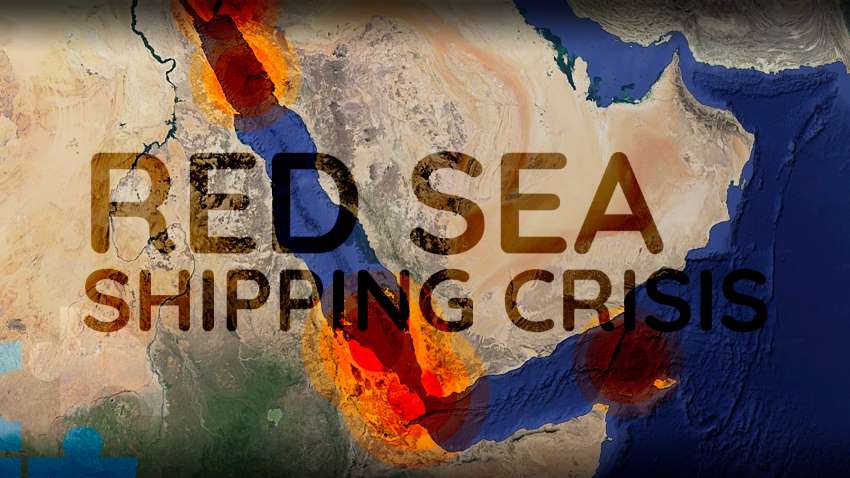
Red Sea crisis reshapes textile trade routes, challenges India’s export margins,…
Global apparel trade is now in a new operational phase where geopolitical stability and logistics reliability are as important as... Read more
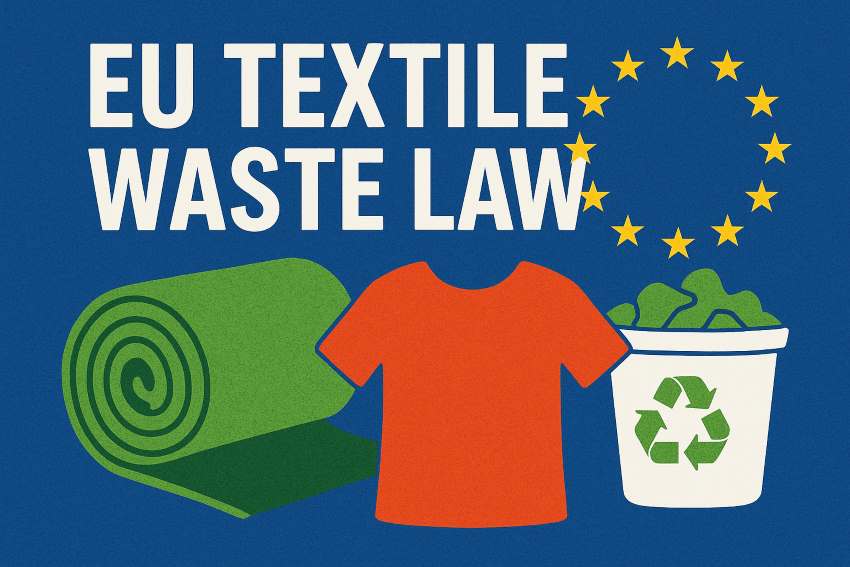
EU’s textile waste rules enter enforcement phase, raising alarms across fashion …
Europe’s apparel and textile industry is approaching one of its most significant regulatory transitions in decades. As the European Union... Read more
Corporate fashion adopts reverse logistics to unlock the $367 bn resale market
Global fashion retailers are rapidly changing their business models around resale, repair, and textile recovery as the secondhand apparel market... Read more