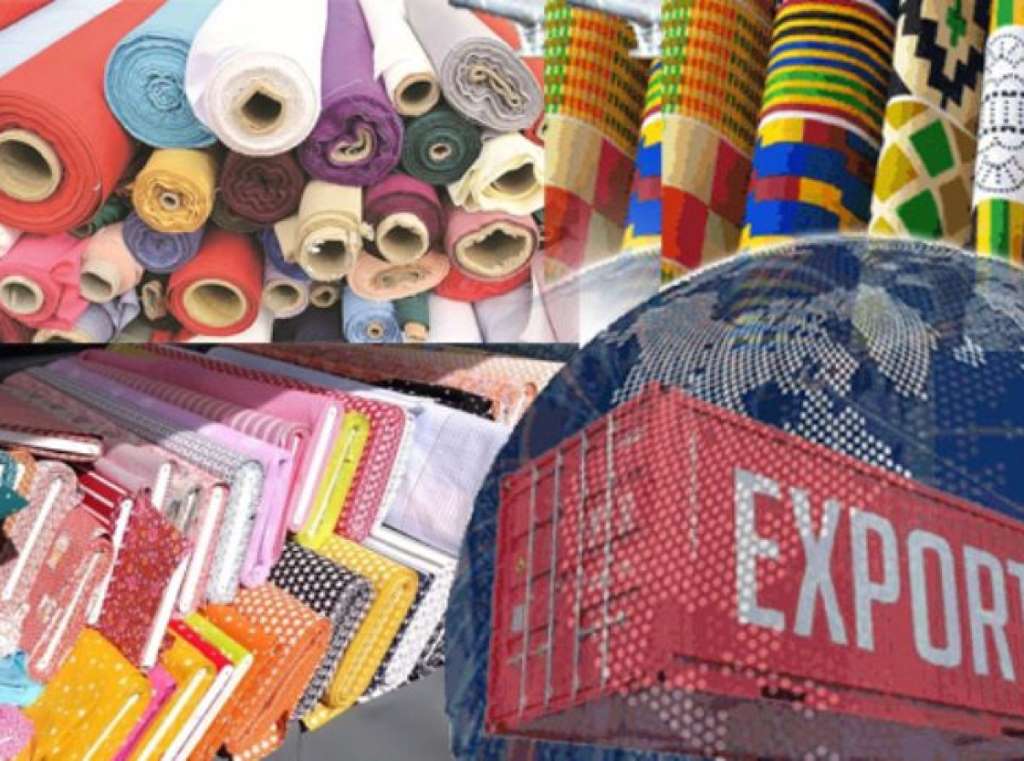
Pakistan’s textile exports dropped 16.1 per cent in July 2018 compared to shipments recorded in June. On a year-on-year basis, textile exports in July fell half a per cent compared to July 2017. Textile exports roughly make up 60 per cent of Pakistan’s total exports.
One reason for the dip is the reduction in tax rebates that made things unviable for textile producers. Right now the industry is operating at five per cent profitability. It is also a fact, though, textile exports tend to fall in July as exporters try to increase exports in the closing month of the earlier fiscal year, which is June.
Pakistan recently adjusted its exchange rate by letting the currency weaken, but it won’t impact national exports. Pakistan’s textile production faces high input costs due to imports, which dilutes the impact of the depreciation on the textile industry. High quality raw material is imported by brands. Chemicals are imported while energy requirement is also generally met by diesel imports.
The textile sector hopes for better exports in winter when consumption increases in the west due to the cold weather and Christmas. Exports are also sought to be hiked by improving localisation and quality of raw material as better brands import better quality cotton to meet their requirement.

- 1
- 2
- 3
- 4
- 5
- 6
- 7
- 8
- 9
- 10
MediaVision report signals the end of mass-market fashion marketing
" " The latest MediaVision Q1 2026 Fashion Report highlights, the age of broad-spectrum marketing and passive brand awareness is rapidly... Read more
Circularity as Strategy: BRICS countries turn waste into competitive advantage
The global fashion industry’s long-standing take-make-dispose model is being reset as BRICS economies increase their transition toward circular production systems.... Read more
Amazon’s €15 bn bet on France and the future of commerce
As Europe’s luxury sector enters a phase of austerity, a parallel transformation is unfolding in the continent’s retail foundations. What... Read more
Global Sourcing Expo Sydney 2026: Bridging the gap in global apparel procurement
The upcoming Global Sourcing Expo Sydney, scheduled for June 16–18, 2026, at the International Convention Centre (ICC) Sydney, is poised... Read more
Zara’s precision retail model leaves global competitors drowning in inventory
The global apparel sector is currently grappling with a punishing inventory overhang, yet Inditex, the parent company of Zara, has... Read more
Beyond the mall collapse, the profit push driving 2026 retail closures
The American retail sector has entered 2026 in the midst of one of its most impactful recalibrations in decades. Over... Read more
Status, Rewired: Health, AI and experience are displacing heritage luxury
The global luxury industry is not facing a demand fall it is confronting a redefinition of value. As bellwethers like... Read more
No More Easy Wins: Why global retailers are losing ground in China
China’s retail sector has entered a new phase, one defined not by aspiration, but by scrutiny. The long-standing advantage enjoyed... Read more
India’s 45°C economy is reshaping apparel retail and consumer spending
The intensifying heatwaves sweeping across the Indian subcontinent are no longer mere meteorological anomalies; they have become the primary engineers... Read more
FY26 Textile Scorecard: Integration, specialization are winning the margin battl…
As the curtains close on FY2025-26, India’s textile industry is revealing a sharp divide. On one side stand integrated and... Read more