As the global textile landscape faces heightened uncertainty, Vietnamese manufacturers are reinforcing their resilience through rigorous risk management and strategic production agility. Industry data from H1, FY26 indicates an export turnover of $22.2 billion, a 1.7 per cent Y-o-Y increase. However, industry leaders remain vigilant as subdued consumer demand in major markets, such as the United States and Japan, forces a departure from traditional volume-based growth. To counter these headwinds, enterprises are increasingly adopting ‘dual transition’ strategies - integrating digitalization with sustainable manufacturing—to meet stringent environmental, social, and governance (ESG) standards that have become prerequisites for maintaining market access.
Shifting toward high-value added production
Recognizing that reliance on low-cost labor is no longer a sustainable competitive advantage, the sector is prioritizing higher-value segments. This shift is evident in the transition toward Free on Board (FOB) and Original Design Manufacturing (ODM) models, which allow for better margins and stronger integration into global supply chains. According to Vinatex, a key objective for the remainder of 2026 is the establishment of centralized data centers to enhance decision-making and detect operational risks early. By reducing dependence on imported raw materials- which currently constitute 60-70 per cent of production costs - and investing in automation to boost productivity by an estimated 20-30 per cent, Vietnamese firms are positioning themselves to withstand external shocks while maintaining their status as a premier global sourcing hub.
Focusing on Green technology and high-tech automation
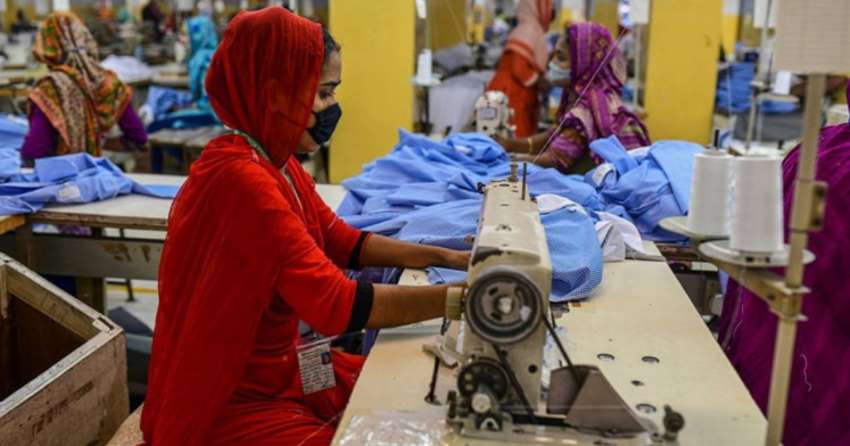
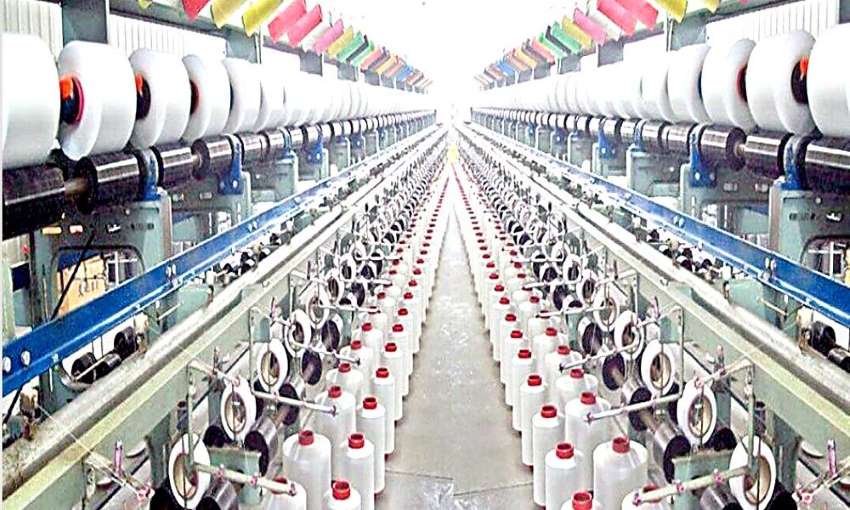
Vietnam is a global manufacturing powerhouse for textiles, garments, and footwear, serving major international brands. The sector focuses on knitted and woven apparel, targeting an annual export value of $48 billion for 2026. Growth plans center on green technology, domestic raw material integration, and high-tech automation.
Vietnam apparel sector navigates global turbulence through operational precision
As the global textile landscape faces heightened uncertainty, Vietnamese manufacturers are reinforcing their resilience through rigorous risk management and strategic production agility. Industry data from H1, FY26 indicates an export turnover of $22.2 billion, a 1.7 per cent Y-o-Y increase. However, industry leaders remain vigilant as subdued consumer demand in major markets, such as the United States and Japan, forces a departure from traditional volume-based growth. To counter these headwinds, enterprises are increasingly adopting ‘dual transition’ strategies - integrating digitalization with sustainable manufacturing—to meet stringent environmental, social, and governance (ESG) standards that have become prerequisites for maintaining market access.
Shifting toward high-value added production
Recognizing that reliance on low-cost labor is no longer a sustainable competitive advantage, the sector is prioritizing higher-value segments. This shift is evident in the transition toward Free on Board (FOB) and Original Design Manufacturing (ODM) models, which allow for better margins and stronger integration into global supply chains. According to Vinatex, a key objective for the remainder of 2026 is the establishment of centralized data centers to enhance decision-making and detect operational risks early. By reducing dependence on imported raw materials- which currently constitute 60-70 per cent of production costs - and investing in automation to boost productivity by an estimated 20-30 per cent, Vietnamese firms are positioning themselves to withstand external shocks while maintaining their status as a premier global sourcing hub.
Focusing on Green technology and high-tech automation
Vietnam is a global manufacturing powerhouse for textiles, garments, and footwear, serving major international brands. The sector focuses on knitted and woven apparel, targeting an annual export value of $48 billion for 2026. Growth plans center on green technology, domestic raw material integration, and high-tech automation.