Bangladesh Knitwear Manufacturers and Exporters Association (BKMEA) has failed to record the large number of workers’ details due to its lackluster approach to get the job done. However, the association has brought about 1,550 RMG units under the database system as of April 21.
The government earlier asked the sector people to complete their workers’ bio-metric documentation within June 15. BKMEA is the platform of knitwear manufacturers, while BGMEA represents the owners of woven manufacturers of Bangladesh.
Following the collapse of Rana Plaza, the issue of central database came under the spotlight as there was no accurate number of workers that worked for the factories. In the aftermath of the industrial disaster, buyers, brands, trade unions from home and abroad, plus rights group put pressure on the manufacturers and the government to create a central database containing workers’ details.
According to BKMEA, it has 2,192 members, who employ about 2.1m workers.
BKMEA, Systech Digital Limited and Tiger IT Limited signed a Memorandum of Understanding (MoU) for the implementation of the bio-metric database for the workers on January 18, 2014.
This poor performance is only due to the negligence and dilly-dallying of the board, a former BKMEA leader said, preferring not to be named. If the authority took stern action, it could be completed earlier, he added.

- 1
- 2
- 3
- 4
- 5
- 6
- 7
- 8
- 9
- 10
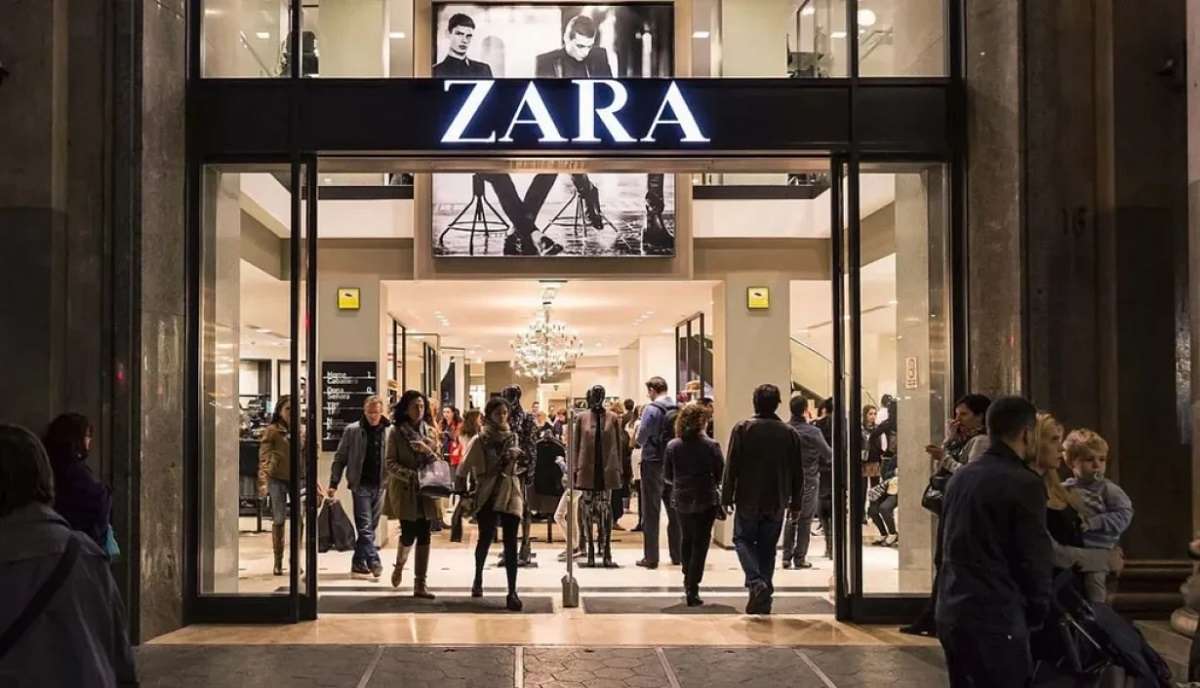
Digital Dominance Redefined: Zara moves past H&M in $100 bn fast fashion bat…
The global fast-fashion sector has reached a inflection point in 2026 where the battleground is no longer only store shelves... Read more
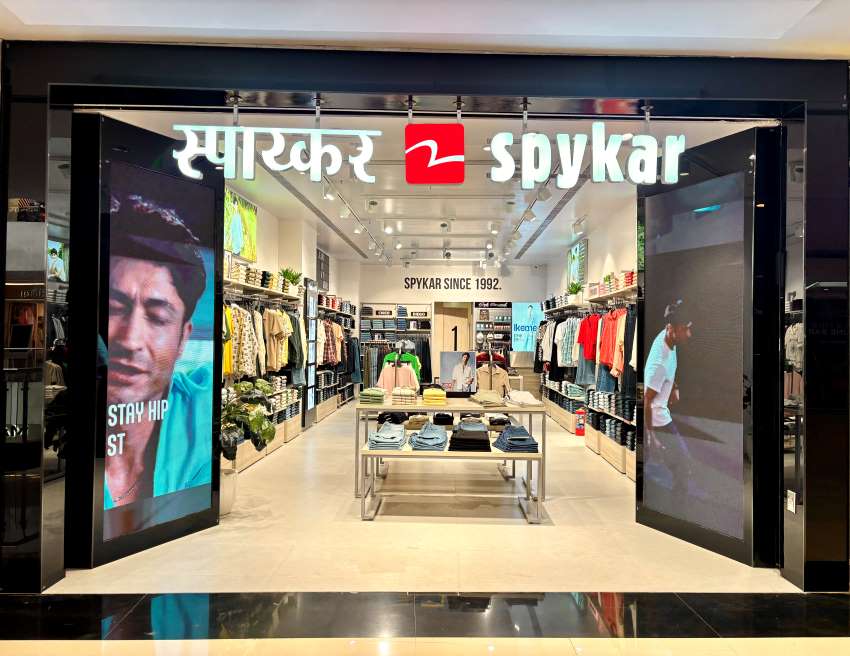
Spykar accelerates offline expansion: plans 100 new stores across India
A titan of the Indian denim-first fashion scene, Spykar has officially unveiled an aggressive retail growth strategy. As consumer demand... Read more
The Inventory Illusion: Rethinking the Zara benchmark in a volatile retail era
For over a decade, the global fashion industry has treated the Zara playbook as the gold standard of inventory efficiency.... Read more
Retail Without Retail: How Walmart’s depot network is turning space into logisti…
Walmart is fundamentally rewriting the commercial real estate and retail logistics playbook with the rise of its ‘Walmart Depots’ a... Read more
Global textile regulation tightens, forcing realignment across fashion supply ch…
Global fashion and consumer goods supply chains are entering a decisive regulatory transition as Extended Producer Responsibility (EPR) frameworks for... Read more
Luxury’s new power axis, US dominance, China reset, Gulf surge
As the post-China luxury order takes shape, the US is emerging as the industry’s most dependable growth engine, while Japan,... Read more
India’s $9 Billion Landfill Blind Spot How trashed clothes hold the key to globa…
A massive economic windfall is sitting uncollected in India’s landfills, and the key to unlocking it lies in rethinking how... Read more
Red Sea crisis reshapes textile trade routes, challenges India’s export margins,…
Global apparel trade is now in a new operational phase where geopolitical stability and logistics reliability are as important as... Read more
EU’s textile waste rules enter enforcement phase, raising alarms across fashion …
Europe’s apparel and textile industry is approaching one of its most significant regulatory transitions in decades. As the European Union... Read more
Corporate fashion adopts reverse logistics to unlock the $367 bn resale market
Global fashion retailers are rapidly changing their business models around resale, repair, and textile recovery as the secondhand apparel market... Read more