A change is underway across the global textile industry as consumer preferences begin to alter sourcing decisions that have long favored synthetic fibers. Polyester, once regarded as the foundation of affordable fashion because of its durability and low production costs, is facing mounting pressure from consumers concerned about comfort, sustainability and health.
The change is already influencing procurement strategies among apparel brands. While the global polyester fiber market is estimated at $87.4 billion in 2026, demand growth is being challenged by environmental scrutiny and changing buying behaviour. At the same time, the global natural fibers market has grown to approximately $69.23 billion, largely due to apparel applications where cotton, linen, wool and silk are gaining renewed relevance. For retailers, the shift is no longer solely due to sustainability commitments. It is becoming a commercial necessity as well.
Heat changes consumer preferences
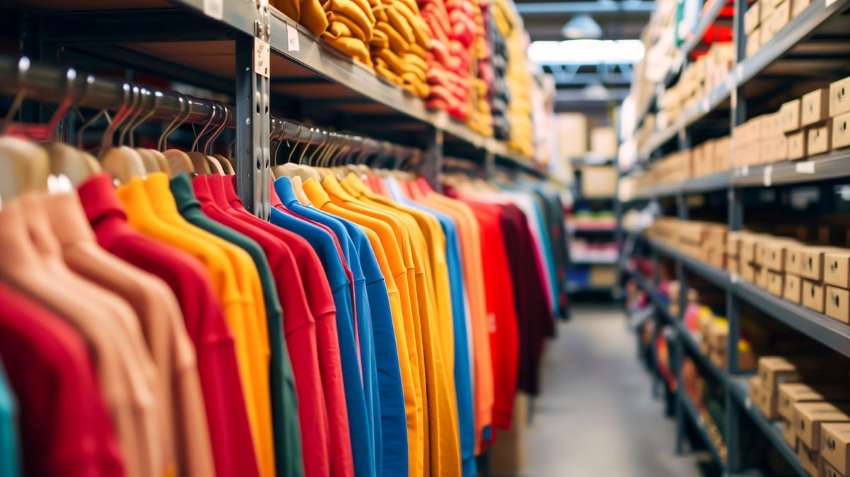
Rising global temperatures have exposed one of polyester's biggest commercial weaknesses, its inability to regulate heat and moisture effectively. Consumers are associating synthetic garments with discomfort, particularly during prolonged summers. Complaints around heat retention, poor breathability and persistent odour have become common across online reviews and social media platforms, reducing customer satisfaction with synthetic-heavy apparel collections.
This behavioural shift is particularly visible among Gen Z and Millennial shoppers, many of whom are actively filtering online searches for garments made entirely from cotton or linen. Brands that relied heavily on polyester-based assortments to maximise margins are now experiencing slower inventory movement and increased markdown pressure. The result is a gradual change in sourcing budgets toward natural fibers despite their higher procurement costs.
Wellness drives material choices
Comfort is only part of the equation. Consumers are extending the ‘clean living’ philosophy beyond food and cosmetics into wardrobe choices. Growing awareness of microplastic pollution and chemical finishes used in synthetic textile production has encouraged shoppers to scrutinise garment labels more closely. As a result, sourcing teams are increasing procurement of organic cotton, traceable wool and hemp while strengthening relationships with certified suppliers capable of providing transparent origin documentation.
The trend also aligns with tightening regulations in Europe and North America that are oversight of textile traceability and synthetic waste management, making dependence on virgin polyester a growing compliance risk.
Supply chains face new constraints
Unlike petrochemical-based synthetic fibers that can be produced at industrial scale, natural fibers remain dependent on agricultural production cycles. Crop yields, water availability and climatic conditions limit the industry's ability to rapidly increase cotton and linen production, creating supply-side volatility just as global demand grows. This imbalance is influencing both sourcing costs and retail pricing strategies.
Table: Fibers and their commercial imperratives
|
Fiber category |
Commercial drivers |
Market realities & supply risk |
|
Plant-Based (Cotton, Linen, Hemp) |
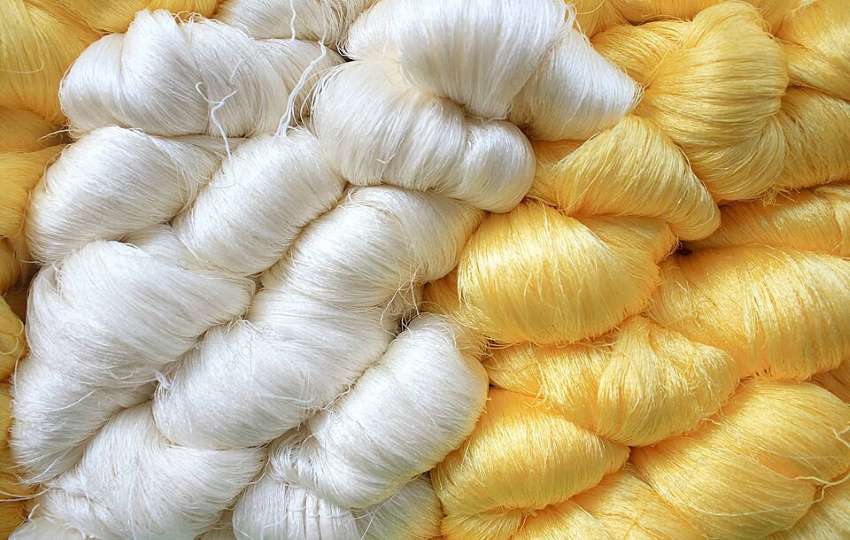
Dominates natural market with an 82% share led by cotton; driven by consumer demands for skin breathability and zero-fossil fuel inputs. |
Vulnerable to seasonal agricultural yield volatility and crop supply shocks. |
|
Animal-Based (Wool, Silk) |
Wool commands a 62.9% share of the animal-derived sub-market; highly favored for thermal insulation and high-end luxury tailoring. |
High wholesale price benchmarks; limited volume scaling capacity compared to synthetics. |
|
Synthetics (Polyester, Nylon) |
Retains volume infrastructure in sportswear; faces immense regulatory pressure regarding microplastics. |
Suffering from consumer inventory rejection and declining fast-fashion sell-through rates. |
These constraints are encouraging retailers to rethink assortment planning rather than simply replacing polyester on a one-to-one basis.
Premium collections offset higher costs
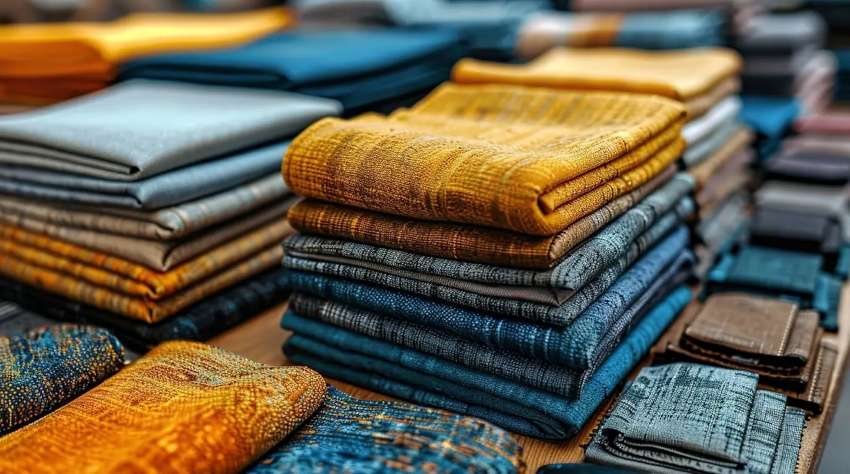
Instead of competing purely on price, many apparel companies are repositioning natural fibers as premium products. Dedicated collections featuring cotton, linen and wool are being marketed around comfort, craftsmanship and sustainability, allowing brands to justify higher retail prices while protecting gross margins. Simultaneously, textile manufacturers are investing in mechanical finishing technologies that improve wrinkle resistance and stretch performance in natural fabrics without relying heavily on polyester blends. This combination of product innovation and premium branding is helping retailers absorb rising fiber costs while appealing to consumers willing to pay for perceived quality.
European retailer highlights shift
The experience of Italian apparel group Omnia Retail, which operates around 450 stores across Southern and Central Europe, illustrates how quickly consumer behaviour can reshape sourcing decisions. After recording a 14 per cent decline in sell-through rates for polyester-blend tops during consecutive record summer seasons, the retailer reviewed its sourcing strategy and replaced virgin polyester with flax linen and long-staple cotton sourced from Mediterranean suppliers. Although manufacturing costs increased by around 9 per cent, the company repositioned the collection as a premium natural range with a 20 per cent higher retail price. The outcome was commercially significant. Inventory clearance improved by 32 per cent within the first quarter following the launch, revealing consumers' willingness to pay more for garments perceived as cooler, healthier and more sustainable.
Next competitive advantage
Competition is shifting from cost leadership toward material credibility. Companies capable of securing reliable supplies of premium natural fibers, maintaining transparent sourcing systems and developing value-added natural fabric technologies are likely to strengthen their market positions over the coming decade.
The strategy is already visible among suppliers. Eastman Textiles, a producer of premium organic cotton yarns and linen fabrics serving North American and European brands, plans to expand its sustainable processing capacity by 40 per cent over the next two years. Backed by an 18 per cent increase in annual revenue, the company is investing in a synthetic-free supply chain designed to meet growing global demand for natural apparel inputs.
As climate concerns, consumer expectations and regulatory requirements mix together, fiber selection is evolving from a procurement decision into a strategic differentiator. For much of the global apparel industry, the future competitive advantage may lie not in producing more synthetic textiles, but in building resilient supply chains around natural materials that increasingly define value in the eyes of consumers.