Jute mills in Bengal are facing a host of issues ranging from intense competition to cheap Bangladeshi imports. While production decreased by three lakh tons, consumption of jute products went down declined by 2.5 lakh tons. Falling demand for jute bags and worker problems are plaguing jute mills, prompting many to shut down.
There are around 59 jute mills in Bengal, employing close to 4, 00,000 people, and almost all are currently making losses because of market conditions. Synthetic bags are cheaper than bags made of natural fiber, and the jute industry would have been in dire straits by now had jute as packaging material for various commodities not been made mandatory.
However, the law was tweaked in 2012-13 to allow greater use of plastic bags as packaging material for sugar and food grains. This was done based on food grain production projections but actual output fell short of estimates. That means the law allowed sale of more plastic bags than was required in the market and the piled up inventory of plastic bags from 2012-13 continues to be used.
Now, policy intervention, both long-term and short-term, is being considered to address the issues impeding the growth of the jute industry upon which the economy of West Bengal is highly dependent.

- 1
- 2
- 3
- 4
- 5
- 6
- 7
- 8
- 9
- 10
Europe cuts apparel volumes and prices, testing South Asian suppliers
European apparel sourcing entered 2026 under simultaneous volume and price pressure, forcing suppliers to absorb a decline that is reshaping... Read more
FICCI-TAG 2026: Mandatory reporting & Textile ID rolled out; Non-Compliance …
In a stern regulatory announcement aimed at creating a robust statistical backbone for India's textile sector, Textile Commissioner Vrunda Manohar... Read more
India’s apparel exporters face a new US tariff risk as margins shrink
The enactment of the Lindsey O. Graham sanctioning Russia and Iran Act of 2026 in Washington has introduced a fresh... Read more
Cellulosics challenge polyester dominance in global fibre market
The global textile raw-materials market has entered a phase where plant-based and regenerated cellulosic fibres have gain ground against fossil-fuel-derived... Read more
From cotton to MMF cost equation is rewriting global textile trade
The global textile and apparel trade has grown from $560 billion in 2006 to $914 billion in 2025, reveals the... Read more
Polyethylene stretch yarn challenges elastane’s hold on activewear
The global activewear, denim and intimate apparel markets have built a substantial business around stretch. But the same fibre combinations... Read more
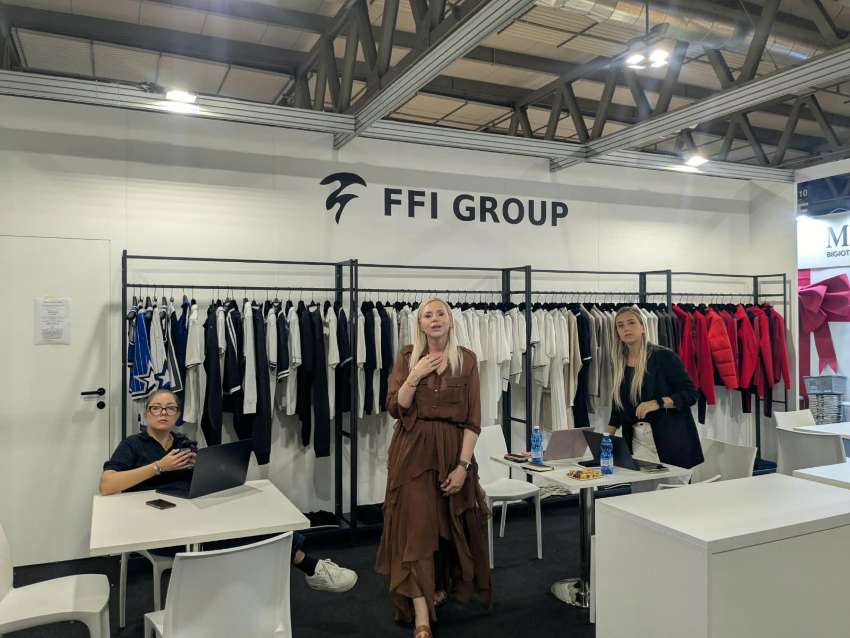
Automation Meets Italian Design: FFI Srl unveils ‘Next-Gen Robotics’ to help bra…
At the recently concluded autumn edition of Ready to Show inside Hall 10 at Fiera Milano-Rho—staged alongside the Milano Fashion... Read more
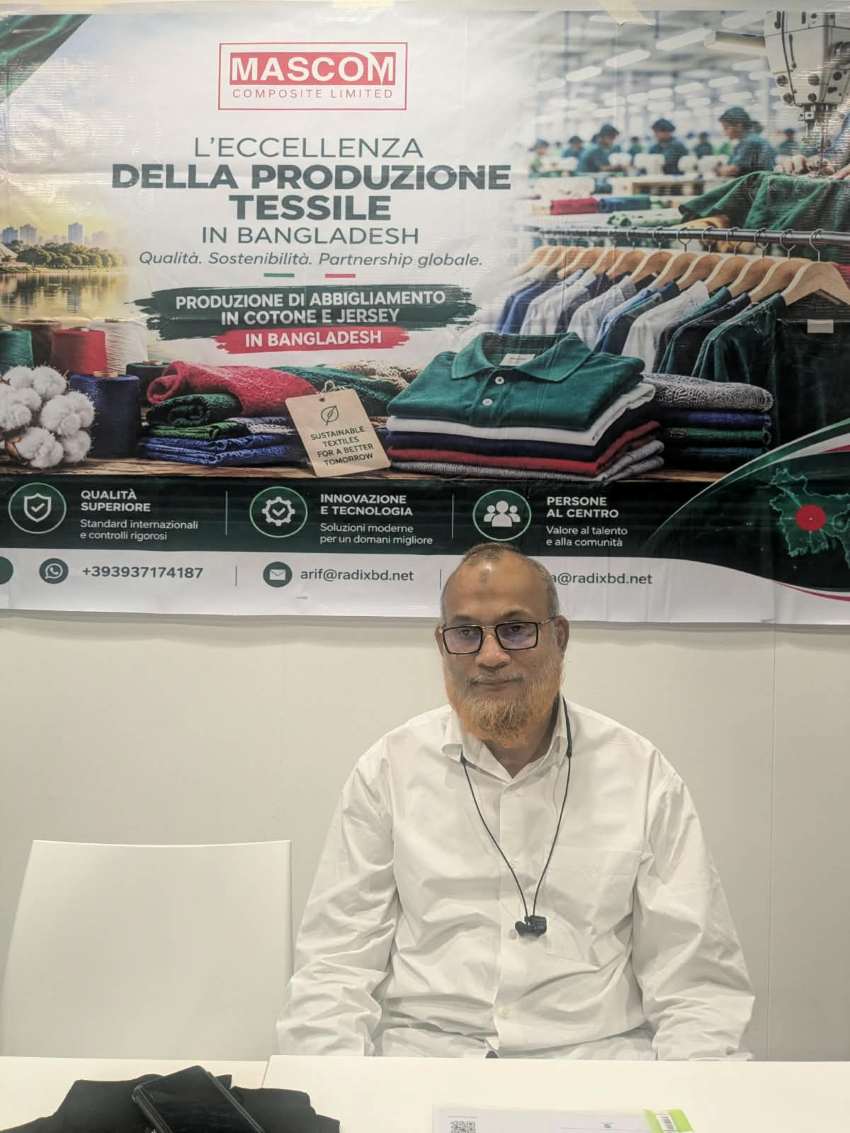
From Dhaka to Milan: Mascom Composite backs Southern Europe’s sports and lifesty…
While the trade floor of Ready to Show Milano inside Hall 10 at Fiera Milano-Rho placed a heavy spotlight on... Read more
How surging silver prices are reshaping ‘Mid-Tier’ fashion jewellery
Escalating global bullion volatility and raw material pricing pressures are forcing a fundamental reassessment across the mid-tier fashion jewellery trade.... Read more
Milano Fashion & Jewels: How ‘Re-Engineered’ heritage crafts are driving hig…
A counter-movement against industrial uniformity is reshaping European bijouterie, transforming authentic craftsmanship into a powerful lever for high-margin boutique growth.... Read more