Indian exports of silk waste yarn increased by 141.08 per cent in fiscal 2011. There was a slump of 47.60 per cent in ’12. In fiscal year 2012-13, exports grew by 1.19 per cent, while in ’14 growth was 70.33 per cent. In 2014-15, exports once again dipped by 28.57 per cent. The key nations to which India exports yarn spun from silk waste are Indonesia, Singapore, South Korea, Thailand, Vietnam, Cambodia, Philippines, Laos, South Africa, Guyana, Iran, Malaysia, Hong Kong, Japan, Belgium, France, Spain, Bangladesh and Nepal.
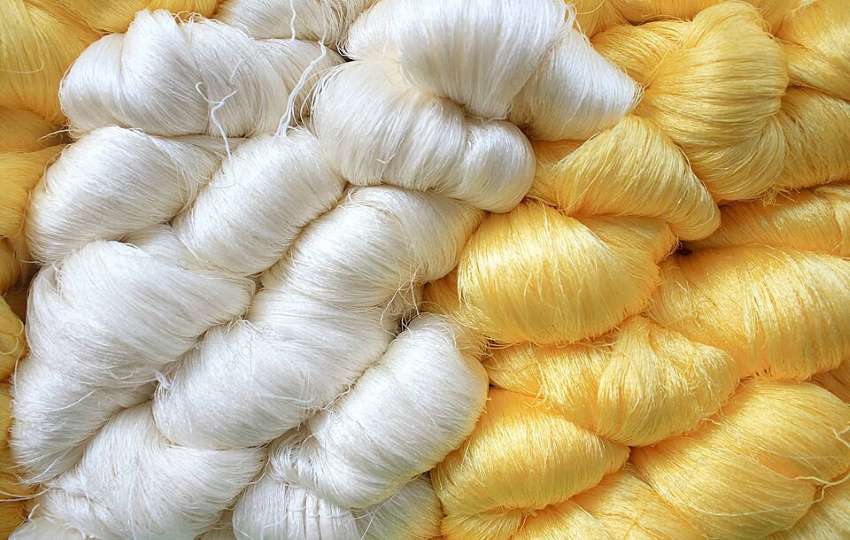
Silk waste includes all kinds of raw silk which may be unwindable and hence, unsuited to the throwing process. Since the product has been degummed it can be easily dyed. Silk waste is produced from the reeling process. The fine yarn is removed from cocoons and the left over is called silk waste. Thrown silk waste happens when things go wrong at the mill. The fibers get tangled around the machinery or in some other way become unable to be used for finished yarn.
Throwster silk yarn waste is processed in order to impart optimum strength. The recycled yarn is made of throwster yarn waste that can be used in carpets, knittings, embroidery and other fancy lace works.

- 1
- 2
- 3
- 4
- 5
- 6
- 7
- 8
- 9
- 10
Europe cuts apparel volumes and prices, testing South Asian suppliers
European apparel sourcing entered 2026 under simultaneous volume and price pressure, forcing suppliers to absorb a decline that is reshaping... Read more
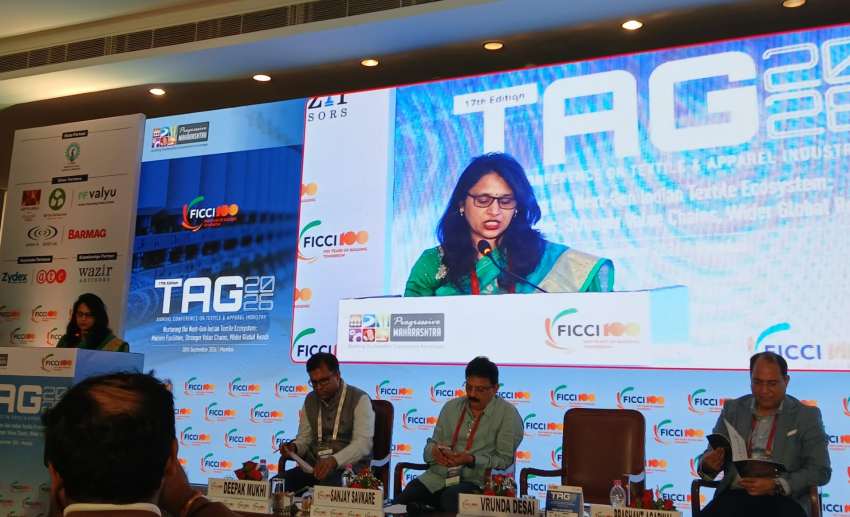
FICCI-TAG 2026: Mandatory reporting & Textile ID rolled out; Non-Compliance …
In a stern regulatory announcement aimed at creating a robust statistical backbone for India's textile sector, Textile Commissioner Vrunda Manohar... Read more
India’s apparel exporters face a new US tariff risk as margins shrink
The enactment of the Lindsey O. Graham sanctioning Russia and Iran Act of 2026 in Washington has introduced a fresh... Read more
Cellulosics challenge polyester dominance in global fibre market
The global textile raw-materials market has entered a phase where plant-based and regenerated cellulosic fibres have gain ground against fossil-fuel-derived... Read more
From cotton to MMF cost equation is rewriting global textile trade
The global textile and apparel trade has grown from $560 billion in 2006 to $914 billion in 2025, reveals the... Read more
Polyethylene stretch yarn challenges elastane’s hold on activewear
The global activewear, denim and intimate apparel markets have built a substantial business around stretch. But the same fibre combinations... Read more
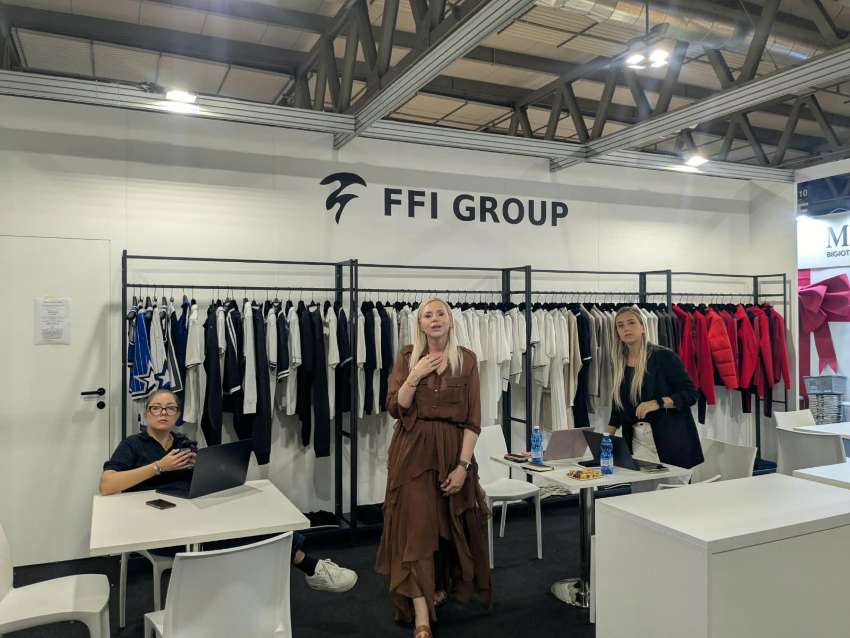
Automation Meets Italian Design: FFI Srl unveils ‘Next-Gen Robotics’ to help bra…
At the recently concluded autumn edition of Ready to Show inside Hall 10 at Fiera Milano-Rho—staged alongside the Milano Fashion... Read more
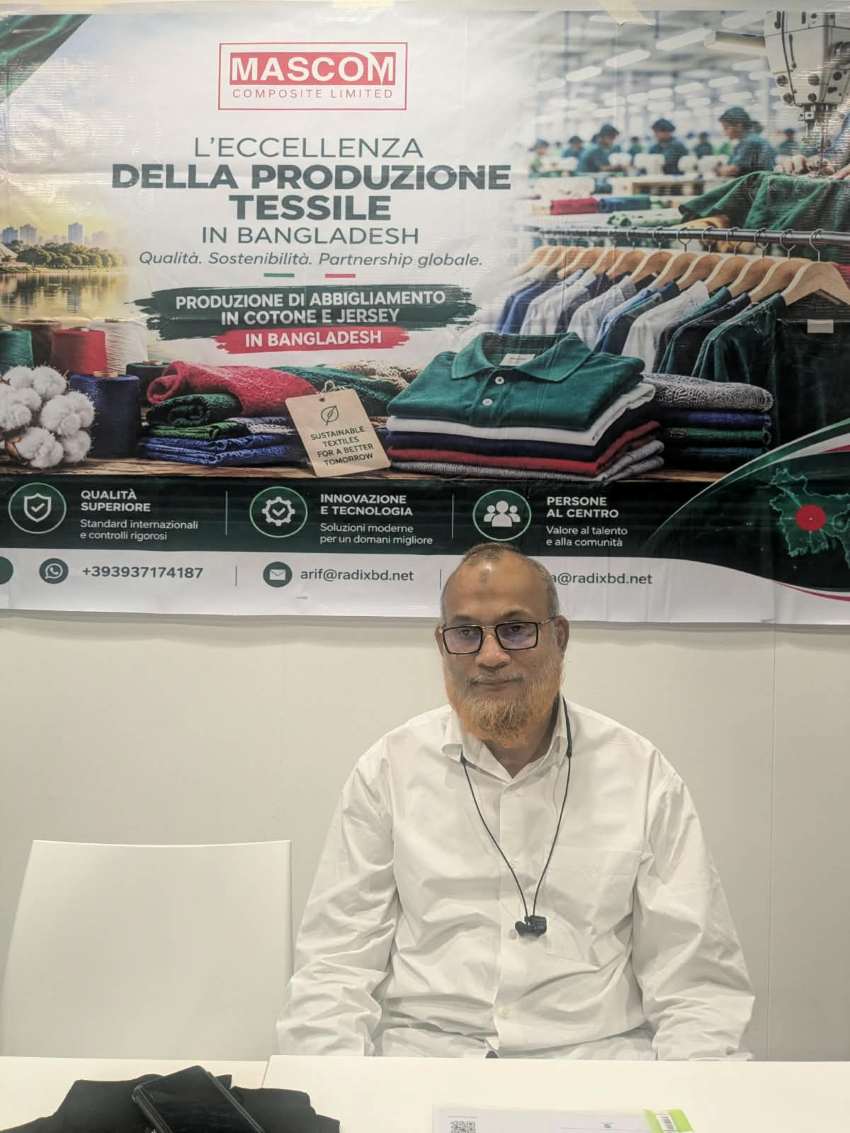
From Dhaka to Milan: Mascom Composite backs Southern Europe’s sports and lifesty…
While the trade floor of Ready to Show Milano inside Hall 10 at Fiera Milano-Rho placed a heavy spotlight on... Read more
How surging silver prices are reshaping ‘Mid-Tier’ fashion jewellery
Escalating global bullion volatility and raw material pricing pressures are forcing a fundamental reassessment across the mid-tier fashion jewellery trade.... Read more
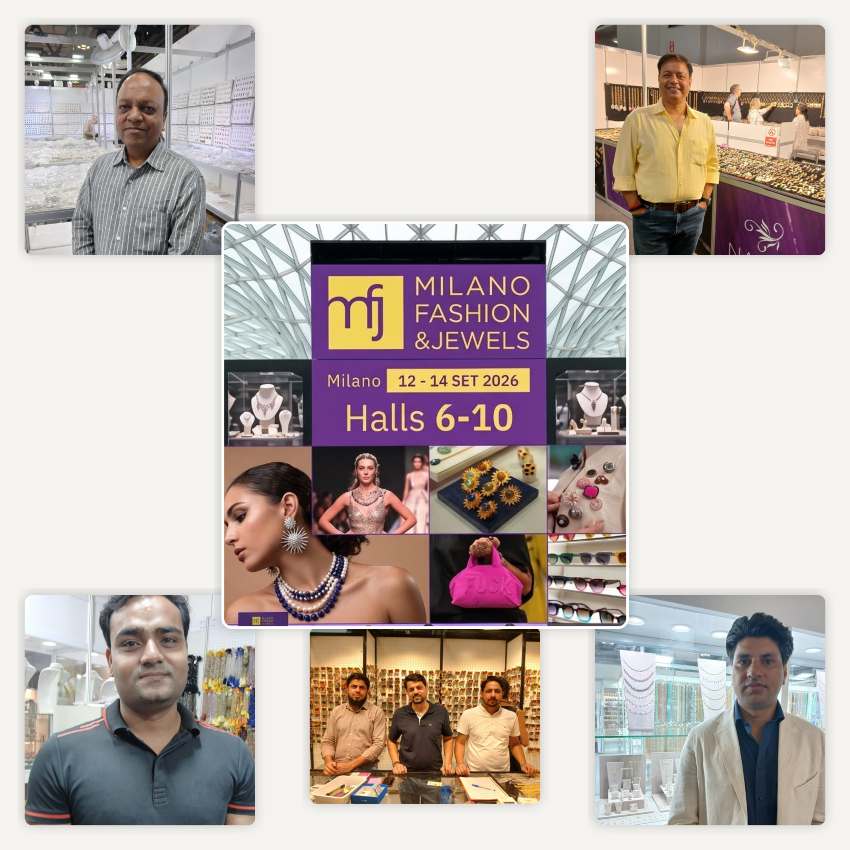
Milano Fashion & Jewels: How ‘Re-Engineered’ heritage crafts are driving hig…
A counter-movement against industrial uniformity is reshaping European bijouterie, transforming authentic craftsmanship into a powerful lever for high-margin boutique growth.... Read more