A rating system will be developed for industrial parks in India. This is expected to raise competitiveness of industries and promote manufacturing. Such a system is being developed based on four parameter: internal and external infrastructure, connectivity, environment and safety management, and business support services. The system could become a reference database for prospective investors.
The Scheme for Integrated Textile Parks has not worked out as thought. One reason is high rentals in some parks. There has been a lack of marketing efforts. No special benefits are available for investors in parks and many of the parks are not easily accessible.
There are suggestions the parks should occupy a minimum of 1000 acres, with infrastructure support in the form of readymade factory sheds, warehouse, effluent collection treatment and disposal systems, incubation centers and testing labs, first aid centers, with express connectivity to seaports and airports.
The Scheme for Integrated Textile Parks was launched in 2005 to encourage private investments and employment generation in the textile sector. The primary objective of the SITP was to provide the industry with world class state-of-the-art infrastructure for setting up new textile units. The Scheme for Integrated Textile Parks was launched by merging two schemes, Apparel Parks for Exports Scheme and Textiles Center Infrastructure Development Scheme.

- 1
- 2
- 3
- 4
- 5
- 6
- 7
- 8
- 9
- 10
Europe cuts apparel volumes and prices, testing South Asian suppliers
European apparel sourcing entered 2026 under simultaneous volume and price pressure, forcing suppliers to absorb a decline that is reshaping... Read more
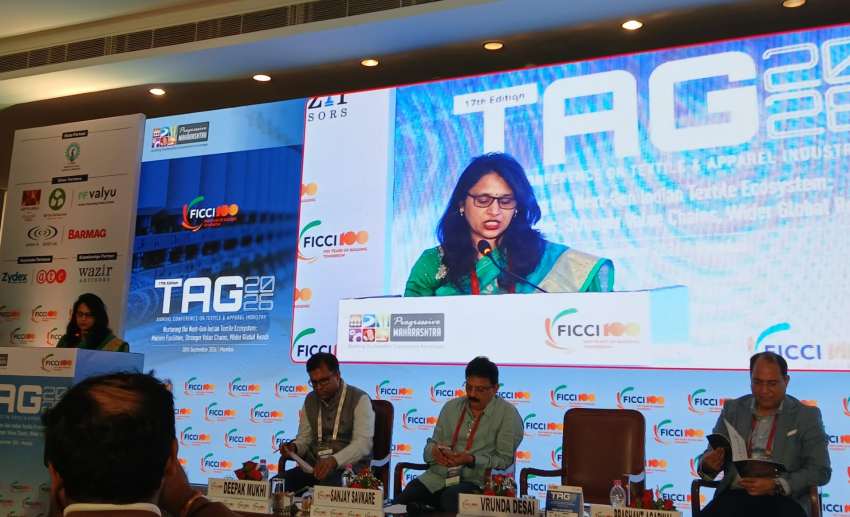
FICCI-TAG 2026: Mandatory reporting & Textile ID rolled out; Non-Compliance …
In a stern regulatory announcement aimed at creating a robust statistical backbone for India's textile sector, Textile Commissioner Vrunda Manohar... Read more
India’s apparel exporters face a new US tariff risk as margins shrink
The enactment of the Lindsey O. Graham sanctioning Russia and Iran Act of 2026 in Washington has introduced a fresh... Read more
Cellulosics challenge polyester dominance in global fibre market
The global textile raw-materials market has entered a phase where plant-based and regenerated cellulosic fibres have gain ground against fossil-fuel-derived... Read more
From cotton to MMF cost equation is rewriting global textile trade
The global textile and apparel trade has grown from $560 billion in 2006 to $914 billion in 2025, reveals the... Read more
Polyethylene stretch yarn challenges elastane’s hold on activewear
The global activewear, denim and intimate apparel markets have built a substantial business around stretch. But the same fibre combinations... Read more
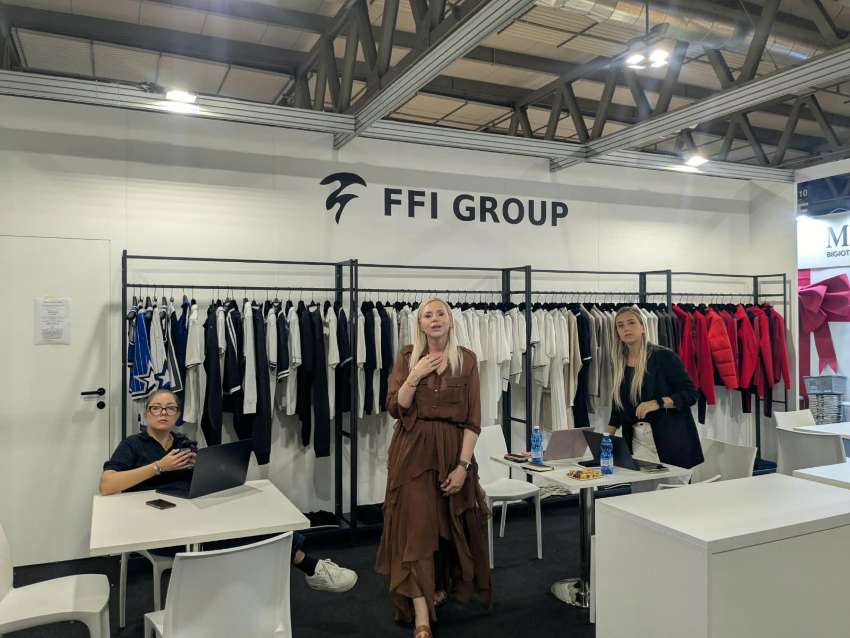
Automation Meets Italian Design: FFI Srl unveils ‘Next-Gen Robotics’ to help bra…
At the recently concluded autumn edition of Ready to Show inside Hall 10 at Fiera Milano-Rho—staged alongside the Milano Fashion... Read more
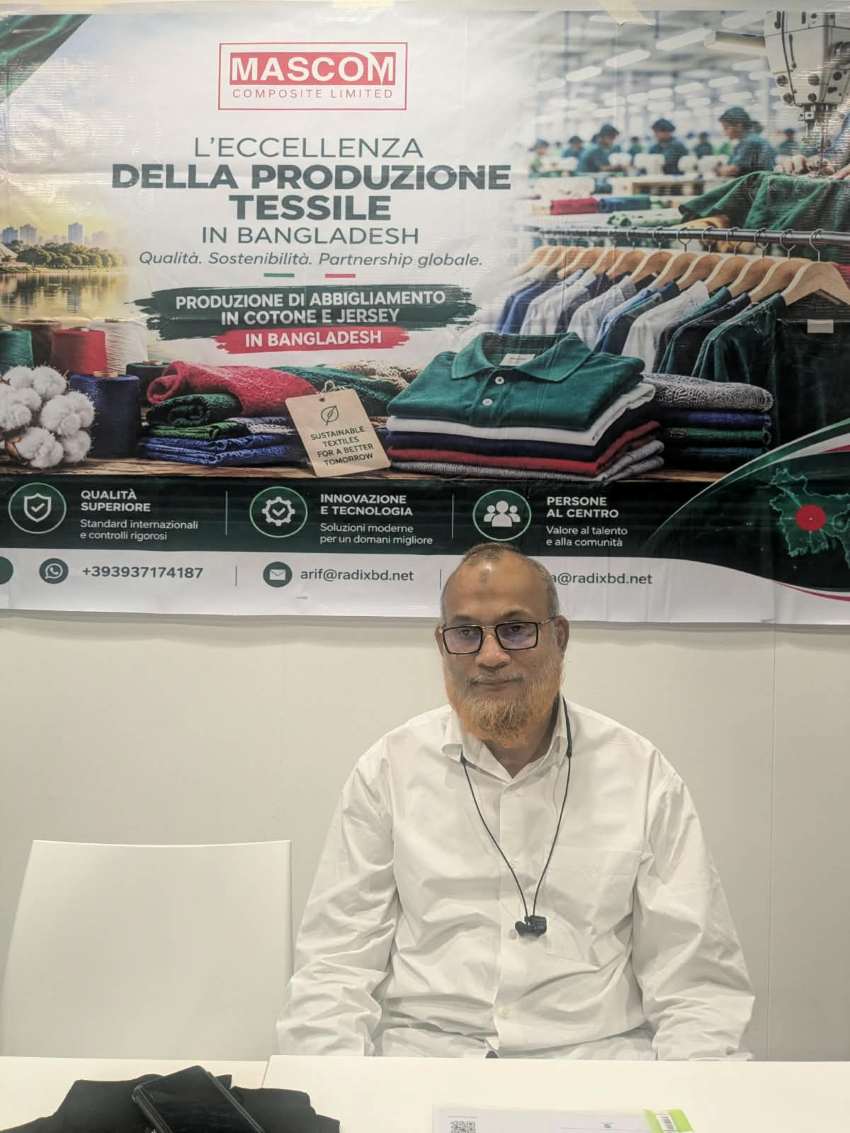
From Dhaka to Milan: Mascom Composite backs Southern Europe’s sports and lifesty…
While the trade floor of Ready to Show Milano inside Hall 10 at Fiera Milano-Rho placed a heavy spotlight on... Read more
How surging silver prices are reshaping ‘Mid-Tier’ fashion jewellery
Escalating global bullion volatility and raw material pricing pressures are forcing a fundamental reassessment across the mid-tier fashion jewellery trade.... Read more
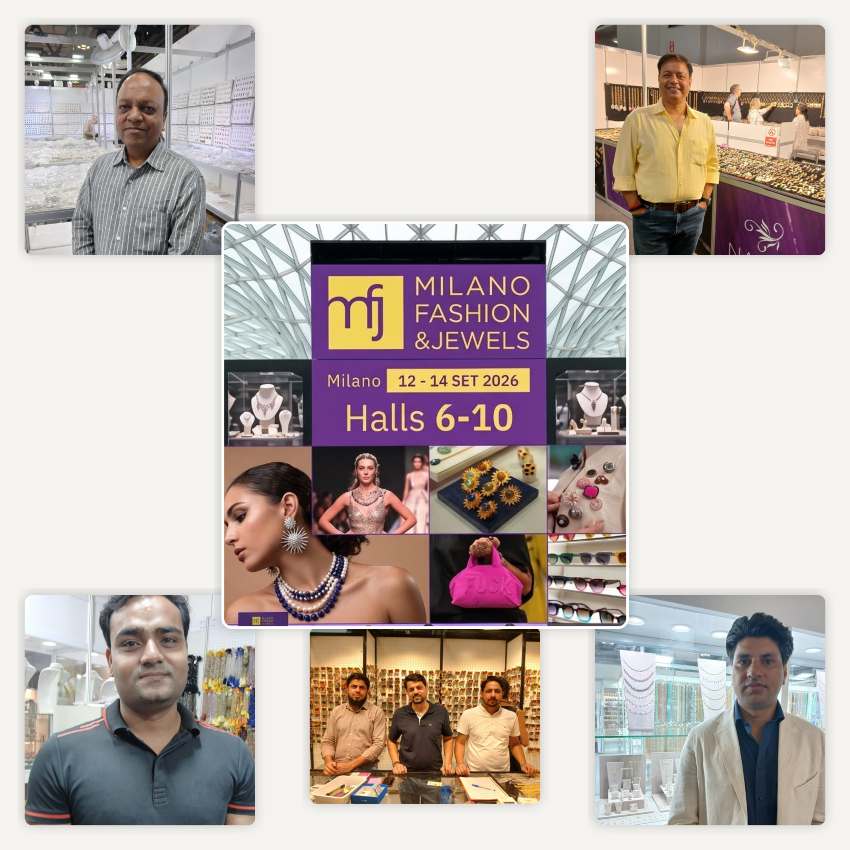
Milano Fashion & Jewels: How ‘Re-Engineered’ heritage crafts are driving hig…
A counter-movement against industrial uniformity is reshaping European bijouterie, transforming authentic craftsmanship into a powerful lever for high-margin boutique growth.... Read more