After submitting a concept note on a trade facilitation agreement on services at the World Trade Organization (WTO), India is planning to firm up its strategy for the next course of action across key issues at the multilateral body. The idea is to prepare a road map for post-Nairobi ministerial world order and take stock of steps already taken by the country at the WTO.
Doha round of negotiations has remained stalled since 2008 primarily over the issue of huge trade-distorting subsidies being given to farmers by rich countries. The fundamental objective at Doha was to improve trading prospects for developing nations. While India and other developing nations are waiting for this, developed countries are seeking to mostly dilute the negotiations and widen the mandate with new issues including e-commerce and the global value chain.
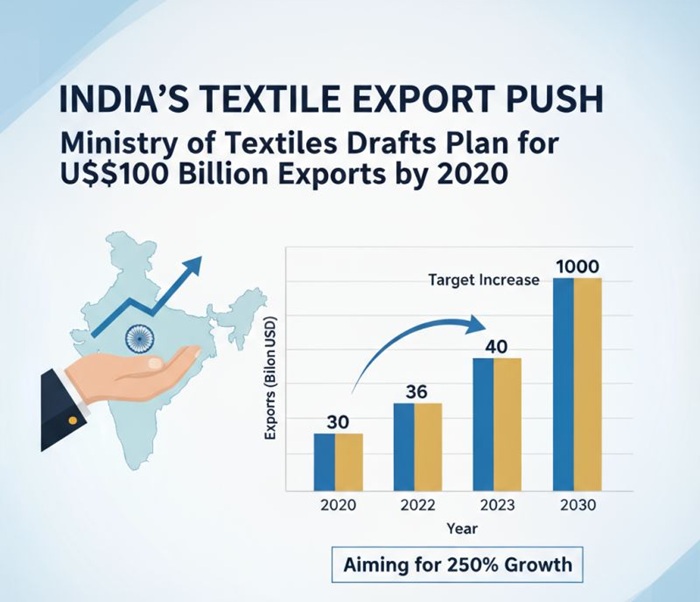
India has also been seeking concrete work plans on a special safeguard mechanism for developing countries to protect their farmers from a spurt in imports and on a permanent solution to the issue of its official grain procurement and food security in the country as agreed on in the Bali ministerial. The foreign trade policy of April 2015 targeted to double export of goods and services to 900 billion dollars by 2020.

- 1
- 2
- 3
- 4
- 5
- 6
- 7
- 8
- 9
- 10
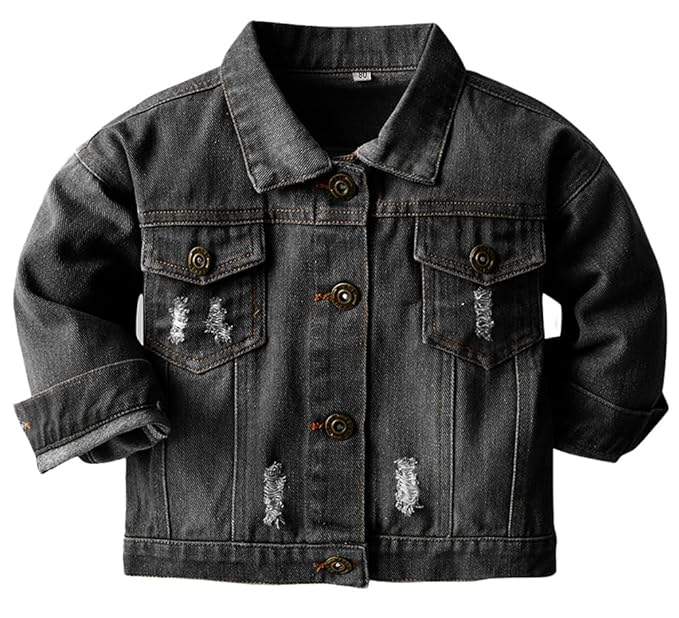
Trends-Fabrics (Denim-Kidswear) trends for Spring/Summer 2026-27 by Drapers
For the Spring/Summer 2026-27 season, the kidswear denim market is defined by a shift toward lightweight comfort, playful aesthetics, and... Read more
Cost spiral across fibers, chemicals and logistics squeezes India’s apparel expo…
India’s textile manufacturing sector has entered one of its most financially strained periods in recent years as increasing fiber, yarn,... Read more
How India’s textile recycling network is becoming a global ESG blueprint
India’s textile industry is mounting an aggressive defence against growing international criticism that developing economies are becoming dumping grounds for... Read more
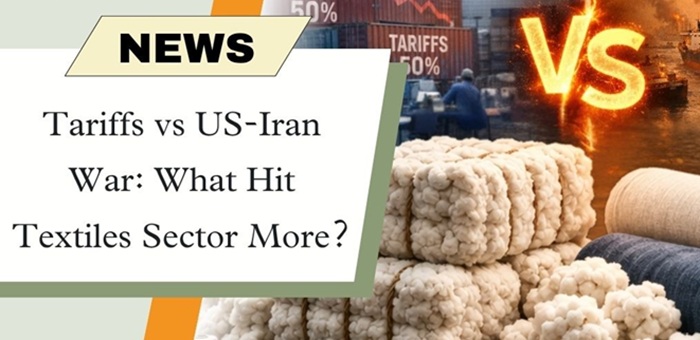
Cotton trade under pressure as war risks and tariff chaos raise apparel costs
The global textile and apparel industry is entering a high-stakes period of volatility as the ongoing Iran war creates a... Read more
Copenhagen GFA summit 2026 signals reset in global apparel finance
" " The global apparel, textile, and fiber manufacturing industries are entering a decisive phase of financial and operational realignment, as... Read more
Global apparel supply chains realign as India navigates trade volatility
The global apparel and textile sector is experiencing a significant structural shift, as major manufacturers and retailers move away from... Read more
India’s textile sector targets global supply chain shift with $100 bn export pus…
As global brands push up efforts to diversify sourcing beyond traditional manufacturing hubs, India is repositioning its textile industry through... Read more
India balances farm interests and export ambitions with temporary cotton import …
" " The textile industry has received a policy reprieve after the Ministry of Finance eliminated the 11 per cent import... Read more
Global supply chain strain deepen as fashion brands tighten sourcing costs
The global apparel industry is dealing with growing sourcing tension as big fashion retailers intensify efforts to reduce procurement costs... Read more
From Voluntary to Mandatory: Asia’s manufacturing hubs lock in green compliance …
The multi-billion-dollar Asian apparel export market is entering a enforced sustainability era, where environmental and labour compliance is no longer... Read more