Hong Kong-based companies are increasingly eyeing relocation of their production or diversification out of mainland China due to rising production costs. And India could well become their go-to destination. States they are particularly interested in are Gujarat, Maharashtra, Andhra Pradesh, Tamil Nadu and Karnataka. These states have developed industrial parks for private investors to set up their production plants. Infrastructure and amenities such as ports, connecting roads, electricity, water supply, sewage-treatment facilities and communication networks are provided.
Also all five states have made efforts in tax reforms to streamline registration and payment of Value Added Tax and Central Sales Tax through online services. India provides for low cost manufacturing versus other Asian economies such as Vietnam, Bangladesh, Indonesia, Sri Lanka and mainland China. Currently India’s labor costs are lower than those in China and almost all of the countries in Southeast Asia, with the exception of Myanmar. India’s wages are a third of the wages in mainland China and roughly half the wages in Indonesia.
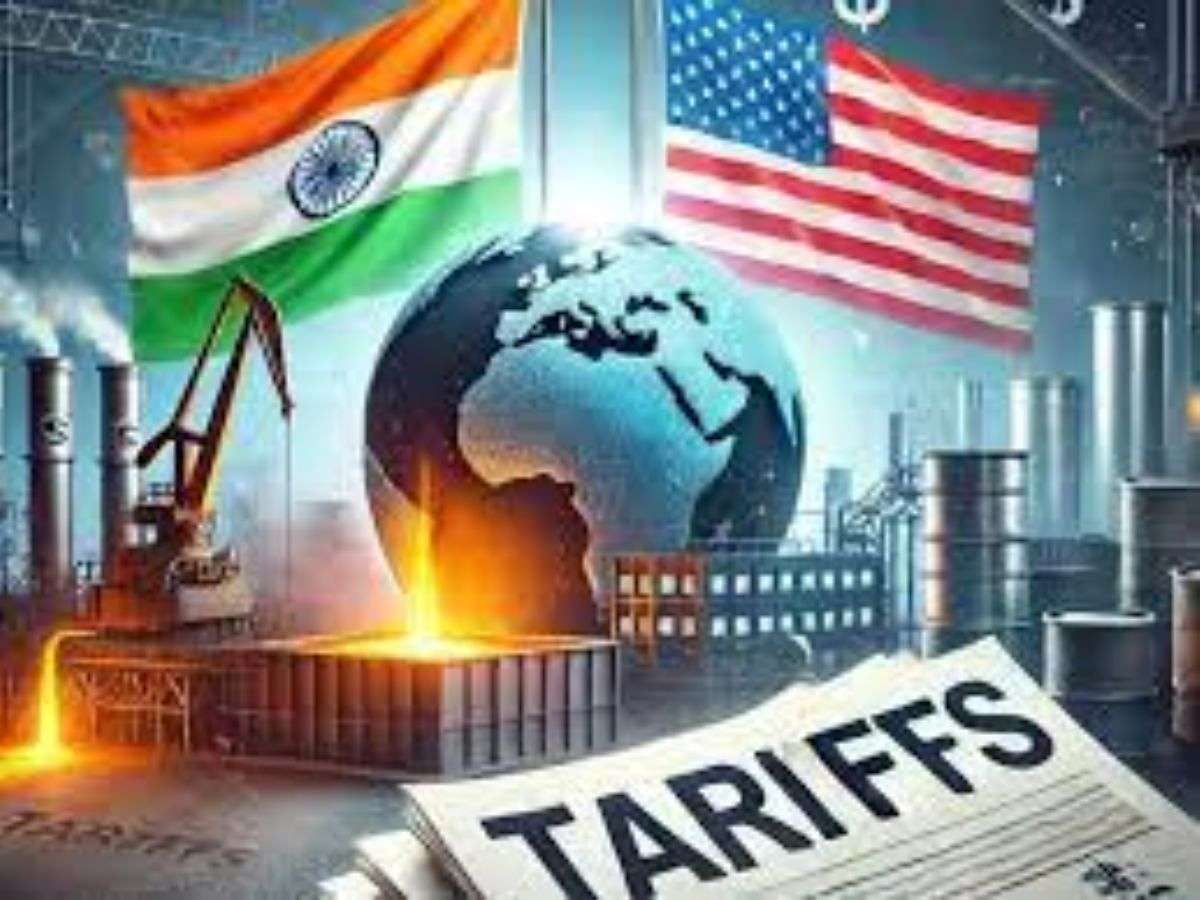
India has a huge buyers’ market and the country has potential in low value added product manufacturing like apparel, shoes, clothing and textiles. Another key consideration for factory relocation is the import tariffs levied on manufactured products originating from India and whether this country has entered into preferential trade deals that lower import tariffs. India has been an active player in Asia. US import tariff rates for Indian yarn-related products range between zero and 2.7 per cent.
- 1
- 2
- 3
- 4
- 5
- 6
- 7
- 8
- 9
- 10
Industrial automation and AI take center stage at Garment Technology Expo (GTE) …
The conclusion of the 39th Garment Technology Expo (GTE 2026) in Greater Noida has signalled a decisive shift in South... Read more
The End of Geographic Masking: Shein and peers reclaim Made in China as a strate…
The era of the corporate ghost is ending. For years, the world’s most aggressive retail disruptors operated under ambiguity, relocating... Read more
$120 Crude, Zero Margin: How India’s textile hubs are paying the price
For India’s textile clusters, the current West Asia crisis is no longer a distant geopolitical headline. In Surat’s polyester corridors... Read more
Luxury under pressure as stagflation and geopolitics redefine the winners’ circl…
The 2025 earnings for Europe’s listed luxury majors have delivered a verdict that has far more implications than the prevailing... Read more
Luxury resale goes global, sneakers, handbags, archival fashion redrawing border…
The luxury resale market in 2026 is no longer a monolithic global block. According to the RB Insights January 2026... Read more
China out but can India deliver? The realities of the global sourcing shift
With the US imposing a flat 15 per cent tariff on Chinese imports under Section 122 as of February 2026,... Read more
Luxury in Retreat: Why the aspirational consumer is gone for good
The global luxury industry is confronting an unprecedented situation. The active consumer base, which peaked at 400 million in 2022,... Read more
The Invisible Bleed: How a single chemical is slowing India’s apparel machine
The global fashion industry has spent the better part of the past two years obsessing over visible disruptions viz. volatile... Read more
The Closet Paradox: How ‘nothing to wear’ is driving global overconsumption
In an era of overflowing wardrobes and instant fashion gratification, a striking paradox has emerged: the more clothes we own,... Read more
US trade rulings and labor slowdown reshape 2026 cotton supply chains
The global cotton industry is entering a period of adjustment, shaped by legal rulings, trade policy recalibrations, and a softening... Read more