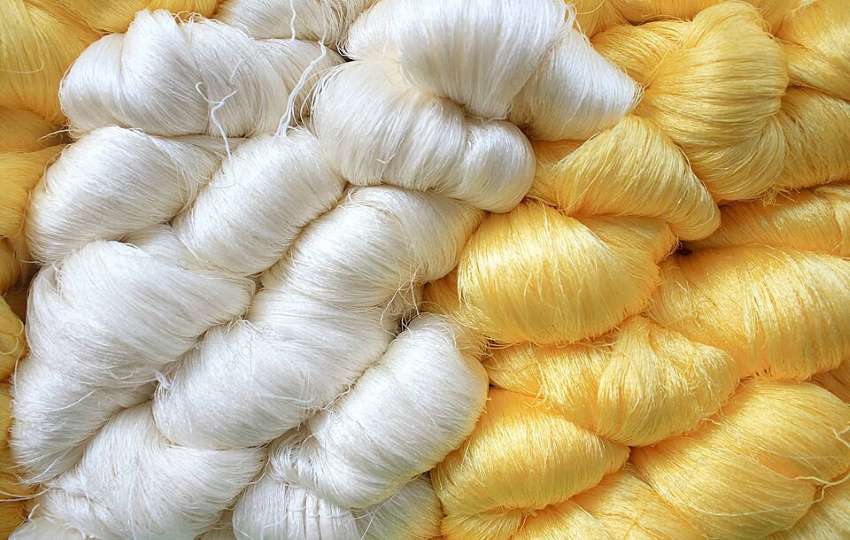
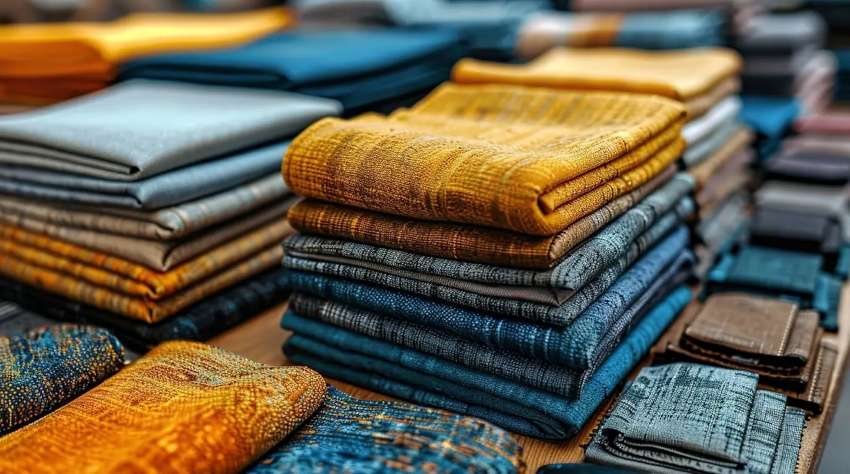
Global fiber production has doubled in the last 20 years, reveals Textile Exchange. In the plant-based natural fibers category, cotton is the most used fiber. Preferred cotton has a market share of 22 per cent of total global cotton production and is grown in 30 countries.
Due to concerns about the treatment of animals for textile and apparel use, animal welfare standards and initiatives are in place to define responsible practices and provide assurance that specific criteria are being delivered on in the animal-based fibers and materials category. Preferred down is produced on thousands of farms in 13 countries. Preferred down is recognized through the adherence to standards. Wool is the most used animal-based fiber, with more than one million metric tons produced globally. Preferred wool is estimated to be below three per cent of the global market share. Preferred wool is identified by key standards and initiatives.
The Responsible Mohair Standard was developed in 2018. This will provide assurance that mohair comes from farms with high animal welfare and progressive land management practices. The manmade cellulosic fibers category is increasing steadily with a market share of approximately 6.2 per cent of total fiber production volume, which is double what it was in 1990, and is expected to continue growing.

- 1
- 2
- 3
- 4
- 5
- 6
- 7
- 8
- 9
- 10
Cost spiral across fibers, chemicals and logistics squeezes India’s apparel expo…
India’s textile manufacturing sector has entered one of its most financially strained periods in recent years as increasing fiber, yarn,... Read more
How India’s textile recycling network is becoming a global ESG blueprint
India’s textile industry is mounting an aggressive defence against growing international criticism that developing economies are becoming dumping grounds for... Read more
Cotton trade under pressure as war risks and tariff chaos raise apparel costs
The global textile and apparel industry is entering a high-stakes period of volatility as the ongoing Iran war creates a... Read more
Copenhagen GFA summit 2026 signals reset in global apparel finance
" " The global apparel, textile, and fiber manufacturing industries are entering a decisive phase of financial and operational realignment, as... Read more
Global apparel supply chains realign as India navigates trade volatility
The global apparel and textile sector is experiencing a significant structural shift, as major manufacturers and retailers move away from... Read more
India’s textile sector targets global supply chain shift with $100 bn export pus…
As global brands push up efforts to diversify sourcing beyond traditional manufacturing hubs, India is repositioning its textile industry through... Read more
India balances farm interests and export ambitions with temporary cotton import …
" " The textile industry has received a policy reprieve after the Ministry of Finance eliminated the 11 per cent import... Read more
Global supply chain strain deepen as fashion brands tighten sourcing costs
The global apparel industry is dealing with growing sourcing tension as big fashion retailers intensify efforts to reduce procurement costs... Read more
From Voluntary to Mandatory: Asia’s manufacturing hubs lock in green compliance …
The multi-billion-dollar Asian apparel export market is entering a enforced sustainability era, where environmental and labour compliance is no longer... Read more
MediaVision report signals the end of mass-market fashion marketing
" " The latest MediaVision Q1 2026 Fashion Report highlights, the age of broad-spectrum marketing and passive brand awareness is rapidly... Read more