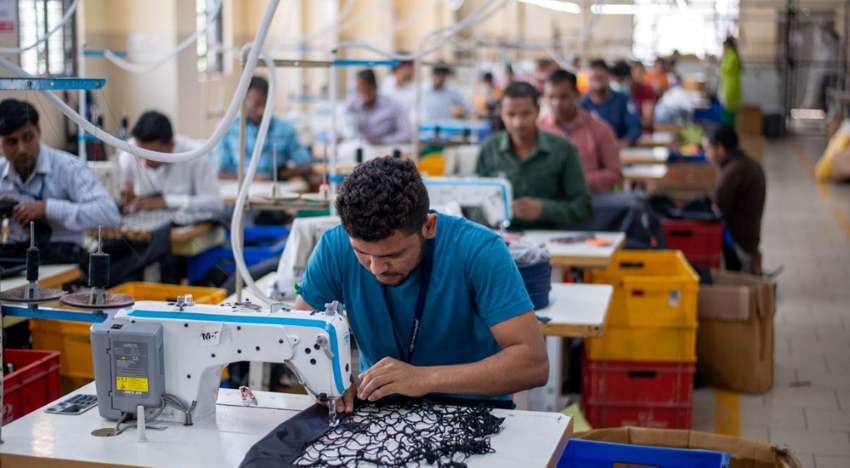
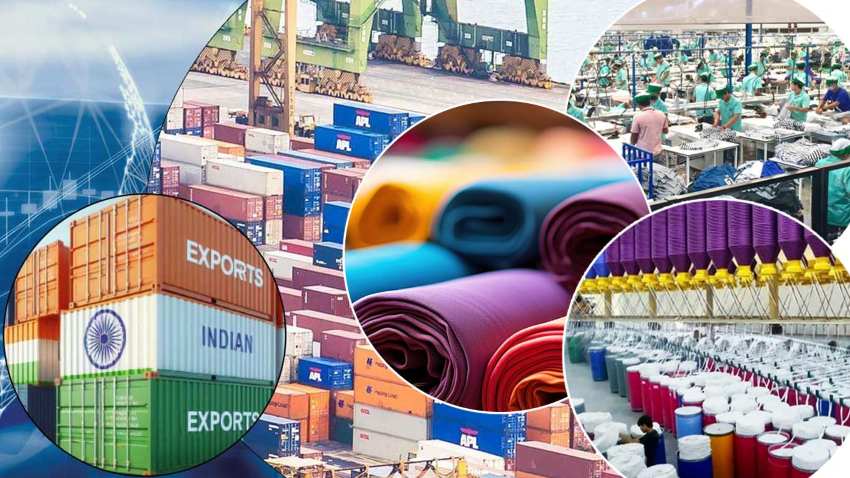
International apparel and textile supply chains are experiencing unprecedented regulatory pressure as the United States Trade Representative intensifies compliance training across more than 50 trading partners. Working alongside the Department of Labor and Customs and Border Protection, American trade officials are assisting emerging manufacturing economies in implementing strict import prohibitions on goods tied to forced labor. For global fashion brands relying on intricate, multi-tiered sourcing networks, this harmonization of international standards requires complete traceability from raw fiber production to finished garment delivery.
Tariff penalties drive rapid policy adoption
The enforcement mechanism gained significant momentum following Section 301 investigations that levied penalty tariffs of up to 12.5 per cent on economies failing to enforce adequate labor barriers. Consequently, twelve major manufacturing territories, including India, Bangladesh, and the European Union, enacted stringent import restrictions by mid-2026 to secure uninterrupted market access. Industry leaders warn, failure to provide bulletproof compliance documentation risks severe border detentions and financial penalties across major retail destinations.
Regulatory evolution and market access
Rooted in nearly a century of American trade legislation, contemporary forced-labor policy fundamentally ties regulatory compliance directly to international market access. By deploying coordinated technical assistance and strict tariff enforcement across key sourcing hubs, the United States aims to eliminate exploitative labor practices while compelling global apparel networks to prioritize absolute transparency and ethical manufacturing.