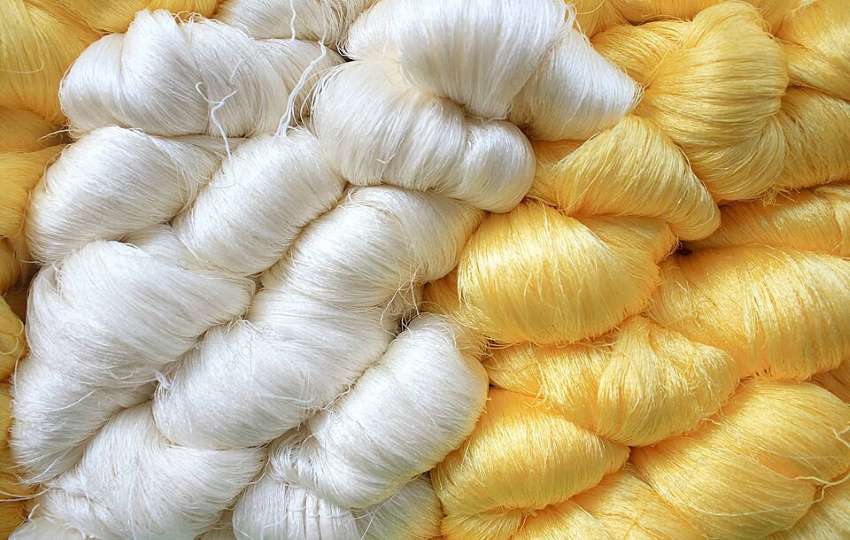
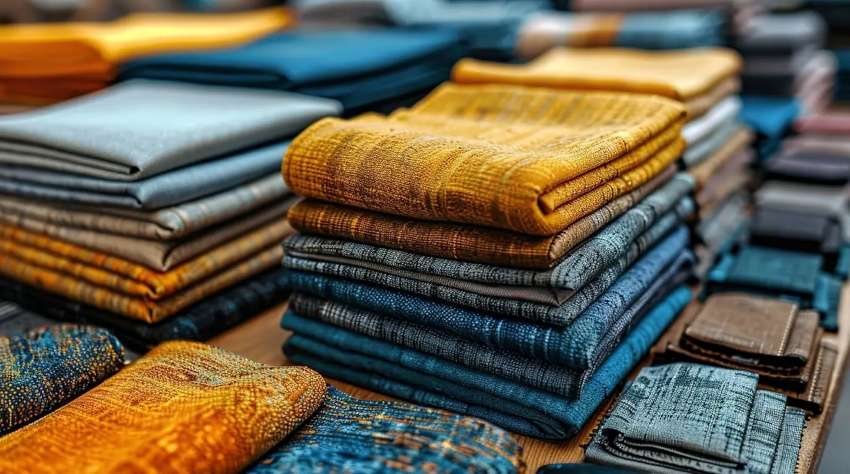
Cotton is a wonderfully versatile, all-natural fabric and is present in everything from bath towels and bed sheets to underwear, T-shirts, and socks. But cotton production is a mess. Fairtrade International argues that there’s such thing as better cotton, and shoppers should know the difference.
Fairtrade aims at reducing the social and environmental costs of cotton production. At a social level, genetic modification of cotton seeds has wreaked havoc in traditionally agrarian communities. In India, the second biggest cotton producer in the world after China, there has been a surge in farmer suicides. These tragic deaths are linked to genetically modified cotton and the ugly cycle of dependence on special seeds and chemicals. It’s estimated that, every 30 minutes, one farmer in India commits suicide, deep in debt and unable to provide for his family.
Environmentally, cotton growing is a disaster. Cotton accounts for 24 per cent of global sales of agricultural insecticides and uses a huge amount of water – approximately 20,000 liters of water are needed to produce one kilogram of cotton. Cotton production is linked to the destruction of the Aral Sea, the Indus River in Pakistan, the Murray-Darling Basin in Australia, and the Rio Grande in the US and Mexico.
Published in
Textiles
Tagged under

Latest from FW
- Europe cuts apparel volumes and prices, testing South Asian suppliers
- Amann Group expands Indian footprint with advanced manufacturing hub in Tamil Nadu
- Vietnam T&A sector targets $47.5 billion exports via advanced tech
- Uninterrupted power demands intensify as spinning mills confront escalating diesel generation costs
- Jeanologia expands Environmental Intelligence framework across textile supply chain