Brands and buyers in the EU want to make sure that workers in the readymade garment sector of Bangladesh are paid reasonable wages. Brands that buy from manufacturers in Bangladesh want to ensure they are buying from reputable factories and manufacturers, and consumers want to be confident that the products are made in good condition in terms of workplace safety.
Meanwhile, Bangladesh too wants to send out an emphatic message that remediation plans are in place after the series of workplace accidents and that the most dangerous factories are now closed. Europe is following the progress in the readymade garment sector, which it recognises as an immensely important industry for both Bangladesh and the EU. A team from EU has also asked Bangladesh about what has been done on labor rights in the export processing zones.
The European Union has been a very strong supporter of necessary changes in the readymade sector. Its desire is to play a part in making sure that a fair price is paid. The EU is Bangladesh’s main trading partner, accounting for around 12 per cent of Bangladesh’s total trade. EU imports from Bangladesh are dominated by clothing, accounting for around 90 per cent of the EU’s total imports from Bangladesh.

- 1
- 2
- 3
- 4
- 5
- 6
- 7
- 8
- 9
- 10
Cotton trade under pressure as war risks and tariff chaos raise apparel costs
The global textile and apparel industry is entering a high-stakes period of volatility as the ongoing Iran war creates a... Read more
Copenhagen GFA summit 2026 signals reset in global apparel finance
" " The global apparel, textile, and fiber manufacturing industries are entering a decisive phase of financial and operational realignment, as... Read more
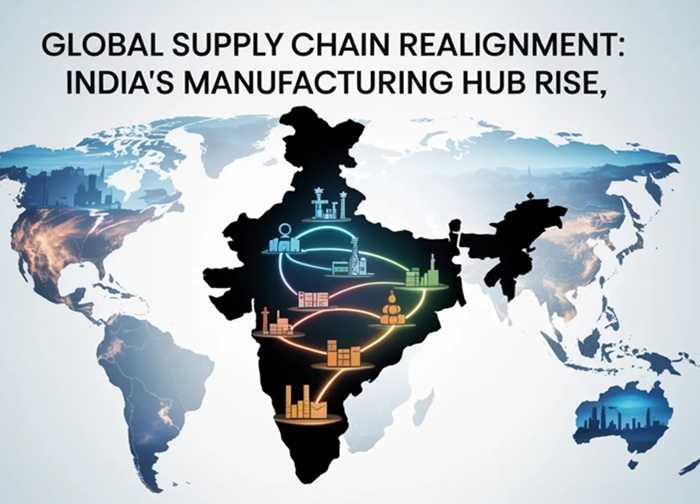
Global apparel supply chains realign as India navigates trade volatility
The global apparel and textile sector is experiencing a significant structural shift, as major manufacturers and retailers move away from... Read more
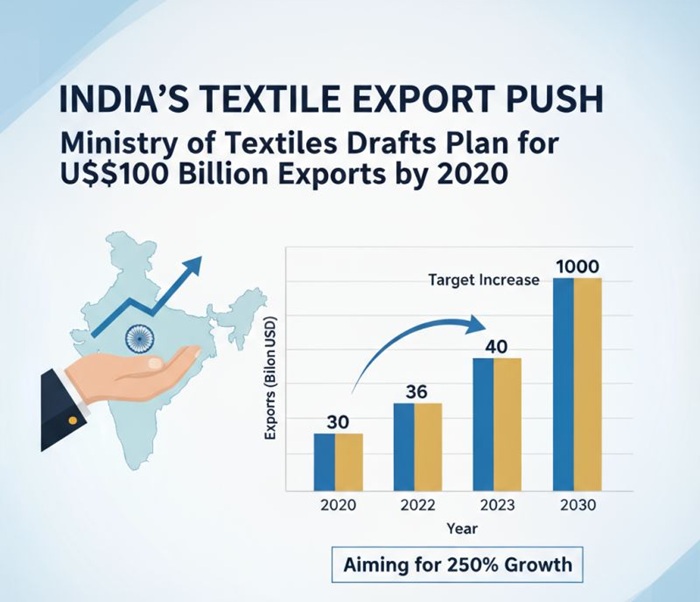
India’s textile sector targets global supply chain shift with $100 bn export pus…
As global brands push up efforts to diversify sourcing beyond traditional manufacturing hubs, India is repositioning its textile industry through... Read more
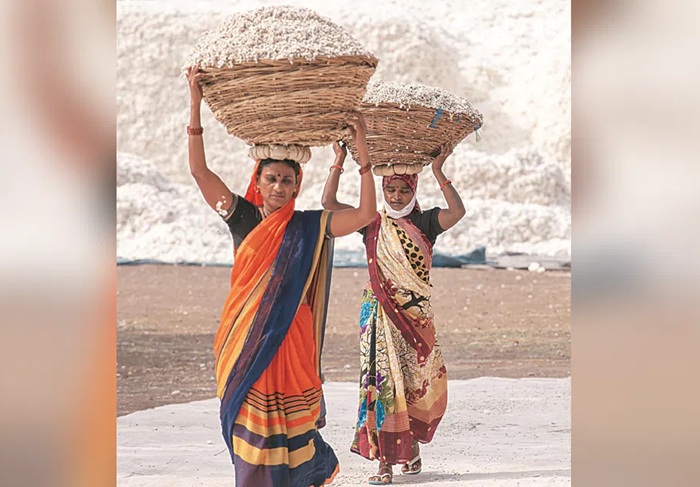
India balances farm interests and export ambitions with temporary cotton import …
" " The textile industry has received a policy reprieve after the Ministry of Finance eliminated the 11 per cent import... Read more
Global supply chain strain deepen as fashion brands tighten sourcing costs
The global apparel industry is dealing with growing sourcing tension as big fashion retailers intensify efforts to reduce procurement costs... Read more
From Voluntary to Mandatory: Asia’s manufacturing hubs lock in green compliance …
The multi-billion-dollar Asian apparel export market is entering a enforced sustainability era, where environmental and labour compliance is no longer... Read more
MediaVision report signals the end of mass-market fashion marketing
" " The latest MediaVision Q1 2026 Fashion Report highlights, the age of broad-spectrum marketing and passive brand awareness is rapidly... Read more
Circularity as Strategy: BRICS countries turn waste into competitive advantage
The global fashion industry’s long-standing take-make-dispose model is being reset as BRICS economies increase their transition toward circular production systems.... Read more
Amazon’s €15 bn bet on France and the future of commerce
As Europe’s luxury sector enters a phase of austerity, a parallel transformation is unfolding in the continent’s retail foundations. What... Read more