Latest data reveals, China's share of the value of EU clothing imports has declined steadily over the last five years to the benefit of South Asian countries, particularly in lower-end products. China’s leading position continued to be eroded by increasingly vigorous entry of other production zones, says a European Apparel and Textile Confederation (Euratex) bulletin.
In 2010, China's market share of EU textiles and clothing imports stood at 40.8 per cent. However, this had fallen to 35 per cent by 2015. Euratex explains that the tendency for China seemed to be more and more textile exports whose production was facilitated by more sophisticated and productive machinery, at the expense of garments which are much more labour intensive. The main beneficiary was the South Asian Association for Regional Cooperation (SAARC) zone – Bangladesh, India, Maldives, Nepal, Pakistan and Sri Lanka which has gone in the opposite direction to China since 2010.
From 19 per cent in 2010, SAARC’s market share of textiles and clothing imports rose to 24.6 per cent in 2015. The ASEAN (Association of Southeast Asian Nations) zone, which is smaller than the SAARC, showed enough drive and economic dynamism to grow its share of textile and clothing imports from 6 per cent in 2010 to 8.6 per cent in 2015. The Mediterranean countries, however, experienced the same scenario as China. Despite having long enjoyed the advantage of their proximity to the EU-28, and still a major supplier, their share contracted from more than 20 per cent in 2009 to 18 per cent last year.

- 1
- 2
- 3
- 4
- 5
- 6
- 7
- 8
- 9
- 10
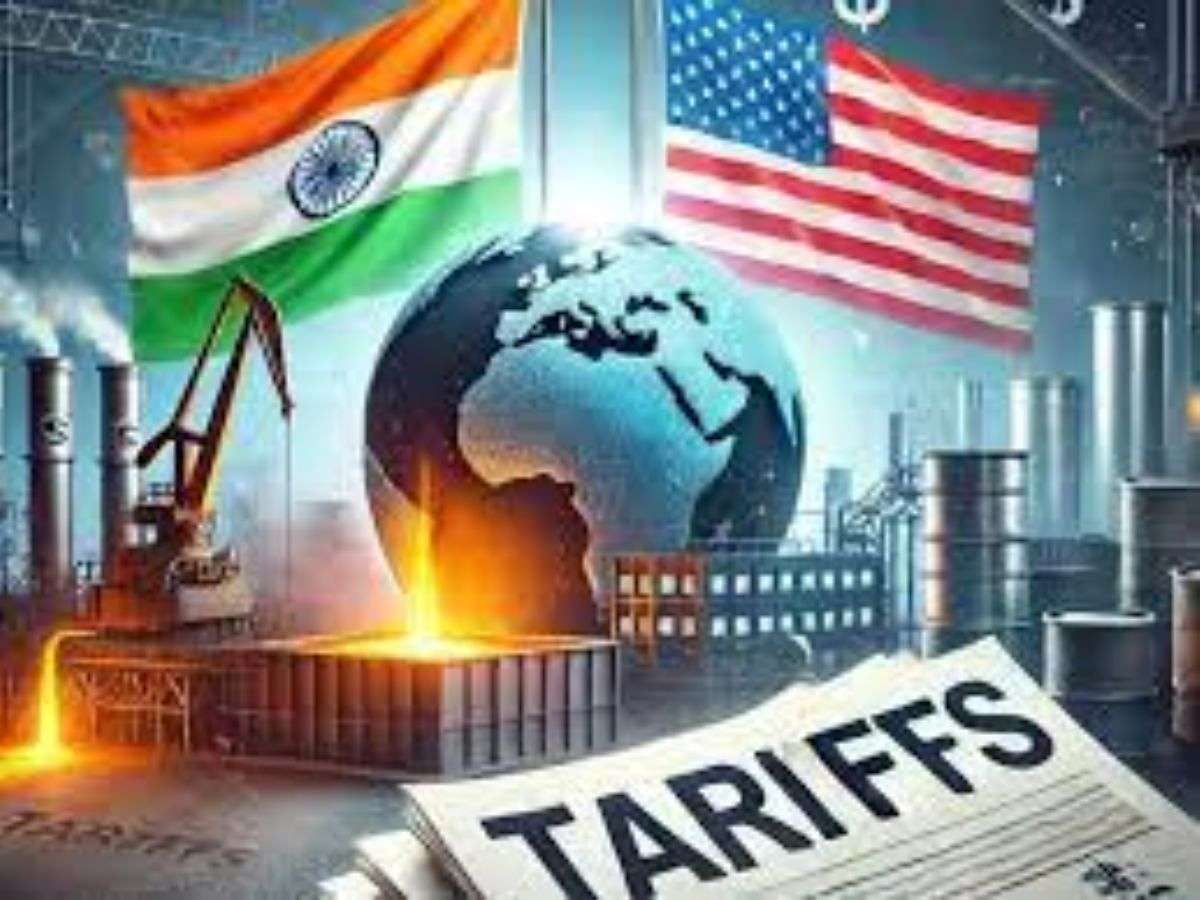
India’s apparel exporters face a new US tariff risk as margins shrink
The enactment of the Lindsey O. Graham sanctioning Russia and Iran Act of 2026 in Washington has introduced a fresh... Read more
Cellulosics challenge polyester dominance in global fibre market
The global textile raw-materials market has entered a phase where plant-based and regenerated cellulosic fibres have gain ground against fossil-fuel-derived... Read more
From cotton to MMF cost equation is rewriting global textile trade
The global textile and apparel trade has grown from $560 billion in 2006 to $914 billion in 2025, reveals the... Read more
Polyethylene stretch yarn challenges elastane’s hold on activewear
The global activewear, denim and intimate apparel markets have built a substantial business around stretch. But the same fibre combinations... Read more
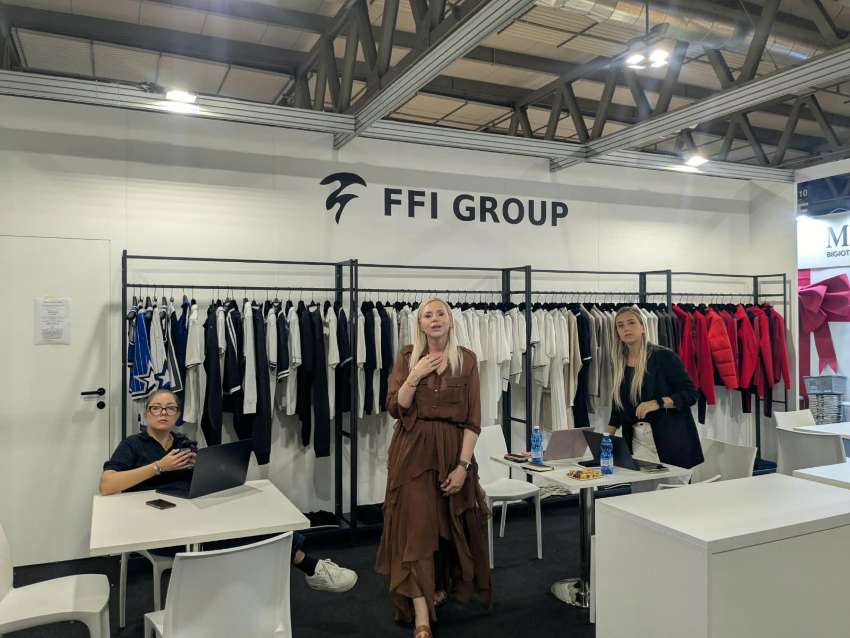
Automation Meets Italian Design: FFI Srl unveils ‘Next-Gen Robotics’ to help bra…
At the recently concluded autumn edition of Ready to Show inside Hall 10 at Fiera Milano-Rho—staged alongside the Milano Fashion... Read more
From Dhaka to Milan: Mascom Composite backs Southern Europe’s sports and lifesty…
While the trade floor of Ready to Show Milano inside Hall 10 at Fiera Milano-Rho placed a heavy spotlight on... Read more
How surging silver prices are reshaping ‘Mid-Tier’ fashion jewellery
Escalating global bullion volatility and raw material pricing pressures are forcing a fundamental reassessment across the mid-tier fashion jewellery trade.... Read more
Milano Fashion & Jewels: How ‘Re-Engineered’ heritage crafts are driving hig…
A counter-movement against industrial uniformity is reshaping European bijouterie, transforming authentic craftsmanship into a powerful lever for high-margin boutique growth.... Read more
Filo 66: Upstream Realism, Bio-Synthesis, and Cross-Border Alliances anchor Euro…
Navigating macroeconomic uncertainty, persistent raw material volatility, and fragile consumer sentiment, the 66th edition of Filo (September 15–16, 2026, at... Read more
The "Total Look" Retail Revolution: The integration of jewellery, acce…
The conventional boundaries separating fashion jewellery, ready-to-wear and leather goods, have collapsed on the international retail floor. At the September... Read more