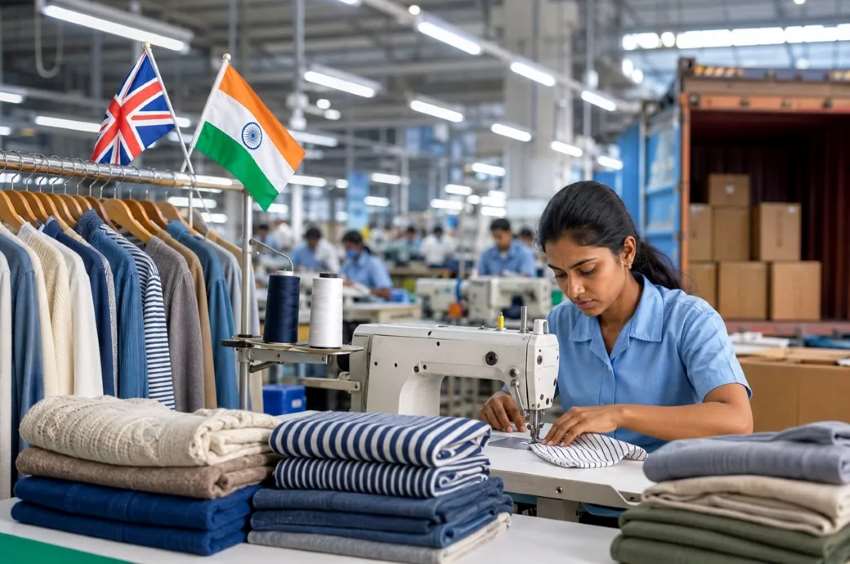
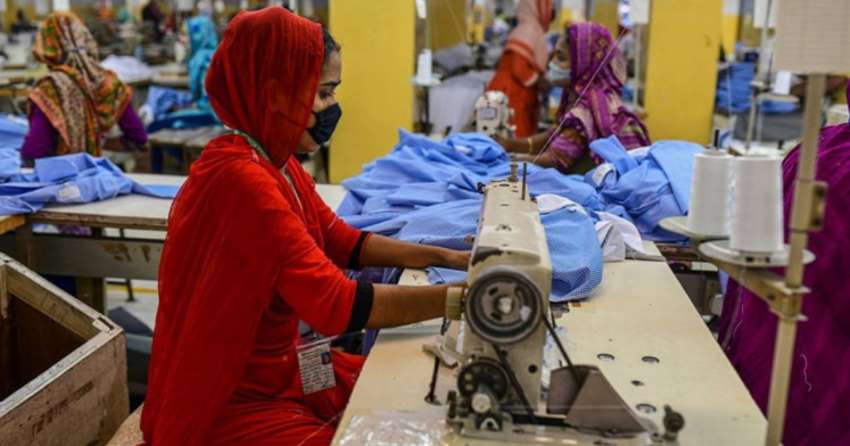
Indian companies are seeking better opportunities in Bangladesh. Bangladesh’s economic dependency on apparel exports is the major reason that attracts many companies to Bangladesh. For instance, there is scope for exporters in Bangladesh to explore possibilities in embroidery.
Garment manufacturers in Bangladesh have faith in Indian products and in some cases have given priority to Indian companies compared to Chinese. Though there are already technology suppliers in Bangladesh, Indian companies are confident of success due to various reasons like quality product, service, and customized solutions. This is especially true of companies which are into trims or allied products like self-adhesive tapes, self-adhesive labels, holograms, barcodes etc.
GTN Industries, based in Hyderabad, has been in Bangladesh for more than 10 years and is working with top clients. The company supplies high-quality yarns like premium 100 per cent supima cotton and more. Out of its total production, the company sends around 20 per cent to Bangladesh. For the last two years, the company has been focusing on mercerised yarn in Bangladesh and thinks this market will grow in future.
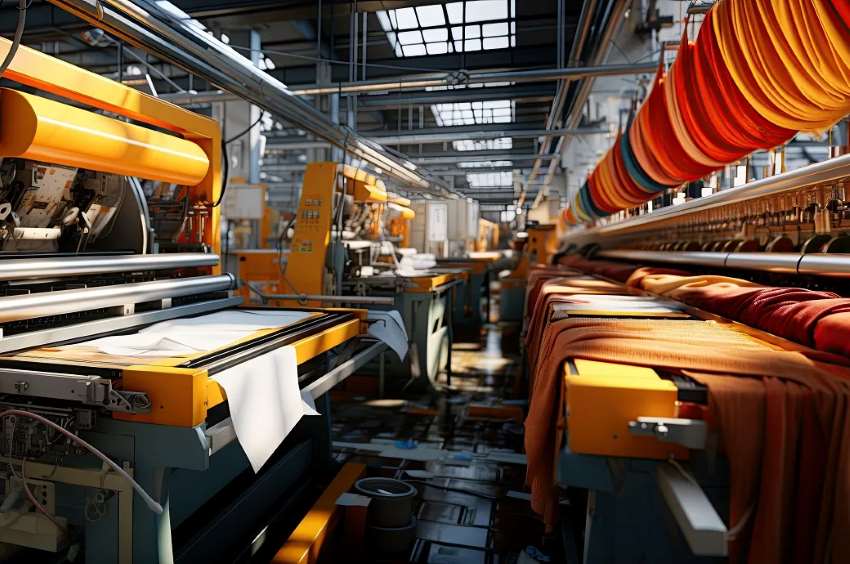
Cheran Machines, based in Coimbatore, a manufacturer, supplier and exporter of garment and textile printing machineries, is also focusing on Bangladesh market.

- 1
- 2
- 3
- 4
- 5
- 6
- 7
- 8
- 9
- 10
India’s $9 Billion Landfill Blind Spot How trashed clothes hold the key to globa…
A massive economic windfall is sitting uncollected in India’s landfills, and the key to unlocking it lies in rethinking how... Read more
Red Sea crisis reshapes textile trade routes, challenges India’s export margins,…
Global apparel trade is now in a new operational phase where geopolitical stability and logistics reliability are as important as... Read more
EU’s textile waste rules enter enforcement phase, raising alarms across fashion …
Europe’s apparel and textile industry is approaching one of its most significant regulatory transitions in decades. As the European Union... Read more
Corporate fashion adopts reverse logistics to unlock the $367 bn resale market
Global fashion retailers are rapidly changing their business models around resale, repair, and textile recovery as the secondhand apparel market... Read more
Tariff Shock 2026: Forced-labor enforcement is repricing global fashion trade
Washington’s latest trade intervention signals a break in the global apparel sourcing patterns. The Office of the United States Trade... Read more
Circular Samvaad 2.0 aims to transform Indian textiles from linear waste to glob…
On the occasion of World Environment Day, industry leaders, policymakers, and international experts gathered in the capital yesterday for Circular... Read more
From Sentiment to Sustainability: How Mumbai’s ‘Mega Post Textile Waste Initiat…
Walk into almost any Indian household, and you will find wardrobes harboring clothes that haven’t been worn in years. They... Read more
CMAI launches new initiative to combat waste and formalize textile recovery acro…
In a landmark move to address the mounting crisis of post-consumer textile waste, the Clothing Manufacturers Association of India (CMAI)... Read more
Trends-Fabrics (Denim-Kidswear) trends for Spring/Summer 2026-27 by Drapers
For the Spring/Summer 2026-27 season, the kidswear denim market is defined by a shift toward lightweight comfort, playful aesthetics, and... Read more
Cost spiral across fibers, chemicals and logistics squeezes India’s apparel expo…
India’s textile manufacturing sector has entered one of its most financially strained periods in recent years as increasing fiber, yarn,... Read more