A report that highlighted leading luxury and fast-fashion brands for lack of visibility in their supply chains has been roundly criticised by companies themselves as well as other nongovernmental organizations involved with workers’ rights and supply chain issues. The report by the London-based group called Fashion Revolution and Ethical Consumer, which is a nonprofit magazine and Web site, created a Fashion Transparency Index that ranked more than 40 global retail companies based on their level of transparency and support of workers’ rights. Based on its own rankings, the group criticised luxury brands including Chanel, Hermès, Prada and Louis Vuitton for what it claimed was a lack of transparency, while praising Levi Strauss, Inditex, Nike, H&M and Adidas. The critical study was reported online by Vice and also picked up by Vogue.com.
Incidentally, the index was based on a methodology that immediately stirred criticism. WWD contacted a series of industry organizations that work on sustainability initiatives but they declined to comment. A spokesperson from one of the organizations said it is really hard to comment on research that is so poorly executed and tells us nothing.
The group said that in the report that it received 10 questionnaires from brands and retailers out of a total of 40 that were sent to companies. While 10 of the companies received scores based on their replies to the questionnaires and other publicly available information, the other 30 companies were scored based solely on publicly available information on Web sites and in annual reports, from which the group’s researchers drew their own conclusions.

- 1
- 2
- 3
- 4
- 5
- 6
- 7
- 8
- 9
- 10
Europe cuts apparel volumes and prices, testing South Asian suppliers
European apparel sourcing entered 2026 under simultaneous volume and price pressure, forcing suppliers to absorb a decline that is reshaping... Read more
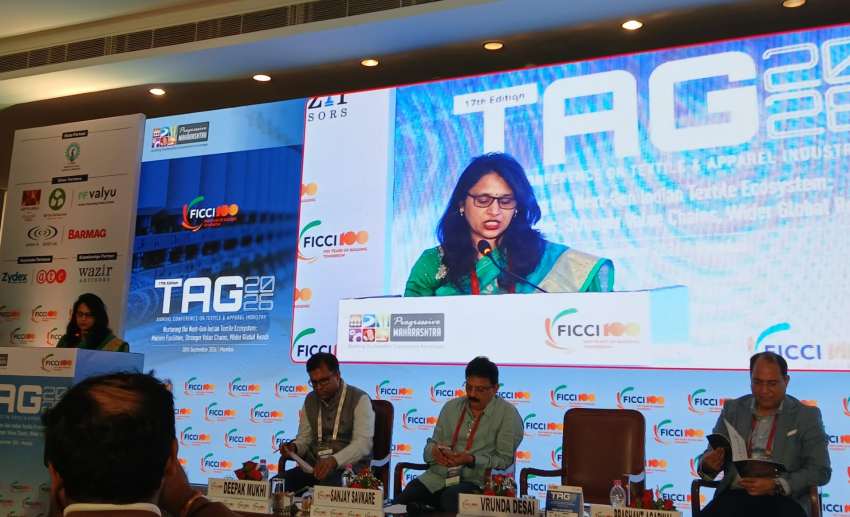
FICCI-TAG 2026: Mandatory reporting & Textile ID rolled out; Non-Compliance …
In a stern regulatory announcement aimed at creating a robust statistical backbone for India's textile sector, Textile Commissioner Vrunda Manohar... Read more
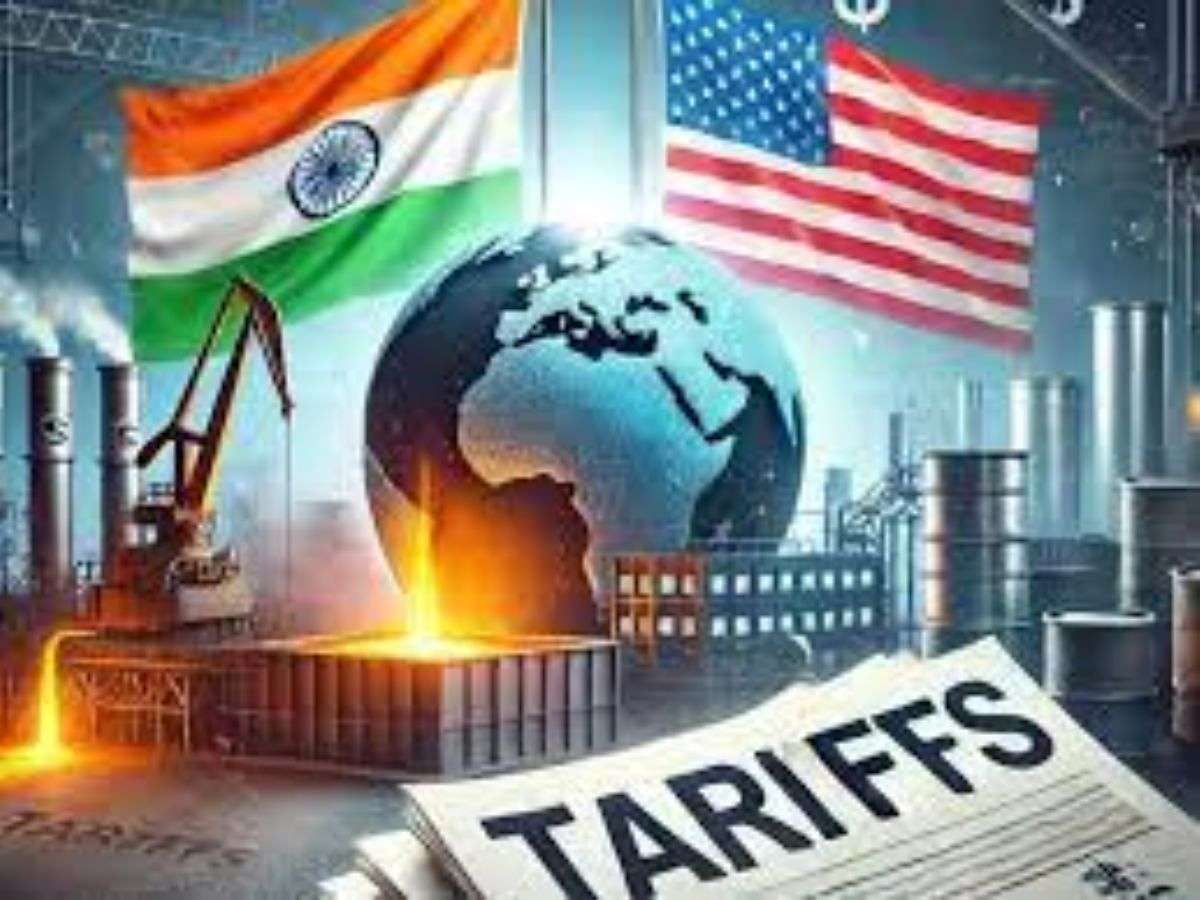
India’s apparel exporters face a new US tariff risk as margins shrink
The enactment of the Lindsey O. Graham sanctioning Russia and Iran Act of 2026 in Washington has introduced a fresh... Read more
Cellulosics challenge polyester dominance in global fibre market
The global textile raw-materials market has entered a phase where plant-based and regenerated cellulosic fibres have gain ground against fossil-fuel-derived... Read more
From cotton to MMF cost equation is rewriting global textile trade
The global textile and apparel trade has grown from $560 billion in 2006 to $914 billion in 2025, reveals the... Read more
Polyethylene stretch yarn challenges elastane’s hold on activewear
The global activewear, denim and intimate apparel markets have built a substantial business around stretch. But the same fibre combinations... Read more
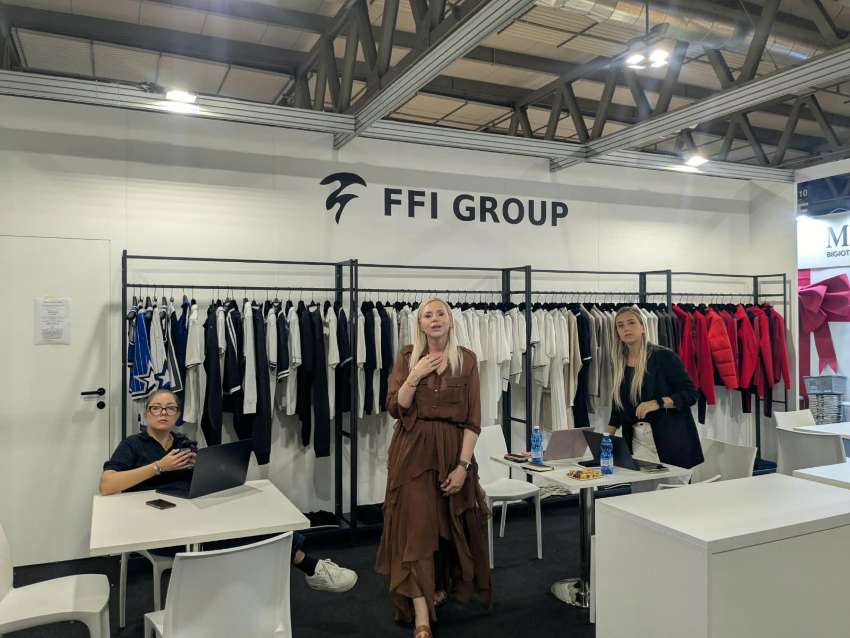
Automation Meets Italian Design: FFI Srl unveils ‘Next-Gen Robotics’ to help bra…
At the recently concluded autumn edition of Ready to Show inside Hall 10 at Fiera Milano-Rho—staged alongside the Milano Fashion... Read more
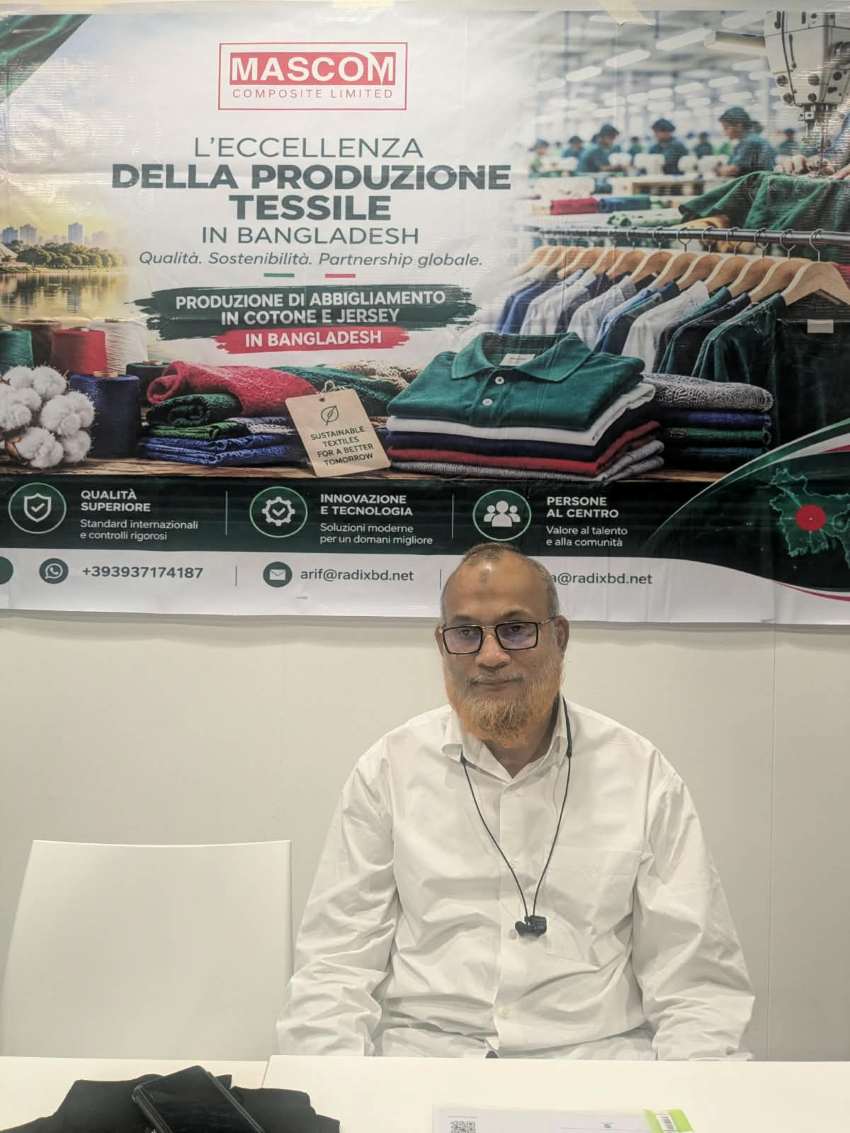
From Dhaka to Milan: Mascom Composite backs Southern Europe’s sports and lifesty…
While the trade floor of Ready to Show Milano inside Hall 10 at Fiera Milano-Rho placed a heavy spotlight on... Read more
How surging silver prices are reshaping ‘Mid-Tier’ fashion jewellery
Escalating global bullion volatility and raw material pricing pressures are forcing a fundamental reassessment across the mid-tier fashion jewellery trade.... Read more
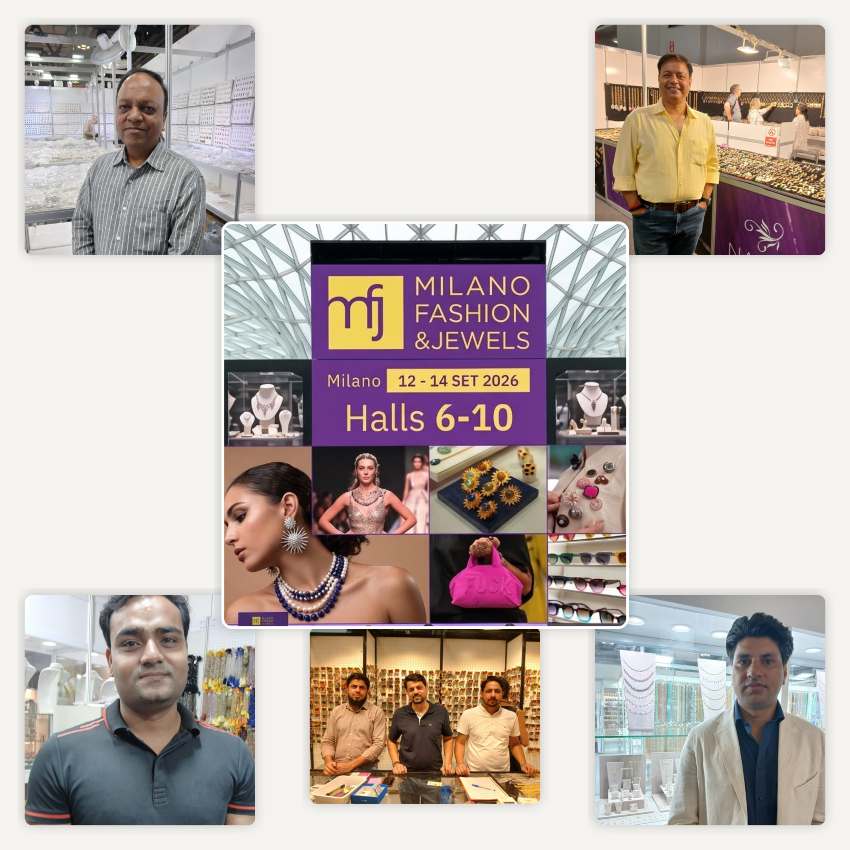
Milano Fashion & Jewels: How ‘Re-Engineered’ heritage crafts are driving hig…
A counter-movement against industrial uniformity is reshaping European bijouterie, transforming authentic craftsmanship into a powerful lever for high-margin boutique growth.... Read more