More than a 100 readymade garment factories in Bangladesh are operating in risky buildings despite an order to vacate buildings that put the lives of workers at risk. After the Rana Plaza building collapse that killed more than 1,100 people, mostly garment workers, some 2,000 garment factories have been inspected by Accord, Alliance and some 1500 factories by the government-ILO joint move.
More than 80 per cent remediation has so far been completed in Accord and Alliance-listed garment factories but the progress is slow in factories under national initiative. During initial inspection on structural integrity, fire and electrical safety conducted by western retailers' two platforms -- Accord and Alliance and the national initiative -- soon after the Rana Plaza tragedy in 2013, a total of 163 garment factories were found running in risky buildings. They were asked to relocate but only 39 factories complied.
Even after the 39 garment units relocated, the building authorities allowed other establishments to run businesses despite an order not to use the structures for any commercial purposes until required safety measures were put in place. Factory and building owners have been repeatedly asked not to use buildings without retrofitting or renovating them.

- 1
- 2
- 3
- 4
- 5
- 6
- 7
- 8
- 9
- 10
Europe cuts apparel volumes and prices, testing South Asian suppliers
European apparel sourcing entered 2026 under simultaneous volume and price pressure, forcing suppliers to absorb a decline that is reshaping... Read more
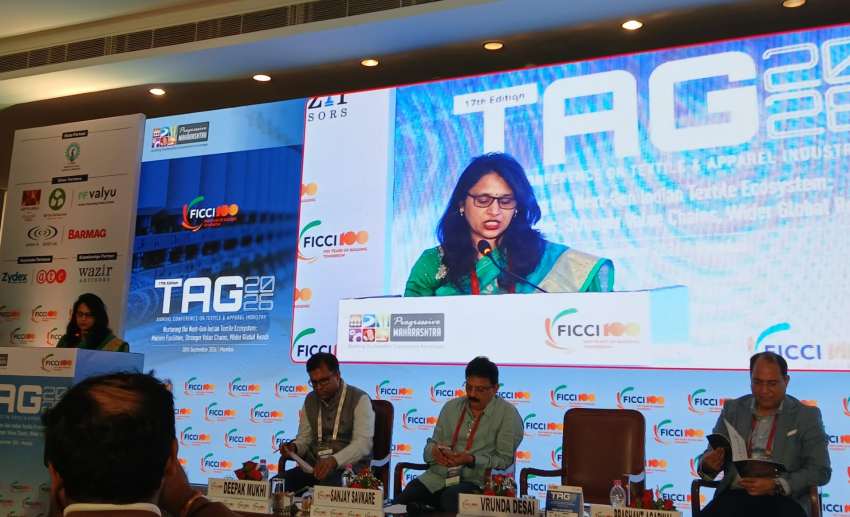
FICCI-TAG 2026: Mandatory reporting & Textile ID rolled out; Non-Compliance …
In a stern regulatory announcement aimed at creating a robust statistical backbone for India's textile sector, Textile Commissioner Vrunda Manohar... Read more
India’s apparel exporters face a new US tariff risk as margins shrink
The enactment of the Lindsey O. Graham sanctioning Russia and Iran Act of 2026 in Washington has introduced a fresh... Read more
Cellulosics challenge polyester dominance in global fibre market
The global textile raw-materials market has entered a phase where plant-based and regenerated cellulosic fibres have gain ground against fossil-fuel-derived... Read more
From cotton to MMF cost equation is rewriting global textile trade
The global textile and apparel trade has grown from $560 billion in 2006 to $914 billion in 2025, reveals the... Read more
Polyethylene stretch yarn challenges elastane’s hold on activewear
The global activewear, denim and intimate apparel markets have built a substantial business around stretch. But the same fibre combinations... Read more
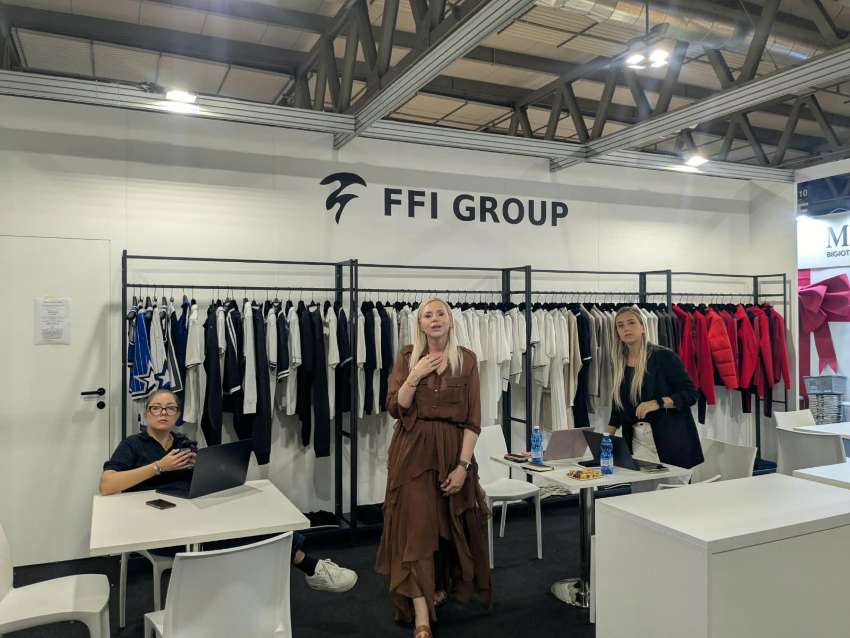
Automation Meets Italian Design: FFI Srl unveils ‘Next-Gen Robotics’ to help bra…
At the recently concluded autumn edition of Ready to Show inside Hall 10 at Fiera Milano-Rho—staged alongside the Milano Fashion... Read more
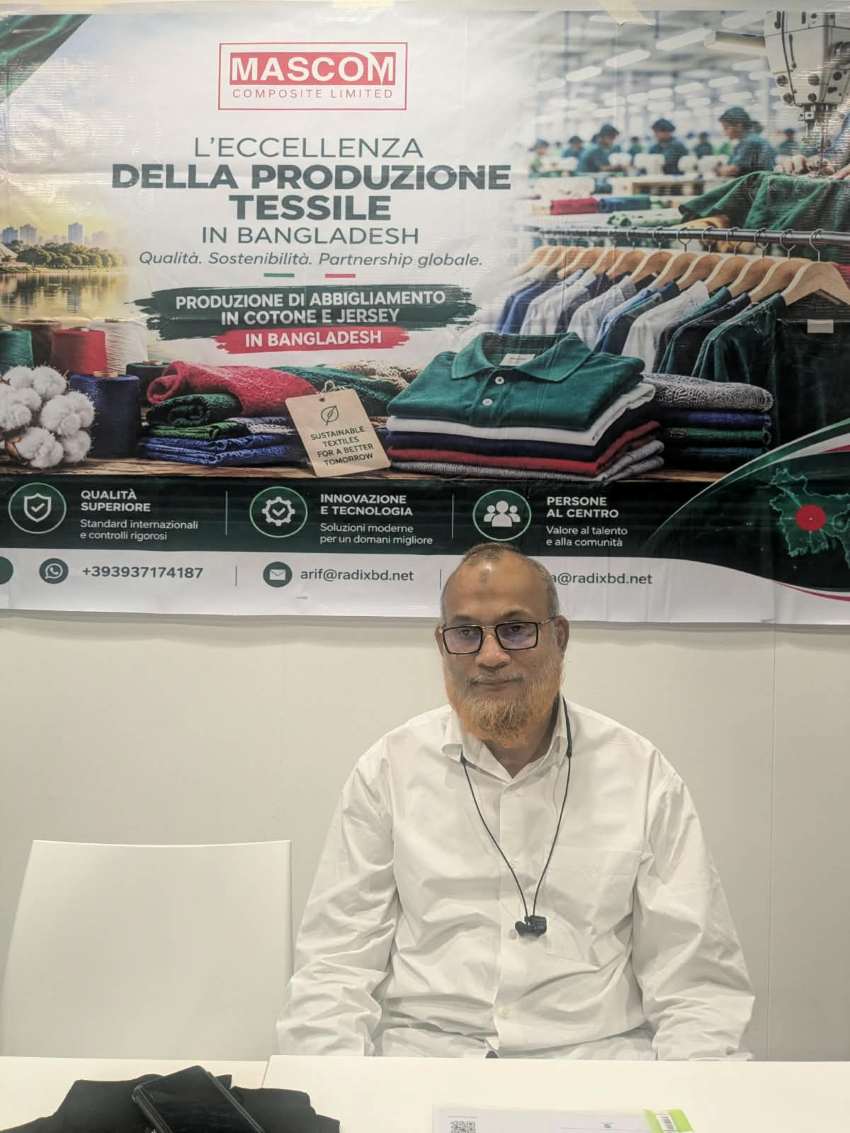
From Dhaka to Milan: Mascom Composite backs Southern Europe’s sports and lifesty…
While the trade floor of Ready to Show Milano inside Hall 10 at Fiera Milano-Rho placed a heavy spotlight on... Read more
How surging silver prices are reshaping ‘Mid-Tier’ fashion jewellery
Escalating global bullion volatility and raw material pricing pressures are forcing a fundamental reassessment across the mid-tier fashion jewellery trade.... Read more
Milano Fashion & Jewels: How ‘Re-Engineered’ heritage crafts are driving hig…
A counter-movement against industrial uniformity is reshaping European bijouterie, transforming authentic craftsmanship into a powerful lever for high-margin boutique growth.... Read more