Bangladesh is likely to grow at a rate of 7.5 per cent in the ongoing fiscal year.
Domestic demand will be the main driver of this growth. Steps have been taken to ensure a fair wage and better working environment for workers in the readymade garment sector.
There are a number of challenges for the economy that can impact its growth in the short and long term. One is the high interest rate on bank loans, which is causing a massive capital flight from the country. Also, there is a possibility of global economic instability once Brexit gets implemented. This can have a negative impact on the country’s economy. In addition, the price of oil may increase further in the near future due to global economic unrest. At the same time, there are possibilities of job losses in the readymade garment sector due to technological changes, which may put the national economy at further risk.
But although the ongoing US-China trade war may have some negative impact on the economy, the country can benefit from this trade war by taking appropriate initiatives. Increased diversification of export items can increase Bangladesh’s share in the global trade. At the same time, the country needs to tap into the increased domestic demand to continue the growth momentum.

- 1
- 2
- 3
- 4
- 5
- 6
- 7
- 8
- 9
- 10
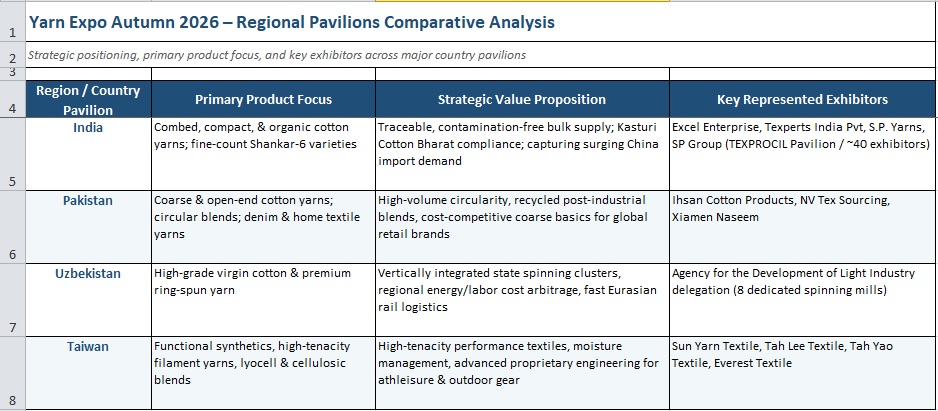
Regional pavilions compete on fiber strengths and supply chain niches at Yarn Ex…
The trade floor at Yarn Expo Autumn 2026 in Shanghai reflected a clear segmentation of the global upstream textile market,... Read more
Inside activewear's shift from stitched mesh to precision engineered textiles
The global functional apparel market, on track to touch $640 billion, is looking at a production shift as activewear manufacturers... Read more
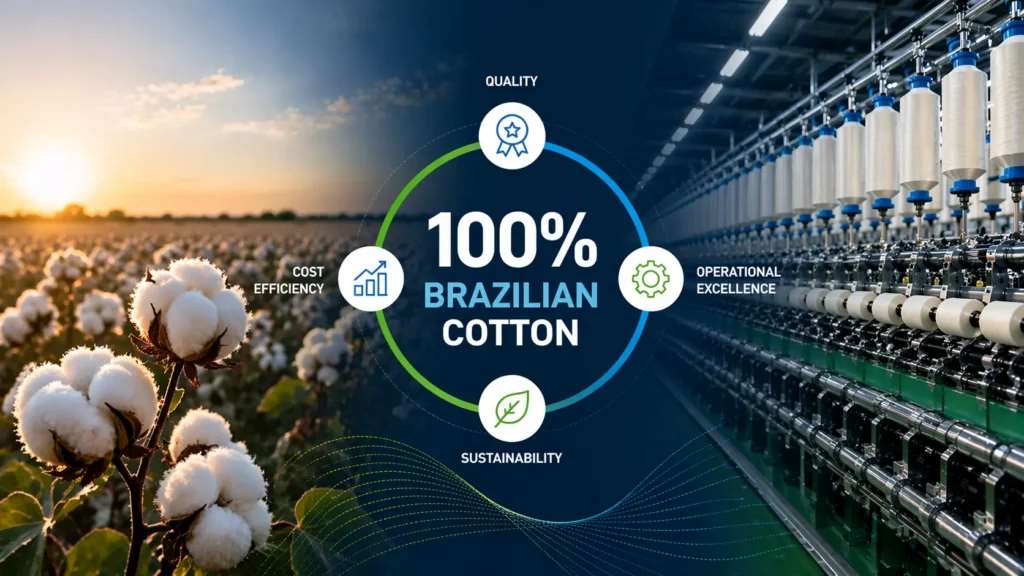
Brazil’s cotton dominance puts Asian spinners on a new sourcing map
Brazil’s emergence as the world’s largest cotton exporter is no longer simply an agricultural success story. It has given a... Read more
Textile industry sees long-term growth but $100-bn export goal stays a stretch: …
India’s textile and apparel industry is entering a phase of optimism, but that confidence is tempered by a hard export... Read more
Apparel trade slumps as global textile mills move upstream
Global manufacturing is growing, but finished apparel is failing to capture that growth. United Nations Industrial Development Organization (UNIDO) data... Read more
Global apparel value chain converges in Shanghai as Intertextile Autumn 2026 ope…
The global apparel and textile community gathered in full force yesterday, August 25, 2026, as the Autumn Edition of Intertextile... Read more
Trade pacts, integrated manufacturing power India’s textile export ambitions
Global apparel sourcing is entering a new phase in which resilience, compliance and manufacturing depth matter as much as cost... Read more
Next-gen digital Indigo systems redefine textile manufacturing economics
The global textile sector is experiencing a structural shift as industrial-scale digital dyeing technologies replace traditional indigo vats in major... Read more
Fashion retail’s physical comeback, stores become experience hubs
Online shopping has permanently altered fashion consumption, making convenience, algorithmic recommendations, endless assortment and doorstep delivery standard expectations. Yet the... Read more
India reworks apparel export strategy as US tariffs squeeze margins
As tariff volatility, shorter retail buying cycles and aggressive price negotiations in the US expose weaknesses in the country’s traditional... Read more