Bangladesh will set up three footwear and leather goods industrial parks. The aim is to meet local demand for footwear and leather goods as well as to boost export earnings. Investments in these three proposed industrial parks will highlight industries like footwear and leather goods especially handbags, belts and wallets.
There is a huge demand for footwear and leather goods in Bangladesh and a big chunk of these goods is being imported from China. This initiative is expected to lower reliance on imports. Each of the three industrial parks will be environment-friendly, having a competitive edge and with international standards where there will be facilities for a training institute, CETP and other facilities.
Exports of leather and leather goods from Bangladesh have rebounded after more than two years due to higher shipments to non-traditional markets. The value addition to leather products is another reason behind the positive export trend. Work orders are expected to further increase after a certification is attained from the global rights body Labor Working Group. The LWG certification is awarded to companies based on points awarded for factors such as treatment and less use of water, solid waste management, chemical use and labor welfare.

- 1
- 2
- 3
- 4
- 5
- 6
- 7
- 8
- 9
- 10
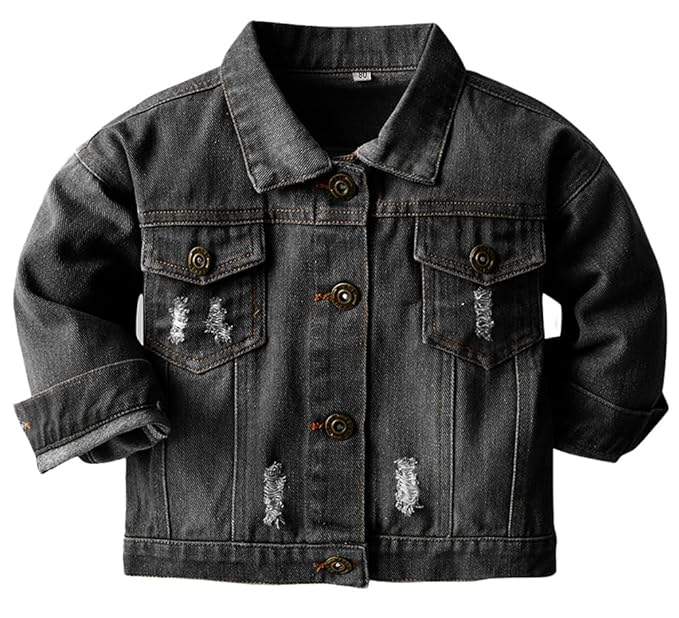
Trends-Fabrics (Denim-Kidswear) trends for Spring/Summer 2026-27 by Drapers
For the Spring/Summer 2026-27 season, the kidswear denim market is defined by a shift toward lightweight comfort, playful aesthetics, and... Read more
Cost spiral across fibers, chemicals and logistics squeezes India’s apparel expo…
India’s textile manufacturing sector has entered one of its most financially strained periods in recent years as increasing fiber, yarn,... Read more
How India’s textile recycling network is becoming a global ESG blueprint
India’s textile industry is mounting an aggressive defence against growing international criticism that developing economies are becoming dumping grounds for... Read more
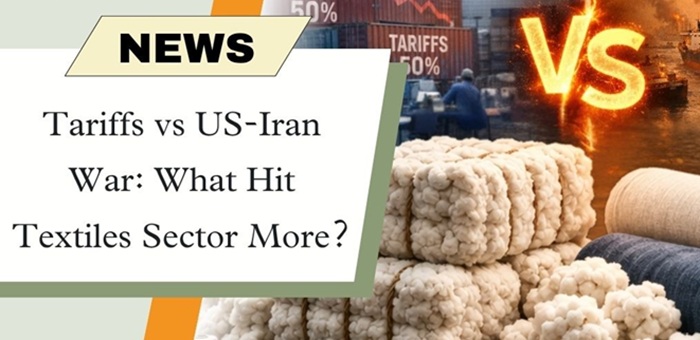
Cotton trade under pressure as war risks and tariff chaos raise apparel costs
The global textile and apparel industry is entering a high-stakes period of volatility as the ongoing Iran war creates a... Read more
Copenhagen GFA summit 2026 signals reset in global apparel finance
" " The global apparel, textile, and fiber manufacturing industries are entering a decisive phase of financial and operational realignment, as... Read more
Global apparel supply chains realign as India navigates trade volatility
The global apparel and textile sector is experiencing a significant structural shift, as major manufacturers and retailers move away from... Read more
India’s textile sector targets global supply chain shift with $100 bn export pus…
As global brands push up efforts to diversify sourcing beyond traditional manufacturing hubs, India is repositioning its textile industry through... Read more
India balances farm interests and export ambitions with temporary cotton import …
" " The textile industry has received a policy reprieve after the Ministry of Finance eliminated the 11 per cent import... Read more
Global supply chain strain deepen as fashion brands tighten sourcing costs
The global apparel industry is dealing with growing sourcing tension as big fashion retailers intensify efforts to reduce procurement costs... Read more
From Voluntary to Mandatory: Asia’s manufacturing hubs lock in green compliance …
The multi-billion-dollar Asian apparel export market is entering a enforced sustainability era, where environmental and labour compliance is no longer... Read more