The Bangladesh readymade garment industry is undoubtedly safer, and lives have been saved. After the 2013 Rana Plaza tragedy, global apparel brands no longer ignore dangerous working conditions at their supplier factories.
The Bangladesh Accord on Fire and Building was an unprecedented, independent, legally binding agreement between trade unions and brands. Expert fire and building safety engineers working for Bangladesh Accord have inspected more than 1,600 factories making garments for over 200 brands and retailers. Initial inspections identified 1,18,500 fire, electrical and structural hazards of which 84 per cent have been corrected. The Accord training team has conducted 2,838 safety committee training sessions with workers at over 1,000 factories.
Five years on, Bangladesh Accord stands as a model for industrial relations, and shows that brands and unions can work together to solve systemic problems. However, the work of the accord, which expired at the end of May 2018, is not complete. Too many life-threatening hazards at supplier factories remain, which is why more than 180 brands have signed the new Transition Accord.
This accord has greater scope to cover home textiles and footwear and, crucially, gives more power to workers. The new agreement recognises workers are not peripheral to the due diligence process, but core to it. It upholds the importance of freedom of association in ensuring workers have a genuine say in protecting their own safety. It will also establish a training and complaints protocol to ensure that this right is respected.

- 1
- 2
- 3
- 4
- 5
- 6
- 7
- 8
- 9
- 10
Europe cuts apparel volumes and prices, testing South Asian suppliers
European apparel sourcing entered 2026 under simultaneous volume and price pressure, forcing suppliers to absorb a decline that is reshaping... Read more
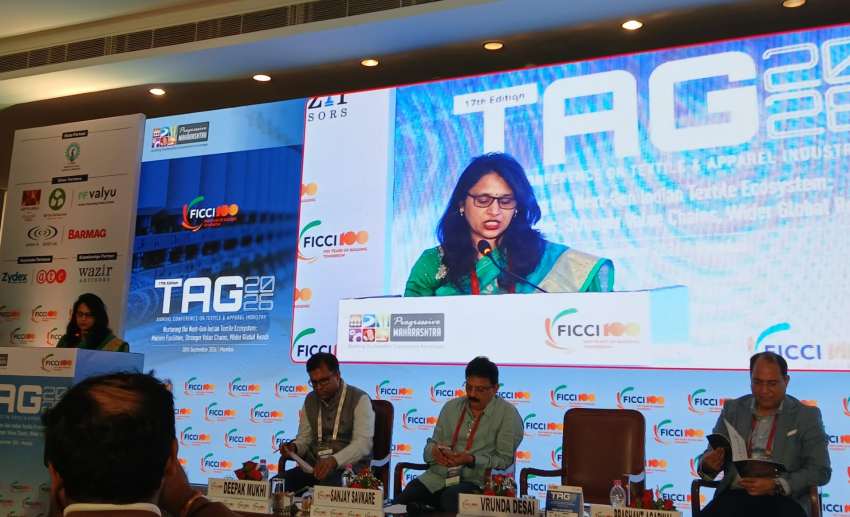
FICCI-TAG 2026: Mandatory reporting & Textile ID rolled out; Non-Compliance …
In a stern regulatory announcement aimed at creating a robust statistical backbone for India's textile sector, Textile Commissioner Vrunda Manohar... Read more
India’s apparel exporters face a new US tariff risk as margins shrink
The enactment of the Lindsey O. Graham sanctioning Russia and Iran Act of 2026 in Washington has introduced a fresh... Read more
Cellulosics challenge polyester dominance in global fibre market
The global textile raw-materials market has entered a phase where plant-based and regenerated cellulosic fibres have gain ground against fossil-fuel-derived... Read more
From cotton to MMF cost equation is rewriting global textile trade
The global textile and apparel trade has grown from $560 billion in 2006 to $914 billion in 2025, reveals the... Read more
Polyethylene stretch yarn challenges elastane’s hold on activewear
The global activewear, denim and intimate apparel markets have built a substantial business around stretch. But the same fibre combinations... Read more
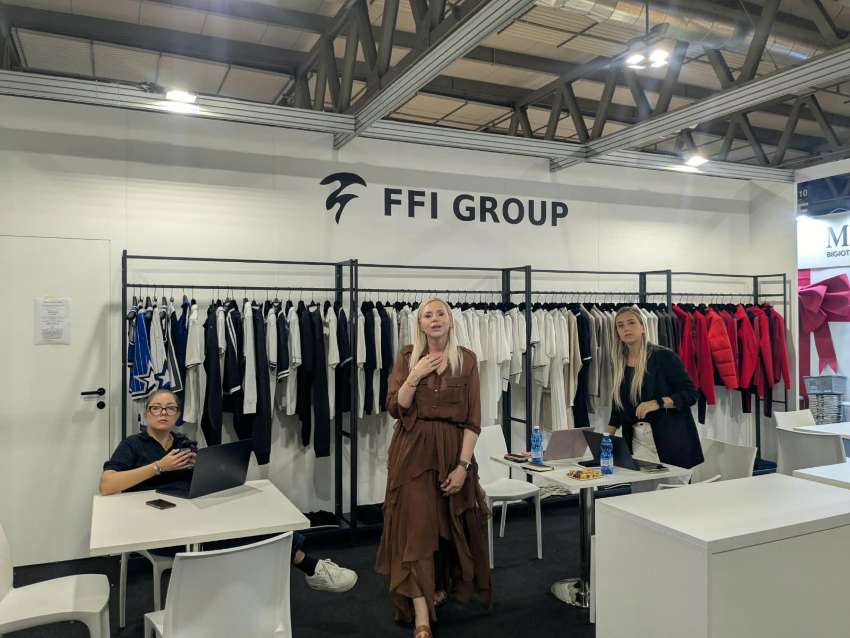
Automation Meets Italian Design: FFI Srl unveils ‘Next-Gen Robotics’ to help bra…
At the recently concluded autumn edition of Ready to Show inside Hall 10 at Fiera Milano-Rho—staged alongside the Milano Fashion... Read more
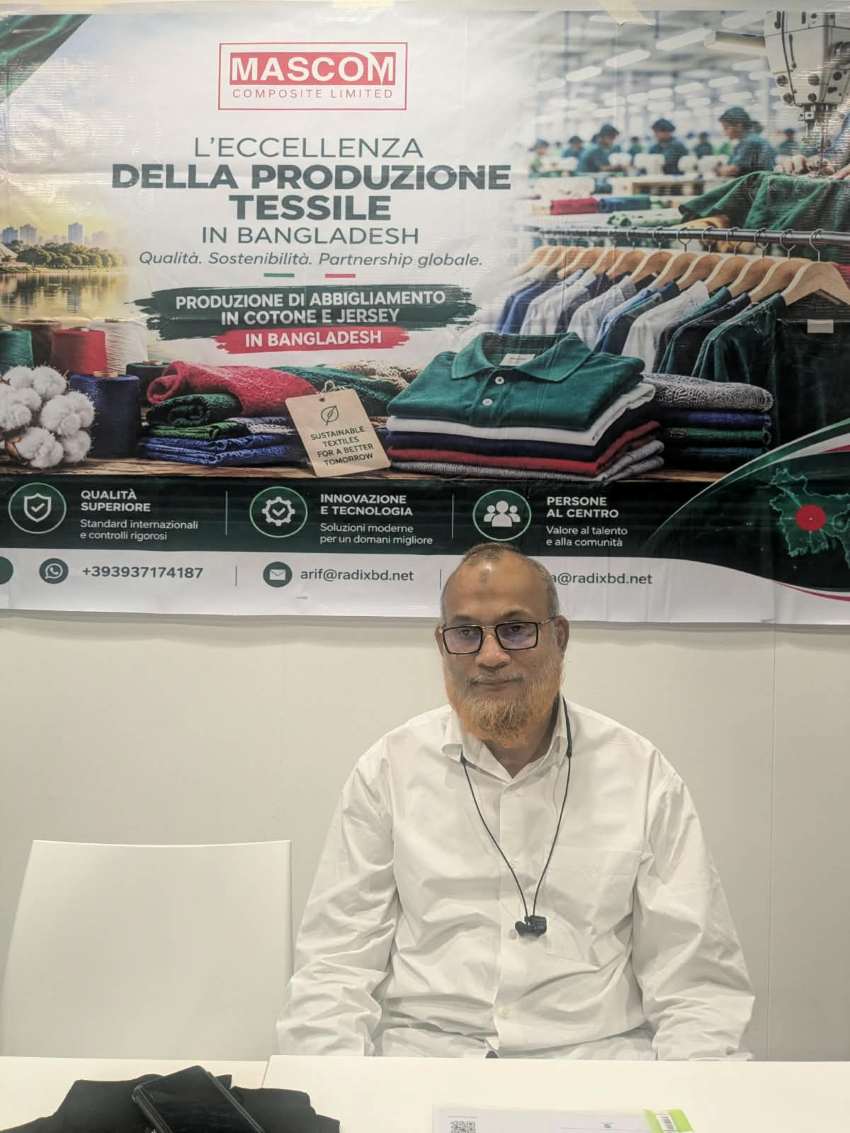
From Dhaka to Milan: Mascom Composite backs Southern Europe’s sports and lifesty…
While the trade floor of Ready to Show Milano inside Hall 10 at Fiera Milano-Rho placed a heavy spotlight on... Read more
How surging silver prices are reshaping ‘Mid-Tier’ fashion jewellery
Escalating global bullion volatility and raw material pricing pressures are forcing a fundamental reassessment across the mid-tier fashion jewellery trade.... Read more
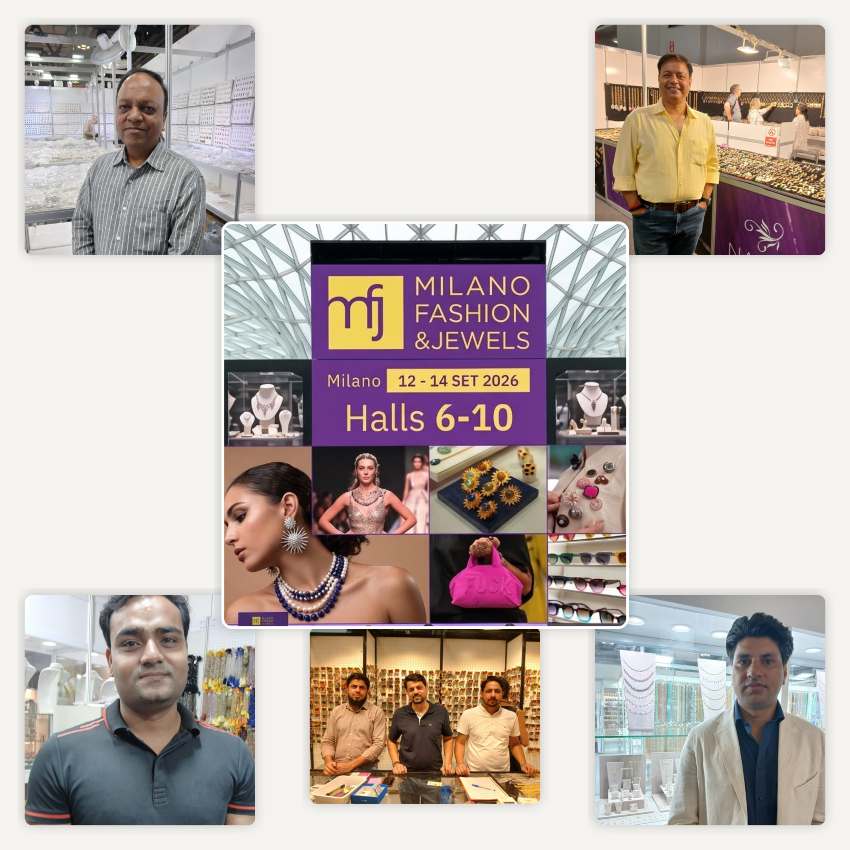
Milano Fashion & Jewels: How ‘Re-Engineered’ heritage crafts are driving hig…
A counter-movement against industrial uniformity is reshaping European bijouterie, transforming authentic craftsmanship into a powerful lever for high-margin boutique growth.... Read more