FW
Bangladesh apparel sector rebounds amid global shifts
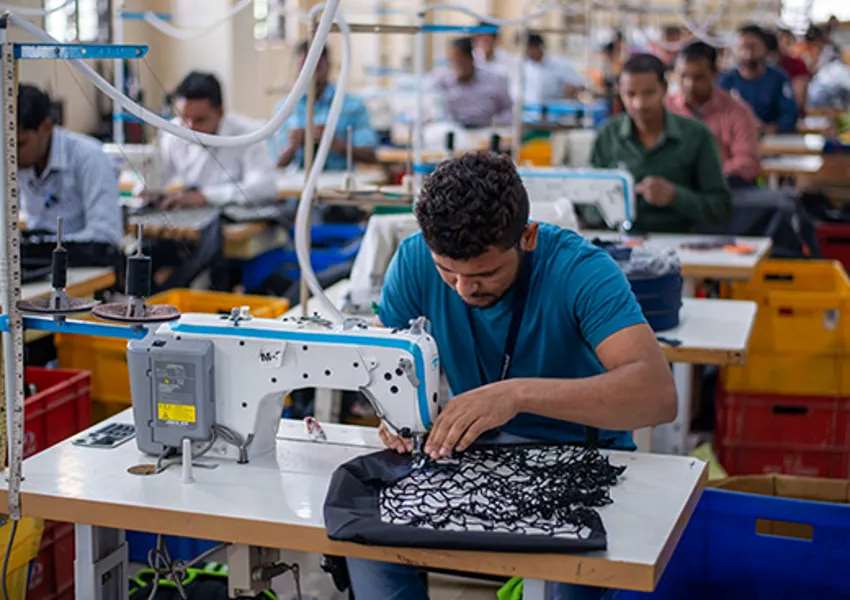
The Bangladeshi apparel sector is undergoing a significant transformation, effectively shaking off a period of sluggish performance. ollowing a challenging 2025 where export growth stalled at a modest 0.89 per cent, the industry has posted a marked recovery throughout mid-2026. Official data from the Export Promotion Bureau confirms, merchandise exports increased by 25.91 per centY-o-Y in June 2026, with the ready-made garment sector serving as the primary engine for this momentum. This shift highlights a resilient transition from stagnant figures to a robust quarterly outlook, with industry projections estimating 8–10% growth for the third quarter of 2026.
Capturing market share from global competitors
A critical tailwind for Bangladesh has been the recalibration of global sourcing strategies, particularly as Western buyers reduce reliance on Chinese manufacturing due to tariff pressures. In the United States market, Bangladesh officially surpassed China to become the second-largest apparel supplier by value in early 2026. While total US apparel imports have contracted, Bangladesh’s relative stability compared to the sharp decline in Chinese shipments has secured its strategic standing. This reality has opened the door to new possibilities, notes Kazi Fahad, Director, Bangladesh Printed Apparel and Accessories Manufacturers and Exporters Association. Now is the time to increase production capacity and ensure faster service to gain further trust from global buyers.
Addressing structural constraints
Despite this resurgence, industry leaders caution that long-term competitiveness requires addressing domestic challenges, including high bank interest rates, energy supply volatility, and the looming transition from Least Developed Country (LDC) status. The industry is currently prioritizing technological investment and production automation to maintain margins as duty-free access undergoes potential changes by 2029. By focusing on high-value categories and diversifying beyond traditional markets, manufacturers are aiming to solidify their position against intensifying competition from regional peers like Vietnam.
As the world’s second-largest apparel exporter, the Bangladesh garment industry functions as the nation’s economic backbone, accounting for approximately 80 per cent of total export revenue. Key product categories include knitwear, woven garments, and high-performance sportswear. Current growth plans emphasize factory modernization and product diversification to maintain global competitiveness post-LDC graduation.
Bharat Tex 2026 positions India as a global textile powerhouse
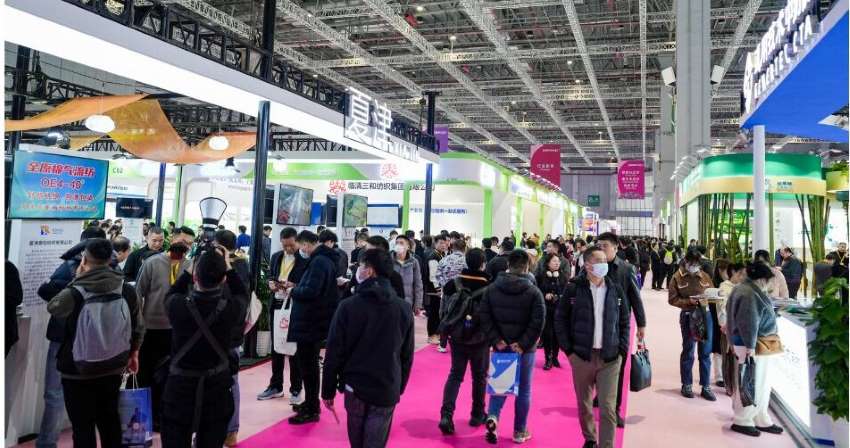
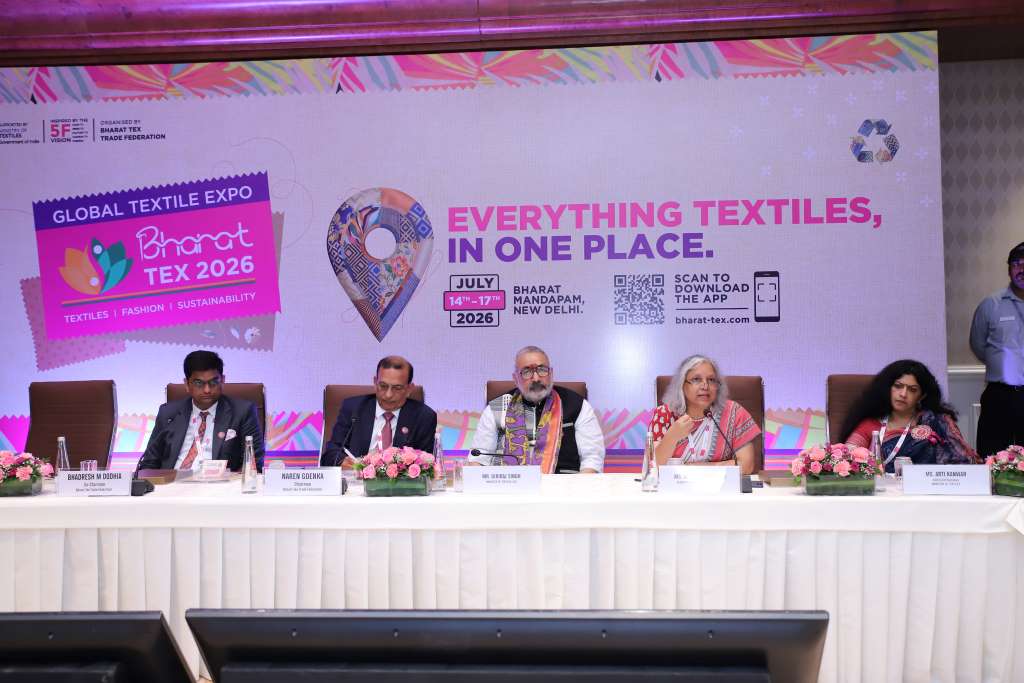
Bharat Tex 2026 has officially opened its doors at Bharat Mandapam, New Delhi, marking a significant escalation in India's efforts to integrate deeper into the global textile value chain. The third edition of this exposition has attracted representatives from 160 countries, underscoring its evolution into a premier venue for international sourcing and strategic partnership. With over 1,600 exhibitors showcasing more than 20,000 product varieties- spanning the entire spectrum from fibre and yarn to high-fashion apparel and technical textiles - the event serves as a critical interface between Indian manufacturing prowess and global retail demand.
Advancing innovation and sustainability
Beyond mere trade volume, the event is structured to accelerate the sector's shift toward Industry 5.0, circularity, and smart manufacturing. A robust program featuring more than 100 knowledge sessions provides a forum for policymakers and industry leaders to address critical issues such as supply chain resilience, ESG compliance, and advanced material research. By facilitating over 4,000 curated business-to-business (B2B) meetings and the signing of numerous Memorandums of Understanding (MoUs), the platform aims to formalize long-term investments that prioritize sustainable production. This institutional alignment is essential as India seeks to pivot from volume-driven exports to value-added manufacturing, ensuring the nation remains a trusted, competitive partner in the rapidly evolving global textile landscape.
Fostering sustainable trade practices
The Bharat Tex Trade Federation is a consortium of leading Export Promotion Councils and textile industry bodies, supported by the Ministry of Textiles, Government of India. The organization focuses on promoting India’s textile ecosystem globally, scaling domestic manufacturing capabilities, and fostering sustainable trade practices through large-scale international exhibitions and policy dialogues.
Rajasthan accelerates export competitiveness with a dedicated textile cell
The Government of Rajasthan has inaugurated a state-level, dedicated textile cell designed to serve as a catalyst for industrial modernization and international market expansion. This initiative is a core component of the state’s efforts to implement the Rajasthan Textile and Apparel Policy-2025, which classifies textiles as a critical thrust sector. Neelabh Saxena, Industry and Commerce Commissioner, confirms, the cell will function as a centralized hub for market intelligence, technology dissemination, and bottleneck resolution. By conducting multi-pronged outreach - ranging from industrial site visits to benchmarking against global textile centers - the cell aims to streamline operations for the state’s 1,800-plus active textile and apparel units.
Targeting value-added export expansion
Rajasthan currently contributes approximately Rs 13,500 crore to the state’s total export basket, representing a significant 13 per cent share. With the state government setting an ambitious goal to triple or quadruple this export figure, the new cell is prioritizing the integration of high-value manufacturing and sustainable production methods. The strategy involves identifying potential in 11 districts, including champion hubs like Bhilwara, Jaipur, and Jodhpur, while integrating four aspirational districts into the broader value chain. This institutional support arrives as the state prepares to host an international textile summit in October 2026, intended to foster strategic partnerships and attract capital investment. By transitioning focus from raw fiber production to finished, innovation-led goods, Rajasthan aims to boost its position as a globally competitive textile destination.
Fostering integrated industrial ecosystems
The Rajasthan textile sector encompasses a diverse value chain, spanning world-renowned wool production, cotton cultivation, and traditional hand block printing. Key focus areas include scaling export volumes, enhancing technological capabilities through the Rajasthan Textile and Apparel Policy-2025, and fostering integrated industrial ecosystems to drive long-term economic prosperity and employment generation.
Duty elimination on raw cotton imports to address structural cost disadvantages
The Government of India’s decision to waive the 11per cent customs duty on raw cotton imports through October 31, 2026, serves as an important strategic intervention to address structural cost disadvantages. By effectively removing the Basic Customs Duty and the Agriculture Infrastructure and Development Cess, the policy aims to bridge the price parity gap that has historically favored regional textile hubs like Vietnam and Bangladesh. For domestic spinners and garment exporters, this relief is not merely a temporary cost-saver but a vital mechanism to stabilize production during the pre-harvest lean season. Industry data indicates an annual domestic supply shortfall of approximately 40 to 50 lakh bales, making this duty-free access essential for maintaining export commitments under long-term supply agreements.
Scaling beyond tariff interventions
While the waiver provides immediate relief, industry leadership emphasizes that long-term competitiveness remains tethered to productivity and quality improvements. Ashwin Chandran, Chairman, Confederation of Indian Textile Industry (CITI), noted, the 11 per cent tariff had previously acted as a significant bottleneck in leveraging emerging Free Trade Agreements. Looking ahead, the sector is shifting its focus toward the Rs 5,659-crore ‘Mission for Cotton Productivity,’ which aims to address yield disparities - where India’s output currently trails global averages - to reduce reliance on periodic import interventions. As manufacturers calibrate their procurement strategies before the October deadline, the focus remains on integrating high-quality, globally sourced fiber into value-added apparel lines to capture higher margins in the international market.
Maintaining a competitive global standing
India’s textile industry is a cornerstone of the national economy, supporting millions of rural livelihoods through fibre-to-fashion integration. Key segments include cotton yarn, woven fabrics, and technical textiles for global markets. Growth plans emphasize sustainable manufacturing, yield-boosting technological interventions, and export diversification to maintain long-term competitive global standing.
Contraction in RMG shipments widens T&A export gap in June 2026
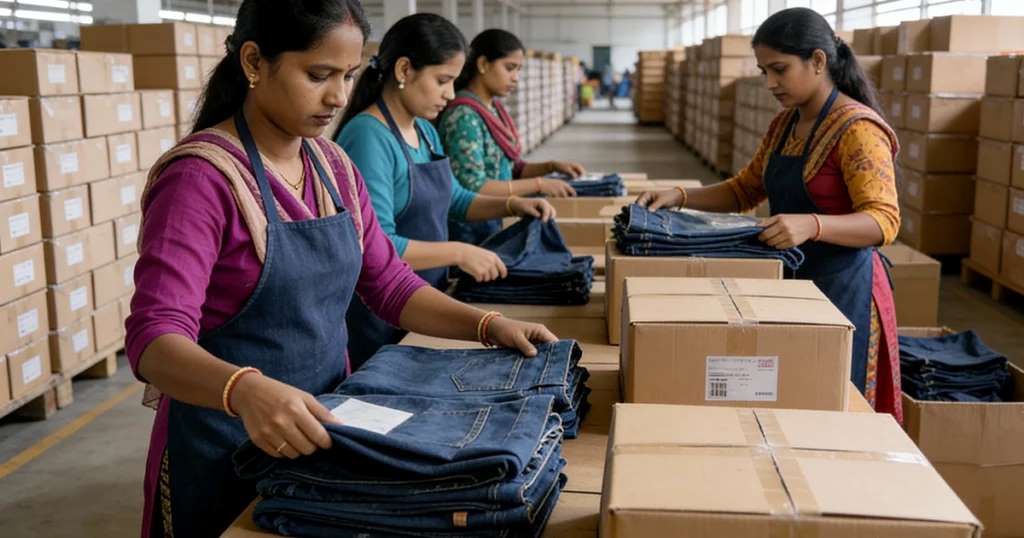
Recent trade data highlights a widening performance gap between India’s textile and apparel sectors. While textile exports, encompassing yarn, fabric, and made-ups, demonstrated a robust 9.64 per cent Y-o-Y growth during June 2026, this progress was offset by a significant 11.25 per cent contraction in RMG shipments.
According to the Confederation of Indian Textile Industry (CITI), this disparity resulted in cumulative textile and apparel (T&A) exports remaining nearly flat, recording a marginal uptick of only 0.21 per cent for the month. This trend has persisted throughout the Q1, FY26 during which apparel shipments faced a 12.44 per cent decline, dragging the overall T&A export growth into negative territory by 2.95 per cent.
Strategic barriers and market outlook
Industry analysts attribute this apparel-led stagnation to persistent global demand volatility and the growing necessity for India to move up the value chain. While manufacturers of technical textiles and high-performance synthetic yarns are benefiting from diversified global sourcing strategies, the garmenting sector continues to grapple with competitive pricing pressures.
Addressing this imbalance is a primary focus at Bharat Tex 2026, where stakeholders are exploring avenues to deepen vertical integration. By aligning domestic production with the sustainability and compliance requirements of Western retail markets, the sector aims to transition from volume-driven exports to high-value-added solutions, essential for regaining momentum in the international marketplace.
Prioritizing export-led growth
The Indian textile sector is a cornerstone of the national economy, encompassing the entire value chain from fiber to fashion. Key markets include the US, EU, and UK, with an increasing focus on technical textiles. The industry is currently prioritizing export-led growth, digital transformation, and sustainable manufacturing to boost long-term competitiveness.
H&M restructures retail operations with shuttering of 128 stores
H&M Group is aggressively refining its global retail footprint, reporting a net reduction of 128 stores as of May 2026 as part of a multi-year organizational restructuring. While the fashion giant continues to shutter underperforming locations, the strategy is focused on enhancing store-level productivity and prioritizing digital-first omnichannel integration. According to the company’s recent six-month report, this portfolio optimization has yielded a significant 160-basis-point expansion in operating margin, reaching 12 per cent in Q2, FY26.
The retailer’s shift emphasizes ‘in-season’ sourcing flexibility, allowing it to respond rapidly to shifting consumer trends without the burden of excess inventory. Data indicates a 10 per cent reduction in stock-in-trade, a testament to improved supply chain precision. Daniel Ervér, CEO, H&M, emphasizes, the organizational transition seeks to move decision-making closer to the customer, thereby increasing local relevance.
By reallocating capital toward high-potential markets - such as recent expansions in Latin America - and upgrading digital infrastructure, the group aims to balance its physical contraction with qualitative growth. This recalibration is essential for competing against ultra-low-cost digital entrants while maintaining the company’s commitment to sustainable, high-value apparel production in an increasingly volatile global macroeconomic climate.
A Swedish multinational clothing company, the H&M Group operates a global retail network across multiple brands, including H&M, COS, and Arket. Its core business is fast fashion, focusing on design-led apparel and home textiles. The group is currently streamlining its physical footprint while scaling omnichannel and sustainable sourcing capabilities.
Can trade deals and manufacturing reforms deliver India's textile vision?
India's textile and apparel industry has entered one of its strongest revival phases after several difficult years marked by pandemic disruptions, higher freight costs, weak consumer demand in Western markets and persistent inflation. Fresh trade agreements, improving global demand and renewed domestic investment have significantly improved industry sentiment, prompting brokerages to forecast a sharp recovery in revenues and profitability over the next few years.
Yet the industry's biggest milestone remains far more ambitious than its immediate recovery. The government has set a target of building a $350 billion textile and apparel ecosystem by 2030, nearly doubling the sector's current size. While recent policy reforms have strengthened the industry's long-term prospects, the arithmetic behind this target suggests that achieving it within the proposed timeline remains highly challenging.
The growth equation
As per Ministry of Textiles and industry data, India's textile sector is currently valued at roughly $190 billion. Reaching $350 billion requires simultaneous expansion of both domestic consumption and exports.
|
Segment |
Current size (Est. 2025-26) |
2030 Target |
Required CAGR |
Drivers |
|
Domestic Market |
$152 bn |
$250 bn |
10.5% |
E-commerce, premiumisation, technical textiles |
|
Exports |
$38 bn |
$100 bn |
21.4% |
FTAs, tariff advantages, China+1 sourcing |
|
Total Industry |
$190 bn |
$350 bn |
16.5% |
Combined domestic and export expansion |
The domestic market appears to be the more achievable component. Rising incomes, urban consumption and digital commerce continue to support demand. Online fashion retail has crossed $14.8 billion, accounting for nearly 22 per cent of apparel sales, while household spending on home furnishings has steadily increased. Technical textiles have also emerged as a major growth engine, expanding rapidly under the National Technical Textiles Mission into sectors such as healthcare, automotive and industrial applications. Exports, however, represent the far steeper challenge. Annual shipments currently stand at around $38 billion, meaning exports must almost triple within five years to achieve the government's objective.
Trade deals change the scenario
Several structural developments have substantially strengthened India's export competitiveness. The implementation of the India-UK Comprehensive Economic and Trade Agreement (CETA) and the conclusion of the India-EU trade negotiations remove tariff disadvantages that had long favoured competitors such as Bangladesh. At the same time, changes in US tariff structures have narrowed India's duty gap while increasing costs for rival sourcing destinations including Bangladesh and Vietnam.
Global sourcing strategies have also shifted. Restrictions on cotton originating from China's Xinjiang region, combined with political instability in Bangladesh and Pakistan, have accelerated the China Plus One sourcing strategy among international retailers. Large Indian manufacturers are positioned as reliable alternatives for global apparel brands seeking diversified supply chains. These developments have triggered fresh capacity expansion across leading exporters and revived investment sentiment throughout the industry.
Years of structural reform
The current recovery did not emerge overnight. It reflects nearly a decade of policy interventions designed to modernise India's textile value chain. The post-pandemic years initially saw demand rebound sharply before being undermined by supply chain disruptions, record freight costs and volatile cotton prices.
From 2023 onwards, the government's Production Linked Incentive (PLI) scheme for man-made fibres and technical textiles, along with the rollout of seven PM MITRA mega textile parks, began attracting significant private investment into integrated manufacturing facilities. By 2025, global retail inventories had largely normalised, while trade agreements with EFTA countries and raw cotton duty adjustments helped stabilise the domestic industry. The momentum accelerated further in 2026 as multiple trade agreements came into force and export orders broadened across global markets.
Persistent structural challenges
Despite improving fundamentals, several long-standing weaknesses continue to constrain India's global competitiveness. The first is raw material costs. Domestic polyester staple fibre prices remain substantially higher than competing markets such as China and Vietnam, while viscose staple fibre also carries a notable premium. Industry participants argue that Quality Control Orders, although designed to improve product standards, have also restricted access to specialised imported fibres required for high-value apparel manufacturing.
The second challenge is India's continued dependence on cotton. Global apparel demand has steadily shifted towards synthetic and performance fabrics, which now account for nearly two-thirds of worldwide fibre consumption. India's exports, however, remain heavily concentrated in cotton products, while man-made fibre exports continue to represent a relatively small share. Transitioning existing spinning and processing capacity towards synthetic textiles requires significant capital investment that many smaller manufacturers cannot afford.
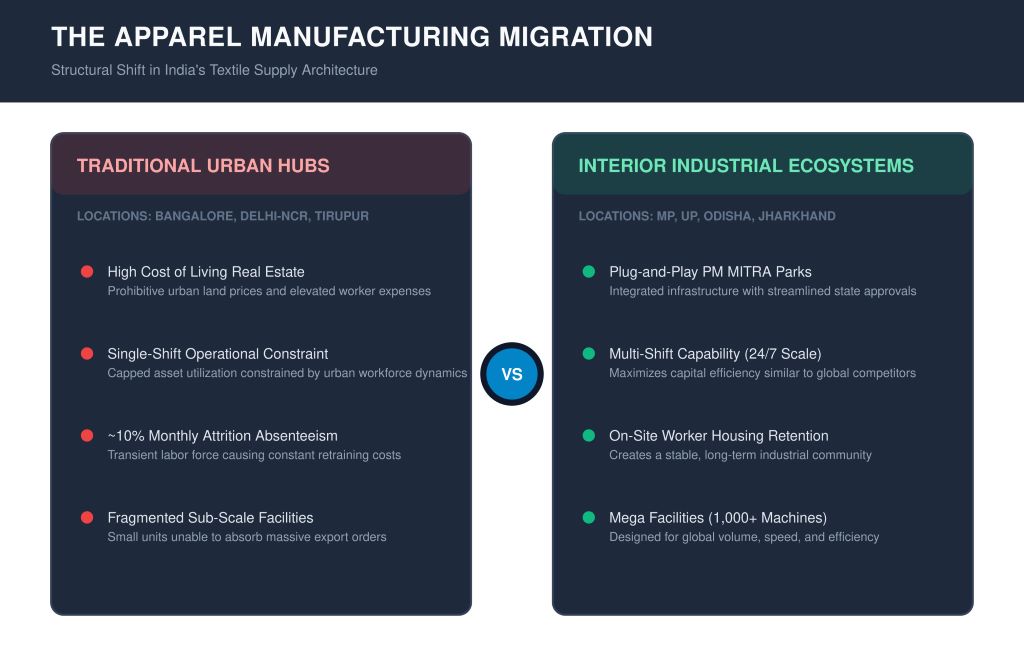
Manufacturing fragmentation represents another major obstacle. Most Indian garment factories operate with only a few hundred sewing machines, whereas facilities in Vietnam and Bangladesh often run several thousand. As international retailers increasingly consolidate their supplier networks, fragmented production limits India's ability to secure very large sourcing contracts.
India's largest textile companies are responding through consolidation and vertical integration. Ready-made garment exporters such as Gokaldas Exports and Pearl Global have adopted multi-country manufacturing strategies, allowing them to diversify production while maintaining supply reliability for global retailers.
Meanwhile, integrated manufacturers such as KPR Mill and Welspun Living control multiple stages of production from spinning and weaving to garment manufacturing and finished home textiles. This integrated model reduces logistics costs, improves operational efficiency and strengthens margins despite fluctuations in raw material prices.
Sustainability has also become a competitive advantage. Investments in traceable cotton, recycled polyester and environmentally compliant manufacturing processes are helping Indian exporters align with increasingly stringent sourcing standards across Europe and North America.
A strong foundation, but a longer timeline
India's textile industry today is structurally stronger than it has been in decades. PM MITRA parks promise integrated manufacturing ecosystems, new trade agreements provide valuable tariff advantages, and a relatively weaker rupee continues to support export competitiveness.
However, reaching $350 billion by 2030 requires sustained annual growth exceeding 16 per cent across the entire industry an exceptionally demanding target for a sector still addressing structural issues in raw materials, synthetic fibre production and manufacturing scale. The industry's direction is clearly positive, supported by favourable global supply chain shifts and substantial policy backing. The more realistic expectation, however, is that India may achieve the $350 billion milestone closer to 2033-35, once these structural bottlenecks are progressively addressed.
Rather than a cyclical recovery, India's textile industry is undergoing a fundamental transformation. If current reforms continue and manufacturing competitiveness improves, the country will be well positioned to emerge as one of the world's most significant integrated textile and apparel hubs over the coming decade.
Vietnam apparel sector navigates global turbulence through operational precision
As the global textile landscape faces heightened uncertainty, Vietnamese manufacturers are reinforcing their resilience through rigorous risk management and strategic production agility. Industry data from H1, FY26 indicates an export turnover of $22.2 billion, a 1.7 per cent Y-o-Y increase. However, industry leaders remain vigilant as subdued consumer demand in major markets, such as the United States and Japan, forces a departure from traditional volume-based growth. To counter these headwinds, enterprises are increasingly adopting ‘dual transition’ strategies - integrating digitalization with sustainable manufacturing—to meet stringent environmental, social, and governance (ESG) standards that have become prerequisites for maintaining market access.
Shifting toward high-value added production
Recognizing that reliance on low-cost labor is no longer a sustainable competitive advantage, the sector is prioritizing higher-value segments. This shift is evident in the transition toward Free on Board (FOB) and Original Design Manufacturing (ODM) models, which allow for better margins and stronger integration into global supply chains. According to Vinatex, a key objective for the remainder of 2026 is the establishment of centralized data centers to enhance decision-making and detect operational risks early. By reducing dependence on imported raw materials- which currently constitute 60-70 per cent of production costs - and investing in automation to boost productivity by an estimated 20-30 per cent, Vietnamese firms are positioning themselves to withstand external shocks while maintaining their status as a premier global sourcing hub.
Focusing on Green technology and high-tech automation
Vietnam is a global manufacturing powerhouse for textiles, garments, and footwear, serving major international brands. The sector focuses on knitted and woven apparel, targeting an annual export value of $48 billion for 2026. Growth plans center on green technology, domestic raw material integration, and high-tech automation.
Vietnam apparel sector navigates global turbulence through operational precision
As the global textile landscape faces heightened uncertainty, Vietnamese manufacturers are reinforcing their resilience through rigorous risk management and strategic production agility. Industry data from H1, FY26 indicates an export turnover of $22.2 billion, a 1.7 per cent Y-o-Y increase. However, industry leaders remain vigilant as subdued consumer demand in major markets, such as the United States and Japan, forces a departure from traditional volume-based growth. To counter these headwinds, enterprises are increasingly adopting ‘dual transition’ strategies - integrating digitalization with sustainable manufacturing—to meet stringent environmental, social, and governance (ESG) standards that have become prerequisites for maintaining market access.
Shifting toward high-value added production
Recognizing that reliance on low-cost labor is no longer a sustainable competitive advantage, the sector is prioritizing higher-value segments. This shift is evident in the transition toward Free on Board (FOB) and Original Design Manufacturing (ODM) models, which allow for better margins and stronger integration into global supply chains. According to Vinatex, a key objective for the remainder of 2026 is the establishment of centralized data centers to enhance decision-making and detect operational risks early. By reducing dependence on imported raw materials- which currently constitute 60-70 per cent of production costs - and investing in automation to boost productivity by an estimated 20-30 per cent, Vietnamese firms are positioning themselves to withstand external shocks while maintaining their status as a premier global sourcing hub.
Focusing on Green technology and high-tech automation
Vietnam is a global manufacturing powerhouse for textiles, garments, and footwear, serving major international brands. The sector focuses on knitted and woven apparel, targeting an annual export value of $48 billion for 2026. Growth plans center on green technology, domestic raw material integration, and high-tech automation.
Jordan T&A sector defies market turbulence as exports rise
Jordan’s textile and apparel sector demonstrated significant resilience, with exports totaling $751 million during the January–April 2026 period. Despite a fluctuating global trade landscape, the industry remains a cornerstone of the national economy. Recent trade data highlights a robust performance driven by high demand for knitted and woven garments in international markets. Industry analysts observe, while traditional markets like the United States remain central to Jordan’s trade strategy, there is a clear imperative to diversify destinations to mitigate dependency. The sector’s ability to maintain high export volumes underscores the effectiveness of its manufacturing base, which increasingly leverages favorable trade agreements to secure a competitive edge against regional peers.
Modernizing for long-term competitiveness
To sustain this momentum, Jordan is aggressively aligning its production capabilities with international compliance and sustainability benchmarks. In collaboration with the International Labour Organization, the government has launched a multi-phase technical cooperation program (2026–2028) to boost labor governance, workplace safety, and fair recruitment practices. These enhancements are critical, as global buyers prioritize ethically sourced, high-quality garments. By integrating digitalization and sustainable manufacturing, Jordanian enterprises are positioning themselves to climb the value chain, ensuring that the apparel industry remains a high-growth pillar within the nation’s Economic Modernisation Vision.
Aiming for $8 billion T&A exports by 2033
The Jordanian textile and apparel industry acts as a major manufacturing powerhouse, providing end-to-end solutions for global fashion brands. It contributes approximately $2.3 billion to annual exports and supports 76,000 jobs. Current growth plans prioritize green technology and value-added manufacturing, aiming to reach $8 billion in exports by 2033.
Hirdaramani Apparel to transform textile waste into ceiling panels
Hirdaramani Apparel is spearheading a transformative industrial shift by repurposing textile byproduct into high-performance ceiling panels. Partnering with the University of Moratuwa’s Pro Green Lab, the manufacturer is transitioning from traditional waste management toward material upcycling. This three-year research endeavor addresses the burgeoning crisis of textile-to-landfill volume by engineering discarded fibers into durable, lightweight construction alternatives. The move signals a strategic departure from conventional waste disposal, positioning textile scrap as a primary raw material for the building sector.
Scalability and market viability
Industry analysts note, while circularity is a common corporate goal, applying it to non-apparel sectors remains a major opportunity. By targeting the eco-friendly ceiling panel market, Hirdaramani seeks to normalize ‘industrial symbiosis’ between fashion and construction. This initiative integrates scientific rigor with industrial requirements, setting a new benchmark for material innovation, states Madhawa Atapattu, Managing Director, Hirdaramani Apparel. With global demand for sustainable building materials rising, the project focuses on achieving industrial-scale production. Success here would provide a scalable blueprint for manufacturers worldwide, proving that textile waste can transition from a liability to a commercially viable resource, ultimately reducing the carbon footprint of both apparel production and commercial construction.
End-to-end solutions for international fashion brands
Hirdaramani Apparel is a prominent global manufacturer providing end-to-end solutions for major international fashion brands. Headquartered in Sri Lanka, the company specializes in apparel production across various categories. Under its Future First Sustainability Roadmap, Hirdaramani focuses on aggressive decarbonization and circular manufacturing, aiming to secure long-term industrial growth.