On its current trajectory, Asia and the Pacific will not achieve any of the 17 Sustainable Development Goals (SDGs) by 2030. Though the region has made progress towards ending poverty and ensuring all have access to quality education and lifelong learning and measures are also underway to achieve affordable and clean energy, for more than half the SDGs, progress has stagnated or heading in the wrong direction. The situation is deteriorating when it comes to providing clean water and sanitation, ensuring decent work and economic growth and supporting responsible consumption and production. Many SDG targets related to the environment and natural resources are registering negative trends. Hazardous waste generation, the reduction in forest areas and the permanent water body extent are the three SDG indicators which are predicted to regress the most by 2030.
There are major differences in progress between the sub regions of Asia and the Pacific which have recorded different successes and face different challenges. Each sub region needs to reverse existing trends for at least three goals. For example, East and North-East Asia is regressing in sustainable cities and communities, climate action and life on land. South-East Asia has moved backwards on peace, justice and strong institutions.

- 1
- 2
- 3
- 4
- 5
- 6
- 7
- 8
- 9
- 10
From gym to boardroom performance fabrics are redefining apparel demand
The global apparel industry has entered a new phase of evolution as the distinction between sportswear and everyday fashion continues... Read more
Digital Dominance Redefined: Zara moves past H&M in $100 bn fast fashion bat…
The global fast-fashion sector has reached a inflection point in 2026 where the battleground is no longer only store shelves... Read more
Spykar accelerates offline expansion: plans 100 new stores across India
A titan of the Indian denim-first fashion scene, Spykar has officially unveiled an aggressive retail growth strategy. As consumer demand... Read more
The Inventory Illusion: Rethinking the Zara benchmark in a volatile retail era
For over a decade, the global fashion industry has treated the Zara playbook as the gold standard of inventory efficiency.... Read more
Retail Without Retail: How Walmart’s depot network is turning space into logisti…
Walmart is fundamentally rewriting the commercial real estate and retail logistics playbook with the rise of its ‘Walmart Depots’ a... Read more
Global textile regulation tightens, forcing realignment across fashion supply ch…
Global fashion and consumer goods supply chains are entering a decisive regulatory transition as Extended Producer Responsibility (EPR) frameworks for... Read more
Luxury’s new power axis, US dominance, China reset, Gulf surge
As the post-China luxury order takes shape, the US is emerging as the industry’s most dependable growth engine, while Japan,... Read more
India’s $9 Billion Landfill Blind Spot How trashed clothes hold the key to globa…
A massive economic windfall is sitting uncollected in India’s landfills, and the key to unlocking it lies in rethinking how... Read more
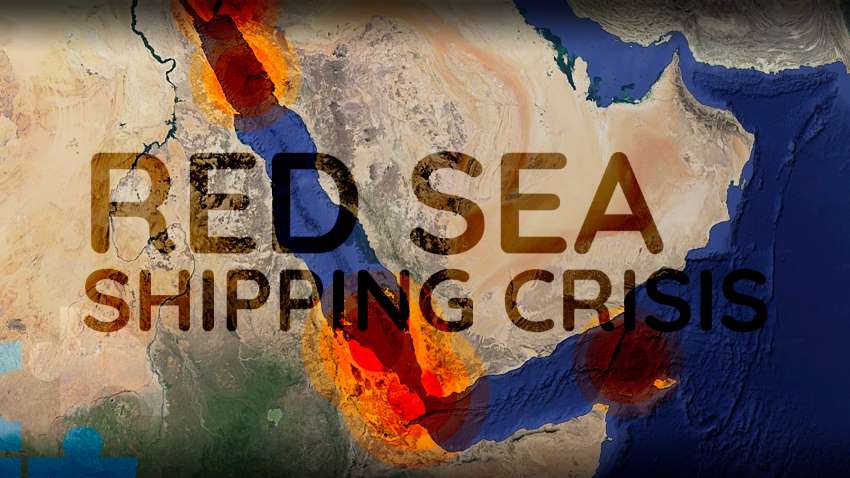
Red Sea crisis reshapes textile trade routes, challenges India’s export margins,…
Global apparel trade is now in a new operational phase where geopolitical stability and logistics reliability are as important as... Read more
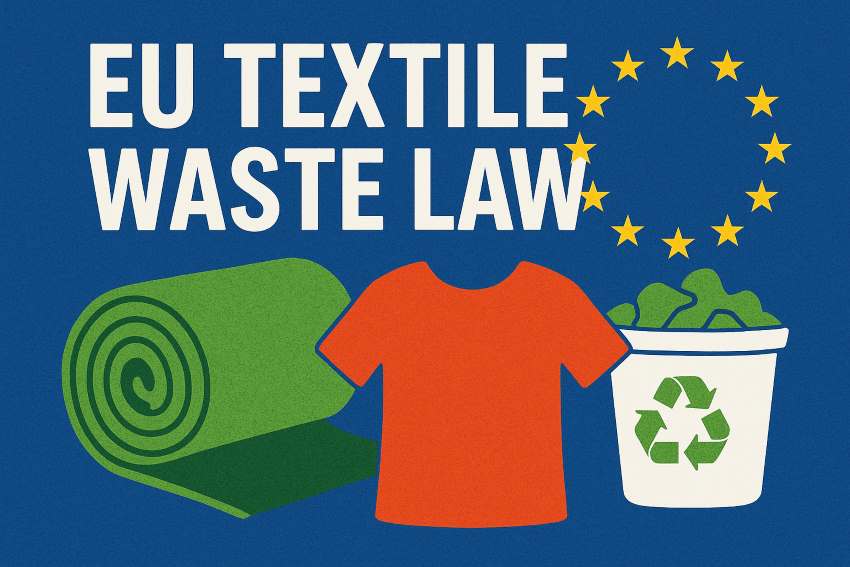
EU’s textile waste rules enter enforcement phase, raising alarms across fashion …
Europe’s apparel and textile industry is approaching one of its most significant regulatory transitions in decades. As the European Union... Read more