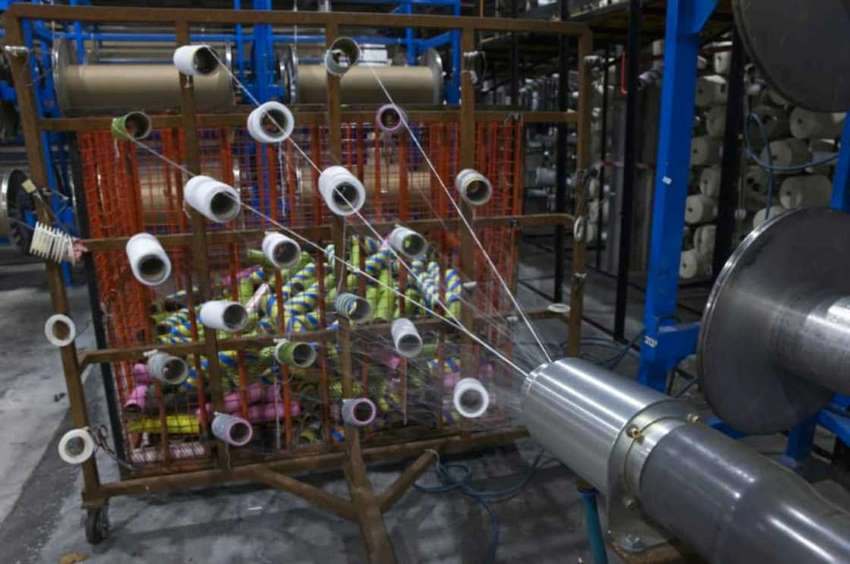
Alok Industries which makes cotton and polyster yarn, apparel fabric, garments and home textiles plans to separate its operations into two or three units that can be individually sold to financial investors, as it struggles under the weight of debt. As of March 31, 2015, the textile maker had Rs 15,347 crores of debt, which, adjusting for non-fund based exposure, would come close to Rs 20,000 crores now.
The main lenders include State Bank of India and IDBI Bank. It is believed that Alok Industries’ creditors are currently in the process of appointing an external auditor to conduct a forensic audit of the company’s books.
Lenders to Alok Industries decided on a strategic debt restructuring (SDR) of the company in November 2015, the company said in a stock exchange notification. In January this year it said, lenders planned to acquire 65 per cent of the company by converting debt to equity under SDR. SDR, introduced by the Reserve Bank of India (RBI) in June 2015, allows banks to convert a part of a defaulting borrower’s debt into majority equity and assume operational control.

- 1
- 2
- 3
- 4
- 5
- 6
- 7
- 8
- 9
- 10
Inside activewear's shift from stitched mesh to precision engineered textiles
The global functional apparel market, on track to touch $640 billion, is looking at a production shift as activewear manufacturers... Read more
Brazil’s cotton dominance puts Asian spinners on a new sourcing map
Brazil’s emergence as the world’s largest cotton exporter is no longer simply an agricultural success story. It has given a... Read more
Textile industry sees long-term growth but $100-bn export goal stays a stretch: …
India’s textile and apparel industry is entering a phase of optimism, but that confidence is tempered by a hard export... Read more
Apparel trade slumps as global textile mills move upstream
Global manufacturing is growing, but finished apparel is failing to capture that growth. United Nations Industrial Development Organization (UNIDO) data... Read more
Global apparel value chain converges in Shanghai as Intertextile Autumn 2026 ope…
The global apparel and textile community gathered in full force yesterday, August 25, 2026, as the Autumn Edition of Intertextile... Read more
Trade pacts, integrated manufacturing power India’s textile export ambitions
Global apparel sourcing is entering a new phase in which resilience, compliance and manufacturing depth matter as much as cost... Read more
Next-gen digital Indigo systems redefine textile manufacturing economics
The global textile sector is experiencing a structural shift as industrial-scale digital dyeing technologies replace traditional indigo vats in major... Read more
Fashion retail’s physical comeback, stores become experience hubs
Online shopping has permanently altered fashion consumption, making convenience, algorithmic recommendations, endless assortment and doorstep delivery standard expectations. Yet the... Read more
India reworks apparel export strategy as US tariffs squeeze margins
As tariff volatility, shorter retail buying cycles and aggressive price negotiations in the US expose weaknesses in the country’s traditional... Read more
MIT’s recyclable yarn could disrupt spandex’s grip on fashion
Stretch has become essential to modern fashion. Activewear, denim, underwear and athleisure all depend heavily on elastic fibres such as... Read more