Vietnam aims for bigger share of world textile trade
Vietnam is negotiating for the Trans-Pacific Partnership (TPP) agreement and the free trade agreement with EU, which are expected to be applied in the next couple of years. When these agreements are signed, Vietnamese garment and textile products will enjoy zero per cent tax in the US and EU. The average tax rates are 17.5 per cent and 9.6 per cent in these two markets respectively.
One of the US’ conditions for zero per cent tax rate is that fibers must be produced in Vietnam or other TPP countries. Most countries with TPP have not developed the fiber industry yet, forcing Vietnam to produce domestically. The EU also imposes conditions on fabric production. The US and EU markets spent $105 billion and $260 billion on garment and textile products last year. However, Vietnam exports accounted for only 8 per cent and 3 per cent of their market share respectively.
Nearly 60 per cent of 90 million Vietnamese are in the working age, which will be a good human resource supply to develop the garment and textile industry. Experts believe Vietnam will become the world center of garment and textile production. China used to be a leader with 50 per cent of the global supply. However, that has now reduced to 40 per cent due to various reasons like pollution, increasing production costs and shortage of human resources.
Bangladesh wants better price from buyers
Bangladesh Prime Minister Sheikh Hasina has urged buyers to increase prices of garments, so that the government can pressurize employers to raise wages in the country’s readymade garment industry. Wages of garment workers have been raised in the last five years from Tk 1,600 to Tk 5,300 in two phases, and dormitories have also been constructed for them.
Bangladesh plans to set up garment villages to ensure good working conditions. Bangladesh is currently the second largest garment exporter in the world, next only to China. The garment sector accounts for nearly 80 per cent of the country’s foreign exchange earnings. Bangladesh has taken several steps post the Rana Plaza tragedy, including the appointment of inspectors to garment factories and amendment to the labour law. It has taken initiatives aimed at increasing the quality of life of garment workers.
The Bangladesh government feels if buyers increase prices of readymade garments, it would help the government to put pressure on owners of RMG companies to hike workers’ salaries. However, factory owners say if they ask buyers for a better price, buyers threaten to go elsewhere.
Falling yuan hits Indian cotton yarn exports
Indian textile exports to China, including cotton yarn, are facing a problem as since January, the rupee has been rising and the yuan falling, eroding India’s earlier cost advantage and giving China’s products a price advantage. Also China has cut direct import of Indian yarn in the past three months.
If the rupee keeps appreciating, and the yuan keeps depreciating, it will have a bad impact on Indian yarn exports. Given the substantial cost difference, cotton’s share of the market is expected to continue its decline this season. India had a cost advantage compared to China, where labor cost is higher. This is getting offset due to the yuan’s slide. And global buyers have started negotiating on prices. For instance, the 30s combed variety of yarn is priced at $3.6 a kg but buyers now want it at $3.5 a kg, the level to which China has cut its price.
The price of Shankar-6, the benchmark variety of cotton, has gone up 4.7 per cent since the start of the year to Rs 11,838 a quintal. Uncertainty on how China will handle its large reserves of cotton next season and the significant gap between polyester and cotton prices does not bode well for cotton consumption in China. To save cost, textile companies there could increase the use of polyester at a time when its domestic economy is on a slower track.
UK turns to Mauritius for apparel sourcing
UK retailers are increasingly turning to sourcing apparels from Mauritius. They are getting jerseys, knits and denims manufactured in the far eastern country. While brands like Arcadia, Marks & Spencer, Primark and Asos already source their apparel needs from the country, now others like lifestyle brand Joules and home shopping group N Brown are considering sourcing from Mauritius.
Both these companies recently attended the Mauritian Fashion Fiesta, held in London on April 3-4 at the Emirates Stadium, where 25 textile manufacturers from the country exhibited. Joules plans to move its knitwear production to the country since it is closer to home. The company currently imports its products from China and India but feels that rising cost of living in China may finally lead them to Mauritius due to shorter lead time and lower minimums.
Following last year’s IMF report on growth predictions of advanced economies, it is predicted that the UK economy will grow ahead of Germany, Japan and France in the coming decade. Enterprise Mauritius, organizer of the Mauritian Fashion Fiesta therefore positioned itself to take advantage of the growing demand in this market. The platform provided an opportunity to connect the right UK and European buyers to participating Mauritian exhibitors during the fiesta.
Pakistan govt assures complete support to textile industry
Pakistan's federal minister for textile industry Abbas Khan Afridi told members of Faisalabad Chamber of Commerce and Industry that the government was actively considering imposing duty on yarn import from India. However, the final decision would be taken after consultation with all stakeholders and keeping national interest in mind.
He told members that since Pakistan’s economy is directly linked with the textile industry, the government will ensure every measure for its growth. He added that the government has decided to work towards the welfare and betterment of Pakistan totally ignoring ‘what was done or not done’ in the past. Gas supply to textile sector will be increased and more relief measures would be offered to textile the sector.
He also appealed to stakeholders to discuss problems faced by the industry and find solutions with viable and practical solutions. Regarding the ban on use of gas generators, he said the matter would be taken with the minister for petroleum, since most of the industrial units bank upon the generators to overcome the shortage of electricity.
MNA Mian Abdul Manan during the meeting said that the government was trying to resolve the economic issues on top priority basis and Prime Minister Nawaz Sharif had re-aligned its policies to achieve the desired goals within the shortest possible time.
14th YiwuTex 2014 showcases hi-end apparel technologies
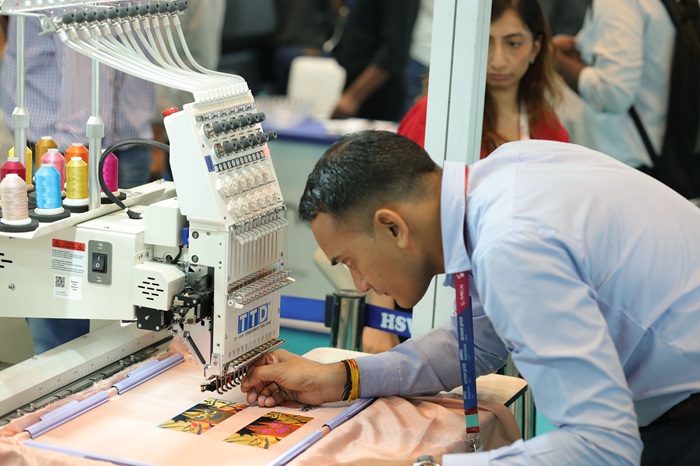
The 14th China Yiwu International Exhibition showcasing hosiery, knitting, dyeing and finishing machinery and the 3rd China Yiwu International Exhibition on automatic garment machinery & sewing equipment were held recently in Zhejiang. The events provided a wide variety of thematic zones creating the ultimate trading and technology exchange platform for textile industry.
Spread over an area of 15,000 sq. mtr., YiwuTex featured over 200 knitting and automatic garment machinery exhibitors from 11 countries who showcased top notch machinery and latest textile products. It attracted 9,522 visitors and around 20 delegations from local and international destinations.
Associations visiting the fair included Jiangsu Textile Fashion Color Association, Shanghai Textile Trade Association, Haimen Clothing Chamber of Commerce, Putian Commerce Association, Hangzhou Textile Industry Association, Pujiang Leggings Industry Association, North-Eastern Socking Textile Industry Plantation, Eastern Silk Market China, China Textile Industry Association-Professional Committee of Underwear, Hanning Hosiery Industry Association, Wenzhou Chamber of Commerce-Ladies Wear Branch, Zhuji Hosiery Industry Association, Pujiang County Knitting, Printing and Dyeing Industry Association and Sewing Machine Development Club, Ludhiana, India, among many others.
Companies such as Mengna Hosiery, Langsha Group, Bonas Hosiery, Manzi Hosiery, Wanyu Knit, Bailong Knit, Sanding Weaving, Lima Knit, Ranni Dress and Leshi Garment too visited the exhibition to learn about latest developments in the industry.
YiwuTex also organized a series of professional, high-end and effective concurrent activities to explore future development and get advice on upgrading and transformation.
www.yiwutex.com
Pakistan's hosiery makers want yarn duty scrapped
The Pakistan Hosiery Manufacturers Association (PHMA) has demanded duty-free import of yarn from India. PHMA feels this move will circumvent cartelisation by the local spinning industry. It says imposition of import duty on raw materials such as yarn will negatively impact the apparel export sector. The tax will enable local yarn manufacturers to maintain higher prices to restrict competition, an onslaught exporters will not be able to withstand.
To face competition from countries like India and Bangladesh, hosiery manufacturers’ association wants the government to ensure regular gas and electricity supply to the industry. It adds this is essential to harvest the benefits of GSP Plus scheme and the value-added apparel sector needs a small quantity of gas and power as compared to other industries.
Established in 1960 the Pakistan Hosiery Manufacturers Association is a premier trade organization representing the hosiery and knitwear industry. Its object is to promote, develop, protect, stimulate and encourage the hosiery, knitwear and all made-ups, fabrics, home textile products of cotton, wool, silk or manmade fibers and to raise the standard of their production and enhance exports.
www.phmaonline.com/home.asp
Jeanologia to display eco-friendly technologies at Saigon Expo
Jeanologia, the Spanish consultant to the apparel industry is all set to display their latest innovations at the Vietnamese Saigon Textile and Garment Industry Expo along with PPJ its technology partner from Vietnam. Jeanologia is specialised in product and process research and development, and engineering solutions for garment production, owning 73 per cent of the world’s laser production in the jeans wear sector.
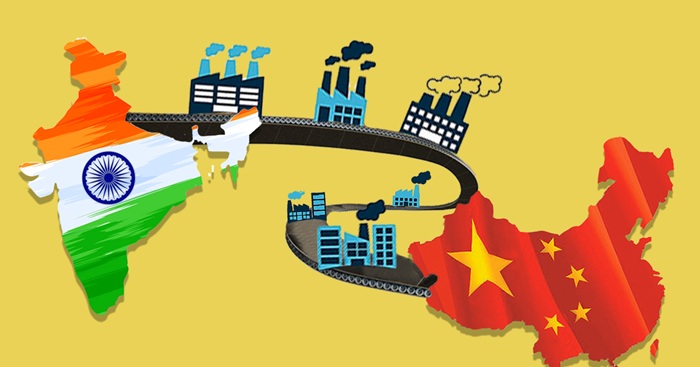
Vietnam is gradually emerging as a center of the world jeans production industry, because China, which had established itself as the largest manufacturer of jeans in the world is busy relocating its production mostly to Vietnam. Jeanologia has designed textile laser machine Flexi HS, which works on jeans, shorts, shirts, jackets and accessories and adapting to the needs of each manufacturer or designer. Flexi HS can operate in either automatic MD mannequin or fixed table. It has also integrated the latest electronic technology to increase marking speed, helping save power will be demonstrated at the exhibition.
Vietnam uses 100 liters of water and 300 grams of chemicals to produce a pair of jeans. With its sustainable technologies, it can not only reduce dangerous practices both for workers and toxic discharges into the environment but also help save million liters of water. With the company’s laser and ozone technologies, it can produce jean using only 30 liters of water and 150 grams of chemicals.
Over last two decades, Jeanologia has been developing ecological textile technologies such as textile laser, oxygen and ozone garments washing and garment softening by nano bubbles. Jeanologia products and solutions are currently being used in more than 45 countries, including México, Colombia, Brazil, USA, Germany, Italy, Portugal, India, China, Russia, Japan, Morocco and Bangladesh. Major brands such as Levi’s, Polo Jeans, Abercrombie & Fitch, Edwin Japan, Pepe Jeans, Diesel, Hilfiger Denim, Salsa Jeans, and other large retailers such as GAP, Uniqlo, Zara, use techniques and technologies developed by Jeanologia.
www.jeanologia.com
DyStar unveils Remazol TT dyes for terry towels
DyStar has unveiled Levafix and Remazol reactive dyes that offer the widest possible shades for the terry towel sector. Extremely bright shades can be achieved with Levafix dyes, while Remazol dyes are recommended for economical and cost-effective recipes.
Both Levafix and Remazol reactive dyes meet the normal wash fastness requirements for terry towels. However, until now, only a limited dyestuff selection has been recommended to fulfill the more stringent fastness requirements like multiple home laundry washes with chlorine and non-chlorine bleaching agents and the fastness to benzoyl peroxide.
DyStar has now also launched a new range, especially for the terry towel sector, known as Remazol TT. Dyeing with the Remazol TT range results in fastness levels meeting requirements of the international brands and retailers. Available in six different colours, Remazol TT is Oeko-Tex Standard 100-compliant and meets all relevant restricted substance lists (RSLs).
The word ‘terry’ comes from the French word ‘tirer’, meaning to pull out, referring to the pile of loops which were pulled out by hand to make absorbent traditional Turkish towels. Terry towel weaving was one of the major industries in Turkey, so the name ‘Turk fabric’ or ‘Turkish towel’ was coined. Terry towels can be dyed by both exhaust and pad application processes for solid colors and stripes and designs by use of colored yarn during the weaving process.
China's new cotton policy to affect global textiles business
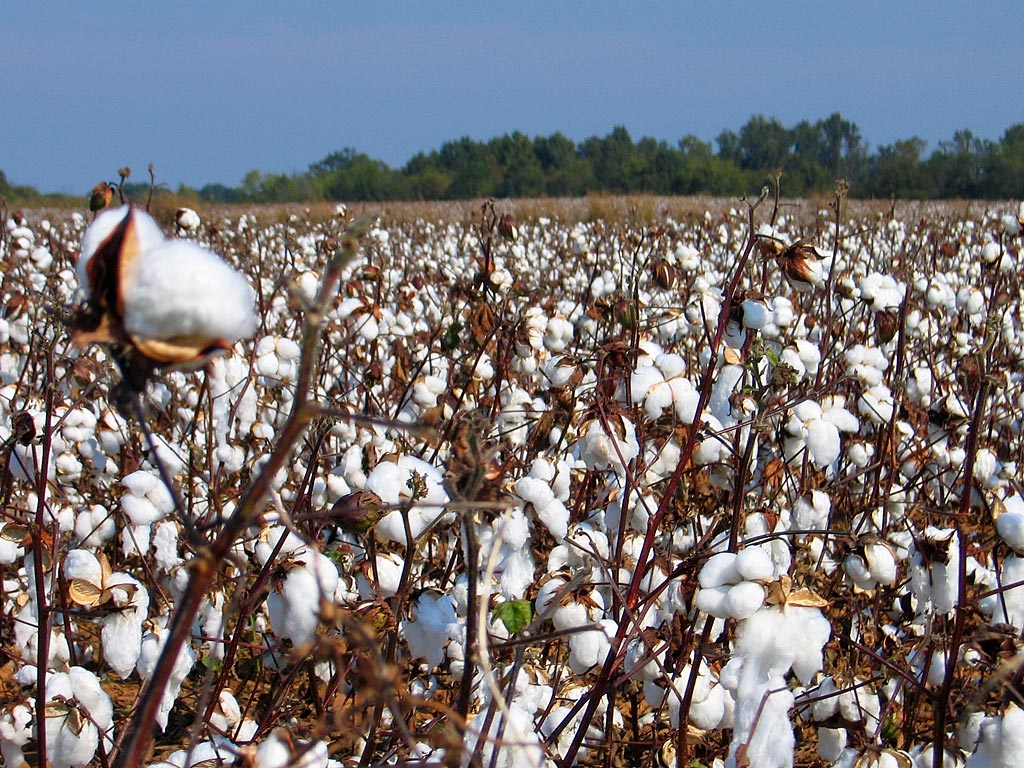 The mood at Intertextile Shanghai Apparel Fabrics-Spring Edition 2014 that took place from March 3 to 5, 2014 was rather low. Reason: the Chinese government’s new cotton policy. As Sanjay Jain, Managing Director, T T Limited explains, “The Chinese currency depreciated by one and a half per cent over the last month. They want the government to reduce state prices. So the mood in China is bearish, for imports. They want to wait and watch.”
And as Prem Malik, Chairman, Confederation of Indian Textile Industry said, the mood was subdued even at the yarn expo. Malik said, “The Chinese government is on the verge of changing its cotton policy. They plan to sell their stocks and reduce prices further. The difference between the production cost of India and China will reduce. To that extent, it will impact the cotton yarn business in China.”
Talking about the impact of China’s new cotton policy on India, Ujswal R Lahoti, Vice Chairman of Texprocil says, “China is sitting on huge stocks. If they liquidate it gradually, there won’t be any effect. Otherwise the market will get a jolt because at the moment India has a major stake in China.”
While the global crop of cotton is stable, China’s crop is expected to fall next year but China holds a big stock, so it won’t impact overall supply. Talking about cotton supply in India, Jain says, “People have started having doubts about cotton crop because arrivals have been slow. I feel we will have an all time high production. It’s just that farmers and traders are holding on to stocks in anticipation of higher prices. However, next year will depend on rains.”
On the Indian perspective Malik says, “Overdependence on any one country is not wise. India has always been selling to the entire world. So we need to keep this diversification alive. We should be aggressive in marketing and take away the share of competitors in the yarn business. On cotton quality, service and value based business we have an edge over Pakistan.”
Lahoti pointed out that India had bigger quantity of cotton compared to last year. “We expect exports to be lower than last year. There will be a big surplus. Indian industry should to get some benefit out of it in terms of better prices.”
More...
Sustainability in apparel industry gaining ground
 The textile business is witnessing critical times especially for regular products. And this has provoked a change in the industry. Customers all over are looking for change and sustainability is the answer to that change. China too is not far behind and is following the sustainable direction. This has led to an opportunity for environment-friendly products.
As Helen Weng, Marketing Specialist-China & HK explains, “Before 2007, we found it difficult to promote the concept of environment protection. Nobody paid attention. But we spent time developing yarns and fibres. We make polymetrics. Some international and even Chinese brands have set up sophisticated systems. For China, this is a more environment-friendly material and they would be happy to listen and ready to pay a bit more than regular products. Chinese consumers are more willing to spend on environment friendly products than US or UK consumers."
Weng says he has seen tremendous success with his business in India. “We have an  office in India. My colleague in India works with downstream textile units and yarn spinners. He also works with some end customers there. Now we are growing in China too. Our process uses less water and generates lower discharges,” adds Weng.
Sustainability gaining acceptability
Kim Hong-Ki-MD, KTC (Korea Textile Center) says, “From an Italian and European point
of view, we think sustainability is being accepted. Everything should be sustainable though that may not be so yet. It’s something everyone should do. ”
However, there are several challenges sustainability is facing today and investment or finance is one of the major obstacle. “If you have money you can do a lot of things. Indeed, there is a lot of interest at all levels, from big department stores and luxury brands. In Italy for example, Gucci has a fashion agreement with suppliers where they follow the rules governing everything whether it’s a bag or a pair of shoes, a fabric or a garment. The concept is slowly coming up” adds Kim Hong-Ki.
US cuts apparel imports from Bangladesh
Apparel exports from Bangladesh to the United States have declined significantly. This is closely linked to factory safety issues. Exports from Bangladesh, ranked number three in apparel exports to the US, have dropped by more than 10 per cent.
Though February is historically the slowest month for apparel imports into the US, the decline from Bangladesh is significant. Bangladesh has marked the second month in a row in which the country’s growth has slowed. Last year November was the first time shipments fell since factory safety issues came to the fore with the collapse of the Rana Plaza in April.
The biggest decline in exports to the US was from China, 12 per cent. However, exports from Vietnam, the fastest growing exporter to the US, continued to rise for diversified supply chains. US imports from Bangladesh totaled $5.4 billion dollars in 2013, a 9 per cent increase from 2012, and up 158 per cent from 2003. The five largest import categories in 2013 were: woven apparel, knit apparel, miscellaneous textile products, headgear and fish and seafood.
Germany to certify eco-friendly units
Germany is coming up with a textile certificate to bring the country's clothing industry within the minimum social and ecological standards. The certificate shall be introduced within this year. Germany's neighbors France and the Netherlands have already enacted such a step.
As it is Germany has several laws in place. All textiles manufactured, imported and sold in Germany must bear a label indicating their raw material composition. Textiles may only be sold if they possess the appropriate specification of the fiber contents, care and washing instructions as well as size in metric measurements.
Even though care labeling symbols are not mandatory in Germany, the National Association for Textile Care Labelling has defined an internationally recognized care labeling system for textiles based on trademark symbols. These care symbols provide traders, consumers and companies with the correct information about taking care of textile products.
Manufacturers and importers of textiles containing potentially dangerous chemicals must register these substances with the European Chemicals Agency and ensure the appropriate communication along the supply chain. The most widely used and recognized certificate of quality for textiles in Germany and the EU is the Oeko-Tex Standard 100. This voluntary certificate provides the textile and clothing industry a uniform standard for consumers who specifically aim to buy textiles that are free of harmful substances. All raw materials, intermediate and end products at all stages of production are tested and certified for compliance with the standard.
PV's acquisition of Made in France boosts participation
Organised for the first time under the PV Manufacturing umbrella, following Première Vision’s acquisition of the show last September, the Made in France exhibition this year saw 99 exhibitors (up 8 per cent from April 2013) and an exhibition area that is almost 15 per cent bigger compared to last year. Première Vision, has introduced a new look to the event, which would now be called Made in France Premiere Vision.
Made in France has also launched its own online magazine in French and English to explore the richness of French high-end manufacturing, its culture, regions, sectors and the people behind the industry – brands, manufacturers and organisations. The magazine will publish two articles a week having profiles, analysis and illustrations highlighting the best examples of Made in France initiatives by the show’s exhibitors and visitors.
Made in France 2014 to be held from April 9 to 10 in Paris is devoted to high-end apparel and accessories manufacturing. The event would be showcasing French high-end manufacturing expertise, skills, craftsmanship and industrial techniques. The 12th edition of Made in France will bring together a handpicked selection of around 100 specialist companies from garment manufacturers to weavers, including those awarded with the French government’s Entreprises du Patrimoine Vivant (‘Living Heritage Company’) quality label for luxury ready-to-wear and accessories.
The exhibition is a platform for fashion designers and heads of collections on the lookout for textiles and fabrics, manufacturing solutions and related services for high-end and luxury apparel and fashion accessories.
www.salonmadeinfrance.com