Gartex Texprocess India 2026: Capitalizing on the $179 billion manufacturing growth
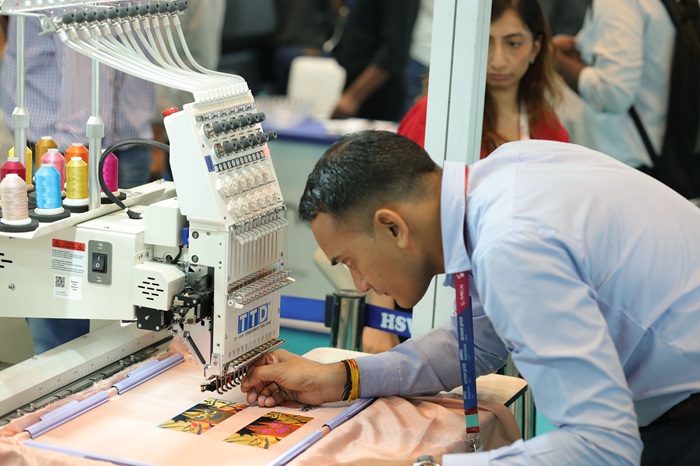
Scheduled for April 9–11, 2026, at the Bombay Exhibition Centre, Gartex Texprocess India is set to serve as a critical catalyst for the nation’s $179 billion textile and apparel sector. This edition marks a decisive shift toward high-tech industrialism, featuring over 125 exhibitors showcasing advanced AI-driven manufacturing and predictive production software. With the global textile machinery market projected to reach $58.4 billion by 2030, the Mumbai showcase prioritizes ‘Smart Machines, Smarter Business,’ integrating digital printing and zero-waste cutting technologies. These innovations are designed to mitigate the 15–20 per cent material waste typically associated with traditional garment assembly. Raj Manek, Executive Director, Messe Frankfurt Asia Holdings, notes, the platform is essential for building partnerships that support India’s next phase of technological maturity and global competitiveness.
Incentivizing scale through the Union Budget 2026–27 framework
The exhibition’s timing aligns with the operationalization of the Union Budget 2026–27’s Integrated Program for the Textile Sector, which allocated Rs 1,500 crore to boost self-reliance and modern manufacturing. A key focus remains on the Tex-Eco Initiative, which mandates environmentally responsible production through water-saving dyeing and blockchain-backed traceability. As the Indian textile manufacturing market targets a $192 billion valuation by 2034, exhibitors are presenting specialized ‘Mobiltech’ and ‘Indutech’ solutions to tap into high-growth technical textile segments. By converting these trade interactions into domestic capacity building, Gartex Texprocess aims to facilitate the transition from labor-intensive models to automated, sustainable ecosystems, ensuring Indian manufacturers can navigate tightening international ESG regulations while scaling export volumes.
The premier garment and textile machinery platform
Jointly organized by Messe Frankfurt India and MEX Exhibitions, Gartex Texprocess India is the country's most comprehensive tradeshow for the entire textile value chain. It covers digital printing, denim manufacturing, and knitting machinery. The event facilitates global sourcing and technology exchange, supporting India's goal of becoming a premier textile manufacturing hub by 2030.
Namo Fibres spearheads Indian technical textile development at Techtextil 2026
A Rajasthan-based specialist in synthetic filaments, Namo Fibres has announced its participation in Techtextil Frankfurt 2026, marking a significant step in the global integration of India's technical textile value chain. Exhibiting at Hall 9, Stall B76, the company will showcase a comprehensive portfolio of high-performance materials, including Polypropylene (PP) monofilament, Polybutylene Terephthalate (PBT) filaments, and specialized Nylon 6 and 66 solutions. This strategic push aligns with a global technical textiles market projected to reach $223.6 billion in 2026, where demand for lightweight, durable automotive components and advanced filtration systems is accelerating at a 4.9 per cent CAGR. By presenting engineered filaments capable of withstanding extreme mechanical stress and corrosive environments, Namo Fibres aims to secure high-value export contracts within the European and North American industrial sectors.
Circular innovation and sustainability as competitive prerequisites
The core of Namo Fibres’ 2026 showcase is a renewed focus on ‘Performance-led Sustainability,’ featuring innovations in Recycled PET (rPET) sheets and low-carbon extrusion processes. This transition is essential as international buyers increasingly demand blockchain-backed traceability and OEKO-TEX certified materials to comply with tightening ESG mandates. With India’s domestic technical textile segment now contributing 13 per cent to the national textile output, Namo Fibres is leveraging its Bhiwadi-based manufacturing hub to offer customizable, cost-effective alternatives to conventional specialty fibers. At Techtextil, the company aims to demonstrate that high-performance industrial filaments can coexist with environmentally responsible manufacturing, as per a company representative. As global supply chains diversify away from traditional hubs, Namo Fibres’ focus on localized, high-precision customization positions it as a critical partner for the automotive and aerospace industries.
Specialist in high-performance monofilaments
Founded in 2009 and headquartered in Bhiwadi, Rajasthan, Namo Fibers specializes in manufacturing premium polyester, polypropylene, and nylon monofilament yarns. Serving the automotive, filtration, and zipper industries, the company reported a 13 per cent revenue CAGR in FY25, reaching Rs 24.8 crore. Key growth plans involve expanding its international export footprint through advanced extrusion technology and sustainable rPET innovations
Uniqlo secures field naming rights in strategic North American retail market
In a move that signifies a deeper integration of sports marketing and retail expansion, global apparel giant Uniqlo has finalized a historic partnership with the Los Angeles Dodgers. Effective March 2026, the playing surface at the iconic ballpark will be formally known as ‘Uniqlo Field at Dodger Stadium.’ This deal marks Uniqlo’s first major sports-related sponsorship in the United States and is strategically timed to leverage the ;Ohtani Effect.’ With Japanese stars Shohei Ohtani and Yoshinobu Yamamoto driving unprecedented engagement across both sides of the Pacific, Uniqlo is utilizing the Dodgers' platform to accelerate its ambitious goal of reaching $20 billion in North American sales. The partnership includes prominent branding above the batter’s eye and along the baselines, ensuring high-frequency visibility during regional and international broadcasts.
Strengthening regional market share through high-touch retail
The Dodgers alliance serves as a promotional anchor for Uniqlo’s aggressive physical rollout, which includes opening of 11 new stores across the US in 2026, bringing its domestic count to 90 locations.
This expansion features a significant return to the Chicago and San Francisco markets with high-profile flagships. Financially, Uniqlo North America has demonstrated remarkable resilience, reporting a 24.5 per cent revenue increase to ¥271.1 billion in FY2025, with business profit surging by 35.1 per cent. To mitigate the impact of global supply chain volatility and evolving tariff landscapes, the brand is focusing on improved inventory controls and premiumization through its LifeWear collection. Like the Dodgers, Uniqlo aims to be number one in the world, states Tadashi Yanai, Chairman, Fast Retailing, highlighting the brand’s intent to transform these sporting touchpoints into high-conversion retail traffic.
Gobal leader in functional LifeWear
Fast Retailing Co is a leading Japanese retail holding company, with Uniqlo serving as its primary growth engine. Specializing in high-quality, functional basic apparel, the group reported a consolidated revenue of ¥3.40 trillion in FY2025. Uniqlo is currently executing a ‘global-first’ strategy, targeting aggressive expansion in the US, Europe, and India to diversify its revenue beyond the Greater China region
Yarn Expo Spring 2026 records 7% rise in international visitors
Having concluded its largest edition to date in Shanghai on March 13, Yarn Expo Spring 2026 records a 7 per cent increase in international visitors and hosted over 600 exhibitors across 27,000 sq. m. The event served as a critical barometer for the textile value chain, revealing that sustainable attributes are no longer peripheral marketing ‘add-ons’ but have become mechanical requirements for global sourcing. Regenerated and bio-based fibers dominated the floor, reflecting a global market for next-generation natural fibers projected to grow at a 12.8 per cent CAGR through 2032. Notably, the fair showcased a growth in ‘fiber-to-fiber’ recycling technologies, such as Circ’s polycotton-to-polyester systems, designed to address the industry’s urgent need for scalable circularity and waste mitigation.
Industrial functionalism and traceability reshape supply chain dynamics
Technical innovation centered on performance-led sustainability, with Japanese giant Toray Industries debuting its ‘Premium Gousen’ series, which integrates UV protection and moisture management into recycled PET. Traceability remained a non-negotiable demand; led by Texprocil, the India Pavilion highlighted water-saving Kasturi Cotton integrated with blockchain-backed certification. The market is actively searching for responsible solutions that do not compromise on industrial performance, noted Wilmet Shea, General Manager, Messe Frankfurt (HK). With synthetic yarns expected to reach a value of $287 billion by 2030, the focus has shifted toward low-carbon polymerization and enzymatic renewal processes. This transition is essential for manufacturers navigating tightening EU and US ESG regulations, effectively turning eco-innovation into a prerequisite for market access.
Asia’s premier yarn and fiber sourcing gateway
Yarn Expo Spring is a leading global trade platform organized by Messe Frankfurt, connecting over 25,000 professional buyers with innovative suppliers. It covers seven product zones, including functional chemical fibers and premium natural yarns. The fair facilitates international trade for key markets like China, India, and the US, driving the industry’s transition toward a circular, high-tech textile economy.
Vivobarefoot expands US presence with SoHo flagship
British footwear pioneer Vivobarefoot is set to open its first US flagship store in June 2026, situated at 248 Lafayette Street in New York City’s SoHo district.
Spanning 1,500 sq ft, the retail hub marks a critical phase in the brand’s global strategy, following the recent establishment of its regional American headquarters in Austin, Texas. This move targets the city's high-density pedestrian traffic to capitalize on a growing domestic demand for minimalist footwear. According to industry data, the global barefoot shoe market is projected to reach $490.89 million in 2026, with North America maintaining the largest market share. The SoHo location will transition from a traditional point-of-sale to a high-touch service center, offering foot scanning, movement analysis, and one-on-one natural movement coaching.
Leveraging circularity and data to mitigate supply volatility
Central to the New York launch is a ‘nature-led’ retail concept that integrates the brand’s ReVivo reconditioning program and a preview of its VivoBiome 3D-printed, made-to-measure footwear innovation. This focus on localized, on-demand manufacturing serves as a strategic buffer against global supply chain volatility and the 19 per cent median return rate typical of online footwear sales. Financially, Vivobarefoot reported a US$168 million revenue in 2025, achieving an 85 per cent sales growth over the last four years supported by over £16 million in government-backed finance. Galahad Clark, Co-founder and CEO notes, New York serves as the perfect epicenter for their mission to ‘reconnect people to their natural potential,’ particularly as the brand navigates rising procurement costs by scaling sustainable, durable materials and circular business models.
Regenerative footwear and circular innovation
Founded in 2012 by Galahad and Asher Clark, Vivobarefoot specializes in minimalist footwear designed to restore natural foot function. With a Certified B Corp status and a 2025 revenue of US$168 million, the brand targets a ‘nature-first’ model. Key growth plans include expanding its US footprint and scaling the VivoBiome 3D-printing platform to achieve fully circular, zero-waste manufacturing.
D’Decor Home Fabrics strengthens Tier-II foothold with strategic Kolhapur launch
The world’s largest producer of curtain and upholstery fabrics, D’Decor Home Fabrics has inaugurated a new exclusive showroom in Kolhapur, marking a decisive shift in its domestic distribution strategy toward high-growth Tier-II markets. This expansion reflects a broader structural trend within the Indian home textile industry, where rising disposable incomes in secondary urban hubs are driving a 12 per cent annual increase in demand for branded luxury furnishings. By establishing a physical presence in Kolhapur, the company aims to capture the burgeoning aspirational segment that seeks the same high-performance, flame-retardant, and antimicrobial fabrics previously reserved for metro-centric flagship stores.
Technological integration and omni-channel synergies
The Kolhapur facility serves as a critical touchpoint for the brand’s digital-physical synthesis, featuring ‘Digital Fabric Browsing’ kiosks that allow customers to visualize over 20,000 SKUs in real-time room settings. Sanjay Arora, Managing Director, D’Decor, notes, the objective is to ‘democratize high-end interior design’ by providing localized access to global textile innovations. The brand is currently navigating a competitive landscape where domestic players are increasingly pressured by raw material price volatility; however, D’Decor’s vertically integrated manufacturing model provides a necessary hedge, ensuring consistent supply chain reliability. This regional expansion is anticipated to contribute significantly to the company’s goal of achieving a Rs 2,000 crore turnover by the end of the current fiscal year.
Established in 1999, D’Decor is a global powerhouse exporting to over 65 countries. The brand specializes in curtains, upholstery, and bedding, maintaining five state-of-the-art manufacturing plants in Tarapur. With a focus on tech-driven textiles and a robust retail network of over 800 multi-brand outlets, D’Decor continues to dominate the premium residential and hospitality sectors.
Strategic retail re-entry anchors Gap’s Greater China expansion
Following a period of consolidation, Gap Inc has announced a definitive retail offensive in the Greater China region, headlined by a return to the Hong Kong market and the opening of 50 new stores across mainland China by 2026-end. Managed through a strategic partnership with Baozun Inc, this expansion indicates a shift away from pure-play e-commerce toward a high-visibility, omnichannel presence. The 2026 strategy prioritizes Tier II and Tier III cities, where the demand for mid-range American heritage apparel remains robust. This move is supported by recent market data showing a 6.8 per cent recovery in China’s apparel retail sales, a trajectory that Gap aims to leverage by introducing ‘localized’ fit and design capsules tailored specifically for the East Asian demographic.
Operational localization and digital integration
The 2026 store roll-out is not merely a geographic expansion but a structural overhaul of Gap’s regional business model. By integrating Baozun’s advanced logistics and localized supply chain, Gap is reducing lead times for its ‘fast-basics’ inventory by nearly 30 per cent, allowing for more agile responses to regional fashion trends. The upcoming Hong Kong flagship is expected to serve as a tech-enabled ‘experience center,’ featuring automated checkout and seamless digital-to-physical inventory tracking. ‘Our return to Hong Kong and the scaling of our mainland footprint reflects a long-term commitment to a market that remains the world's most dynamic retail landscape,’ notes a regional executive overseeing the transition. While competition from local value-driven brands remains intense, Gap is betting on its classic aesthetic and a renewed focus on high-quality denim and fleece to regain market share.
Baozun-led brand stewardship
Baozun Inc is a leading e-commerce and retail solutions provider in China, currently managing the regional operations for global brands like Gap. Specializing in high-growth apparel and lifestyle categories, the company is executing an aggressive physical store expansion to complement its digital dominance. Originally an e-commerce facilitator, Baozun acquired Gap's Greater China business in 2023.
High-concept minimalism and tactile craftsmanship anchor H&M’s Spring/Summer 2026 collection
H&M’s Spring/Summer 2026 collection marks a definitive shift toward ‘elevated essentialism,’ prioritizing high-density sculptural silhouettes that challenge the traditional boundaries of high-street retail. The collection utilizes advanced fabric engineering to create rigid yet fluid volumes, moving away from the ephemeral trends of previous seasons. This aesthetic pivot is underpinned by a significant increase in the use of Next-Gen materials; approximately 35 per cent of the range features recycled-content cellulose and bio-based synthetics. By integrating sharp tailoring with exaggerated proportions, the brand is successfully capturing the ‘premium-seeking’ demographic, a segment that has shown a 12 per cent Y-o-Y growth in the European and North American markets as consumers prioritize longevity over disposable fashion.
Artisanal details scaling through industrial precision
A central narrative of the new season is the industrialization of craft-led details, including intricate 3D-knitting and laser-cut openwork that mimics traditional hand-embroidery. These design elements are not merely decorative but serve as a commercial response to the rising demand for unique, tactile textures in an increasingly digital retail environment. Our objective for SS26 was to democratize the 'atelier' aesthetic by leveraging automated precision to deliver artisanal quality at scale, states Ann-Sofie Johansson, Creative Advisor, H&M. This strategy aligns with the group’s broader financial objective to improve gross margins by reducing price sensitivity through superior product differentiation. As H&M continues to consolidate its physical footprint in favor of high-traffic flagship ‘experience centers,’ these high-concept collections are vital for driving brand heat and maintaining competitive relevance against both ultra-fast fashion entities and luxury incumbents.
Retail transformation and circular ambition
H&M Group is a global fashion powerhouse operating over 4,000 stores across 75 markets, specializing in diversified apparel for men, women, and children. The firm is currently executing a multi-year transformation plan to achieve net-zero emissions by 2040 while doubling its investments in circular material innovation. Originally founded in 1947 in Sweden, the company reported a robust recovery in operating profit margins during the latest fiscal quarter.
Digital printing integration drives textile manufacturing growth for 2026
The textile industry is witnessing a significant convergence of traditional garment manufacturing and advanced digital imaging, as evidenced by FESPA’s latest exhibition expansion. This development addresses a critical requirement for shorter production runs and localized supply chains. Industry data for 2026 indicates, the digital textile printing market is projected to grow at a CAGR of 14 per cent, fueled by the demand for on-demand customization. By introducing specialized showcases for technical textiles and soft signage, the event provides a vital platform for manufacturers to adopt waterless printing technologies, which reduce chemical waste by up to 80 per cent compared to conventional dyeing methods.
Overcoming volatility through localized micro-factories
A central challenge for the 2026 apparel sector remains the mitigation of logistics risks and inventory overstock. The move toward ‘micro-factories’ - where printing, cutting, and sewing occur in a single automated workflow - is becoming a commercial reality. Leading equipment providers at the FESPA showcase are demonstrating how these integrated systems allow brands to respond to market trends within 48 hours. The objective is to replace speculative mass production with precise, data-driven manufacturing, notes Marcus Reed, Industrial Analyst. This transition not only optimizes operational margins but also aligns with the rigorous sustainability mandates currently reshaping European textile trade regulations.
Advancing global specialty printing
FESPA is a global federation of national associations for the screen printing, digital printing, and textile imaging community. Originally established in 1962, the organization now facilitates trade across Europe and Asia, focusing on high-growth sectors like wide-format graphics and industrial garment decoration to support its 500,000-strong global professional network.
Vietnam scales textile verticalization strategies for SaigonTex 2026
Scheduled to convene at the SECC in Ho Chi Minh City, the upcoming SaigonTex – SaigonFabric 2026 arrives as Vietnam’s textile and garment sector aggressively pursues a ‘vertical integration’ mandate. With the national export target set at $47 billion for the current fiscal year, the exhibition is shifting its focus from basic assembly toward high-tech upstream processes, including advanced spinning and automated dyeing. Industry data indicates, Vietnam currently imports nearly 70 per cent of its fabric requirements; however, the 2026 showcase will feature a record 1,200 exhibitors from 20 countries, specifically prioritizing ‘Made in Vietnam’ raw material solutions. This transition is essential to meet the strict ‘Rules of Origin’ stipulated under the CPTPP and EVFTA, which provide critical tariff advantages for exporters navigating a cooling global consumer market.
Automation and circularity as competitive moats
The 2026 edition will debut a dedicated ‘Smart Factory’ zone, reflecting the industry's response to rising labor costs and the global demand for ESG compliance. Major machinery manufacturers from Germany, Italy, and South Korea are slated to demonstrate waterless dyeing technologies and AI-driven quality control systems. The window for competing on low-cost labor is closing; Vietnam’s future in the global value chain depends on digitizing the shop floor to meet the traceability requirements of the EU's Digital Product Passport, notes Nguyen Xuan Duong, a prominent industry analyst. By integrating renewable energy solutions directly into the manufacturing narrative, SaigonTex 2026 serves as a primary barometer for the region’s ability to transition from a volume-based producer to a high-precision, sustainable partner for global luxury and performance brands.
A primary industry body representing Vietnam's textile and garment enterprises, VITAS focuses on trade promotion and policy advocacy. The association manages a diverse portfolio spanning fiber production to retail exports, aiming for a 10 per cent annual growth rate. Established in 1999, the association currently guides the sector’s transition toward green manufacturing and digital integration.
More...
Duty reinstatement forces quality-cost balancing in Indian spinning sector
The conclusion of India’s duty-free cotton import window on December 31, 2025, has triggered an urgent recalibration among export-oriented spinning mills. While 2025 saw a 130 per cent rise in import volumes driven by a 20-cent price advantage for Brazilian and US fiber, the current 11 per cent import duty has significantly narrowed the arbitrage gap. This shift is occurring just as unseasonal rainfall in Maharashtra and Telangana has compromised the fiber strength of the domestic 2025-26 crop, currently estimated at 30.5 million bales. Consequently, manufacturers are struggling to source high-tenacity, contamination-free cotton required for premium apparel exports without significantly inflating their cost of production.
Operational resilience through technical alignment
To mitigate the impact of rising input costs, Indian textile majors are increasingly focusing on bridging the ‘alignment gap’ between domestic supply and international quality benchmarks. The Cotton Corporation of India has responded by expanding its procurement footprint to 571 centers, aiming to stabilize prices through the Minimum Support Price (MSP) mechanism. However, industry leaders emphasize, the reliance on Extra-Long Staple (ELS) imports remains a structural necessity for high-end retail contracts. Our procurement strategy is no longer just about price; it is about securing specialized fibers to maintain our standing in the European luxury segment, notes a representative from the Cotton Association of India. As global demand is set to reach 120.1 million bales by 2027, the industry is moving towards multimodal logistics to bypass maritime volatility and ensure consistent raw material flow.
National cotton procurement and market stabilization
The Cotton Corporation of India (CCI) functions as the central agency for stabilizing domestic fiber markets through extensive price support operations. Established in 1970, it operates across 11 states to ensure fair remuneration for farmers. The corporation is currently modernizing its logistics and storage infrastructure to support India’s growing export-oriented garment manufacturing clusters.
Coordinated financial and technical alignment to de-risk Tier II decarbonization
The H&M Foundation’s newly unveiled ‘System Map’ toolkit addresses a primary bottleneck in fashion’s net-zero transition: the disproportionate carbon intensity of Tier II manufacturing. While retail-facing sustainability initiatives often focus on end-of-life recycling, the real challenge lies in the dyeing and finishing stages, which generate 55 per cent of total sector emissions. By introducing frameworks for shared financial risk, the toolkit provides a commercial roadmap for suppliers in markets like India and Bangladesh to transition from coal-fired boilers to high-efficiency heat pumps. This strategy is essential to reverse the 7.5 per cent growth in industry emissions recorded last year, which saw total output reach 944 million tonnes despite widespread corporate climate pledges.
Strategic capital flows and just transition mandates
Beyond technical specifications, the initiative introduces a focus on the ‘alignment gap’ between global capital and localized manufacturing realities. The framework utilizes data-backed modules to illustrate how collective investment in renewable thermal energy can stabilize long-term operational costs for manufacturers while meeting the Science Based Targets (SBTi) of international retailers. Success in halving emissions by 2030 requires moving beyond bilateral brand-supplier pilots toward systemic, multi-stakeholder financing, states a representative involved in the toolkit’s development. By integrating cultural and power dynamics into its workshop models, the H&M Foundation is attempting to decouple economic growth from environmental degradation, ensuring that the transition to a low-carbon textile economy remains inclusive of small-to-medium enterprises within the global supply chain.
Philanthropic systems innovation
A privately funded, independent non-profit organization, the H&M Foundation operates globally to drive systemic change within the textile value chain. Established by the Stefan Persson family in 2013, it focuses on breakthrough circularity and inclusive development. The foundation’s current financial commitment centers on funding pilot programs that demonstrate the scalability of net-zero manufacturing technologies in key Asian sourcing clusters.
Logistics volatility forces strategic inventory recalibration for apparel exporters
The intensifying West Asia conflict has introduced a period of sustained volatility for the garment export sector, primarily driven by the systemic disruption of Red Sea shipping lanes. Freight rates for European and North American routes have experienced a sharp trajectory, with some carriers implementing ‘War Risk’ surcharges that have inflated shipping costs by as much as 40 per cent since the onset of the current fiscal year. Manufacturers in major hubs such as Tirupur and Dhaka are reporting that container lead times have extended by an average of 14 to 21 days as vessels are diverted around the Cape of Good Hope. This logistical bottleneck is particularly acute for the high-velocity ‘fast fashion’ segment, where seasonal delivery windows are rigid and delays can trigger substantial liquidated damages or air-freight conversions that erode already thin operating margins.
Financial pressure and working capital constraints
Beyond physical logistics, the crisis is manifesting as a severe liquidity challenge for medium-scale exporters. The combination of heightened maritime insurance premiums - which have seen a five-fold increase in certain corridors - and delayed receivables is straining working capital cycles. We are operating in a landscape where the cost of landed raw materials is rising simultaneously with outbound shipping hurdles, leaving little room for error in financial planning, noted Anirudh Shah, a veteran export consultant. For many firms, this has necessitated a tactical shift toward ‘nearshoring’ raw material procurement to reduce dependency on volatile transcontinental routes. While the broader sector impact remains heavy, the disruption is accelerating the adoption of digital supply chain twins to provide real-time visibility and mitigate the risks of multi-front industrial slowdowns.
Export infrastructure and global market access
The garment export industry comprises a vast network of manufacturing clusters specializing in knitted and woven apparel for global retail majors. These entities prioritize high-volume production and compliance-driven manufacturing, aiming to increase their global market share through automation. Historically reliant on stable maritime routes, the sector is now aggressively exploring multimodal logistics to ensure future financial resilience.
Italian manufacturers scale sustainable automation for Techtextil 2026
The Italian textile machinery sector is consolidating its leadership in the high-performance materials market as the Italian Trade Agency (ITA) and ACIMIT prepare to host 28 specialized firms at the upcoming Techtextil 2026 in Frankfurt. This strategic presence comes at a pivotal moment, with the Italian technical textiles market projected to reach €7.8 billion by 2032, maintaining a robust CAGR of 5.3 per cent. Moving beyond traditional weaving, the 2026 showcase will prioritize ‘dark factory’ capabilities and artificial intelligence to address the labor shortages and energy volatility currently impacting European apparel manufacturing.
Italian exports to the primary destination for these technologies - Germany increased by over 4 per cent in 2025, reaching €740 million, driven by demand for circular economy solutions that integrate Life Cycle Assessment (LCA) data directly into the machinery’s software.
Innovation in the sector is increasingly focused on the defense and medical sectors, where smart, multifunctional fibers are becoming mandatory. Marco Salvadè, President, ACIMIT has noted that the industry’s response to global economic uncertainty is a direct shift toward ‘digital twins’ and remote maintenance, reducing the need for on-site technicians and lowering operational overhead for global brands. A notable case is the adoption of Green Label, ACIMIT which provides verifiable data on carbon footprints, a critical metric for retailers navigating the latest EU environmental compliance regulations. By aligning high-tenacity yarn production with real-time resource monitoring, Italian technology providers are offering the textile value chain a definitive pathway to combine industrial scalability with the stringent requirements of carbon neutrality.
The Italian Trade Agency facilitates the international expansion of Italian companies by providing market intelligence and organizing national pavilions at global trade fairs. Focused on technical textiles and high-performance machinery, the agency drives growth in key markets like Germany and Colombia. ITA aims to reach €8 billion in sector revenue by 2032.