China's neo-luxury era redefines consumer aspirations
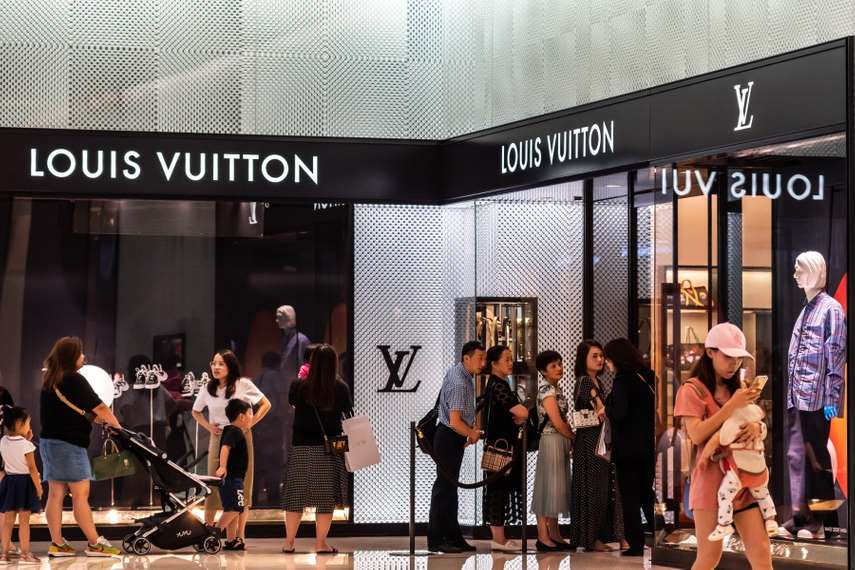
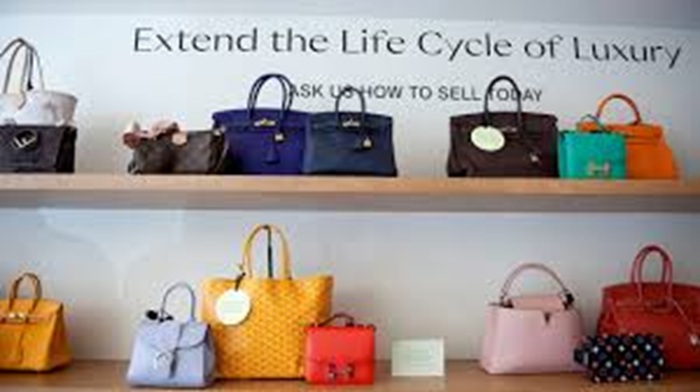
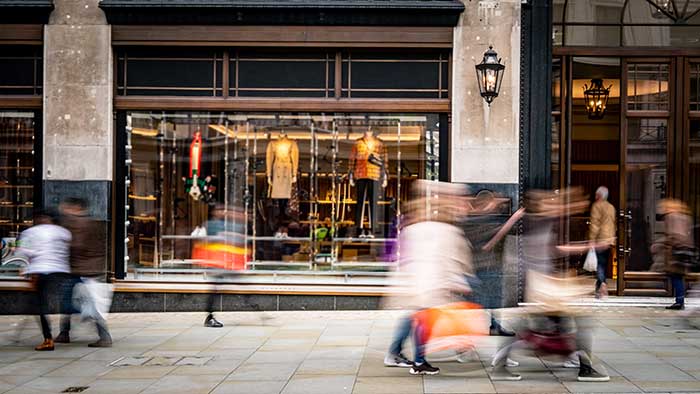
As China's affluent consumers mature, a there is a shift in the luxury market. The days of conspicuous consumption and Western-centric status symbols are fading. A new ‘Neo-Luxury Era’ has emerged, driven by a demand for depth, authenticity, and cultural resonance. At the heart of this transformation is the concept of jingzhi, a philosophy of refinement that emphasizes quality, craftsmanship, and meaningful experiences.
The rise of Jingzhi
Jingzhi, rooted in centuries of Chinese cultural heritage, originally embodied meticulous refinement and exquisite detail. In modern China, it has evolved to signify a lifestyle that values authenticity, depth, and cultural continuity. This shift is due to several factors:
Mindful consumption: Younger generations prioritize quality over quantity, seeking products that reflect their personal values and align with sustainability and authenticity.
Cultural confidence: Consumers are moving away from Western status symbols and embracing homegrown cultural aesthetics, celebrating Chinese craftsmanship and traditional designs.
Experience-driven living: There is a growing emphasis on experiences that enrich well-being and identity, such as wellness retreats, cultural tourism, and niche hobbies.
Year 2025 marks a critical turning point for brands in China's luxury market. They must adapt to these shifting priorities or risk irrelevance.
Key trends shaping the neo-luxury era
One major trend is the travel resurgence. The global luxury travel market is projected to reach $1.2 trillion by 2027, with Chinese outbound tourism spending expected to surpass $400 billion by 2033. This resurgence presents a lot of opportunities for luxury brands to engage Chinese consumers globally and create immersive experiences that align with the jingzhi lifestyle.
China's health and wellness economy too is booming, with the market expected to surpass $1.6 trillion by 2030. Consumers are seeking premium wellness solutions that blend functionality with aspiration and sophistication, driving demand for luxury wellness retreats, high-performance skincare, and personalized Traditional Chinese Medicine treatments.
While traditional Tier-I cities remain important, new Tier-I cities and lower-tier cities are emerging as key growth markets. By 2030, over 70 per cent of China's middle-class and affluent consumers will be from Tier-III cities and below. Luxury brands are increasingly exploring these markets, recognizing the growing purchasing power and willingness to spend among residents.
The growing divide between affluent luxury buyers and price-sensitive mass consumers is pushing brands to adopt multi-tiered pricing strategies. While high-net-worth individuals continue to drive luxury spending, middle-class consumers are exhibiting more cautious purchasing behavior.
The Jingzhi blueprint for brands
To thrive in this evolving landscape, brands must embrace the six pillars of the ‘Jingzhi Success Framework’:
Craftsmanship: A dedication to heritage, innovation, and social responsibility.
Quality: Excellence across all consumer touchpoints, ensuring a refined experience.
Authenticity: A commitment to cultural sincerity and localized engagement.
Commitment: Long-term investment in sustainability, innovation, and community.
Intelligence: Deep market understanding, strategic agility, and data-driven adaptation.
Vision: A clear, forward-thinking ambition that aligns with the future of Chinese luxury.
Several brands are already successfully embodying the principles of jingzhi. For example, Loewe has elevated China's cultural heritage by intertwining traditional Chinese artistry with contemporary design. Documents the fragrance brand crafts its collections using traditional artisanal techniques and creates experiential retail spaces that immerse consumers in Eastern philosophical and aesthetic traditions.
Harrods the department store partnered Chinese designers to showcase Eastern aesthetics for global audiences, honoring Chinese heritage and positioning it on a global stage. Similarly, Moncler the luxury fashion brand redefined luxury as a cultural dialogue, merging avant-garde design with localized heritage and demonstrating a long-term commitment to China. ICICLE the fashion brand established itself by focusing on refined, sustainable fashion rooted in Chinese culture and craftsmanship.
The Jingzhi Imperative is clear: brands must move beyond surface-level adaptation and fully integrate the six pillars of jingzhi into their business strategies. By embracing craftsmanship, quality, authenticity, commitment, intelligence, and vision, brands can achieve meaningful, sustainable, and culturally resonant growth in China's Neo-Luxury Era and beyond.
Next Big Opportunity for Indian Textile &Apparel: Strategic focus on key product categories for US market share
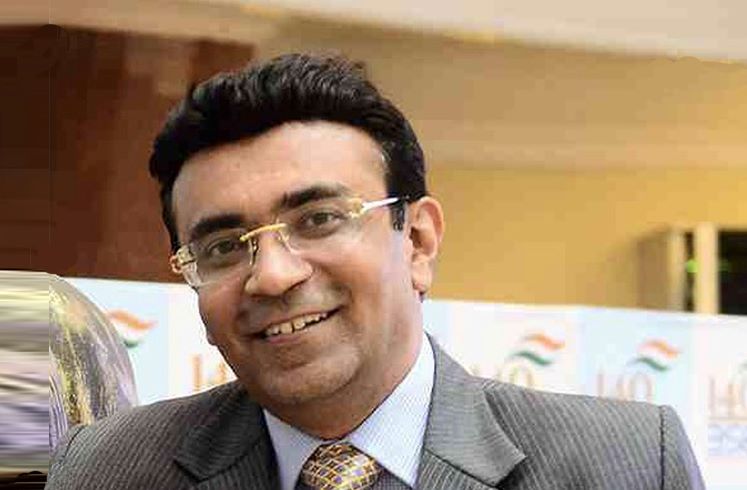
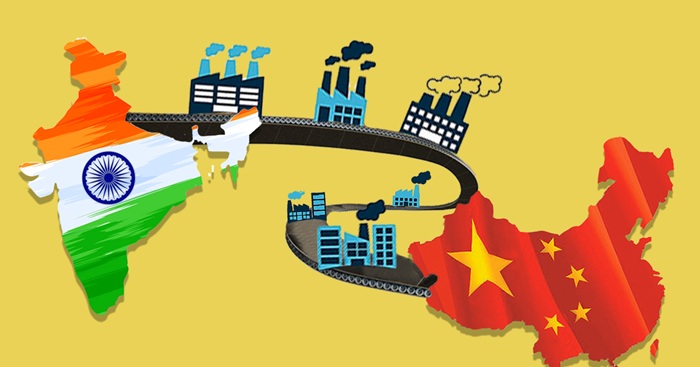
A compelling analysis by Sanjay K Jain, Chairman of the ICC National Textile Committee at the Indian Chamber of Commerce, shines a spotlight on a transformative opportunity for India's textile and garment export sector. His analysis into the top textile and apparel items imported by the USA from China in 2024 reveals a significant price advantage for India, fuelled by reciprocal tariffs between the US and China. This price gap, even with potential future adjustments, positions India favourably to capture a substantial portion of the US market, currently dominated by Chinese suppliers. Jain emphasizes that securing consistent access to essential raw materials for Indian garment exporters is the linchpin to realizing this potential.
Untapped Potential: India's miniscule share in high-value US imports
Despite its robust textile manufacturing base, India's current share in the US imports of these high-demand categories is surprisingly low compared to China. Jain's analysis underscores this disparity, highlighting the immense untapped potential waiting to be unlocked.
"The data speaks volumes about the opportunities we are missing," states Sanjay K Jain. "The tariff advantage provides a crucial window, but we must address the fundamental need for readily available and competitively priced raw materials for our garment manufacturers to truly capitalize on this situation."
Strategic Focus: Identifying high-potential product categories
Jain's analysis goes beyond a general overview, pinpointing specific Harmonized System Nomenclature (HSN) codes and product categories where India possesses a particularly strong potential to increase its market share in the USA.
Key Data on USA Imports from China (2024) and India's Position
|
HS Code |
Commodity |
USA's Imports from World (US$ Mn) |
USA's Imports from China (US$ Mn) |
China's Share (%) |
India's Share (%) |
|
|
1 |
630790 |
Made-up articles of textile materials, incl. dress patterns, n.e.s. |
5,170.70 |
3,453.72 |
66.80% |
2.90% |
|
2 |
630710 |
Blankets and travelling rugs of synthetic fibres (excl. electric, table covers, bedspreads, etc.) |
1,374.37 |
1,261.70 |
91.80% |
2.20% |
|
3 |
611596 |
Full-length or knee-length stockings, socks and other hosiery, incl. footwear |
1,532.77 |
1,095.28 |
71.50% |
2.50% |
|
4 |
611020 |
Jerseys, pullovers, cardigans, waistcoats and similar articles, of cotton, knitted or crocheted |
7,411.20 |
1,043.15 |
14.10% |
5.80% |
|
5 |
611030 |
Jerseys, pullovers, cardigans, waistcoats and similar articles, of man-made fibres, knitted |
4,837.28 |
995.51 |
20.60% |
0.60% |
|
6 |
620462 |
Women's or girls' trousers, bib and brace overalls, breeches and shorts of cotton (excl. knitted) |
4,011.92 |
674.59 |
16.80% |
3.10% |
|
7 |
630232 |
Bedlinen of man-made fibres (excl. printed, knitted or crocheted) |
782.96 |
653.39 |
83.50% |
6.30% |
|
8 |
621210 |
Brassieres of all types of textile materials, whether or not elasticated, incl. knitted |
2,119.78 |
579.47 |
27.30% |
1.30% |
|
9 |
630392 |
Curtains, incl. drapes, and interior blinds, curtain or bed valances of synthetic fibres |
1,129.38 |
559.08 |
49.50% |
1.10% |
|
10 |
620443 |
Women's or girls' dresses of synthetic fibres (excl. knitted or crocheted and petticoats) |
1,131.78 |
511.95 |
45.20% |
9.90% |
|
11 |
611610 |
Gloves, mittens and mitts, impregnated, coated, covered or laminated with plastics or rubber |
852.01 |
502.45 |
59.00% |
1.20% |
|
12 |
620240 |
Women's or girls' overcoats, car-coats, capes, cloaks, anoraks, incl. ski jackets, wind-cheaters |
1,346.76 |
456.27 |
33.90% |
0.60% |
|
13 |
610832 |
Women's or girls' nightdresses and pyjamas of man-made fibres, knitted or crocheted |
994.75 |
446.52 |
44.90% |
1.60% |
|
14 |
620140 |
Men's or boys' overcoats, car-coats, capes, cloaks, anoraks, incl. ski jackets, wind-cheaters |
1,466.97 |
440.03 |
30.00% |
1.30% |
|
15 |
630260 |
Toilet linen and kitchen linen, of terry towelling or similar terry fabrics of cotton |
2,121.52 |
417.55 |
19.70% |
40.60% |
|
16 |
611430 |
Special garments for professional, sporting or other purposes, n.e.s., of man-made fibres |
1,023.99 |
404.08 |
39.50% |
0.90% |
|
17 |
620343 |
Men's or boys' trousers, bib and brace overalls, breeches and shorts of synthetic fibres |
2,300.22 |
377.44 |
16.40% |
0.90% |
|
18 |
611012 |
Jerseys, pullovers, cardigans, waistcoats and similar articles, of hair of Kashmir 'Cashmere' |
511.99 |
354.15 |
69.20% |
0.00% |
Source: Analysis by Sanjay K Jain, ICC National Textile Committee, based on 2024 USA Import Data.
Made-up Articles of Textile Materials (HSN Code 630790): This category, encompassing a wide array of textile products including dress patterns, showcases a massive import volume from China ($3.45 billion) with India's share being a meager 2.9%. The significant price difference post-tariffs makes this a prime target for Indian manufacturers, provided they have access to diverse textile raw materials.
Blankets and Travelling Rugs of Synthetic Fibres (HSN Code 630710): With China commanding a 91.8% share of the US import market in this segment, the potential for India is substantial. The high import volume ($1.26 billion from China) coupled with the tariff advantage could make Indian exports significantly more competitive, assuming availability of synthetic fibre raw materials.
Jerseys, Pullovers, Cardigans, Waistcoats (Knitted - HSN 611020 & Man-Made Fibres - HSN 611030): While India has a slightly better footing in cotton knitted garments (5.8% share), its presence in man-made fibre knitted garments is negligible (0.6%). Given the substantial US imports from China in both categories ($1.04 billion and $995.51 million respectively), focusing on strengthening the supply chain for both cotton and synthetic yarns could yield significant gains.
Women's or Girls' Trousers of Cotton (HSN Code 620462) & Synthetic Fibres Dresses (HSN Code 620443): These apparel categories also present considerable opportunities. China's strong hold ($674.59 million and $511.95 million respectively) contrasts sharply with India's smaller shares (3.1% and 9.9%). Access to quality woven cotton and synthetic fabrics will be crucial for Indian manufacturers to effectively compete.
The Raw Material Imperative: The key to unlocking India's export potential
Jain emphasizes that the tariff advantage alone is insufficient. The ability of Indian garment exporters to effectively compete hinges on consistent access to high-quality raw materials at competitive prices.
A Call to Action: Seizing the moment for economic growth
Jain's analysis serves as a clear call to action for the Indian textile industry and policymakers. By strategically focusing on the identified high-potential product categories and addressing the critical need for readily available raw materials, India can transform the current trade dynamics and significantly increase its share in the lucrative US market.
"This is a pivotal moment for the Indian textile sector," concludes Sanjay K Jain. "We have a unique opportunity to leverage the changing global trade landscape to our advantage. By working collaboratively to strengthen our raw material base and empower our garment exporters, India can finally realize its true potential in the global textile arena." The question remains whether India will seize this golden opportunity or allow it to slip away, as has happened in the past.
Twelve years after Bangladesh’s Rana Plaza tragedy, legal protection for workers still lags
On Thursday, April 24, the world marks twelve years since the Rana Plaza collapse in Bangladesh, where at least 1,138 garment workers lost their lives. Despite early promises from global fashion brands to reform supply chains, meaningful progress has mostly relied on binding agreements like the Bangladesh Accord. Clean Clothes Campaign is urging brands to move beyond empty pledges and adopt enforceable commitments.
The tragedy exposed deep-rooted structural issues in the garment industry poverty wages, unsafe conditions, and suppression of union rights. Brands initially responded with sweeping promises, like H&M’s pledge for living wages within five years. Yet, wages remain insufficient, and workers still face intimidation when organizing for better pay.
While the Accord has improved factory safety, some brands including Amazon, IKEA, and Walmart continue to rely on ineffective self-monitoring or avoid participation altogether. Furthermore, recent governance shifts under the RMG Sustainability Council (RSC) and labor code amendments have weakened safety oversight at the factory level, prompting fresh concerns from labor leaders.
New challenges, such as climate-related risks like heat stress and flooding, make the Accord's proactive expansion even more critical. Injury compensation remains limited, although the Employment Injury Scheme pilot launched in 2022 marks a key step forward.
Minimum wage reforms in recent years have failed, leading to mass protests and violent crackdowns. Despite some legal victories, many workers still face unresolved charges. Labor leaders argue that only binding wage commitments and robust union protections will ensure real change.
As the European Union’s landmark Corporate Sustainability Due Diligence Directive faces threats of dilution, activists warn that without strong legal mandates, the systemic abuse that led to Rana Plaza remains dangerously unaddressed. They call on both global brands and Bangladesh’s interim government to prioritize workers’ rights through enforceable legislation.
Turkish textile leaders unite for fair, green future with Istanbul Declaration under StitchTogether
On 8-9 April 2025, key social partners in Turkiye’s textile and clothing sector gathered in Istanbul under the EU-funded StitchTogether project to address the industry’s transformation amid digital, green, and social challenges. The event culminated in the presentation of the Istanbul Declaration a joint commitment by employers and trade unions to promote social dialogue and shared responsibility in navigating change.
The seminar brought together representatives from the Turkish employer association TTSİS, national trade unions including Teksif, Oz İplik İş and DİSK Tekstil, as well as global brands, the Ministry of Labour, the International Labour Organisation (ILO), and the Social Labour Convergence Programme. Discussions focused on upskilling the workforce, implementing responsible business conduct, and supporting just transition initiatives.
The Istanbul Declaration calls on the Turkish government and the European Union to strengthen support for regional development, sustainability, and fair labour practices in the industry. Social partners agreed on a shared roadmap to boost competitiveness while safeguarding workers rights.
IndustriAll Europe’s General Secretary Judith Kirton-Darling emphasised solidarity with over one million Turkish textile workers, highlighting the need for freedom of association and collective bargaining. Euratex Director General Dirk Vantyghem noted that constructive dialogue is essential to help companies remain flexible and competitive in a rapidly changing landscape.
Tiruppur knitwear exporters anticipate 25% rise in shipments in FY26
Having achieved exports worth Rs 400 billion in FY25, the knitwear industry in Tirupur, anticipates these exports to rise by around 25 per cent in the upcoming fiscal year. This optimistic outlook is fueled by international buyers seeking to diversify their sourcing away from Bangladesh and China due to political instability and the ongoing US tariff disputes.
According to the Apparel Export Promotion Council (AEPC), buyers are increasingly placing orders with Indian companies. Dr A Sakthivel, Vice Chairman, AEPC, notes, domestic firms are experiencing a growth in orders from the US and the UK, two crucial export markets for Tirupur.
This increase is attributed to expectations of favorable terms arising from India's ongoing bilateral trade discussions with these two nations. India is currently engaged in trade negotiations with the US, with a deal anticipated to be finalized later this year.
India’s comprehensive presence across the entire supply chain, from raw materials to finished goods, coupled with quicker order execution and recent enhancements in quality, has boosted the confidence of international buyers in Indian suppliers. This is also contributing significantly to the rise in order volumes, states Dr Sakthivel. This positive trend is expected to continue despite prevailing global uncertainties, he adds.
In FY25, the Tirupur knitwear cluster recorded a 20 per cent rise in exports reaching Rs 400 billios. Around 45 per cent of these shipments were destined for Europe, and 30 per cent for the United States. RMG exports from India grew by 10 per cent to Rs 1.36 trillion in FY25. Notably, knitwear exports constituted 49 per cent of this total, marking a significant increase from the previous year.
Temu, Shein to raise products’ prices from April 25, 2025
With President Trump’s crackdown on low-value imports and sweeping tariffs raising the operational costs of their low-priced products, Chinese online marketplace Temu and fast-fashion retailer Shein plan to increase their products’ prices from next week.
Both the firms plan to raise the prices of their products from April 25, 2025. Hence, they have urged shoppers to purchase their desired products at today’s rates
Retailers of products ranging from fasion, toys to smartphones, both Shein and Temu experienced a rapid growth in the US market owning to the ‘de minimis’ exemption, which enabled to keep their prices low.
However, a recent executive order by US President Donald Trump eliminates the earlier trade benefit of allowing them to import products from China and Hong Kong duty free into the United States. The order is likely to be implemented from May 2, 2025.
Unifi launches Repreve, a new recycled fibers brand incorporating Ciclo technology
A yarn manufacturer known for its recycled and synthetic offerings, Unifi launched Repreve, a brand of recycled fibers incorporating Ciclo's biodegradable technology at the Functional Fabrics Fair.
Ciclo’s patented biodegradable technology allows synthetic materials to break down naturally in the environment. The technology is compatible with both filament and staple polyester, as well as nylon.
A result of Unifi’s collaboration with Intrinsic Advanced Materials, a JV between Parkdale Advanced Materials and Intrinsic Textiles Group, the Repreve with Ciclo technology addresses the global issue of synthetic microfiber shedding by providing a globally accessible solution for mills, brands, and retailers to reduce microplastic fiber pollution, states Eddie Ingle, CEO, Unifi.
The Repreve with Ciclo technology enables synthetic fibers to naturally biodegrade when exposed to moisture and microorganisms for extended periods. This significantly reduces the amount of time synthetic fibers, which contribute to microplastics, persist in the environment.
The Ciclo technology is currently being used by several sustainable brands in their products, including Target, Bass Pro Shops, Billabong, and Champion.
Cheryl Smyre, Vice President, Parkdale Advanced Materials, says, tackling this challenge requires collaboration across the industry Combining two powerful solutions – Repreve and Ciclo , this joint initiative helps maximize the use of recycled content while addressing microfiber pollution at its origin.
Unifi now plans to produce all of its Repreve-branded products with the Ciclo additive, including Repreve Takeback and Repreve Our Ocean.
Unifi showcased these new products at Booth 815 at the Functional Fabric Fair, held at the Oregon Convention Center in Portland.
NTTM supports development of specialized firefighting suits by NITRA and 5S
An initiative of India’s Ministry of Textiles, National Technical Textile Mission (NTTM) has announced its support to a groundbreaking project that aims to create ‘Specialized Firefighting Suits.’
Being developed by the Northern India Textile Research Association (NITRA) in collaboration with 5S, these advanced suits are essential for personnel engaged in Firefighting and Emergency Services, Defense forces, Oil & Gas sector, Aerospace & Aviation, Power Plants & Thermal Industries, and similar high-risk environments. Currently, India produces such specialized firefighting suits, often referred to as fire entry suits, on a very limited scale, often compelling it to import them from Europe, the US, and China.
The current annual demand for these suits in India is around 1,000 sets. However, the introduction of an Indian-certified aluminized suit may dramatically increase this consumption. With the commercialization of their product, System 5S has an initial annual production capacity of 1,000 suits.
According to EN 1486, a European Standard outlining requirements and testing for firefighters' protective clothing, specialized firefighting gear must offer full-body protection, including the head, hands, and feet, against intense radiant heat and direct flame exposure. This ensemble includes a garment, a hood (either integrated or separate), gloves, and over boots. Furthermore, these suits are designed to be used with respiratory protection, with variations depending on whether the breathing apparatus is worn inside or outside the protective clothing.
System 5S has successfully developed an indigenous Specialized Fire Fighting Suit that meets the stringent requirements of EN 1486 or ISO 15538 standards. The suit is designed to ensure the safety, comfort, and ease of firefighters. It has been constructed using aluminized coated glass fabrics, OPAN (Oxidized Polyacrylonitrile) nonwoven batting, and FR (Flame Resistant) viscose fabric, with all inner layers quilted together. Trial production of these suits has already commenced and full-scale commercial production will begin after successfully completing the fire manikin test, as mandated by the EN ISO 13506 standard.
High-tenacity polyester filament yarn market in the Middle East to grow at 1.2% CAGR from 2024-35
Poised for continued growth, the Middle East market for high-tenacity polyester filament yarn is anticipated to grow at compound annual growth rate (CAGR) of +1.2 per cent in value and +1.1 per cent in volume from 2024-35. The market is projected to reach 56,000 tons and $137 million by the end of this period.
This growth is primarily being driven by an increasing demand for high-tenacity polyester filament yarn across the Middle East. While growth is expected to moderate slightly over the next decade, consumption is still forecast to rise steadily. In 2024, however, consumption declined by 15.7 per cent to 50,000 tons, marking the second consecutive year of decline after a period of growth. Despite this recent dip, overall consumption has shown resilience, peaking at 63,000 tons in 2022.
The value of the high-tenacity filament polyester yarn market in the Middle East also declined by -15.2 per cent to $119 million in 2024. This figure represents the total revenue of producers and importers at nominal wholesale prices. Similar to volume, the market value had previously shown strong expansion, reaching a peak of $155 million in 2022.
Turkey emerged as the largest consumer in 2024, accounting for approximately 69 per cent of the total volume with 35,000 tons. The United Arab Emirates (UAE) followed with 7,700 tons, and Saudi Arabia with 3,600 tons. Notably, consumption across the UAE and Saudi Arabia grew at an average annual consumption growth rates of +25.3 per cent and +9.7 per cent respectively, between 2013-24.
In terms of value, Turkey also led the market at $90 million, followed by the UAE at $14 million and Iran. The value of the high-tenacity filament polyester yarn in the UAE exhibited the most substantial average annual market growth of +22.2 per cent during the same period. The UAE also recorded the highest per capita consumption in 2024 at 756 kg per 1,000 people, followed by Turkey (400 kg) and Saudi Arabia (98 kg).
After three years of growth, production of high-tenacity filament polyester yarn in the Middle East declined by -44.5 per cent in 2024 to 37 tons. Lebanon remained the largest producer, accounting for almost all of the total volume. Imports also decreased by -14.7 per cent in 2024 to 51,000 tons, with Turkey being the largest importer.
The import price saw a significant increase of 29 per cent in 2024, reaching $2,079 per ton. Exports, primarily from the UAE and Turkey, increased by 39 per cent in volume in 2024, while the export price declined sharply by -40.6 per cent to $2,176 per ton.
India registers 6.32% rise in T&A exports to $36.6 billion in FY25
In the recently concluded FY2024-25, India registered a 6.32 per cent rise in textile and apparel (T&A) exports to $36.606 billion.
A significant contributor to this growth were apparel exports which rose by 10.03 per cent to $15.989 billion, while textile exports grew by 3.61 per cent to $20.617 billion. However, in March 2025, combined T&A exports experienced a moderate growth to $3.387 billion. During the month, apparel shipments increased by 3.97 per cent while textile exports declined by 5.81 per cent.
Looking at the annual figures, India’s apparel exports expanded from $14.532 billion in FY24 to $15.989 billion in FY25. On the other hand, textile exports rose from $19.899 billion to $20.617 billion during the same period. Apparel exports in March 2025 increased by 3.97 per cent to $1.531 billion, , while textile exports fell to $1.856 billion, a 5.81 percent drop.
Within the textile sector, exports of cotton yarn, fabrics, made-ups, and handloom products registered a modest growth of 3.19 per cent to $12.056 billion in FY25. Exports of man-mafde yarn, fabrics, and made-ups rose by 4.07 per cent to $4.869 billion, while carpet exports experienced a significant growth of 10.46 per cent, reaching $1,541.97 million. In March 2025, exports of cotton yarn, fabrics, made-ups, and handloom products grew by 2.16 per cent to $1,118 million, while exports of man-made yarn, fabrics, and made-ups declined by 0.85 per cent to $436 million. However, carpet exports increased by 6.52 per cent to $137 million.
Imports of raw cotton and waste expanded by 103.67 per cent to $1,219 million during FY25, compared to $599 million in the previous fiscal year. Imports of textile yarn, fabrics, and made-ups also rose by 8.69 per cent, from $2,278 million to $2,476 million. In March 2025, imports of raw cotton and waste jumped by 61.97 per cent to $79 million, while imports of textile yarn, fabrics, and made-ups increased by 19.98 per cent to $193 million.
In FY24, India’s textile and apparel exports totaled $34.430 billion, a 3.24 per cent decrease from FY23. Apparel exports declined by 10.25 per cent to $14.532 billion, while textile exports increased by 2.62 per cent to $19.898 billion. Imports in FY24 showed a significant decline in raw cotton and waste (down 58.39 per cent) and textile yarn, fabrics, and made-ups (down 12.98 percent) compared to FY23.
More...
Hermes registers 7% growth in Q1, FY25 sales despite luxury market slowdown
Despite a general slowdown in the luxury market, French luxury powerhouse Hermès International registered a 7 per cent increase in sales to €4.13 billion at consistent exchange rates in Q1, FY25.
While these figures slightly missed analysts' predictions of an 8 per cent rise in sales to €4.2 billion, Hermès outperformed its French luxury rivals like LVMH Moët Hennessy Louis Vuitton, which reported a 2 per cent decline in sales. However, this growth rate represents a deceleration from Q4, FY24 where Hermès had registered an 18 per cent rise in sales.
Axel Dumas, Chief Executive Officer, Hermès states, the group achieved a solid growth in sales despite a high comparison basis in the quarter. He attributed this growth to the company's vertically integrated model.
In a research report, Luca Soca, Analyst, Bernstein notes, these results confirm a slower consumer demand environment.
The brand’s sales in the United States grew by 11 per cent while sales in Europe, excluding France, increased by 13 per cent. Sales in the Middle East rose by 14 per cent sales at constant currency, while Japan experienced a substantial 17 per cent jump, driven by local clientele.
Sales in the rest of Asia, however, increased by only 1 per cent due to ongoing softness in the Chinese market.
Boosted by new designs of bags like Medor and Mousequeton, sales of the retailer’s leather goods division increased by 10 per cent at constant currency rates. Sales of ready-to-wear grew by 7 per cent for the quarter.
Silk and textiles, including the brand's iconic scarves, experienced a 5 per cent rise in sales while sales in the fragrance and beauty segments remained flat.
Continuing its expansion strategy, Hermes plans to open three new production facilities in France over the next three years.
Taking currency fluctuations into account, the company’s sales increased by 9 per cent, boosting its revenue by €49 million.
Looking ahead, the company aims to grow revenues at constant exchange rates in the medium-term, despite the economic, geopolitical and monetary uncertainties around the world.It aims to leverage its highly integrated artisanal model, the balanced distribution network, the creativity of collections and the loyalty of clients.
Local brands challenge global titans amid evolving consumer demand in China’s sportswear market

China has consolidated its position as a powerhouse in the global sportswear market, driven by a growing middle class, increasing health consciousness, and government initiatives. The global sportswear market, valued at approximately $400 billion in 2023, is projected to reach over $600 billion by 2030, at a CAGR of around 5 to 6 per cent. Given this scenario, China is a crucial growth driver, with its market size reaching approximately 1.4 trillion yen (around $200 billion) in 2023. Global leaders like Nike and Adidas have long held significant market share, but domestic brands like Anta and Bosideng are rapidly closing the gap, leveraging unique strategies and deep market understanding.
China's domestic sportswear market dynamics
Despite global economic uncertainties, China's apparel sector, particularly sportswear, has shown remarkable resilience. The 2025 IMD China Company Transformation Indicator (CCTI) rankings highlight key success factors as: business robustness (BR), early innovation results (EI), and R&D efforts (RD).
In 2023, total retail sales of China's garments, footwear, hats, and textiles sector grew by 12.9 per cent year-on-year, reaching yen 1.4 trillion. Sportswear and athleisure segments led this growth with rising health consciousness and government initiatives like the Outdoor Sports Industry Development Plan (2022-2025).
However, 2024 witnessed a slowdown due to global economic challenges, geopolitical tensions, and domestic restructuring, impacting the mass market significantly. Then the Chinese government gave stimulus in late 2024 aimed to revitalize growth, with early signs of recovery emerging in 2025.
What has helped it revival is the rising consumer confidence and evolving lifestyle trends; increasing health consciousness and participation in sports; supportive government policies promoting the sports industry; growing demand for athleisure and performance apparel.
Domestic champions rise
Now, Chinese sportswear brands are rapidly gaining market share with their innovations, diversification, and strong digital engagement. For example, domestic brand Anta Sports gained due to its multi-brand strategy and R&D prowess. Anta secured the second spot in the 2025 CCTI rankings, revealing its dominance through a multi-brand strategy, including Fila, Descente, and Kolon Sport. In 2023, Anta 's revenue grew 16.2 per cent to yen 62.4 billion, with significant contributions from the Anta and FilaA brands. The company's strong R&D investments of almost yen 1.61 billion in 2023, have resulted in advancements in high-performance footwear, smart sportswear, and eco-friendly materials, with over 2,300 patents.
Table: ANTA revenue and growth
|
Year/Period |
Revenue (RMB bn) |
Growth (%) |
|
2023 |
62.4 |
16.2 |
|
H1 2024 |
33.735 |
13.8 |
Similarly Bosideng another domestic brand has transitioned into China's leader in premium down apparel, driven by strong customer engagement and a direct-to-consumer model. In 2023-24, revenue increase to yen 23.2 billion, with net profit rising to yen 3.1 billion. The company's R&D efforts, with over 1,193 patents, focus on thermal insulation, lightweight materials, and innovative construction techniques have given it a huge boost.
Global brands adapt
Meanwhile, global brands are navigating the Chinese market with varying degrees of success. Lululemon Athletica saw significant growth in China, rising to fifth place in the 2025 CCTI rankings. The brand reported 67 per cent growth in China in 2023, contributing to its global revenue of $9.6 billion. Lululemon aims to double revenue to $12.5 billion by 2026, targeting the premium activewear segment. However, it has a low ranking in R&D efforts, which is a major area for potential improvement.
Adidas dropped to eighth place in the 2025 rankings, facing challenges in customer engagement amidst intensifying domestic competition. Now the brand has to recalibrate its strategies to maintain competitiveness in China's dynamic market.
Therefore, China's sportswear market expected to continue growing with domestic brands and evolving consumer demands. Companies that prioritize innovation, deepen local engagement, and embed sustainability into their strategies will thrive in this dynamic landscape. While domestic brands gain ground, they must strengthen their market positioning and differentiation. Simultaneously, evolving consumer demands require companies to strengthen digital engagement, localize production innovation, and consider international expansion. The future belongs to companies that master innovation, deepen local engagement, and embed sustainability into their core strategies.
Under Armour expands Board of Directors team with three new appointments
American sportswear brand Under Armour has expanded its Board of Directors with the appointment of three new members: Dawn Fitzpatrick, Eugene Smith, and Robert Sweeney. Their diverse expertise spans finance, sports leadership, and investment.
Dawn Fitzpatrick brings extensive financial and operational acumen to the board. For the past eight years, she has served as the Chief Executive Officer and Chief Investment Officer, Soros Fund Management, a private investment firm. Prior to joining Soros, she was employed at UBS and its predecessor companies for nearly 25 years. Her most recent role was as the Head – Investments, UBS Asset Management. She also held leadership roles at UBS O'Connor, the firm's hedge fund business.
Currently, Fitzpatrick serves as Non-Executive Director, Barclays plc, and is involved in its Remuneration, Risk, and Sustainability Committees. Additionally, she contributes to the Federal Reserve Bank of Dallas Financial Sector Advisory Council as Chair, Advisory Council of The Bretton Woods Committee, and the Bloomberg New Economy Advisory Board.
Offering a deep understanding of intercollegiate sports management, Eugene Smith recently ended distinguished 19-year tenure as Senior Vice President and Athletic Director, Ohio State University (2005-2024). During his tenure at Ohio State, Smith co-chaired the NCAA's Federal-State Legislative Working Group on name, image, and likeness issues, chaired the 2011 NCAA Men's Basketball Committee, and served on the College Football Playoff Selection Committee.
His involvement with the NCAA also included participation in the Management Council, Committee on Infractions, Executive Committee, Football Rules Committee, and President's Commission Liaison Committee. Smith holds the distinction of being the first Black president of the National Association of Collegiate Directors of Athletics (NACDA) and is Former President- Division I-A Athletics Directors Association. He also served as Athletic Director, Arizona State, Iowa State, and Eastern Michigan universities.
Since 2019, Eugene Smith has been engaged as President, Sycamore Partners, a private equity firm focused on consumer, distribution, and retail-related investments. Before joining Sycamore, Sweeney spent 22 years at Goldman Sachs, ultimately as a Partner and Global Head - Consumer/Retail Investment Banking Group. Notably, he provided advisory support to Under Armour on various matters, including its initial public offering in 2005. Sweeney also served as an officer in the US Navy's Submarine Force from 1989 to 1995.
Mohamed El-Erian, Chair, Under Armour's Board, expressed enthusiasm for the new appointments, stating that their extensive financial and operational expertise, combined with Gene's deep knowledge of intercollegiate sports management, makes them exceptional additions to our board. Their unique talents, insights, and passion for the brand will be invaluable for navigating our next chapter" as the company pursues its growth strategy, he added.
This announcement follows Under Armour's recent upward revision of its annual profit forecast after exceeding quarterly results, driven by reduced discounting and a recovery in demand. In the quarter ending December 31, the brand’s revenue increased to $1.40 billion, surpassing analysts' expectations.
Tech Bulletin-Challenges faced by spinners during yarn manufacturing due to increased humidity and temperature, and low air quality
Spinners in the textile industry face several operational and quality-related challenges due to increased humidity, temperature, and low air quality in the work environment. These factors can significantly impact fiber behavior, machinery efficiency, worker health, and overall productivity. Below is a breakdown of the challenges and suggested strategies to mitigate them:
Challenges due to increased temperature
Problems:
- Reduced machine efficiency: Motors and bearings overheat, causing more breakdowns.
- Fiber damage: Excess heat can dry out or alter the natural properties of cotton or synthetic fibers.
- Worker fatigue: Leads to reduced concentration and higher error rates.
Mitigation strategies: To overcome these challenges, spinners need to:
- Install industrial cooling systems (HVAC or spot cooling).
- Use heat-resistant lubricants and components in machinery.
- Shift-based scheduling to avoid peak heat hours and reduce worker fatigue.
- Roof insulation and reflective paints to lower ambient temperature inside mills.
Challenges due to high humidity
Problems:
- Fiber swelling and stickiness: Especially problematic for cotton, leading to inconsistent yarn formation.
- Static electricity issues are reduced, but excessive moisture leads to machine corrosion.
- Doffing and drafting inefficiencies due to sticky fibers.
- Mold/mildew risk in storage areas.
Mitigation strategies: To overcome these challenges, spinners need to
- Maintain optimal relative humidity (RH) at 55 –65 per cent for cotton spinning.
- Install dehumidifiers and climate-controlled zones around sensitive machinery.
- Use hygrometers and automated humidity controllers to monitor real-time conditions.
- Adopt better ventilation systems to balance humidity without drastically altering temperature.
Challenges faced due to poor air quality
Problems:
- Fly and lint accumulation affects machinery performance and yarn quality.
- Respiratory health issues for workers: long-term exposure leads to diseases like byssinosis.
- Dust buildup causes electrical and fire hazards.
Mitigation strategies: To deal with these challenges spinners can
- Install high-efficiency air filtration systems (HEPA filters) in spinning halls alongwith frequent air exchange systems (exhaust fans, blowers).
- Regularly clean ducts and workspaces to prevent fly build-up.
- Acquire personal protective equipment (PPE) like masks for workers.
Cross-cutting strategies
To reduce their operational costs, spinners can implement the below-mentioned strategies
- Install automated environment monitoring systems for temperature, RH, and air quality.
- Upgrade energy-efficient infrastructure to improve airflow and reduce thermal load.
- Organize training sessions for floor staff to identify and report environmental issues quickly.
- Install green walls or indoor plants (where feasible) to improve air quality and reduce indoor heat.