Denim Premiere Vision concludes with strong impact on global denim industry in Milan
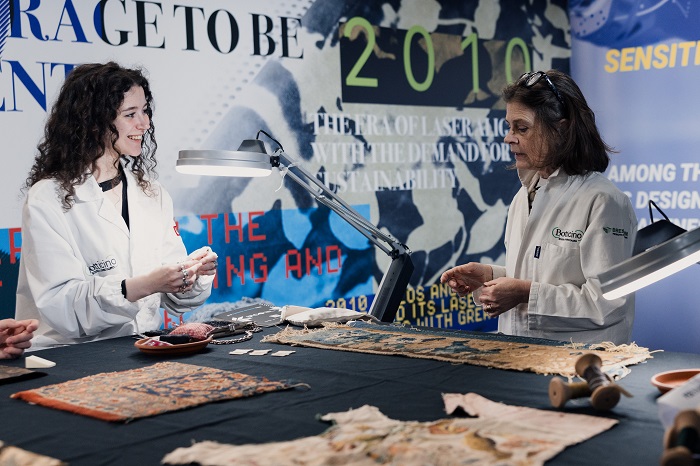
Denim Premiere Vision returned to Milan for its fourth consecutive edition, delivering two days of inspiring insights, innovative products, and valuable networking for the denim industry. Organized by GL events fashion division, the event attracted nearly 2,100 international professionals representing over 1,000 companies, alongside more than 80 exhibitors and 16 brands. Attendees eagerly explored the Fall-Winter 26-27 trends, discovering the latest advancements in denim manufacturing and sustainability.
Global industry leaders gather to showcase excellence
Fabio Adami Dalla Val, Show Manager of Denim Premiere Vision, highlighted the event’s growing prestige: “This edition brought together major players from the denim industry and offered an exceptionally high-quality selection, showcasing the best manufacturers from Italy, Japan, Turkey, and Morocco. The show’s success confirms our ambition to make it a premium and demanding event, centered around business development opportunities for the community.”
Exhibitors came from across the globe, including Italy, Turkey, Japan, Morocco, the United States, China, and France, displaying the newest denim innovations. Sixteen brands presented finished products within Milan’s Fashion District, offering a direct glimpse into upcoming seasonal trends. A dedicated Trend Forum focused on ‘Hybrid Denim,’ reflecting evolving consumer preferences and fabric technology.
The event also featured a rich program of eight expert-led conferences and a pitch stage with 12 presentations from exhibitors. Over 450 participants attended these sessions, gaining valuable knowledge on market dynamics, sustainability, and cutting-edge textile technologies.
Innovation and sustainability at the forefront
Denim Première Vision placed strong emphasis on innovation with a dedicated pitch stage spotlighting future-focused technologies. Among the highlights were DyeMate’s new responsible dyeing methods, which aim to reduce environmental impact, and RUDOLF’s breakthrough in dry denim washing using a fully biodegradable bio-abrasive made from food waste, setting new standards for eco-friendly processes in denim production.
For the first time, the Moroccan Association of Textile and Apparel Industries (AMITH) showcased Morocco’s textile modernization efforts. With a skilled and integrated workforce, proximity to Europe, and a strong commitment to sustainability, Morocco is positioning itself as a strategic and cost-effective sourcing destination for international brands.
Additionally, the Leonardo da Vinci Museum of Science and Technology hosted a fashion show featuring Bangladeshi Pioneer Denim, returning for the third consecutive year and recognized as a key player in the global denim market. A networking cocktail event with industry veteran Adriano Goldschmied fostered meaningful business exchanges among participants.
Strengthening Italian industry connections and sustainability initiatives
Around 60 percent of visitors hailed from Italy, underscoring Denim Première Vision’s strong roots and partnerships within the country. Beyond the main venue at Superstudio Più, the event extended its influence by collaborating closely with Italian stakeholders to promote excellence across the denim supply chain.
In partnership with Officina39, a leader in sustainable textile innovation, Denim Premiere Vision offered an exclusive media experience featuring a guided tour of Officina39’s showroom and lab in Biella. This was followed by a lunch and a private visit to Cittadellarte - Fondazione Pistoletto, fostering a deep appreciation for Italy’s sustainable fashion efforts.
In April, the Rudolf Hub 1922 hosted the F U T U R E dinner, a special event co-created with Premiere Vision. This gathering brought together top industry leaders, innovative brands, and academic experts for an evening of inspiring dialogue, blending industrial innovation with artistic vision and sustainable development challenges.
Denim Premiere Vision’s 2025 edition reinforced the importance of collaboration, innovation, and sustainability in shaping the future of denim, confirming its status as a must-attend event for professionals committed to advancing the global denim industry.
India-UK FTA, is a great opportunity for the country’s sustainable fashion SMEs

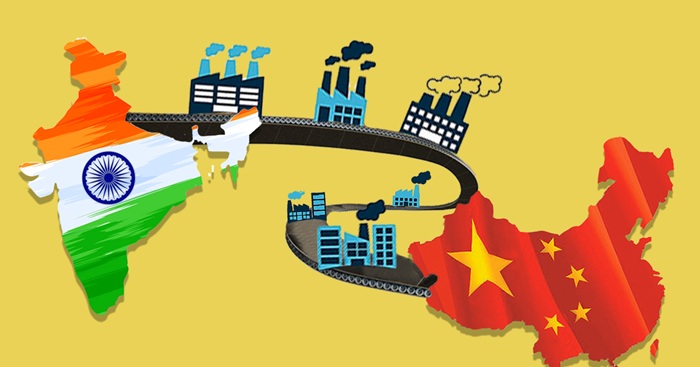
A major window of opportunity has opened for India's small and medium-sized enterprises (SMEs) in the sustainable fashion sector, thanks to the recently implemented India-UK Free Trade Agreement (FTA). This landmark agreement promises to reshape the export landscape, particularly for garment manufacturers, artisan clusters, and power loom & handloom units focused on environmentally conscious practices.
The FTA aims to reduce or eliminate tariffs on a vast majority of goods traded between the two nations, thereby leveling the playing field and making Indian sustainable fashion products more competitive in the lucrative UK market. For SMEs, this could translate into higher demand, better pricing for their unique creations, and a stronger foothold in an global market known for its growing appetite for ethical and sustainable fashion.
UK’s import dynamics
The UK is a substantial import market for textiles and apparel. In 2024, the UK's total clothing imports was almost £14.61 bn. Textile fabric import was around £5.34 bn, while fibre imports were around £378 million. Key sectors and sub-sectors within this include woven and knitted apparel, home textiles, specialty fabrics and yarns, and fashion accessories.
Importing countries and their strengths
The UK sources its textile and apparel from a numerous countries, each bringing unique strengths to the market.
China: It is the largest exporter of apparel and home textiles to the UK, with an estimated share of around 25 per cent of the import value in 2024. China possesses a large-scale manufacturing capacity, offering competitive pricing and a wide range of products. Their strength lies in mass production and established supply chains. However, concerns around labor practices and environmental sustainability are growing.
Bangladesh: Known for its large garment manufacturing industry, particularly in basic and fast fashion categories. Their competitiveness stems from lower labor costs. However, they are increasingly focusing on improving sustainability standards. Bangladesh is the second-largest exporter, with around 22 per cent of the UK's apparel and home textile import market in 2024.
Turkey: An important player with an estimated 8 per cent import share in 2024 Turkey offers a strong combination of quality, design capabilities, and geographical proximity to Europe, allowing for shorter lead times. They are competitive in mid-to-high-end apparel and home textiles.
Italy: Renowned for its high-end fashion, design expertise, and quality craftsmanship, particularly in luxury apparel, footwear, and leather goods. Their strength lies in branding, innovation, and premium materials.
India: Holds a significant position in the global textile and apparel market, with strengths in diverse raw materials (cotton, silk, wool), traditional crafts (handloom, embroidery), and a growing focus on sustainable and ethical production.
Pakistan: Held approximately 6.8 per cent of the market share in 2024.
Table: UK’s apparel & home textile imports
|
Country |
Estimated 2024 import value (apparel & home textiles in billions) |
Strengths |
Reasons for presence/exports |
|
China |
£3.65 |
Large-scale manufacturing, competitive pricing, wide product range |
Established supply chains, economies of scale |
|
Bangladesh |
£3.21 |
Large garment manufacturing capacity, competitive labor costs |
Focus on basic and fast fashion categories |
|
Turkey |
£1.17 |
Quality, design capabilities, geographical proximity to Europe |
Mid-to-high-end apparel, home textiles, shorter lead times |
|
Pakistan |
£1.00 |
Significant textile manufacturing base |
Price competitiveness in certain categories |
|
India |
£1.25 |
Diverse raw materials, traditional crafts, growing focus on sustainability |
Unique sustainable offerings, artisanal skills, increasing emphasis on ethical production |
India's growing strength
The India-UK FTA, coupled with India's inherent strengths, can lead to good growth in the country’s sustainable fashion exports to the UK. India’s exports will get a boost because of the tariff elimination post FTA. It ma y be noted that earlier the tariffs was almost 12 per cent on garments and 16 per cent on some other textile products Reduced or zero tariffs will make Indian products more price-competitive compared to those from countries without such agreements. This is a direct boost to the profits of Indian SMEs.
Also, the UK market is increasingly conscious of environmental and social issues in fashion. Sustainable practices, ethical sourcing, and fair trade are gaining traction among consumers, aligning perfectly with the offerings of many Indian SMEs. Add to it, India's traditional textile crafts like handloom and natural dyeing inherently embody sustainable principles. Promoting these unique offerings can resonate strongly with UK consumers seeking authentic and eco-friendly products. The vast network of skilled artisans and craftspeople can produce high-quality, unique, and sustainable fashion items that cater to niche markets in the UK. The FTA provides a platform to showcase and value these skills internationally.
The Indian government too is increasingly focused on promoting sustainable manufacturing and exports. Schemes supporting textile clusters, skill development, and sustainable practices will further empower SMEs to capitalize on the FTA. India's market share in the UK is also projected to increase from the current 6-7 per cent to potentially 11-12 per cent by 2027. Meanwhile, UK businesses are actively looking to diversify their supply chains, reducing reliance on single sources. India offers a viable and ethical alternative for sourcing sustainable fashion products.
In fact, for Indian fashion SMEs, particularly those in the garment manufacturing, artisan, and power loom/handloom sectors with a focus on sustainability, the India-UK FTA is more than just a trade agreement – it's a launchpad into a significant and receptive international market. By leveraging their unique strengths in sustainable practices and traditional crafts, these businesses are poised for substantial growth and can contribute significantly to India's export economy while championing ethical fashion on a global stage.
MIC endorses Gelseta project to revitalize Vernona’s silk industry
An Italian company specializing in sewing, embroidery, and knitting yarns, MIC has endorsed the Gelseta project to revitalize Vernona’s historic silk industry.
Being implemented in collaboration with the University of Verona, the project strives to reconnect agriculture with crafts, and industry. It involves restarting the mulberry cultivation to create a complete production cycle, including silkworm breeding and cocoon spinning into yarn. This will help MIC ensure a local, traceable, and sustainable supply chain.
The initial phase of the project, which includes planting mulberries and raising silkworms, is already underway. MIC is involved as both an industrial partner and an advocate for a circular, low-impact production model. In conjunction with the project's scientific partners, The company will manage the final stage: transforming the fibers into yarn.
Through this endeavor, MIC is committed to enhancing local expertise and contributing to the revival of a historically significant industry in the area, known for its high-quality products.
Bangladesh RMG exports to decline in 2025: Bloomberg Economics
Facing significant challenges, Bangladesh's RMG exports are projected to decline to $2 billion in 2025, according to a forecast by Bloomberg Economics. The report highlights increased tariffs in the United States, a potential decrease in exports to India, and ongoing domestic energy shortages as key contributing factors.
Accounting for 80 per cent of its total export earnings, RMG exports are a critical component of Bangladesh's economy. In 2024, the country generated $38.48 billion from RMG exports, according to data compiled by the Bangladesh Garment Manufacturers and Exporters Association (BGMEA). Bloomberg Economics warns, any substantial decline in these earnings could severely impact Bangladesh's foreign exchange reserves.
Forecasts suggests, the ‘damage could get even worse’ if competitors like India secure more favorable trade deals with the US, potentially allowing them to capture market share.
Furthermore, overseas retailers might cancel contracts with Bangladeshi suppliers if delivery delays occur. These delays could stem from longer travel routes due to India's recent withdrawal of transshipment facilities for Bangladeshi export cargo. On April 8, India revoked the ability for Bangladesh's exports to third countries to transit through its land borders to Indian airports and ports, a move exporters believe will increase shipment costs.
Additionally, domestic fuel shortages could force producers to halt manufacturing, further exacerbating delivery issues.
Amid pressure from local textile millers, India's National Board of Revenue (NBR) blocked yarn imports through several land ports on April 13. This was followed by broader restrictions on May 17, with India imposing limitations on imports of garments, agro-processed foods, furniture, and other goods from Bangladesh through land ports, raising concerns about significant export losses.
Bloomberg Economics estimates, India imports approximately $700 million worth of apparel from Bangladesh annually. The report suggests, if these import bans remain in place, Indian importers could replace all of these supplies with domestic products by 2027.
Complicating matters further, Bangladesh's status as a Least Developed Country (LDC) provided zero-duty access for its garments. However, with its graduation from LDC status set for November 2026, Bangladesh could face increased duties on its goods. Bloomberg Economics warns, a combination of higher duties, increased logistics costs, and longer transit times would erode the competitiveness of Bangladeshi exporters.
Finally, the report notes that higher tariffs globally this year could reduce global growth by 0.4 percentage points, which would also negatively impact Bangladesh's shipments.
Massimo Vian to step down as Director-Industrial and Supply Chain, Gucci
As a part of the Italian fashion brand’s ongoing management restructuring, Massimo Vian is set to step down from his position as Director-Industrial and Supply Chain, Gucci. Vian was appointed by the Kering-owned brand in 2023.
The 52-year-old Italian executive was responsible for managing the product development and production operations for Gucci’s leather goods, footwear, ready-to-wear, and jewelry divisions. He also managed the brand’s product distribution across its global retail network.
Having extensive experience in operations within the luxury sector, Vian plans to soon move to another company. He was earlier engaged as the Deputy General Manager-Product and Operations at the Italian eyewear giant Luxottica. Having joined the company in 2005 as director of industrial engineering, he spent 13 years at the company leaving it in 2017. Vian then led Italian cashmere brand Falconeri, a part of the Oniverse Group for a year before joining Prada in 2020 as chief operating officer.
Recently, Vian made headlines as he was investigated by the Italian financial markets regulator, Consob on allegations of being involved in insider trading 2020. He denies the allegations and has announced plans to contest the case in court.
His departure comes at a time when Gucci is set to enter a new growth phase under the anticipated creative direction of Demna. Last week, the brand announced two additional executive appointments. It named Maria Cristina as President-EMEA region and Marcello Costa as Director-Merchandizing.
China’s Tangshan Sanyou launches pilot facility to boost circular MMCF production
Tangshan Sanyou has launched a new pilot facility to advance circular textile innovation in Man-Made Cellulosic Fibre (MMCF) production. The new line, with a ten-tonne capacity, will test an innovative solvent-based process that converts waste cotton textiles directly into high-quality viscose fibres. These fibres will feed into the company’s recycled MMCF line, ReVisco.
This development follows years of investment in circular fibre solutions. Since 2018, Tangshan Sanyou has integrated recycled textile feedstocks into its MMCF operations, supporting the transition to more sustainable and lower-impact fibre production.
Among its key achievements, the company became the first conventional MMCF producer to incorporate Circulose recycled cotton pulp at a 30 per cent blend into ReVisco viscose staple fibre, including black viscose and additional colourway trials. Tangshan Sanyou recently renewed its collaboration with the new owners of Circulose as the Swedish mill prepares to restart operations.
The company also blends Sodra’s OnceMore recycled cotton pulp at 20 per cent into ReVisco viscose and modal fibres. It has announced readiness to scale ReVisco production up to 200,000 tonnes annually based on market demand and is also developing a lyocell version of ReVisco using recycled inputs.
Tangshan Sanyou has successfully trialled viscose fibre production using non-traditional feedstocks like hemp and Juncao. With a total MMCF production capacity of 808,000 tonnes, the company is among the world’s largest producers.
A Canopy partner since 2016, Tangshan Sanyou earned a Dark Green Shirt rating in the 2024 Hot Button Report and is assessed as having no known risk of sourcing from Ancient and Endangered Forests.
Apparel prices buck US inflation trend as Trump tariffs take effect
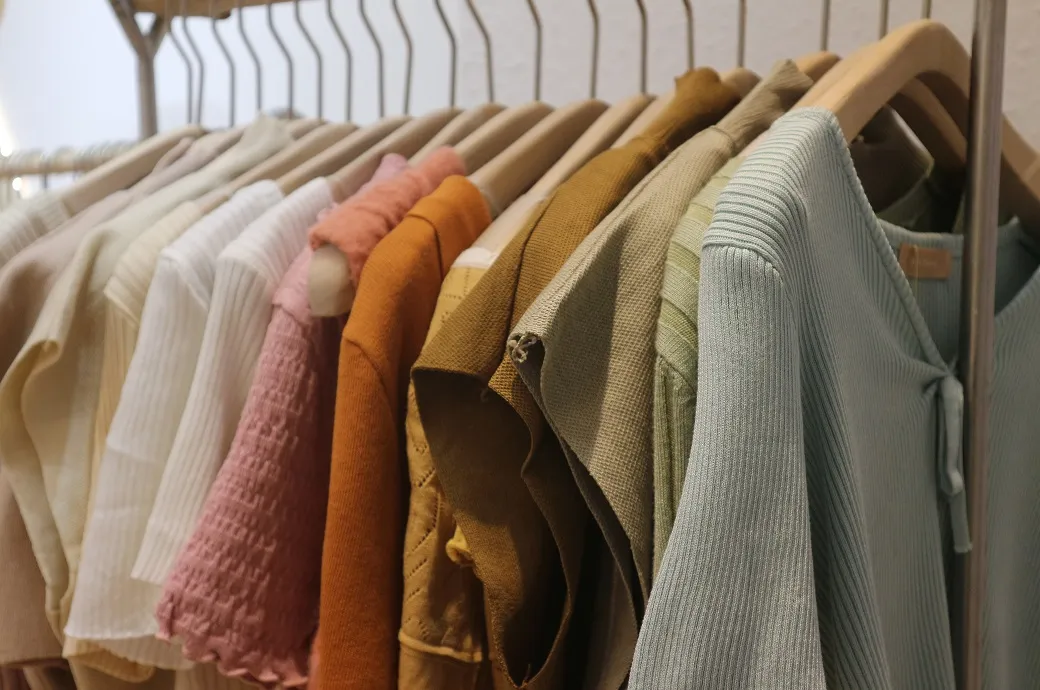
As per latest data released by the Bureau of Labor Statistics (BLS), in a deviation from broader inflationary pressures gripping the US economy, apparel prices have continued to move south,. The Consumer Price Index (CPI) for apparel saw a decrease of 0.2 per cent from March to April 2025, and a significant 0.7 per cent decline over the past 12 months ending in April.
This is a contrast to the overall CPI, which rose by 0.2 per cent in April and 2.3 per cent year-over-year. While prices for many goods and services, such as household furnishings (+1.0 per cent in April) and medical care (+0.4 per cent in April), continued to rise, the apparel sector is experiencing deflation.
The BLS data corroborates the trend illustrated in the provided bar graph, which shows month-to-month percentage changes in the U.S. Consumer Price Index for Apparel. The graph indicates volatility in apparel prices throughout the latter half of 2024 and early 2025, culminating in the recent declines.
Tariffs impact
Analysts attribute this unusual dip in apparel prices to the initial impact of the reciprocal tariffs imposed under President Trump's ‘America First’ trade policy. These tariffs, which came into effect earlier this year, have increased the cost of imported apparel from key trading partners.
"The fashion industry is feeling the pinch," explains Anya Sharma, a senior trade analyst at Global Trade Insights. "With tariffs on apparel imports from countries like China, Vietnam, and Bangladesh soaring, retailers are facing a difficult choice: absorb the higher costs or pass them on to consumers. It appears that, at least initially, many are opting to lower prices to maintain sales volume in a potentially softening consumer market."
Table: US Consumer Price Index for apparels
|
Month |
% Change |
|
September 2024 |
1.00% |
|
October 2024 |
-0.90% |
|
November 2024 |
0.10% |
|
December 2024 |
0.10% |
|
January 2025 |
-1.40% |
|
February 2025 |
0.60% |
|
March 2025 |
0.40% |
|
April 2025 |
-0.20% |
Source: Bureau of Labor Statistics
Despite the drop in apparel prices, inflation remains a concern across much of the US economy. The energy index, while showing a 0.7 per cent increase in April, is still down 3.7 per cent over the year, largely due to falling gasoline prices (-11.8 per cent year-over-year). Food prices, however, continue to rise, with a 2.8 per cent increase over the last 12 months.
Retailers say, they are in a tricky situation as the tariffs have increased sourcing costs, but they are hesitant to raise prices when consumers are already feeling the inflationary pressures from other areas. That is why retailers have had to make some tough decisions about inventory and margins.
Looking ahead
The difference in apparel prices raises questions about the sustainability of this trend. Some analysts believe retailers may eventually be forced to pass on the higher tariff costs to consumers, potentially reversing the recent price declines. Others suggest increased domestic production, while facing its own challenges regarding raw material costs and labor, could become a more viable long-term strategy.
The May CPI report, due in June, will be closely watched for further indications of how the tariffs are impacting consumer prices across various sectors, including apparel. The puzzle of market trends in the face of these new trade policies is far from solved.
Beyond the Bin: Refashion study unlocks secrets to circular textiles & footwear

Recycling used clothing, household linens (TLC), and shoes continues to be a major hurdle, primarily due to the intricate mix of materials and decorative elements prevalent in their design. However, a groundbreaking study update by Refashion in 2024, drawing upon research from ENSAIT (École Nationale Supérieure des Arts et Industries Textiles) and insights from industry stakeholders, pinpoints specific design choices as either major disruptors or crucial enablers in the recycling process.
The report, titled ‘Disruptors and facilitators of the recycling of Clothing Textiles, Household Linens and Footwear (TLC): State of play’, emphasizes the critical role of eco-design in integrating recyclability right from the initial stages of product creation. "Our updated study underscores a fundamental truth: the decisions made at the design table have a profound impact on whether a textile or shoe can be effectively recycled at its end-of-life," explains a Refashion spokesperson. "By understanding and minimizing disruptors while maximizing facilitators, we can significantly advance the circularity of the textile and footwear industries."
Decoding disruptors, the recycling saboteurs
The research identifies several ‘disruptors’ that complicate or even prevent efficient recycling. These can be external additions like buttons, zippers, and intricate embroidery, or internal elements inherent to the material composition. For example, a seemingly fashionable jacket made from a blend of cotton, polyester, and rayon with over 8 per cent elastane and adorned with numerous metal studs exemplifies a product riddled with disruptors. Separating the fibers is technically challenging, the high elastane content compromises mechanical recycling, and the metal studs necessitate manual removal, adding significant cost and time to the process.
Disruptors identified
• Complex material mixtures: Fabrics composed of three or more different fiber types pose a significant challenge for separation and subsequent recycling processes.
• High elastane content: The presence of elastane exceeding 5 per cent in textiles hinders mechanical recycling processes and can contaminate other material streams.
• All-over decorative elements: Features such as sequins, coatings, prints, and rigid embellishments not only complicate sorting but can also damage recycling machinery.
• Metalloplastic threads: These threads, often used for decorative purposes, are difficult to separate and can interfere with various recycling technologies.
• Electronic and electrical components: Increasingly found in smart textiles and footwear, these components require specialized removal and processing to avoid damaging equipment and contaminating material streams.
Facilitators, paving the way for circularity
Conversely, the study highlights design choices that significantly ease and improve recycling processes. These facilitators offer pathways towards a more circular system.
Facilitators identified
• Monomaterial composition: Textiles made from a single fiber type (e.g., 100 per cent cotton or 100 per cent polyester) are the most straightforward to recycle, allowing for efficient sorting and processing.
• Single-layer construction: Garments and linens made with a single layer of fabric, without bonded or laminated layers, simplify the recycling process.
• Monochrome fabrics without superfluous additions: Plain, single-colored textiles without purely aesthetic embellishments streamline sorting and processing.
• Hot-melt wires for dismantling: The use of heat-sensitive wires in shoe construction can facilitate easier separation of the upper and sole components.
"Imagine a simple T-shirt made from 100 per cent organic cotton, dyed with a single, eco-friendly color, and free of any unnecessary embellishments. This seemingly basic design is a recycling champion," states Anya Sharma, a textile sustainability expert consulted for the study. "It allows for efficient mechanical recycling, preserving the valuable cotton fibers for future use."
Shoe recycling, sector ripe for innovation
The study sheds light on the particularly complex landscape of shoe recycling, which is still in its nascent stages. The vast array of materials used, intricate assembly methods (welding, sewing, injection molding), and the frequent inclusion of metal and electronic components present significant hurdles. Currently, shoe recycling primarily relies on either crushing the entire shoe or manually/automatically separating the upper and sole.
The research emphasizes the urgent need for design innovation in the footwear sector to incorporate more facilitating elements and reduce the use of disruptive materials and complex constructions.
Eco-design for a circular future
Refashion's study serves as a crucial resource for designers, manufacturers, and policymakers. By clearly identifying disruptors and facilitators, it provides actionable insights for integrating recyclability into the very fabric of product design. This shift towards eco-design is paramount in achieving a truly circular economy for textiles and footwear, reducing waste, conserving resources, and minimizing the environmental impact of these industries. The report underscores that the future of textile and shoe recycling hinges on the choices made today at the drawing board.
Woolmark’s ‘The Wool Lab Denim Edition’ presents new innovative wool blends
Woolmark has introduced a new resource in both physical and digital formats as a comprehensive guide for wool denim fabrics.
Titled, ‘The Wool Lab Denim Edition,’ the research material is presented in two books, organized in seven distinct categories: A Revised Classic, Special Treatments, Denim Shirting, The Denim Suit, Signature Denim, Thread Rebels, and Denim-Inspired Knits and Jerseys. This specialized Wool Lab highlights innovative new blends, such as wool-hemp, wool-lyocell, and even 100 per cent extra-fine wool spun with luxurious fibers like silk, cashmere, or paper. These blends offer unique benefits and applications for those on the cutting edge of innovation.
Additionally, Woolmark emphasizes wool’s natural thermoregulating properties, making wool denim suitable for all seasons by providing immediate warmth and mitigating the initial chill often associated with cotton jeans.
The accompanying toolkit offers in-depth insights into wool's performance in denim applications, providing guidance on fiber selection, fabric construction, finishing techniques, and sustainability practices.
While denim has historically been synonymous with cotton, Woolmark notes a growing demand for wool-infused denim, which it claims offers an ‘elevated sensibility to this timeless staple.’
Demand for wool denim swatch requests through The Wool Lab has been increasing over the past four years, states Julie Davies, GM for Processing Innovation & Education Extension. The timeless appeal of denim is enriched with wool’s skin-friendly softness, breathability, versatility, and durability, resulting in wardrobe essentials that transcend the ordinary, she adds.
Woolmark prominently featured the launch at Denim PV in Milan earlier this week, marking its first dedicated presence at the event. This space aimed to underscore the ‘versatility and iconic nature of wool denim.’
Gas shortage pushing Bangladesh T&A mills to the brink of collapse, warn industry leaders
Textile and apparel (T&A) industry leaders in Bangladesh have warned against a severe gas shortage, which, according to them, has crippled operations for nearly three years and pushed many mills to the brink of collapse.
At a joint press conference in Dhaka, Showkat Aziz Russell, President, Bangladesh Textile Mills Association (BTMA), emphasized, the industry needs a roadmap for gas supply as it cannot run its mills, he stated, urging the government to prioritize increased energy supply in the upcoming fiscal budget. Despite previous lobbying efforts against gas price hikes, rates were raised, yet supply failed to improve.
Russell also suggested, the government should engage Chinese investors to rapidly establish gas supply from Bhola to Dhaka and surrounding areas. Expressing skepticism about attracting foreign investment given the current struggles faced by local businesses, he noted, many entrepreneurs are now considering exit strategies due to unsustainable operating conditions. Most mills are currently running at only 50 per cent capacity.
Many mills are being forced to use expensive diesel, quadrupling costs, while the adviser reportedly favors diesel imports over liquefied natural gas (LNG) due to quicker payment collection from customers, Russell further noted. Furthermore, many businesses are not receiving gas despite substantial deposit payments to supply companies, he added.
Anwar-Ul-Alam Chowdhury (Parvez), President, Bangladesh Chamber of Industries (BCI), critiqued, the government has failed to meet its gas supply commitments, drawing a stark contrast to the severe penalties faced by businesses unable to fulfill their own obligations.
Hossain Mehmood, Chairman, Bangladesh Terry Towel & Linen Manufacturers & Exporters Association (BTTLMEA), confirmed, the gas crisis has resulted in five to six terry towel mills shutting down operations, with home textile mills also facing closure.
Attributing the crisis to a planning failure, Razeeb Haider, Director, BTMA, pointed out, last year's LNG imports were woefully inadequate. Calling for increased domestic gas drilling, particularly offshore, speakers urged the government to curb corruption in gas supply and immediately double LNG imports.
Md Saleudh Zaman Khan, Vice-President, highlighted the extreme low gas pressure in areas like Bhulta, making full mill operation impossible despite hefty monthly overheads. He warned, if the gas crisis isn't resolved by June, many mills might close permanently after Eid-ul-Azha.
Emphasizing on the industry's fight for survival, Abdullah Al Mamun, Director, BTMA, warned, widespread mill closures would severely impact the nation.
More...
Andritz installs Rexline tearing system at Pacific jeans to facilitate waste recycling
An Austria-based international technology group, Andritz has installed a Rexline tearing system at Pacific Jeans, enabling the company to recycle waste generated during the jeans cutting process.
Processing up to 800 kg of fiber per hour, this new Rexline system allows Pacific Jeans to produce high-quality fibers for the spinning industry. These recycled fibers will then be used to manufacture new jeans, significantly reducing the carbon footprint and cost compared to using virgin cotton.
Bangladesh's garment industry is a major economic driver, with an estimated $50 billion in exports in 2024, making it the world's second-largest clothing exporter after China. While fast fashion has been a significant part of these exports, with brands like H&M sourcing heavily from the country, Bangladesh is actively working to address the growing issue of global textile waste. In 2023, the nation hosted its first Bangladesh Circular Economy Summit, bringing together local and international stakeholders to foster a more circular garment industry.
A premium denim producer in Bangladesh since 1984, Pacific Jeans Group is committed to sustainability and collaborating with partners like Andritz to improve circularity and achieve net-zero climate impact.
Syed M Tanvir, Managing Director, Pacific Jeans, says, Bangladesh’s dynamic clothing industry has great potential for post-industrial waste recycling. By transforming Pacific Jeans’ cutting waste and reusing this recycled fiber in fabric production, the company aims to close the loop and move the fashion industry towards a greener future.
Lenzing AG appoints Georg Kasperkovitz as COO to lead global fibre operations
Lenzing AG has named Georg Kasperkovitz as its new Chief Operations Officer (COO) and member of the Managing Board, effective June 1, 2025. With over 15 years of global leadership experience across Europe, North America, and Asia key regions for Lenzing’s operations Kasperkovitz is set to play a pivotal role in driving the company's operational transformation.
A mechanical engineer with a doctorate from TU Vienna and an MBA from Harvard Business School, Kasperkovitz has held senior roles at leading organisations including Mondi plc, Rail Cargo Austria AG, and McKinsey & Company. His expertise spans packaging, logistics, and strategic consulting, with a strong track record in performance improvement and operational leadership.
At Lenzing, he will oversee global fibre production, champion the ongoing performance program, and lead operations at the company’s main site in Upper Austria. His appointment expands Lenzing’s Managing Board to four members.
Chairman Patrick Lackenbucher noted that in light of macroeconomic pressures, including high energy costs and global competition, Lenzing must remain focused on profitability and operational efficiency. He emphasized that Kasperkovitz brings essential transformation skills and experience in the nonwovens sector.
CEO Rohit Aggarwal highlighted the company’s recent gains under its performance program and the need to enhance agility and resilience amid geopolitical shifts. He welcomed Kasperkovitz as a key driver in advancing operational excellence across Lenzing’s fibre production network and securing its leadership in sustainable cellulose fibres.
Europe's Textile Waste Mountain: New report reveals 10-Point plan, sparking debate on costs and impact
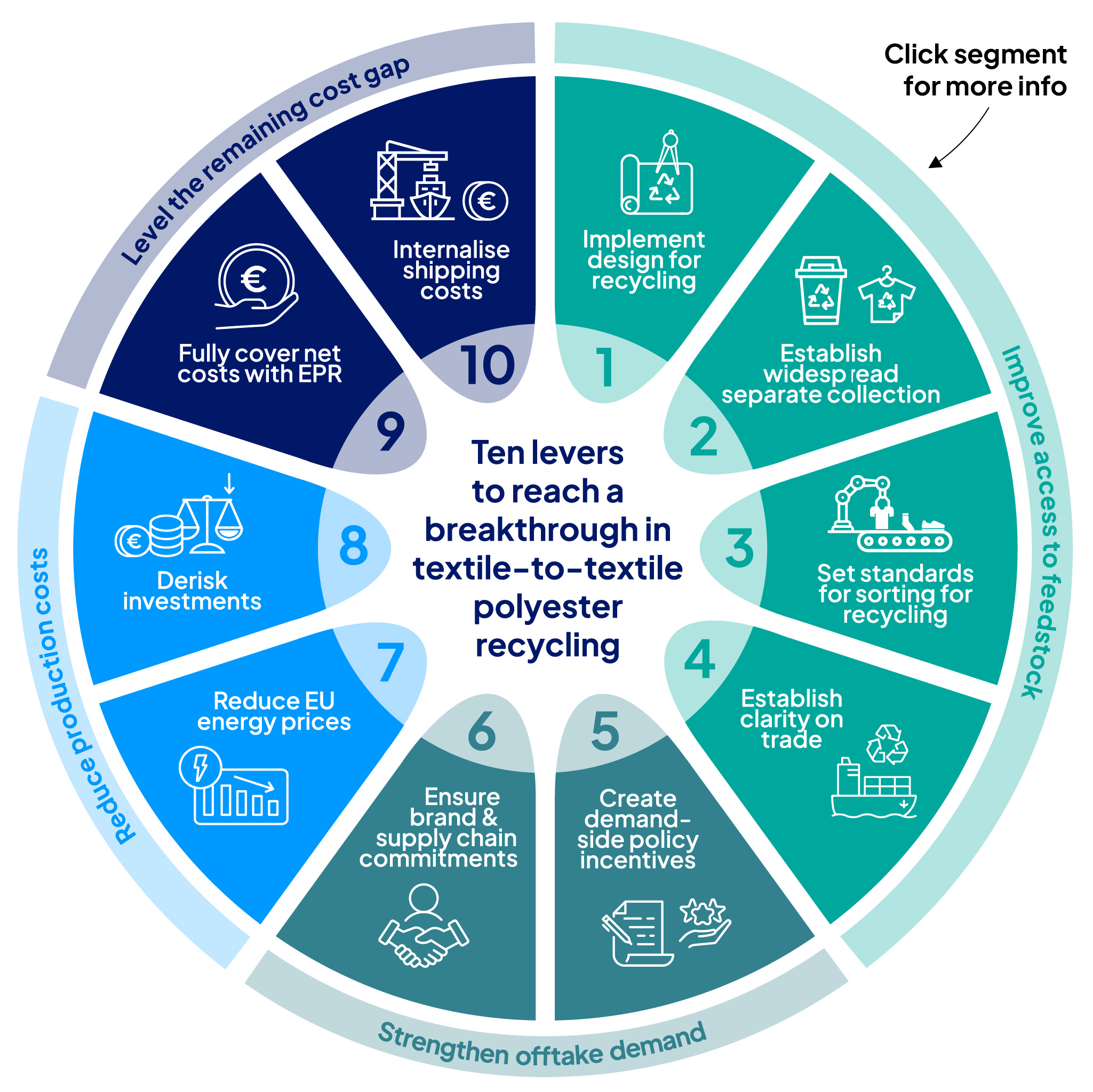
Europe is grappling with a colossal textile waste problem. Over 125 million tonnes of raw materials are devoured by the global industry each year, yet a mere fraction – less than 1% – of these fibres originate from recycled textiles. The majority faces an unsustainable fate in landfills, incinerators, or is exported. A pivotal new report by Systemiq, "The Textile Recycling Breakthrough," offers both a stark assessment and a strategic roadmap: Europe has the potential to amplify polyester textile recycling nearly tenfold by 2035, but this hinges on immediate, decisive action from policymakers and the industry.
The comprehensive study, backed by a 17-member Steering Group including industry giants like Arc’teryx, Eastman, Interzero, Textile Exchange, and Tomra, zooms in on polyester – a material constituting roughly 57% of global fibre demand. It champions advanced recycling technologies like depolymerisation, which can convert post-consumer polyester back into high-quality fibres with a reduced environmental impact compared to virgin material production.
The Steep Climb: Cost and accessibility challenges
Despite technological promise, the journey towards a circular textile economy is fraught with significant economic hurdles. The Systemiq report highlights a substantial "cost gap": producing recycled polyester via depolymerisation is currently estimated to be about 2.6 times more expensive than virgin polyester sourced from Asia. Shivam Gusain, Water Engineer, Dyestuff Chemist & LCA analyst in his linkedin post analysis suggests this gap could be even wider; with recent virgin PET prices in China hovering around €750-€800 per ton (lower than the report's €950 estimate), the premium for recycled content could be nearly threefold.
2025 Estimated Cost Comparison: Virgin vs. Recycled Polyester (per ton)
|
Feedstock Source |
Estimated Cost (Systemiq Report Basis) |
Potential Actual Market Cost Gap |
|
Virgin Polyester (Asia) |
€950 (report estimate) |
Base |
|
Recycled Polyester (T2T Depolymerisation) |
~€2,479 (implied 2.6x) |
Potentially >€1,600 (near 3x) |
(Note: This table contrasts the Systemiq report's cost gap with industry expert analysis suggesting a potentially larger current market gap.)
Critically, as the industry expert points out that the common assumption that scaling up T2T processes will dramatically lower costs is challenged by the report itself, which indicates that such scaling might only reduce costs by about 15 percent. This suggests that economies of scale alone may not be the panacea for the textile recycling cost dilemma.
Adding to the complexity, less than 1% of post-consumer textile waste is currently even suitable and accessible for these advanced recycling methods.
A Ten-Lever blueprint for a recycling revolution
"The Textile Recycling Breakthrough" proposes a strategic ten-lever approach across four key intervention areas, designed to steer Europe towards a "tipping point" where recycled polyester becomes the more viable and attractive option:
I. Unlocking feedstock:
● Implement design for recycling: Mandating designs that simplify end-of-life processing.
● Establish widespread separate collection: Ensuring textiles are diverted from general waste.
● Set standards for sorting for recycling: Creating clear, harmonised guidelines.
● Establish clarity on trade: Implementing responsible policies for textile waste exports.
II. Bolstering demand:
● Create demand-side policy incentives: Driving market appetite for recycled content.
● Ensure brand & supply chain commitments: Encouraging industry pledges. As Kyle Wood, Senior Director Strategy at Arc'teryx, notes, the report "helps chart a path forward for brands... It's also a powerful reminder that design does not exist in isolation, and must proceed in partnership with long term commitments and policy frameworks."
III. Optimising production costs:
● Reduce EU energy prices: Addressing a key operational expense for recyclers.
● Derisk investments: Providing financial safeguards for new recycling infrastructure.
IV. Bridging the financial divide:
● Fully cover net costs with EPR: Implementing Extended Producer Responsibility schemes, with the report suggesting fees around €250–€330 per tonne of polyester.
● Internalise shipping costs: Potentially via a ~5% brand-level green premium to make virgin materials reflect their true costs.
Julia Haas, Head of Commercial Partnerships at Interzero, emphasized the collaborative effort required: "Through the interplay of both political and industry-driven levers, Europe has a great opportunity to make circularity in textiles a reality... Bold, long-term policy action is needed to help create stable market conditions and reduce investment risks."
Scrutiny and Questions: EPR burdens and environmental data
The report's reliance on EPR fees to cover a significant portion of the cost gap – roughly 55% (€829 of the €1,529 per ton difference) – has raised questions among some industry observers. A key concern is whether using EPR fees to subsidize recycled materials essentially reroutes costs that brands would have incurred anyway, ultimately passing them down to consumers. This could mean end-users footing the bill for scaling recycled fibres for years before substantial volumes become available, effectively pre-paying for future output.
Further Shivam debate surrounds the environmental impact data. The report references CO₂ savings from a 2023 JRC study which, according to some analysts, predominantly focuses on general plastics like bottles and packaging, not the more complex textile-to-textile recycling processes. Extrapolating data from bottle-to-bottle recycling to textiles is seen as a potential oversimplification, suggesting the true CO₂ impact of T2T recycled fibres might be higher than reported.
One specific figure drawing scrutiny is the 0.4 kilograms CO₂ equivalent per kilogram reported for glycolysis, a chemical recycling method. For context, mechanical PET recycling typically registers around 0.45 kilograms CO₂ equivalent per kilogram. The notion that a more energy and chemically intensive process like glycolysis could have a lower footprint than mechanical recycling is being questioned by some experts, who anticipate further exploration of this data.
Projecting the Future: A transformed textile landscape?
Despite these debates, Systemiq's projections, if the ten levers are effectively deployed, are ambitious: depolymerisation capacity in Europe could surge nearly tenfold by 2035.
Projected EU Textile Waste Recycling: 2035 Vision (with Levers)
|
Metric |
Impact by 2035 |
|
Depolymerisation Capacity |
Near 10x increase |
|
Overall Recycled Volume |
Substantial Growth |
|
Landfill/Incineration/Export |
Significantly Reduced |
|
Consumer Cost (400g jumper) |
Approx. €0.15 (for EPR & green premium) |
|
Annual Value Generation (2040) |
€5.5 billion (broader PET/polyester system) |
|
Net New Jobs (2040) |
28,000 (broader PET/polyester system) |
(Source: Systemiq, The Textile Recycling Breakthrough)
Eric Dehouck of Eastman Circular Solutions France remains optimistic about the technological readiness: "Europe has the opportunity to lead the transition to circular textiles, and technologies like depolymerization are ready to play a central role."
The Path Forward: Beyond recycling
The Systemiq report, while championing a recycling breakthrough, also underscores that recycling alone is not a silver bullet. A truly circular textile economy, as noted by the Ellen MacArthur Foundation's Matteo Magnani, requires "deeper changes in how we design, produce, consume, and value clothing," alongside scaling circular business models like resale, rental, and repair.
The critical analysis emerging alongside the report's launch suggests that while the proposed levers offer a direction, the financial mechanisms and environmental accounting will be key areas for ongoing debate and refinement. The overarching question posed by some experts is whether the current trajectory, with its potential consumer costs and debated environmental gains, represents the most effective multi-billion-euro investment for Europe's textile future.
"The Textile Recycling Breakthrough" has undeniably ignited a crucial conversation, providing a data-rich foundation for the complex journey ahead. The challenge now lies in navigating the economic realities, refining the impact assessments, and fostering the multi-stakeholder collaboration essential to turn Europe's textile waste into a sustainable resource.
VF Corp forecasts 3-5 per cent decline in Q1, FY26 revenues
US holding company and owner of brands like The North Face, Timberland and Vans, VF Corp forecasts revenues in Q1, FY26 to decline between 3 per cent-5 per cent. The company expects adjusted operating loss to range between $110 million and $125 million, significantly higher than the average analyst estimate of a $73 million loss.
In FY25, VF Corp registered a 4 per cent decline in net sales to $9.5 billion as against $9.92 billion in the previous fiscal year.
Marking a significant improvement in profitability, the company’s operating profit increased to $303.77 million during the year as against an operating loss of $143.93 million in 2024.
Performance among its diverse brand portfolio remained mixed. Revenues of its brand The North Face increased by 1 per cent to $3.70 billion while revenues of the brand Vans declined by 16 per cent to $2.35 billion. Timberland’s revenue rose by 3 per cent to $1.61 billion, while Dickies’ turnover contracted by 12 per cent to $542.1 million.
Geographically, the Americas region struggled with a 7 per cent decrease, totaling $4.83 billion. EMEA (Europe, Middle East, and Africa) also saw a decline of 3 per cent, reaching $3.25 billion. The APAC (Asia-Pacific) region was more stable, posting a 1 per cent increase to $1.42 billion.
In Q4, FY25 which concluded on March 29, VF Corp. fell short of revenue estimates. Concerns over tariffs introduced by the Trump administration led many retailers to scale back orders, resulting in a 5 per cent decline in revenue to $2.14 billion, below analysts' projections of $2.18 billion. The company reported an operating loss of $73 million, though its adjusted operating profit was $22 million.
Bracken Darrell, President and CEO, VF Corp, states, the company’s sales in Q4 aligned with its forecasts and, excluding Vans, showed an increase over the previous year, primarily driven by The North Face and Timberland. The company is well positioned to deal with the increasing volatility in the macroeconomic environment. The actions it takes will enable brands to return to growth and VF to generate solid and sustainable value, he adds.