Surat is yet to recover from the blows of demonetization and GST. India’s polyester capital has suffered more than five lakh job losses and an estimated 40 per cent plunge in production.
The entire polyester value chain from yarns to garments is under pressure. The withdrawal of high-value banknotes put sudden brakes on the disposable income of consumers, with grave consequences. Textiles have been almost erased from customers’ priority list. Shops which usually gear up for the forthcoming wedding season wear a dull look.
Surat ushered in the polyester revolution in the country, offering saris and dress material at Rs 125. Surat boasts of 7,00,000 looms that make the grey fabric bought by 65,000 traders. The grey fabric would go to the 400 dyeing and processing houses and get routed to embroidery units for embellishments for the final garment.
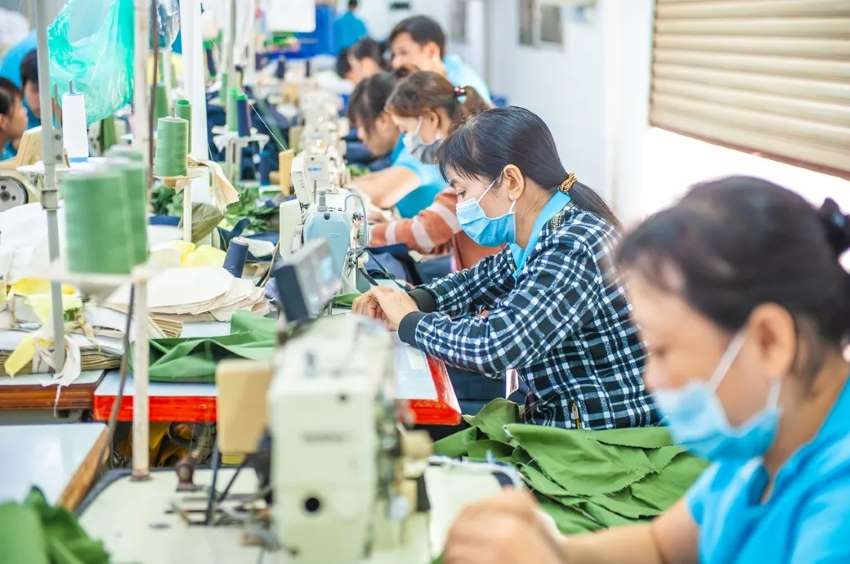
Now the city presents a sorry picture. The migrant workforce has been sent packing to their states — Orissa, Maharashtra, Rajasthan, Bihar — and those who remain behind are desperate for work. Almost 4,00,000 women who would earn Rs 300 to Rs 800 a day by working from homes —sewing, stitching or pasting diamonds and other embellishments on fabric — have no work.
- 1
- 2
- 3
- 4
- 5
- 6
- 7
- 8
- 9
- 10
Beyond the DTC Rush: Levi’s hybrid channel strategy sets a new retail benchmark
The global apparel sector is entering a phase where channel strategy is no longer a tactical lever but a core... Read more
The New Rules of Resale: EPR turning secondhand into fashion’s strategic growth …
The global fashion industry is facing a decisive regulatory and commercial reset. What began as a sustainability narrative around reuse... Read more
The 2027 Mandate: Why denim’s future hinges on verifiable data
For decades, the global denim industry has relied on a narrative of durability, heritage, and authenticity. That narrative is now... Read more
Europe’s textile core unravels as costs, imports and policy pressure bite
Europe’s textile and apparel sector, long seen as a benchmark for craftsmanship and industrial depth, is slipping into a prolonged... Read more
Automation, innovation, regulation are the forces shaping textiles in 2026
The global textile sector has entered a new era. Early 2026 saw the industry breach a $1.06 trillion valuation, reflecting... Read more
The new Brussels rulebook, every EU apparel order is now a balance-sheet risk
The humble export order sheet is undergoing a transformation. What was once a straightforward commercial instrument: SKU, volume, FOB price,... Read more
Why 2026-27 could be a defining cotton year for India’s farm-to-fashion economy
The global cotton economy is entering a more constrained phase, and for India, the implications run far beyond the farm... Read more
Luxury resale’s next big battle is no longer digital, it is about who controls s…
For nearly a decade, the luxury resale story was written in the language of platforms. Market leadership was measured by... Read more
Digital Arms Race: Indian apparel giants deploy AI to neutralize tariff crisis
The Indian textile and apparel sector is in a digital survival phase in 2026, shifting from traditional labor-intensive models to... Read more
Europe’s Textile Endgame: Why Project FAE is becoming fashion’s most critical in…
Europe’s apparel majors are no longer treating circularity as a branding layer. With Project FAE or Feedstock Activation Europe, the... Read more