The Silk Mark Organisation of India (SMOI) has set up nine testing centers in prime retail hubs in Bangalore to ensure silk quality. The organisation has introduced Silk Mark, a system to quickly and conveniently test the purity of silk by trained personnel. Consumers can benefit from purity tests like flame test and microscopic test, and an invoice and a sample test report are given after the test. SMOI is a registered society under the Karnataka Society Act 1960. The Silk Mark labels are in the form of paper hangtags and sew-in labels.
The Central Silk Board has developed new groups of silkworm seeds of mulberry and Vanya silk. These silkworm groups are expected to enhance the income of the farmers with their improved productivity and quality. This silkworm range will aid tribal farmers belonging to various parts of the country such as Jharkhand, Chattisgarh, West Bengal, Maharashtra, Madhya Pradesh and Uttar Pradesh as they can get 52 kilograms of cocoons per 100 disease free layings.
Additionally, Multivoltine x Bivoltine mulberry (PM x FC2), a hybrid group of silkworm, can make 60 kilograms per 100 dfls. This group of silkworms is said to be more productive than the earlier PM x CSR. The high-quality silk and significant egg recovery make this race more appropriate for farmers.

- 1
- 2
- 3
- 4
- 5
- 6
- 7
- 8
- 9
- 10
Can trade deals and manufacturing reforms deliver India's textile vision?
India's textile and apparel industry has entered one of its strongest revival phases after several difficult years marked by pandemic... Read more
Women’s wear power global apparel growth as big brands rework retail strategies
For years, the world's largest apparel companies built their businesses around men's denim, workwear and outdoor clothing. That strategy is... Read more
The End of Fibre Blends: Why retailers are moving toward 100% recyclable apparel
The apparel industry is entering a redesign phase as sustainability goals, regulatory pressures, and resource security unite around one central... Read more
Recycled polyester’s next growth phase will be driven by data, not fiber
For much of the last decade, recycled polyester was one of the easiest sustainability wins available to brands. Replacing virgin... Read more
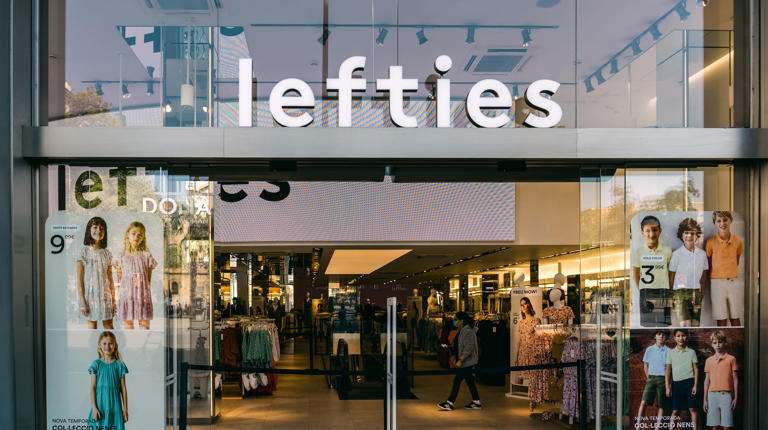
Lefties becomes Inditex's new weapon against Primark and Shein
While much of the global apparel industry has focused on the rapid rise of digital-first retailers such as Shein and... Read more
Bangladesh’s apparel export model hits a breaking point as price wars reduce mar…
Bangladesh's apparel industry, long regarded as the world's manufacturing hub for affordable, high-volume garments, is facing one of its most... Read more
EU textile labeling crackdown exposes apparel supply chain compliance risks
The European apparel industry is facing a major compliance challenge after a coordinated market surveillance exercise by the European Commission... Read more
Can Surat overcome raw material volatility to become a global MMF hub?
Surat remains the undisputed heart of India's man-made fibre (MMF) textile industry. The Gujarat cluster produces nearly 65 per cent... Read more
Emerging markets redraw the global fashion spending map
The global apparel industry is facing a geographic realignment as rising middle-class in developing economies reshape consumer spending patterns. New... Read more
Shrinking cotton harvest puts global textile supply chains under pressure
The global textile industry is heading into another challenging procurement cycle as falling cotton production and shrinking cultivation areas threaten... Read more