FW
Louis Vuitton introduces nautical-themed collection
To celebrate the 37th edition of the America’s Cup, Louis Vuitton has introduced a sophisticated nautical-themed capsule collection.
Inspired by yachting motifs, oceanic gear and a blend of sporty chic with cocktail hour elegance, the launch of this unisex collection coincides with the upcoming Louis Vuitton 37th America’s Cup set to be held in late August in Barcelona.
The tournament begins with the qualifying match to challenge the current holder, Emirates Team New Zealand. The five challengers this year include: Orient Express Team, France; Luna Rossa Prada Pirelli, Italy; Alinghi Red Bull Racing, Switzerland; INEOS Britannia, England; and American Magic, New York Yacht Club.
The collection is based on three distinct themes: Riding the Waves, A Day on the Deck, and Elegant Summer Evening. The range based on the theme, ‘Riding the Waves,’ features technical skipper windbreakers and shorts, waterproof canvas keep-all bags and a water-repellent sailor sling in Monogram Storm for women. Central to this theme is the LV Rush sneaker, designed by Vuitton’s creative director Nicolas Ghesquière for the cruise 2024 collection, and Barracuda sneakers in white with a red and black V logo for men.
The range titled, ‘A Day on the Deck,’ includes playful takes on the Damier and Monogram motifs with graphic shirt jackets and reversible rainproofs for men, along with denim shorts and blazers for women.
The third range titled’ Elegant Summer Evening,’ offers chic post-yachting attire with one-strap column dresses held up by leather handles for women, and blazers with gold-finish LV buttons for men.
The collection will be available for purchase starting July 18, with prices ranging from €210 for a tie and €670 for a bucket hat, to €4,500 for a women’s cocktail dress and €5,100 for a men’s blouson with 3D leather detailing.
Primarily featuring red, white, and blue, the collection integrates the America’s Cup logo with a graphic V, originally created by Gaston-Louis Vuitton, the founder’s grandson—perfect attire for Barcelona this fall.
The Louis Vuitton Cup will see challengers racing in 23-m AC75 foiling monohulls with advanced features like wing-like sailing hydrofoils and a soft wingsail. The races will run from Aug 29-early Oct, with the winning challenger facing Team Emirates from Oct 12-27 in a best-of-13 series.
Louis Vuitton has been a key sponsor of the America’s Cup since 1983, the world’s oldest international sporting trophy. This year, Vuitton has elevated its involvement to become a title partner of this prestigious competition. The America’s Cup is notable for having the longest winning streak in history—131 years—after American yachts won the first 23 competitions until the New York Yacht Club was finally defeated by the Royal Perth Yacht Club’s Australia II challenger.
Australian Fashion Week showcases veteran as well as emerging brands
Being held from May 13-17, 2024, in Sydney, the Australian Fashion Week showcased the much-anticipated return of veteran local designers alongside the debut of emerging brands.
Sponsored by Danish jewelry brand Pandora, the event featured around 25 designer shows and a handful of group showcases, unveiling the official Resort 2025 lineup.
The week commenced with luxury brand Albus Lumen's 'Rebellion' collection, which emphasised sustainability by refurbishing old garments into new creations. The collection featured deconstructed garments in earthy tones, contributing to a dystopian theme.
Celebrating its 20th anniversary, founded by Margie Woods, Viktoria & Woods returned to Australian Fashion Week. The brand's co-ed collection, displayed at The Cove Apartments, highlighted tailoring and relaxed silhouettes with fabrics like silk, cupro, linen, and bamboo. This season, the sustainability-focused brand expanded its use of leather in ready-to-wear styles, with standout looks featuring both sleeveless and standard tailoring, as well as specialized knitwear—a nod to the brand's origins.
Carla Zampatti made a poignant return to the AFW after a five-year hiatus, presenting a collection under the creative direction of designer Karlie Ungar. The 'Dinastia' collection paid homage to the brand's classic heritage and female empowerment, introducing elements like bespoke coin jewelry, Italian map prints on silk, and petal-sculpted tailoring and gowns. The show, which opened with a short film by Claudia Rose and a bespoke music score by Gary Sinclair, was a grand tribute to the late designer, featuring predominantly black gowns that exuded a matriarchal essence.
Day two began with indigenous designer Liandra Gaykamangu's summery collection, inspired by bees and native flora and fauna. Rebranding from Liandra Swim to simply Liandra, the designer expanded into ready-to-wear, blending beachwear with streetwear. The collection featured sunset-colored prints, jewel greens, and blues on printed cottons and chiffon, with bikini tops and one-piece bathers layered under versatile clothing.
Bec + Bridge, led by Sydney fashion duo Bec Cooper and Bridget Yorston, took their Resort 2025 collection offsite to Sydney’s Overseas Passenger Terminal. Inspired by metalwork, the collection included wrap dresses, slouched woollen trousers, racerback tanks, and skivvy-style tops, along with denim accented with silver metallic details. The look was completed with silver slouchy knee-high boots, metallic skirts, and 90's oval shades, adding a trendy touch.
The evening of day two saw the return of Acler, with supermodel Gemma Ward and former Australian deputy prime minister Julie Bishop in attendance. Acler's latest collection played with shapes and volume, featuring organza and tulle in saccharine hues, metallics, and intricate beadwork. The brand also introduced a capsule collection of metallic slouch knee-high boots and oversized crescent moon handbags, set against a maze-like white stage that enhanced the collection's galactic feel.
Victoria’s Secret to recommence annual fashion show
Discontinued in 2018 due to declining sales and viewership, the annual fashion show of American lingerie giant, Victoria's Secret, will be recommenced soon. Launched in 1995, the show had faced criticism for being sexist and out of touch with the #MeToo movement, leading to its cancellation in 2019.
Once a global spectacle watched by millions, the fashion show registered a 6 million drop in American viewership from nine million in 2014 to just three million in 2018. It featured iconic models like Gisele Bundchen, Heidi Klum, and Adriana Lima, who achieved celebrity status as Victoria's Secret "angels." The event also hosted performances by major entertainers such as Taylor Swift, Kanye West, Rihanna, and Bruno Mars.
Originally a part of L Brands, Victoria's Secret was spun off into an independent company in 2021, now trading on the New York Stock Exchange as Victoria's Secret & Co. This entity includes the main lingerie label, the Pink brand targeting young women, and Victoria's Secret Beauty, which offers cosmetics and accessories.
The company faced additional challenges due to its association with Jeffrey Epstein, the disgraced financier who was charged with sexually assaulting underage girls before his suicide in prison in 2019. Epstein had close ties with L Brands' former CEO Leslie Wexner, who had introduced him to the elite circles that included Victoria's Secret fashion shows.
In 2023, Victoria's Secret & Co reported a 2/6 per cent drop in sales to $6.12 billion from the previous year. However, the company’s net income rose to $181 million from $173 million. By the end of the year, the company operated over 1,300 stores worldwide.
Chanel to showcase 2024-25 cruise collection at a grand event in Hong Kong
After an unsuccessful attempt to make a comeback in 2019, Chanel is gearing up for a grand event in Hong Kong on November 5, 2024. The Parisian luxury label will showcase its 2024-25 cruise collection in the vibrant setting of the Chinese island.
Emphasising on its enduring connection with Hong Kong SAR, Chanel described it as a pivotal gateway to Asia. Notably, this isn't Chanel's first foray into showcasing its cruise collections in China. Last year, the label presented its 2023-24 cruise collection in Shenzhen, following an initial debut in Los Angeles.
Demonstrating the strategic importance of the Chinese market, Chanel has witnessed continuous sales growth in the region. With 13 stores already established in Hong Kong, the label is poised to further strengthen its presence in this lucrative market.
Despite recent challenges stemming from political unrest and the pandemic, Hong Kong has shown resilience. After enduring a prolonged economic downturn, the city began its recovery in 2023, marking a resurgence of high-profile events and international fashion showcases. Notably, luxury brands like Louis Vuitton have already graced Hong Kong with their presence, underscoring its regained status as a premier destination for fashion and culture.
On-Demand Manufacturing: A blueprint for the fashion industry's waste crisis
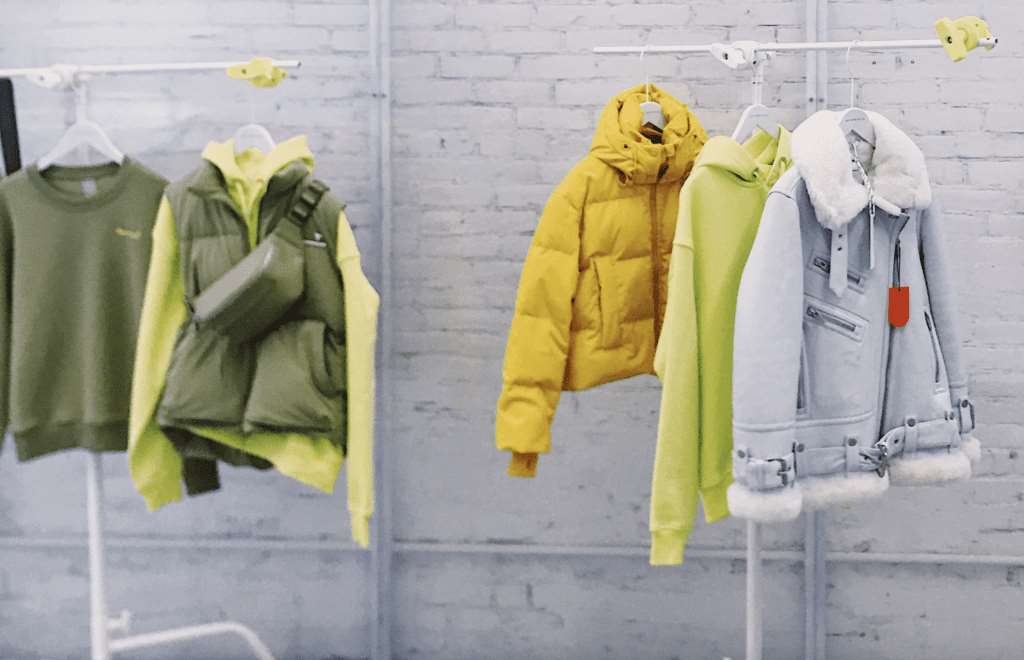
The global fashion industry is going through multiple levels of issues. Struggling sales, overflowing stockpiles, and unsustainable practices are just a few of the issues plaguing major brands. But a new solution is emerging: on-demand manufacturing.
Mass production, mass waste
Traditional fashion relies on made-to-stock, where vast quantities of clothing are produced based on forecasts. This often leads to overproduction, with unsold items ending up in landfills. Unsold items pile up in warehouses, or worse, get incinerated – as in the case of H&M burning 12 tons of clothes annually. This wasteful system also fuels a demand for cheap labor, with garment workers in developing countries facing exploitation. A 2022 study revealed the fashion industry is responsible for a staggering 10 per cent of global greenhouse gas emissions and generates 92 million tons of textile waste annually.
Making only what's needed
On-demand manufacturing flips the script. Clothes are produced only after a customer places an order, eliminating the need for guesswork and reducing waste. This reduces waste, minimizes stockpiles, and allows for smaller production runs. Imagine a world where your T-shirt is made specifically for you, not piled high in a distant warehouse.
However, promising, on-demand isn't without its hurdles. Big brands like Adidas experimented with customization with ‘miAdidas’ but faced challenges like longer wait times and higher costs. Consumers, accustomed to fast fashion's immediacy and affordability, weren't quite ready for the shift. Additionally, existing infrastructure geared towards large batches makes single-unit production impractical.
The rise of smart batches
The answer lies in a middle ground which is: small-batch production. Brands like Alohas and Asphalte are finding success with this approach. They manufacture closer to consumers, in smaller quantities, ensuring the right price and minimal waste. Indeed, small batches produced closer to the consumer, allows quicker turnaround times and competitive prices. This approach aligns with existing manufacturing processes, making it more scalable.
Shifting consumer culture
Tech startups are playing a crucial role. Companies like Unspun (micro-batch 3D weaving), Silana (robotic garment assembly), and Pattern Project (AI-powered production) are revolutionizing the industry. Additive manufacturing (3D printing) promises to minimize waste by creating garments as single pieces, eliminating the need for excess fabric and cutting scraps.
Shifting consumer mindsets is equally important. We need to move away from the fast fashion mentality and appreciate the true cost and value of clothing. Regulations like France's Anti-Waste law are pushing for change, but a deeper cultural shift is necessary.
On-demand manufacturing isn't a one-size-fits-all solution, but it offers optimism about a more sustainable and responsible fashion future. By embracing innovation, educating consumers, and working collaboratively, the industry can finally break free from its wasteful ways.
Picanol booth at the ITM 2024 to feature Ultimex Rapier Weaving Machine
For the first time, the Picanol booth at the ITM 2024 exhibition will feature Ultimex Rapier Weaving Machine. The exhibition will be held at the Tuyap Fair Covention & Congress Center in Istanbul from June 04 -0 8, 2024.
The booth will also feature OmniPlus-i Connect airjet weaving machine and other innovations of the digital platform PicConnect. All of these innovations that will be driven by Picanol’s four design principles: Smart Performance, Sustainability Inside, Driven by Data, and Intuitive Control. Together, these design principles enable Picanol’s customers to follow their weaving instincts and get the best possible results.
Picanol’s all-new and revolutionary rapier weaving machine, the Ultimax, focuses on three main benefits: ultimate performance and high-quality output, readiness for the sustainability requirements of tomorrow, and the greatest ease of use thanks to a maximum level of digitalization. In addition, the classic Picanol exterior design of the machine has been radically disrupted in order to make it clear from the outside just how revolutionary the Ultimax is on the inside. The Ultimax excels in the fields of performance and quality, it has been designed with sustainability as the baseline, and the high degree of digitalisation results in a previously unseen ease of use. At ITM 2024, three Ultimax machines will be on display with different shedding motions, different machine widths, and a variety of features. One machine will be weaving denim fabric, another one will be weaving voile, and there will also be an Ultimax Terry.
Picanol will also present an OmniPlus-i Connect airjet weaving machine with SmartShed, weaving double-face. Picanol is centralising its digital tools and services in one new fully digital platform. A corner in the exhibition will be dedicated to PicConnect, tol enable visitors to leverage the full extent of the possibilities offered by Picanol weaving machines. The recently released Picanol machine will boast of features such as integrated machine manuals and tutorial videos, a central weaving styles management system, and enhanced machine stop insights.
Kering partners with NUS to develop sustainability benchmark
Kering has formalised a partnership with the National University of Singapore (NUS) to develop a benchmark for assessing the impact of sustainability strategies of major companies in the Asia-Pacific region.
During the Singaporean forum 'Nature in the City,' Kering announced its collaboration with the Centre of Governance and Sustainability at NUS. This partnership will progress through three phases, beginning with an analysis of the strategies employed by the 50 largest companies in the Asia-Pacific region.
The first phase, named 'Nature-Related Practices and Strategies in Asia-Pacific,' will involve 700 companies across 11 industries in Australia, Mainland China, Hong Kong, India, Indonesia, Japan, Malaysia, New Zealand, the Philippines, Singapore, South Korea, Taiwan, Thailand, and Vietnam.
Preliminary findings reveal that 35 per cent of these companies reference nature in their activity reports primarily in terms of material resources. Among these, only 31 per cent regard nature and biodiversity as a medium or high priority, in stark contrast to 82 per cent who prioritise climate change.
Marie-Claire Daveu, Chief Sustainability and Institutional Affairs Officer, Kering, states, NUS combines academic rigor, research expertise, and real-world experience - essential levers for successful impact. The sustainability challenges we face today are complex, and by partnering with an exceptional university renowned for its expertise in this field, Kering demonstrates its commitment to collaborating with partners on the path to sustainable development in the Asia-Pacific region.
The second phase of the study will focus specifically on the role of climate transition in the strategies of major companies in the region.
In 2023, Kering’s net profit declined by 17 per cent while sales dropped by 4 per cent. The owner of brands such as Gucci, Saint Laurent, Bottega Veneta and Balenciaga, anticipates current operating income to decrease by approximately 45 per cent in the first half of 2024 compared to the first half of 2023.
Pure London x JATC showcases French fashion at Olympia London
Pure London x JATC, the highly anticipated fusion of fashion festivals, is set to return for its second season from July 14th to 16th, 2024, at the prestigious Olympia London. Following the resounding success of their inaugural collaboration in February, the event promises a captivating showcase of collections, with a spotlight on an impressive array of French brands poised to leave an indelible mark on the UK market.
Gloria Sandrucci, Event Director of Pure London, expressed excitement about the diverse representation of French brands, emphasizing the platform's significance in facilitating their expansion into the UK market. With a keen eye on innovation and market appeal, Pure London x JATC is primed to introduce an engaging lineup of French labels while welcoming even more in the upcoming weeks.
Among the standout showcases is Humility's collection, characterized by its clean lines and modern femininity, offering versatile pieces like the Riu trousers and chic apron dresses. La Fee Maraboutee, renowned for its fusion of global inspirations and vibrant hues, returns with meticulously crafted pieces that celebrate cultural diversity.
Highlighting Parisian charm, Leo & Ugo's knitwear collection dazzles with intricate details and rich colors, epitomizing timeless elegance. Terre Rouge, known for its fusion of French design and international craftsmanship, presents a summer collection inspired by warm locales, promising a wardrobe that exudes casual chic.
Olivier Richard, Managing Director of Terre Rouge, reaffirmed the brand's commitment to Pure London x JATC, underscoring its importance as a pivotal trade platform for showcasing their latest collections.
Chico Soleil and Zen Ethic further enrich the lineup with their distinct offerings, blending comfort, style, and ethical craftsmanship. Meanwhile, FP & Co's POP destination promises affordable yet stylish attire suitable for all occasions, catering to diverse fashion needs with elegance and flair.
As Pure London x JATC prepares to enliven Olympia London, fashion enthusiasts can anticipate a celebration of French creativity, craftsmanship, and style innovation, making it a must-attend event for industry insiders and fashion aficionados alike.
Italian textile innovation takes center stage at ITM 2024
The Italian Trade Agency (ITA) has confirmed its participation in the upcoming ITM 2024 Exhibition in Istanbul, Turkey. Renowned for its leadership in the global textile industry, Italy will present its latest innovations in textile machinery at the event. With a focus on energy efficiency, sustainability, and digital transformation, Italian manufacturers aim to captivate attendees with its innovative technologies.
Scheduled from June 4-8, 2024, the ITM 2024 International Textile Machinery Exhibition promises a platform for industry leaders to converge under the theme "Discover the Future." Nearly 1300 companies, including domestic and international players, will converge to unveil cutting-edge solutions and forge new partnerships. Among them, the Italian Pavilion will showcase the versatility of 'Made in Italy' technology, highlighting its significance in the market.
Italy's decision to participate underscores its commitment to fortifying its presence in the sector, especially in Turkey, a vital market for Italian textile machinery. With Turkey surpassing China as Italy's largest foreign market in 2022, Italian exports to Turkey reached 309 million euros, signaling a promising trajectory for collaboration.
The ITA's involvement not only demonstrates support for Italian businesses abroad but also underscores the cohesion within the Italian textile machinery industry and its dedication to the Turkish market. As exhibitors prepare to engage with global customers, the ITM 2024 Exhibition anticipates record-breaking participation and substantial machine sales.
Organizers Tuyap Tum Fuarcılık Yapım A.Ş. and Teknik Fairs Inc. expressed enthusiasm for hosting the Italian Pavilion, emphasizing its role in showcasing the latest advancements in Italian textile machinery. The pavilion promises an immersive experience for visitors, offering insights into the forefront of textile technology.
Fast fashion market to reach $291.1 billion by 2032: Report
The fast fashion market is experiencing significant growth, driven by consumers' desire for the latest trends. A report by Allied Market Research reveals that it was worth $103.20 billion in 2022 and is expected to reach $291.1 billion by 2032, with a remarkable compound annual growth rate (CAGR) of 10.7 per cent from 2023 to 2032. This rapid ascent highlights the industry's agility in meeting changing consumer demands with affordable and fashionable clothing.
Fast fashion epitomizes a business model that prioritizes agility and affordability. It revolves around the rapid design, production, and distribution of clothing and accessories to capitalize on the latest fashion fads. While this approach caters to consumers' desire for up-to-the-minute styles at pocket-friendly prices, it often raises concerns about ethical and sustainable practices within the industry.
Global Appeal: Factors driving fast fashion
In developing countries, fast fashion enjoys widespread popularity, driven by a confluence of economic, social, and cultural factors. Affordability and accessibility emerge as key attractions, particularly in regions where disposable incomes may be comparatively lower. The affordability of fast fashion brands allows consumers to indulge in trendy attire without straining their budgets, while the accessibility of these brands through physical and online channels ensures broad market reach.
For many, fashion transcends mere clothing; it serves as a vehicle for self-expression and identity articulation. In the age of social media dominance, influencers and celebrities wield unprecedented influence, shaping trends and garnering legions of followers enamored with their distinctive styles. Fast fashion adeptly taps into this phenomenon, swiftly translating international trends into accessible collections that resonate with consumers worldwide.
Marketing innovations driving demand
The fast fashion sector thrives on innovative marketing strategies designed to evoke urgency and excitement among consumers. Limited-time offers, flash sales, and exclusive collaborations create a sense of exclusivity, enticing consumers to make impulsive purchases and stay abreast of fashion trends. Particularly in developing countries with youthful, tech-savvy populations, these tactics resonate, aligning with their aspirations for individuality and trendiness.
The burgeoning pace of urbanization and globalization in developing nations dovetails with the ethos of fast fashion. As consumer lifestyles evolve, characterized by speed and convenience, fast fashion emerges as a natural fit. However, alongside its appeal, concerns loom regarding the industry's environmental and ethical ramifications, prompting a growing cohort of consumers to seek more sustainable alternatives.
Navigating market segmentation and regional dynamics
The fast fashion market is segmented by gender, end-user demographics, and distribution channels. With offerings tailored for men, women, adults, teens, and children, the industry caters to diverse consumer segments. Regionally, North America, Europe, Asia-Pacific, and LAMEA emerge as key markets, each characterized by distinct consumer behaviors and preferences.
Key players driving industry innovation
Leading the charge in the fast fashion arena are industry stalwarts such as Uniqlo, Forever21, The Gap, H&M, Primark, among others. These players leverage their global presence and brand recognition to capitalize on emerging opportunities while navigating evolving consumer sentiments.
Charting a sustainable future
As consumer awareness of sustainability mounts, the fast fashion landscape is poised for transformation. While the industry's growth trajectory remains robust, future success hinges on its ability to reconcile consumer demand for affordability and style with ethical and environmental imperatives. Adapting to shifting consumer priorities will be paramount for fast fashion brands seeking to maintain their competitive edge in a rapidly evolving marketplace.
In essence, the fast fashion phenomenon underscores not only the industry's capacity for innovation and adaptation but also the intricate interplay between consumer culture, social media influence, and global market dynamics. As the sector continues to evolve, its ability to strike a balance between commercial viability and sustainability will shape its trajectory in the years to come.