FW
Indian government plans ban on Chinese silk imports
The central government is planning to ban Chinese silk imports as officials from the textile ministry have informed the quality of Banarasi silk saris have been depleting due to cheap imports from China. The central government’s plans were conveyed during a meeting of the Standing Committee on Labor. The committee deliberated on the subject of ‘Challenges and Opportunities — Indian Textile Industry.’
The center has been discouraging Chinese imports for sometime as anti-China sentiment has also strengthened. The government has also pushed for boosting domestic manufacturing and cutting exports even while not explicitly stating that imports from so and so countries need to be curbed.
This is not the first move by the central government to curb imports and discourage products made out of India. Earlier too, the central government had directed e-commerce companies to display ‘Country of Origin’ tag prominently for products listed on their platforms to cut down on imports. Other countries have also raised their concerns regarding purchase of textile from China. For instance, the US is likely to announce a ban on cotton imports from Xinjiang region of China.
080 Barcelona Fashion to hold first digital show with 21 brands
080 Barcelona Fashion will host its first ever fully digital edition from September 14-17, 2020 with a line-up of 21 designers and brands. 080 Barcelona Fashion will include a series of digital activations from virtuMal front rows to ‘Designers DNA’ broadcasts, capturing the essence of various fashion brands through short documentary films. Runway shows will be streamed live from the Sant Pau Art Nouveau architectural complex.
This season’s schedule includes: Oscarleon, Txell Miras, Menchén Tomás, Brain & Beast and tailoring phenomenon Mans, as well as Catalan brands including Naulover, Yerse, Sita Murt, Maite by Lola Casademunt, Lebor Gabala, Guillermina Baeza and industry heavyweight Custo Barcelona. Emerging designers are also joining the showcase with confirmed names such as Eñaut, Guillem Rodriguez, The Label Edition, All That She Loves, Lera Mamba, Eiko Ai. Úlia G. Escribà and Onrushw23fh will present at 080 Barcelona Fashion for the first time.
Other highlights will include a program of fashion, business and tech talks led by industry experts, as well as a Behind the Scenes section providing never-before-seen footage from previous editions and exclusive behind-the-scenes content.
080 Barcelona Fashion Showroom is also going digital, using new technology to bring together fashion agencies, buyers from international fashion chains and local brands like Escorpion, Simorra and Munich. The exclusive community will be active from 10-23 October and is expected to draw thousands of buyers.
China to retain dominance as US moves sourcing away from the Western hemisphere
 Latest statistics from the US-based Office of Textiles and Apparel (OTEXA) indicate economic recovery in the country is being driven by a gradual increase in demand for apparels. Figures reveal, though the value of apparels imported by the US decreased 32.0 per cent in July 2020 from a year ago, the speed of this decline slowed from 42 per cent in June 2020. Inventory build-up by brands and retailers for holiday season are the major factors driving demand and the trend would continue over the next two or three months.
Based on these estimates, US fashion companies plan to continue to look at China as an essential apparel-sourcing base. Though China’s apparel exports to the US dropped as much as 49.3 per cent from January to July 2020 year over year, China quickly regained its position as the top apparel supplier to the US, with a 26.3 per cent market share in value and a 38.8 per cent share in quantity in July 2020.
Large capacity and local production benefit China
China benefitted from the pandemic as the country enjoys two notable benefits that other apparel suppliers don’t. These are: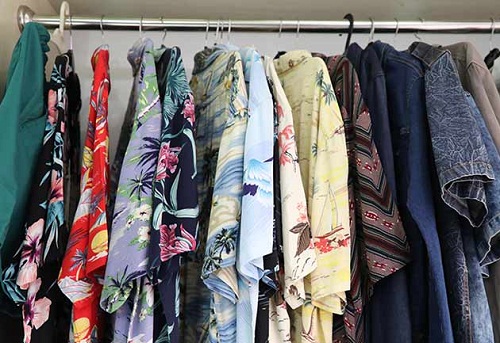 unparalleled production capacity and the ability to produce textile raw materials locally. Also, clothes made in China are more price-competitive. The unit price of Chinese apparel imports declined from $2.25/sq. mt. equivalent (SME) in 2019 to $1.88/SME in 2020. In July 2020, the unit price of US apparel import from China was around 25-35 per cent lower than those imported from other Asian countries.
Despite this, deteriorating US-China relations and forced labor issues reported in Xinjiang continue to veer fashion companies away from China. As a result, China’s market share in the US apparel imports slipped in both quantity and value terms in July 2020 compared with a month ago.
Sourcing moving away from the Western hemisphere
Asia remains the single largest source of apparels for the US. Besides China, it depends on Vietnam, ASEAN, Bangladesh and Cambodia for apparel imports. Moreover, US has not been giving any more apparel sourcing orders to suppliers from the Western Hemisphere for the last few months. From January to July 2020, the country imported only 8.8 per cent apparels from CAFTA-DR members and 4.1 per cent from USMCA members. The value of US’ yarns and fabrics exports to the USMCA and CAFTA-DR members also declined by 28.9 per cent in the first seven months of 2020 from a year ago. One of the major reasons for this was the heavy reliance on textile supply from the US and the price disadvantage.
In the first six months of 2020, the unit price of US apparel imports also declined from 104.7 in 2019 to 99.0 YTD in 2020. Imports from Mexico and China witnessed the most price decline during the period.
SRTEPC organizes Source India Virtual 5.0
The Synthetic and Rayon Textiles Export Promotion Council (SRTEPC) is organizing “Source India Virtual 5.0” from September 07-09 September 2020. This is the flagship event of the Council which has been organized every year since last five years. This time it is being organized through online platform due to social distancing and travel restrictions maintained globally in the aftermath of the Covid-19 pandemic.
Around 400 overseas textile importers, buyers, agents, stockers, wholesalers, etc. from nearly 70 countries have registered to participate in the three-day online exhibition. About 100 Indian leading manmade fiber textile producers and exporters are participating, showcasing their latest range of products in the entire MMF textile value chain from fibre, yarn, fabrics to made-ups, home textiles, technical textiles, etc.
The special features of the Source India Virtual 5.0 are dedicated B2B platform, matchmaking, private interaction through chatting, video call, phone call, flexible timings, etc. Overseas visitors have started visiting the online show in good numbers and have begun their discussions with their Indian counterparts/participating companies.
Made in France goes live on September 01
While Première Vision cancelled the physical edition of its main event for September, the offshoot 'Made in France' took place as a live event from September 01-02, 2020 The 18th edition of the fair presented local textile chain and savoir-faire, fulfilled the requirements set by the French government thanks to restricted exhibitor and visitor numbers.
Located at the Carreau du Temple, a former market hall that had been converted into an event location in the middle of the Marais district, 'Made in France' gathered around 100 exhibitors and–according to the organizers–attracted 3,500 visitors, 3 per cent more than last year. Particularly well attended were the fair's series of lectures, highlighting topics such as the relocation of production, new opportunities for cooperation, taking into account solidarity-based eco-systems and the importance of territories for the transfer of know-how.
A new offer of the fair called 'Hackathon' aimed to accompany and support local brands, which already produce or want to produce completely or mostly in France, by an industrial eco-system consisting of manufacturers, experts and organizations.
Textile Ministry plans digital Textile India 2020 in November
The Ministry of Textiles plans to organize a mega virtual show – ‘Textile India 2020’ in November to bring the exporter and business community related to handicrafts and handloom sector on the global platform. The event will be promoted globally and organizations like India Brand Equity Foundation (IBEF) and Invest India will be involved for branding and promotion of the mega event across the globe.
The Directorate of Handicrafts & Handloom, Kashmir, has urged craft exporters and entrepreneurs from Jammu and Kashmir to participate in this virtual fair as it shall provide excellent marketing opportunities for sale of their famed product line.
The Directorate also urged exporters, consortia and craft entrepreneurs to come up with their respective company profiles, booth display, virtual showrooms and e-catalogues to make an impression on online buyers in future exhibitions being held in virtual mode.
COVID-19: Buyers, distributors shun Paris fashion events
With the virus still rampant, fashion weeks in Paris, are suffering. Buyers, distributors and other industry professionals have decided to stay away from the Paris Fashion Week scheduled from September 28 to October 06, 2020. International buyers, especially those from the UK and the US, have decided not to travel to Paris for any fashion events. The same is true for those from Asia and some h European countries.
Luxury giant LVMH, which usually books 1,250 nights for the Paris Fashion Week has cut the number to 250, because their American and Chinese guests have decided against leaving their countries because of the quarantine. Italian distributors also plan to give the Paris Fashion Week a miss. Mauro Callegari, Owner, Studio ZetaWe plans to stay in Milan to avoid unnecessary risks. Similarly, Riccardo Grassi, owner of the eponymous showroom, had planned to showcase 15 collections at its Paris offices, but has now deferred its plans.
A similar stance has been adopted in the UK. This season, the British Fashion Council will not present its customary selection of emerging designers in Paris. It won’t be organizing the London Show Rooms in Paris this season and plans instead to switch the concept to a digital format. International showrooms that plan to stage sales campaigns during the Paris Fashion Week will do so in a less emphatic way. For instance, AMF Showroom will open on a smaller scale during the Paris Fashion Week with most of its meetings taking place virtually, said Anthony Flamos, Managing Director.
Nilit sets up cogeneration power plant
Nylon producer Nilit has set up a cogeneration power plant on-site at its primary manufacturing facility in Migdal HaEmek. With natural gas as the fuel source, the plant produces cogeneration steam, which Nilit then uses to create compressed air and cold water.
The cogeneration steam has been specially engineered to allow Nilit to derive energy that fits its particular needs. Due to this, the Nilit plant can lower its natural gas use by up to 75 percent, while also reducing carbon dioxide emissions by 40 percent. This plant model also fully eliminates emissions of harmful gasses, including sulfur dioxide.
The plant also provides energy to other local businesses. It aims to reuse the water from the cogeneration energy creation process, further reducing its natural resource consumption.
Nilit has adopted a zero-waste strategy across its company to recycle materials used in the processing of its yarns, including packaging and byproducts of extrusion. The strategy includes ramping up capacity for its recycled nylon line Sensil EcoCare, researching and developing bio-based and biodegradable products and collaborating with sustainable apparel brands.
Global demand for Myanmar clothing wanes: MGMA
Myanmar Garment Manufacturers Association (MGMA) says, global demand for Myanmar's clothing has waned amid COVID-19 outbreak in recent months. The apparel industry has been impacted by supply chain disruption and cancellation of orders from clients, especially the cancellation of demand orders from EU and Western countries, which accounted for 30 per cent of Myanmar's exports.
Statistics by the Ministry of Commerce of Myanmar reveal, the export value of the first 11 months of 2019/20 fiscal reached $4 billion and that of 2018/19 fiscal was $4.6 billion. Therefore, the export value of the clothing industry in this fiscal year is expected to decline compared with the same period of last year, which may lead to the increase of unemployment, unfavorable to the stable development of social economy, and add gloom to clothing industry exports.
Four states included in State Reform Action Plan 2019
Only four Indian states, Uttar Pradesh, Rajasthan, West Bengal and Gujarat have been included in the list of Top 10 states under State Reform Action Plan 2019. While Tamil Nadu occupies the 14th spot, Karnataka is ranked on the 17th position. Haryana remains at the 16th position while Punjab takes the 19th spot. These state rankings will help attract investments, foster healthy competition and increase ease of doing business in each state.
The 4th edition of Business Reform Action Plan (BRAP) was issued by the Indian government recently. It includes 180 reform points covering 12 business regulatory areas such as access to information, single window system, labor and environment, etc.
The plan sought to achieve the larger objective of attracting investments and increasing ease of doing business in each state by introducing an element of healthy competition through a system of ranking states based on their performance in the implementation of BRAP.