FW
India: Indorama opens third facility to manufacture spandex
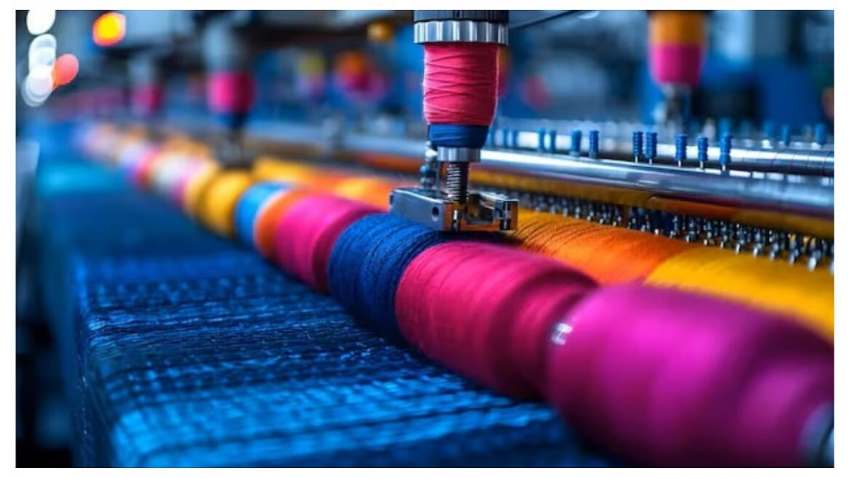
Indorama has begun running its third manufacturing facility in Himachal Pradesh to manufacture spandex.
With the new plant becoming operational, Indorama has now added another 25 metric tons per day capacity and has taken the total production capacity to 65 metric tons per day, which is a giant leap from less than 15 metric tons per day in 2017.
The company has an in-house polymer R&D facility along with a textile and diaper grade application development center to study customer needs, formulate various polymers, continuously improve and offer world-class products.
The company is known for its spandex brand Inviya which holds a leadership position in providing functional solutions to high-end garments, accessories like elastics, tapes and hygiene products like diapers.
Inviya is widely accepted as a dependable raw material by yarn and fabric manufacturers and accessories manufacturers alike in India and across many countries. Inviya’s success is held up as an example to make India self-sufficient in technological development and manufacturing. Indorama also offers other differentiated/specialty spandex products like coloured spandex and ultra-fine deniers.
Indorama is probably the only company in the Indian subcontinent to produce spandex meant for hygiene applications, which is available under the brand SnugFit that caters to baby and adult diaper manufacturers.
Garment fair under way at Noida, India
India International Garment Fair (IIGF) is on at Noida, February 7 to 9, 2023.
Around 250 exhibitors are showcasing their products for autumn/winter 2023-24 and more than 1000 buyers from all over the world and around 800 sourcing consultants are expected to visit the fair.
The trade show features product categories including men’s wear, women’s wear, children’s wear, and fashion accessories, among others. Businesses can present their latest products at the trade show. The event is designed to offer manufacturing businesses the opportunity to network with retailers, wholesalers, and retail chains to expand their distribution networks into new areas and markets across India. Trend forecasting and knowledge sharing will also be facilitated.
The exhibition is focused on transforming North India into an effective sourcing base for all types of garments.India is the second largest textile and clothing exporter in the world.
The country’s textile and apparel exports in fiscal year 2022 increased by 41 per cent compared to the previous fiscal year. In view of the huge potential of employment generation and foreign exchange earningsthe apparel and textile industry has been given priority and India is fully committed to establishing a modern, dynamic, integrated and world-class textile sector.
Renowned fashion writer dead
Hilary Alexander, former fashion director of The Daily Telegraph and the honorary president of the Graduate Fashion Foundation, is no more. She died at the age of 77.
One of the most high profile end prolific fashion writers in recent memory, Hilary received an OBE for her services to the industry. Born in New Zealand, she moved to the UK in 1982 and took up a position at The Daily Telegraph going on to become its fashion director. She stayed with the newspaper for 26 years and became one of the most respected and best-known newspaper fashion editors in the world.
She had a passion for fashion in all its forms and was particularly committed to showcasing new talent. She was twice named Journalist of the Year and in 2007 was honoured with the title Doctor of Design by Nottingham Trent University. Her OBE was awarded by the late Queen Elizabeth II in 2013.She had held the position of honorary president at the Graduate Fashion Foundation, which runs Graduate Fashion Week, since 2019. The event has grown from humble beginnings in 1991.
Hilary, described as the life-force behind the event, was instrumental in bringing high profile names to the event, such as British fashion legend Zandra Rhodes, American fashion designer Diane von Furstenberg, as well as pop star turned fashion star Victoria Beckham.
Decline in imports volumes at US ports
Import cargo volumes at America’s major container ports are expected to drop in February 2023 to nearly their lowest level since the beginning of the pandemic. So says the National Retail Federation.
With the US economy slowing, and consumers worried by rising interest rates and still-high inflation, retailers are importing less merchandise. Retailers are being cautious as they wait to see how the economy responds to efforts to bring inflation under control.
Cargo volumes are down, and the economy is in a contradiction of rising employment and wages that promise prosperity at the same time high inflation and rising interest rates threaten a recession. The economy is far from shut down, but there is a high degree of uncertainty.
The volumes handled by US ports in December 2022 were down 2.6 per cent from November 2022 and down 17 per cent from December 2021. That brought 2022 – which broke multiple monthly records in the first half of the year but saw significant drops in the second half – to an annual total which was down 1.2 per cent from the annual record set in 2021.
As the leading authority and voice for the retail industry, NRF analyzes economic conditions affecting the industry.
Bangladesh: Garment orders drop
Readymade garment factories in Bangladesh are currently running below capacity due to a drop in work orders amid the volatility of the global economy driven by the ongoing Russia-Ukraine war.
As a result most factories are unable to run the their units for the daily eight hours while a number of factories have suspended production for two to three days a week.
Under the circumstances, the readymade garment sector has been unable to bear the burden of sudden price hikes of electricity and gas. Bangladesh’s export-oriented apparel sector has been hit by a power crisis. Production in many readymade garment factories has dropped by at least 40 per cent after the gas and electricity supply situation deteriorated sharply in recent weeks. Exporters are facing trouble producing the existing orders due to the shortage of electricity. They fear that if Bangladesh cannot produce and deliver the current orders on time, the confidence of international buyers will also decline amid a falling demand for textile products in the global market.
Bangladesh’s garment exports fell seven per cent in September 2022 for the first time in 13 months. In the midst of the slide in foreign currency reserves, both export earnings and remittance inflows decreased significantly in September 2022.
Chinese luxury spending sees double digit drop
China’s luxury market contracted ten per cent in 2022. This snaps a five-year streak of high growth.
China’s zero-Covid policy and a slowing economy hit spending. The luxury market grew 42 per cent annually between 2019 and 2021 but its fortunes changed in 2022, after China doubled down on stamping out Covid with city-wide lockdowns and a regulatory crackdown hit the property sector and fuelled unemployment.
All luxury categories were affected to varying degrees during the year. While categories with high online penetration, such as luxury beauty, suffered single-digit declines, the watch market fell the most, with sales dropping 20 per cent to 25 per cent from 2021.Fashion and lifestyle experienced a decline of 15 per cent to 20 per cent while sales of jewellery and leather goods contracted ten per cent to 15 per cent.
But China’s decision to dismantle the zero-Covid policy in early December 2022 is likely to bring back growth this year as mall traffic improves and consumer sentiment rebounds. So 2021 sales levels may be seen sometime between the first half and the second half of 2023. While optimism abounds, there are also risks.
Brands need to resolve pricing gaps between China and Europe before international travel resumes.
As technical textiles captures global attention, growth momentum to continue

Global technical textile market is growing at four per cent a year. The market for technical textiles is expected to increase across a variety of end-use industries, including agriculture, construction, aerospace, medicine, and packaging as more people become aware of their advantages. Modern biotechnology has accelerated the progress of conventional farming practices towards a more scientific method. It is anticipated that the adoption and use of highly effective technologies in the agricultural sector would boost crop output, which will have an impact on overall productivity and the need for technological textiles. The technical textiles market is primarily driven by elements including strengthening national economies, technological developments, and expanding end-use applications.
Segment growth
Technical textiles’ popularity and market penetration worldwide have been aided by their cost-effectiveness, durability, high strength, lightweight, versatility, customization, user-friendliness, and eco-friendliness. Over the past 10 years, the sector has seen several design, fiber, and technology improvements and R&D developments. Increased applications in a variety of industries are due to improvements in the functionality of technical fibers and yarns, such as low elongation at break-high tenacity, low thermal shrinkage, high modulus, high resistance to corrosion, higher thermal stability, etc, which were the result of significant investments in R&D by industry participants.
A total of 51 high-growth potential goods that make up more than 25 per cent of the sector are included in technical textiles. Mulch mats, shade nets, crop covers, anti-hail, sanitary napkins, artificial heart valves, bulletproof jackets, disposable bed sheets, industrial gear, incontinence diapers, baby diapers, sanitary napkins, disposable surgical supplies, etc. are a few examples of these.
These goods represent a variety of application sectors and cross-disciplinary segments. Home tech textiles have the largest market share. This market category consists of goods used in domestic settings, such as furniture, cushioning, fireproofing, floor and wall coverings, and textile-reinforced constructions that offer aesthetic appeal, comfort, and security. Another is agro textiles, due its practical advantage, such as greater weather resistance, microbial protection, protection from solar and ultraviolet radiation, and water conservation, agro textiles are widely employed in the agricultural industry. These goods provide exceptional crop protection, boosting total productivity and enhancing crop quality. Buildtech textiles are used to aid in the development of infrastructure and temporary or permanent buildings. The product is employed in infrastructure development as well as the construction of homes and businesses. Additionally, it has a wide range of uses, such as material proofing, concrete reinforcement, interior construction, thermal and acoustic insulation, and building foundation.
3D weaving
The use of 3D weaving manufacturing technology across a wide range of applications and sectors, including agricultural, medicine, industrial, packaging, aerospace, and automotive, is projected to lead to segmental expansion. The use of 3D knitting production technology aids in the control of knit structures’ dimensionality and weft knitting’s 3D shape. The technology also enables changes and enhancements in the user interface, resulting in knit product designs that are more effective and high performing. This is anticipated to fuel the technical textile market’s expansion.
Nanotechnology
In the creation of technical textiles, the use of nanomaterials like nanoparticles and nanofibers aids in producing goods with greater mechanical strength, antimicrobial characteristics, chemical resistance, and water repellency. Nanotechnology is also used in product manufacture to enhance characteristics like color, texture, and durability.
Regional Insights
The largest regional market is North America. Compared to other areas, the Asia-Pacific market is anticipated to expand more quickly. Due to expansion of the residential, commercial, and industrial sectors brought on by the region’s sustained economic growth, product demand is anticipated to increase. Booming tourism has increased the need for restaurants, resorts, and fast-food chains, which has fueled the expansion of the technical textiles sector. The market in Europe is expected to experience exponential growth because of the increased product demand in home and apparel and fashion applications. The market for technical textiles in the region is also anticipated to be driven by increased healthcare activities, medical tourism, and an aging European population.
UK Spring Fair attracts thousands of buyers, sets the stage for retail trends
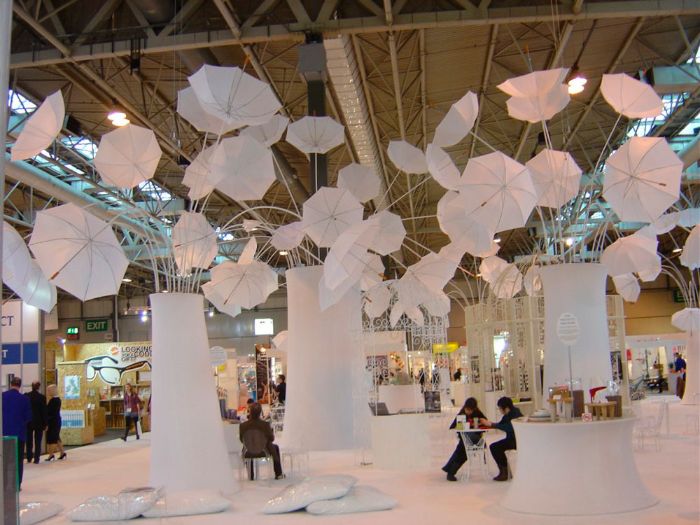
Spring Fair Moda is on in the UK from February 5 to 8, 2023. This is the UK’s leading marketplace for wholesale home, gifts and fashion. Thousands of buyers eager to discover their next best-sellers and forthcoming year’s retail trends have thronged the ongoing fair. Anticipation is high and queues are long.
The product sectors include: beauty and well-being, gift, greetings and stationery, children’s toys and play, party and celebrations, Christmas, floral and seasonal decorations, home, living and décor, housewares, women’s wear, fashion accessories, jewellery and watches and footwear.
With its 74-year heritage, Spring Fair is firmly established as UK retail’s shop for shops. The fair is a key event in the buying calendar and an unrivalled marketplace for new products, networking, insightful content and trends. It welcomes the entire retail industry, including large and small retailers, buying groups, agents, associations, change makers, and creatives, and it has evolved to become more than just a trade show.
Metaverse an added experience
Spring Fair is an experience. Exhibitors and buyers are positive about the positive impact the fair has had on their businesses. Renowned for its outstanding content and trend inspiration, the Inspiring Retail Stage welcomed a host of experts advising on business health, navigating the metaverse, and the latest innovations in sustainability messaging.
Visitors were given insights into what, how and why of branding. A new year called for a bold start to the season in Moda. Alongside a fresh edit and the latest collections from over 300 women’s wear brands, accessories, jewellery and watch, and footwear. Moda is leading the way in celebrating upcoming design talent. CEOs are sharing their expert roadmap and enabling business owners globally to stop wasting time and be able to re-imagine their businesses so they can stay relevant and lead in a world that no longer wants more.
Focus on social media
A session on selling on TikTok shares top tips for selling with soul in order to grow community and sales and a fashion consultant will offer ideas on getting more from the platform and growing the customer base. Retail entrepreneurs can take to the stage to delve into current challenges facing businesses across the UK as well as the opportunities that can often arise out of tough trading conditions.
The event is collaborating with the National Association of Jewellers to support the next generation of jewellery designers. In a vibrant showcase of up-and-coming footwear designers, designs by students culminated in an awards ceremony on the Modastage.
Jeanologia helps making of ecofriendly fabrics
Jeanologia has developed technologies to enable the production of eco-friendly fabrics and perfect the link between fabric and finish.
G2-Dynamic ozone technology and Anubis technologyare key components of Jeanologia’s Mission Zero, which aims at eliminating 100 per cent of the waste generated in the production and finishing of jeans.G2 Dynamic ozone technology is a key enabler for a more sustainable and competitive textile industry, and it is important to start the process with the fabric to prepare it for subsequent processes that are more environmental-friendly.
The Anubis system developed by Jeanologia makes use of thermal shock. Maximum shrinkage control and fabric relaxation are achieved with no water and in a shorter amount of time.The subsequent ozone treatment with G2 Dynamic maximises the cleaning effect, making it the only treatment required for the continuous finishing of textiles without the need or risk of water.
Similarly, G2 Dynamic is a green substitute for some of the most polluting and water-consuming fabric finishing processes. This ozone technology for continuous treatment of fabrics achieves more authentic results in less time, while also conserving resources in textile production and finishing.Its high-performance cleaning eliminates build-up, boosts crocking and colour fastness, and functions as a laser enhancer.
Asos works with Good Weave to end child labor
Asos will support Good Weave in its work to end child, forced and bonded labour in global supply chains. Asos is a fashion e-tail giant.
Good Weave, a nonprofit founded in 1994, works at stopping child labor in global supply chains through a market-based system and holistic approach. Asos will specifically focus on fashion apparel and accessories suppliers in India and will begin selling select products covered under the GoodWeave Standard in late 2023.
Three strategic Asos suppliers in India exporting fashion apparel and accessories will be enrolled in the program, with further suppliers added in the months ahead. Each supplier will undergo audits and unannounced inspections by dedicated Good Weave staff trained to identify potential risks and issues of forced, bonded and child labour.
Asos is addressing risks of child labour and modern slavery through auditing and local engagement and builds on its other NGO partnerships working in this space, including The Centre for Child Rights and Business in China.
With this new partnership with GoodWeave, Asos is taking its modern slavery and ethical trade work one step further through assurance and deep supply chain mapping, helping ensure that workers are protected and their rights respected. The risks of forced, bonded or child labour are always present within complex global supply chains.