FW
New report offers actions to rebuild a sustainable industry
A report ‘Weaving a Better Future: Rebuilding a More Sustainable Fashion Industry After COVID-19’, states sustainability in fashion is at risk in a post-COVID-19 crisis world. The report offers four actions that must be taken to avoid backsliding on progress and to actively prepare for a changing industry: These actions include protecting critical assets to survive the economic crisis; solve immediate inventory challenges in partnership with suppliers; integrating sustainability and accelerating transparency while increasing sustainability ambitions
The report notes unprecedented challenges that have arisen from the crisis, including fashion and luxury together are the most negatively impacted of all consumer goods and services, after travel and tourism. From March to April, sales decreased by 60 to 70 per cent in the worldwide fashion and luxury industry – with foot traffic in retail and recreation stores down by 44 per cent in the US, 52 per cent in Germany, 78 per cent in India and 59 per cent in Brazil, says the report jointly released by the Boston Consulting Group (BCG), the Sustainable Apparel Coalition (SAC) and technology company Higg Co
CCI procures 41per cent of cotton produced in Malwa
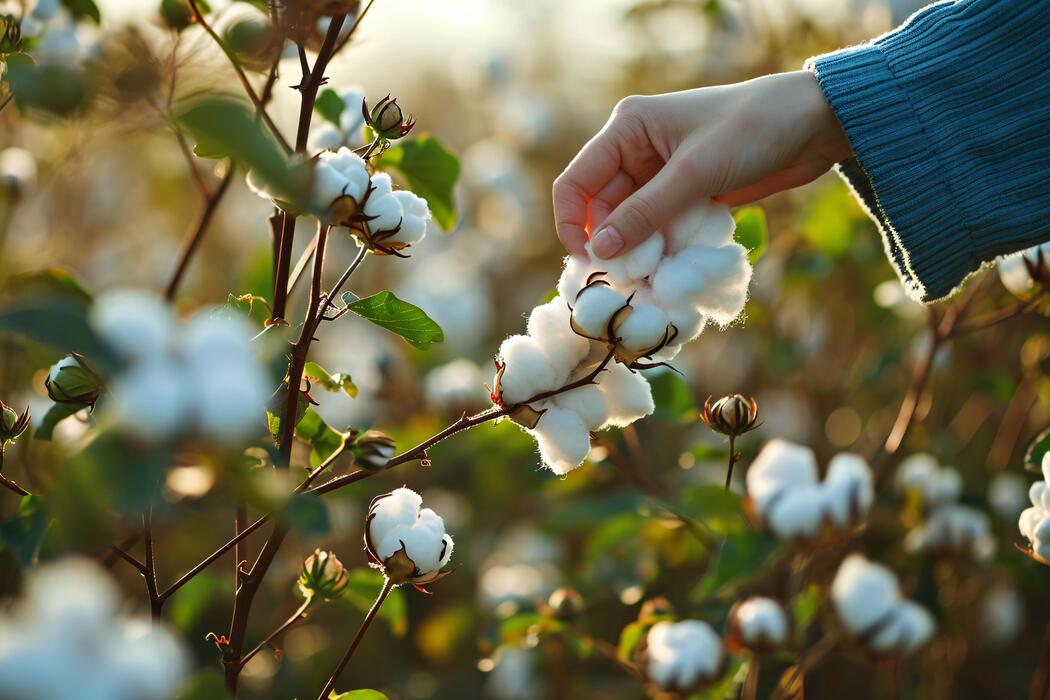
The Cotton Corporation of India (CCI) has bought about 41 per cent of the total cotton produced in south Malwa districts after it resumed operations two weeks ago.
According to official data, about 44,000 quintal cotton has been procured from Fazilka and 41,000 quintal from Mansa district since April 14. The central agency is estimated to have bought cotton worth Rs 54 crore after it resumed procurement on April 14. Cotton purchase was suspended after curfew was imposed in Punjab on March 23 due to Covid-19 outbreak.
The CCI started procurement in October last year after private players were paying farmers less than the MSP. By March 21, when purchase had to be suspended, CCI had disbursed Rs 850 crore to cotton growers. For purchase from April 14 onwards, CCI had already paid Rs 25 crore to farmers and the process to clear dues of Rs 29 crore is on.
adidas’ Q1 net profit declines 97 per cent
German shoemaker adidas has reported a 97 per cent decline in its net profit for the first quarter of 2020 fall due to the ongoing global pandemic. The net profit for the year was reported to be $21.5 million compared to $681.3 million a year ago, with more than 70 per cent of its offline stores currently shut.
The brand has, however, seen a 55 per cent increase in online sales in March and a 35 per cent rise for the first quarter overall, even as the rise in online sales failed to prevent the brand’s revenue fall by 19 per cent to €4.75 billion.
Revenue and profit is predicted to be significantly worse in the second quarter. adidas, meanwhile, opted not to give full-year guidance due to the uncertainty created by the pandemic.
AAFA welcomes USTR reports
The American Apparel & Footwear Association (AAFA) has welcomed the new 2019 Out-of-Cycle Review of Notorious Markets and the 2020 Special 301 reports by the Office of the United States Trade Representative (USTR). AAFA has stated that USTR provides a regular forum for it to share its perspectives on foreign country practices as well as those of physical and online marketplaces. It also emphasized the need for both domestic and worldwide marketplaces, and the countries that house them to implement effective and proactive measures to safeguard intellectual property to protect consumers, workers, and their families.
The association identified 130 physical marketplaces and eight online marketplaces that member companies identified as engaging in and facilitating substantial trademark counterfeiting and copyright piracy.
In its Special 301 submission, AAFA provided perspectives on IP practices in eight countries.
COVID 19 to propel fashion’s sustainability makeover
 Experts and industry leaders have been highlighting the need for lessening the impact of fashion on the environment now; COVID-19 has accelerated the industry’s need to be sustainable. Sustainability is the quality of not being harmful to the environment or depleting natural resources, and contributing to greater ecological balance over long-term. However, its foremost meaning is to be able to sustain itself over a period f time.
Priortising sustainability
Akanksha Himatsingka, CEO, Himatsingka EMEA and Asia Pacific, and creative director the brainchild behind India-based manufacturer’s conscious Himêya brand defines sustainability as a way of life that will gradually emerge out of this crisis. She feels, the coronavirus crisis will lead to a lot of rethinking of product offerings, how we travel, how we work. Similarly, Liz Simon, chief sustainable transformation officer at France’s Fashion3 points out slipping back into default mode will not help. We will have to prioritize sustainability above everything else.
However, for many, it may seem an insurmountable challenge. Especially when stores remain closed and depressed consumption pauses revenue that is necessary to give rein to their sustainability efforts.
As Doug Cahn, founder of corporate responsibility consultancy The Cahn Group fears the sustainability agenda may be pushed aside while brands and retailers do everything they can to stop the bleeding in the face of dramatic drop in demand.
In fact, Global Fashion Agenda chief sustainability officer Morten Lehmann also fears retailers might pull from their environmentally focused teams to fill new COVID-19 crisis management teams. Lehmann believes, these things will penetrate right up the supply chain, as manufacturers fielding cancelled orders and a cash-flow crisis because of the holding pattern the pandemic has put everything in, may not be able to prioritize sustainability accordingly either.
Need for creating a new vision, redefining value
Though fashion brands may still meet some of the 2020 sustainability goals, they will have to create a new vision for themselves. Fashion3 is revaluing its business by moving from a classic P&L to an E P&L, a monetary valuation that’s based both on business operations and an analysis of the company’s environmental impacts and its supply chain. The company aims to understand the impact that its six brands are having on the planet, and how can it measure itself against the value that it produces socially.
Another important factor is capital. The fashion industry has been tied to shareholders seeking quarterly growth, which has contributed to brands and retailers focusing on short-term decisions to deliver growth. The industry’s absolute focus on entry margins has often led fashion to its supply chains moving from China to Bangladesh to Ethiopia, which is just not sustainable
Simon advises companies to look at final value rather than short term gains. The pandemic, she feels may force companies to change how they value both themselves and the product they put out into the world. Sustainability in fashion depends on both consumer consciousness and brands’ wielding of their influence over consumption. This will require a great amount of transparency on behalf of brands.
Himatsingka argues, sustainability isn’t something that can be parroted or called on for one-off capsule collections. She defines it as a culture that one needs to imbibe holistically.
Though, most brands have joined the sustainability bandwagon, there are others who still haven’t. Now, the pandemic may just push these companies to do so.
US Cotton Trust Protocol listed amongst Textile Exchange’s preferred fibers and materials
The U.S. Cotton Trust Protocol has been added to Textile Exchange’s list of preferred fibers and materials. The Trust Protocol will now be one of 36 fibers and materials that over 170 participating brands and retailers can select from as part of Textile Exchange’s Material Change Index program.
Textile Exchange defines a preferred fiber or material as one which results in improved environmental and/or social sustainability outcomes and impacts in comparison to conventional production. The Trust Protocol will join a portfolio of more sustainable cotton production initiatives including the Better Cotton Initiative (BCI), Cotton Made in Africa (CmiA), Fairtrade Cotton, Organic Cotton, REEL, ISCC, and Recycled Cotton as a preferred cotton fiber.
The master list of preferred fibers and materials evolves over time as sustainability innovations prove themselves. Textile Exchange consults widely with its members and NGO partners to ensure the categories are always reflective of the latest thinking.
“We are pleased to see the U.S. Cotton Trust Protocol recognized on Textile Exchange’s list of preferred fibers and materials,” said Ken Burton, executive director of the U.S. Cotton Trust Protocol. “The U.S. Cotton Trust Protocol is an industry-wide system that will guide U.S. cotton growers to continuously improve and reduce their environmental footprint. We will provide brands and retailers with aggregate data that track the efforts of U.S. cotton growers to improve water and soil conservation and reduce greenhouse gases. These data will support the fashion and retail industries in their efforts to demonstrate progress toward sustainability goals.”
Textile Exchange encourages companies to accelerate their use of preferred fibers, and acknowledges and honors companies that recognize the importance of integrating a preferred fiber and materials strategy into their business practices.
ATS adds new virtual show
Apparel Textile Sourcing (ATS) trade show has added Apparel Textile Sourcing Virtual (ATSV) as its fourth trade show in the 2020 calendar. The new event will take place from May 25 to 29, 2020.
The virtual event is a direct response to the COVID-19 pandemic. The ATS strategic response was to move the Apparel Textile Sourcing Miami (ATSM) physical trade show from May 27-29 to November 11-13, and add the ATS-Virtual trade show from May 25-29.
The May event will now expand the audience reach to include global attendees from the United States, Canada, Latin America, Europe, Australia, and more. International and domestic manufacturers will be able to interact with attendees live, via voice chat, WeChat or text. All attendees to the show will receive online links, catalogues, certifications, and further information electronically. ATS-Virtual will feature apparel and textile manufacturers’ interactive booths stocked full of ready-to-order apparel, textiles, home textiles and fashion accessories featuring: • Men’s, Women’s & Children’s • Denim, Linen, Knits, Synthetics, Fibers & Blends • Formal, Active, Leisure & Intimates • Leather, Footwear & Hardware
ATS-Virtual will feature live seminars from industry leaders focusing on the global supply chain perspective and shelter/rebound business strategies in the wake of the pandemic.
The virtual event is spread out over five days to provide easy navigation. Matchmaking professionals from TopTenWholesale.com and Manufacturer.com will be available to help connect any buyers and sellers. All seminars will be recorded and available. Categories will be clearly defined and the manufacturers will be waiting to answer any questions or fill any requests.
Sales of private apparel retailers dip as consumers focus on essentials
With most big-box companies focused on selling essential items to customers, non-essentials like apparel are taking a backseat. Currently, with customers spending more money on essentials, investment in retailer-owned apparel brands isn’t paying off, while investments in food, beverage and essentials are. Target, for example, saw comparable sales for the latter categories increase by 20 per cent in the last quarter.
Others, like Kohl’s, were struggling with apparel before heading into a global pandemic. The company did not meet its internal expectations for 2019 due in part to shortcomings with its women’s apparel business which makes up about 30 per cent of its sales. The retailer continues to see success across intimates and activewear — it sells Nike, Under Armour and Adidas, among others — but classic and contemporary offerings are struggling. As a result, the company has decided to exit eight women’s brands.
Target, on the other hand, is seeing a boost in e-commerce sales for the month of April — about a 275 per cent increase — but apparel is crashing while categories like food and beverage are performing well. This week, comparable sales for apparel and accessories slipped 30 per cent in the month of March and are down more than 40 per cent so far in April.
LVMH Group steps up PPE production across the world
The LVMH Group and its Maisons have begun making or supporting production or distribution of large quantities of alternative non-surgical face masks to help protect against contamination, as well as hospital gowns.
Christian Dior is making protective gear that is indispensable to slow propagation of the virus. The brand is also distributing masks to its workers including cashiers in supermarkets, retailers and employees in government services.
In addition, Louis Vuitton is making gowns for frontline hospital workers in Paris hospitals, which face a serious shortage of protective clothing. The gowns are being made by volunteers at a workshop near Louis Vuitton headquarters in Paris.
Loewe is also engaged in the production of non-surgical masks in its Getafe factory, near Madrid. They will be distributed to volunteer workers as well as to Maisons employees and their families. In addition, 100,000 masks have been donated to the Spanish Red Cross to assist the country’s hospital staff.
Celine has mobilized resources and teams as well to help Paris hospitals. Some 50,000 gowns have already been donated to Paris hospital staff. Moët Hennessy has sent nearly 1,000 gowns to Professor Zehra at the Montreuil hospital, while La Grande Epicerie de Paris donated 400 gowns to self-employed nurses in the 7th arrondissement of Paris.
Kenzo has made fabric available – including from the Savoir-Faire Ensemble platform – to produce 1000 gowns for the staff of the Montreuil hospital and is making its production resources and fabric available for the manufacture of 1000 additional units.
Triupur struggles to step up PPE production as demand rises
A recent Economic Times reports, South India’s cotton knitted garments capital, Tirupur, is struggling to step up production as demand for personal protective equipment such as masks and bodysuits has thrown up a $2 billion business opportunity. About 200 units in Tirupur currently make personal protective equipment (PPE), mostly to serve the needs within India. Industry body Tirupur Exporters Association has been pushing local manufacturers to improvise on products to meet global standards, the report said.
The report also says, the magnitude of the coronavirus outbreak in the US and Europe and its impact on the economies have left exporters in India worried, as those are their biggest markets. There are innovations underway to see how the masks can be made more user-friendly. Frequent usage of disposable masks is not viable as contamination is worrying. That the face masks that are mostly used contain polypropylene procured from China has added to concerns.
In order to address this, an incubation centre for textiles and apparels in Tirupur is trying to develop a reusable, biodegradable, antibacterial facemask. This will be a cotton, three-layered mask that will be developed with the outermost layer being water repellent and anti-viral, the middle layer filtering the virus and the innermost layer will be finished in a way that provides comfort to the mask wearer