FW
COVID 19: An opportunity for fashion retailers for a circular business model
 A report by GlobalData revealed post COVID-19, sustainability has become one of the most important theme for fashion businesses across the world. Public anger over the lack of action on climate change and corruption has accelerated sustainability discussions amongst fashion retailers.
Retailers need to adapt to a different business model that incorporates circular fashion and sustainability, says the report. Retail Insight Network advises these retailers to promote circular economy which would not only protect the environment but also help them stay relevant in a changing retail landscape.
Replacing fast fashion with circular alternatives
UK-based charity Ellen McArthur Foundation defines circular economy as a way to redefine growth by separating economic growth from the consumption of finite resources and designing waste out of the system. It also includes regenerating the natural system by switching to renewable energy sources. One of the ways, the fashion industry can become sustainable is by replacing fast and linear fashion with circular alternatives.
One of the most-used retail models, fast fashion promotes a ‘wear once’ attitude, with its constant introduction of new stocks. Through this, it reduces the lifecycle of clothes, which are made, bought and disposed off after little use. As Waste & Resources Action Program (WRAP) reveals, UK consumers dispose an estimated £140m and 350,000 tons of used clothing annually.
Promoting sustainable transportation and delivery
But the fast fashion model does not damage environment just by wasting clothes but also through the pollutants that are released during their delivery and transportation. A circular business model can help retailers reduce this damage and grow businesses. Many fast fashion brands including Nike have embraced the circular fashion model. Nike has created its new trainer ‘Space Hippie’ with around 50 per cent recycled waste while Inditex has pledged to convert stores into ‘sustainability hubs’ within the next two years.
GlobalData’s June study conducted in partnership with ThredUp expects second-hand apparel market to grow to $64billion within the next five years. The study states, online thrifting is likely to grow to 69 per cent between 2019 and 2021, while the broader retail sector is likely to shrink 15 per cent. The analysis also expects resale to be a bigger industry than fast fashion by 2029, with traditional thrift and donation-based fashion to be worth $36billion, resale to be worth $44billion, and fast fashion $43 billion. The total value of second-hand fashion will be at $80 billion, almost double that of fast fashion.
Rise of fashion re-commerce
The rise of circular fashion may have been a result of changing perceptions of retail and the need for sustainability however, COVID-19 has accelerated its popularity amongst consumers. Stastistics by GlobalData and ThredUp reveals 79 per cent consumers plan to cut their apparel budget in the next year, with 88 per cent consumers preferring to adopt a new thrifty hobby such as mending clothes and sewing face masks.
Fashion retailers can benefit from this by switching to new business models, such as resale and re-commerce. Resale can prove as a green alternative for retailers as re-commerce sites like eBay, and Depop have been increasing in their focus on second-hand buying. Department stores are also integrating resale into the retail industry. American department store Macy’s has employed brick-and-mortar ThredUp thrift stores, with more department stores like JCPenney expected to follow soon. Another retailer & Other Stories sells pre-owned garments through the ‘pre-loved’ section of its website while Barclays, a British financial services company views COVID-19 as an opportunity for brands to embrace sustainability and switch to circular fashion.
Nearshoring, a distant dream feel US apparel manufacturers
 Even though it’s perceived as a positive step, US apparel manufacturers are skeptical about increasing calls for nearingshoring supply chains. They believe, textile and apparel production in the US is unlikely to return to its former glory as it does not have the required scale and quality of raw materials. One prominent example of this is the lack of hemp raw material in the country. Philadelphia-based designer Mary Alice Duff, who began sourcing hemp domestically, found the fiber fabric available in the US is not scaled, nor skilled enough. Additionally, the 2019 tariff hike has also increased hemp prices in the country by around 25 per cent. Hence, Duff is compelled to source hemp-cotton blend from China.
Upgrading its manufacturing skills
Another factor that holds back nearshoring of apparel manufacturing is the lack of latest technology. Fatima Anwar, CEO, Ethical and Sustainable Apparel Sourcing, says the convenience of co-locating the entire garment manufacturing process should not be overlooked. According to her, the US is unlikely to see resurgence in apparel production unless the cut-and-sew capabilities of manufacturers are upgraded.
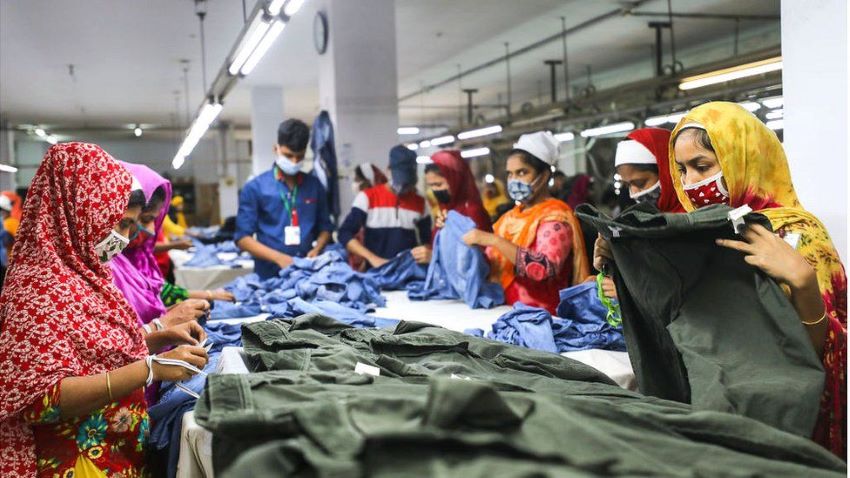
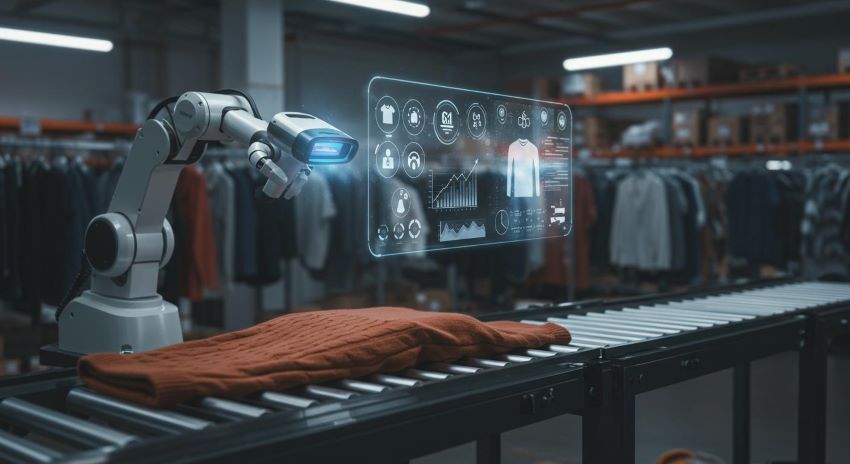
Though automation could fix these problems it hasn’t yet done so as the cut-and-sew process is incredibly labor-intensive. Bangladesh manufacturers don't have the technology as yet to make fully-automated facilities. Hence, Anwar is forced to keep one foot in New York and one in Bangladesh. Though her clients are based in the US, the manufacturers she connects with are in Bangladesh. US sourcing of textiles does not make business sense for most of her large-scale clients.
And Anwar says buyers are mainly attracted drawn to three factors: convenience, price and experience. Experience translates to high quality and high productivity rates. According US production resources might make sense for small quantities at a luxury price point. The country does not have a lot of people specialized in textile and textile formulation.
Filling supply chain gaps with dead stock
However, the US has plenty of dead stock that can help brands fill the gap in their supply chains, says Stephanie Benedetto, Founder, Queen of Raw, an online marketplace for dead stock. Benedetto estimates the US produces more dead stock than it does virgin fabric. In addition to luxury materials like leather and silk, Queen of Raw offers popular synthetic textiles produced in Asia. Its user base has grown exponentially since the beginning of the pandemic as most US-based brands cancelled orders from suppliers to hold onto cash and, are to yet decide on their future collections. These brands are utilizing the current available time to plan a less wasteful system based on nearshoring. However, it’s quite early to know if they can truly create more localized on-demand, sustainable, efficient supply chains.
Cematex appoints new president
At the General Assembly held by the European Committee of Textile Machinery Manufacturers (Cematex) appointed as its Ernesto Maurer as its new President. Maurer took over the task from another experienced name of the textile machinery sector, Fritz P. Mayer.
Maurer has been the President of the Swiss Textile Machinery Association (swissmem) since 2015, and was also a Member of the Cematex Board of Directors. Maurer has been active in management as Cematex 1st Vice President for the past four years. Sitting in the chair of the president at a time of difficulties due to the pandemic, Maurer will hold three ITMA fairs planned in Europe and Asia within the four-year term of office.
Also elected at the General Assembly were 1st Vice-President Mikael Äremann (TMAS, Sweden) and 2nd Vice-President Charles Bauduin (Symatex, Belgium). Cematex has an important position as the owner of ITMA fairs, which is considered as the biggest event in the global textile machinery and technologies sector. The fairs, the first of which was held in 1951, are regularly held in Europe and Asia. During the tenure of Ernesto Maurer, 2 Asian and 1 European editions will be held. Due to the Covid-19 pandemic, ITMA Asia + CITME fair will be held in Shanghai on 12-16 June 2021 instead of October 2020. Following this, ITMA Asia + CITME 2022 fair will meet the sector in the same city.
M&S to cut hundreds of jobs: Sky News
British retailer Marks and Spencer Group Plc plans to announce hundreds of job cuts in the coming week, report Sky News.
The cuts would be part of redundancy plans that the company plans to announce in the coming days as apart of a restructuring that could affect several thousand employees in coming months.
In May, when the pandemic hit, M&S was already in the middle of a new plan to improve its fortunes, including reviewing headcount, cost cuts and store closures. The company furloughed around 7,000 employees and announced plans to close about 100-120 stores.
London-headquartered M&S will be the latest retailer to join firms like health and beauty chain Boots and department store John Lewis in warning that thousands of jobs would be at risk.
British retail faces more than 5,000 job cuts as retailers warned customers were unlikely to return to their old shopping habits after the coronavirus crisis, in the latest blow to the country's ailing economy.
COVID-19, a respiratory disease caused by coronavirus, has put an intolerable strain on retailers, already battling high rents, business rate taxes, tight margins and a rapid shift online.
ETSA hopes for a summer recover in textiles
European Textile Services Association (ETSA), which released its 13th update to members since lockdown had started in March, hopes to see some form of summer recovery. The association continues to lobby with the government for hospitality status for hospitality sector laundries though it is yet to get any formal response as yet. Its survey done in June highlighted revenues in the region’s industrial services workwear as well as in the health sector have declined sharpely while revenues in the hospitality sector plummeted by 80 per cent in April.
According to the association, the region would require over 18 months to recover from this. It is resorting to furlough of personnel to avoid layoffs as much as possible throughout the sector. The association is also cutting back on its investments even as cancelled orders on new equipment, products and services are having a cascading negative effect on suppliers
The Cabinet Office and NHSI of the ETSA have been leading the work on manufacturing and procuring reusable gowns for healthcare use. However, after several weeks in to the process, they have come to the conclusion that the individual health trusts and care homes should procure gowns locally depending on the exact requirements. However, the Government departments are keen to ensure that they recommend right specifications as firmly as they can.
Meanwhile, NHS England has also confirmed they will be ordering centrally for NHS acute care hospitals. They are proposing to fix RFID tags on these gowns to enable the creation of a national open protocol pool stock. They have also confirmed that the gowns are going to be a permanent addition to the product range and will be included within future framework agreements.
Texworld USA Summer Edition to be held on a digital platform
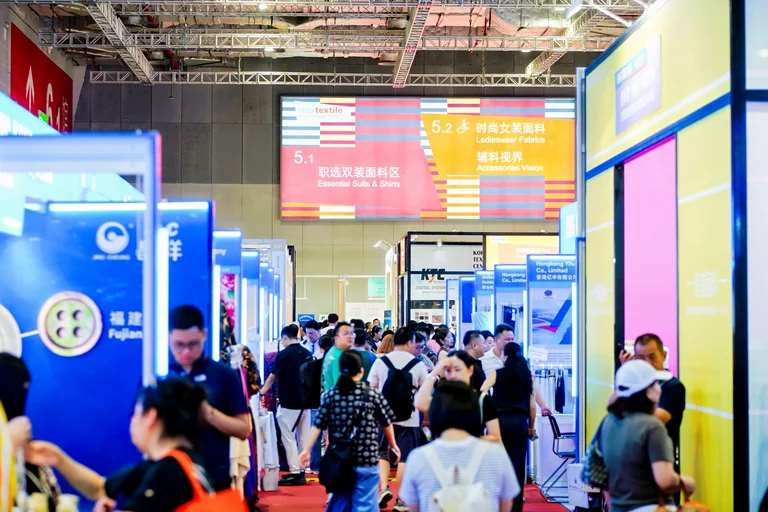
The summer 2020 edition of Texworld USA, being held from July 21-23, will bring together professionals working in sourcing, fabric buying, research and development, merchandising and design on a digital platform. The show will enable attendees and exhibitors to access an artificial intelligence-powered matchmaking tool that will guide them on who to meet, what sessions to attend and which virtual booths to visit. The participants will be able to leverage this networking platform for 45 days even after Texworld USA closes through a chat function.
Additionally, Texworld USA will also offer browser-based video conferencing facilities for one-to-one meetings. Through this, companies will be able to customize a page with product listings and brochures, website links and promotional videos. This hub can also be used to set up meetings and manage scheduling.
Meanwhile, Texworld USA will also broadcast live sessions. Textile Talks and Lenzing Seminar Series will allow viewers to chat with other attendees. After the event, registrants can access the 400-plus exhibiting global suppliers as well as these talks for 45 days to learn more about topics ranging from climate change to what sustainability will look like after COVID-19.
The virtual edition will bring together textile mills and manufacturers from 15 countries.
Turkey’s textile exports recover in June 2020.
Turkey’s leading e-magazine textilegence.com states, though the country’s textile and raw materials exports were hugely impacted by the COVID-19 pandemic in the first half of 2020, they soon managed to enter a rapid recovery process. Turkey’s textile exports during January-June ’20, declined 17.4 per cent to $4.1 billion compared to the same period previous year. However, in June, the country’s textile exports increased by 19.8 per cent to $766 million compared to the previous year. Its overall exports in the first half of the year increased by 15.8 per cent to $13.5 billion
Turkey’s quantity-based textile exports during the January-June period decreased by 14.3 per cent to 999,000 ton. However, exports in June increased by 16.3 per cent. The country exported the highest amount of textile and raw materials to 28 EU countries during the month. However, its exports to the EU fell 18.5 per cent to $2 billion Exports to other European countries increased by 114.9 per cent to reach $11 million in June. Its exports to the Old East Bloc Countries increased by 37.2 per cent in June to $87 million dollars. In the context of the January-June period of 2020, its textile exports to this market decreased by 10.9 per cent to $431 million.
Technical textiles were the most important product exported by Turkey during the January-June 2020 period. Turkey’s export of technical textiles increased by 43.9 per cent compared to the same period of the previous year to reach $1.1 billion. The export of technical textiles products in June was calculated as $318 million with an increase of 202 per cent.
Fashion brands should limit impact on climate change: McKinsey survey
Two-thirds of consumers surveyed by McKinsey in April 2020 believe amid the COVID-19 crisis, it has become even more important for fashion brands to limit impacts on climate change. Additionally, 88 per cent respondents believe that more attention should be paid to reducing pollution. Around 67 per cent of consumers consider the use of sustainable materials to be an important purchasing factor, and 63 percent consider a brand’s promotion of sustainability in the same way.
Additionally, surveyed consumers expect brands to take care of their employees, as well as workers in Asia, during the COVID-19 crisis. Around 70 per cent of the respondents plan to stick with brands they know and trust during the crisis. Of surveyed consumers, 75 per cent consider a trusted brand to be an important purchasing factor. However, younger consumers, particularly Gen Z and millennials, are more likely to experiment with smaller or lesser-known brands during the crisis.
More than 60 per cent consumers report spending less on fashion during the crisis, and approximately half expect that trend to continue after the crisis passes. However, consumers are likely to cut back on accessories, jewelry, and other discretionary categories before reducing their spending on apparel and footwear. Approximately 50 per cent of the younger consumers are willing to buy cheaper versions of products they normally buy.
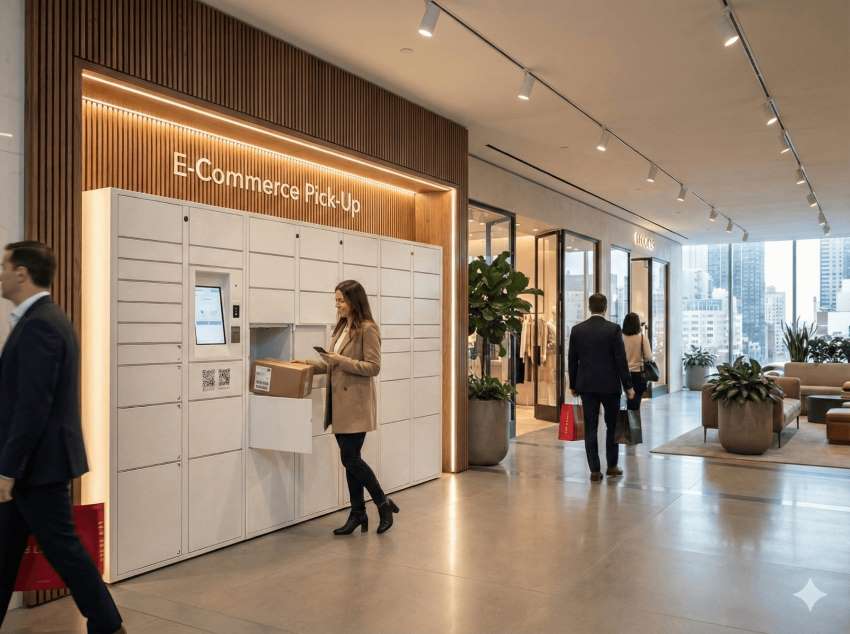
The COVID-19 crisis has recruited new consumers to online channels with 43 percent of surveyed consumers now using online channels for shopping. Around 65 percent of consumers supported fashion brands who delayed the launch of new collections as a result of the COVID-19 crisis. Additionally, 58 per cent respondents were less concerned about the fashion of clothing than other factors following the crisis. Around 65 per cent respondents plan to purchase more durable fashion items, and 71 per cent plan to keep the items they already have for longer. Additionally, 57 per cent of respondents are willing to repair items to prolong usage.
Younger European consumers are more interested in purchasing secondhand fashion items following the COVID-19 crisis. Of surveyed consumers, around 50 percent of Gen Z and millennials expect to purchase more items secondhand.
India remains second largest importer of Chinese sewing machines: Report
As per General Administration of Customs of China stats, India is the second largest sewing machine importer during the January-May ’20 period while Vietnam secured the top rank. The other major importers of the Chinese sewing machines during the first five months of 2020 included: Turkey, Japan, USA, Singapore, Egypt, Indonesia, Iran and Brazil.
However, Vietnam’s imports fell by 27.30 per cent to $111.34 million worth of sewing machines, while, India’s imports declined by 39.68 per cent to $68.20 million. On the other hand, Turkey noted a significant rise of 73 per cent in sewing machine imports from China and import valued at $38.58 million. Egypt and Iran were two other countries in top 10, which reported growth in their respective sewing machine import from China by 9.52 per cent and 60.50 per cent.
Japan’s import value from China was $36.54 million which is 20.86 per cent less than what it had imported a year earlier. Chinese sewing machine exports to US stood at $30.65 million, noting a 30.33 per cent yearly drop.
Imports by Bangladesh, a growing destination of the Chinese sewing products till 2019, fell in 2020 by a massive 47.23 per cent to $22.53 million worth of sewing machines from China.
Netherlands pledges support for circular economy in Bangladesh
King Willem-Alexander of the Netherlands has assured Bangladesh it will support the South Asian country in adapting to circular economy in the changed development scene. The two deltaic countries plan to enhance cooperation in various sectors such as climate change, women's development, sustainable manufacturing, technology, economy, and more. According to the circular economy work plan, people will be provided with high quality and safe products at economical prices. The products will be more sustainable than past products and can be remanufactured too. The focus will be on improved living, creative employment, and ensuring higher knowledge and skills. Both of the two countries could benefit equally from such cooperation.
European Union (EU) countries are first implementing circular economy themselves. Re-manufacturing is important to circular economy particularly, for the sake of maintaining environmental balance. By means of circular economy, the aim of the EU is to reduce carbon emissions to a specific level by 2030 and cut expenditure by at least €60,000 billion, as well as to ensure a minimum 80,000 jobs.
According to the EU website, the bloc has been working in accordance to a work plan drawn up in 2015. In the continuity of the concept of 'green growth', Europe and the rest of the developed world are now placing emphasis on circular economy. From 2025, EU countries plan to export goods to 27 EU countries will have to follow that system of production in order to remain in the competition. It will be compulsory to make it possible to remanufacture one-fourth of a product of countries exporting to the EU.