FW
Majority consumers top following trends amid rising inflation: Survey
Majority of consumers globally have stopped following fashion trends due to rising inflation levels, says a new survey by EY Future Consumer Index. Around two thirds of respondents said they no longer feel the need to keep up with the trends, with 69 per cent now attempting to repair rather than replace their belongings.
A further 60 per cent of the 18,000 respondents from 24 countries interviewed in May and June said they are relying less on beauty and cosmetic products to boost their confidence.
Customer buying behaviors are changing once more and supply chain theory has become the topic of dinner conversation around the country, with Irish businesses taking note," says Ivan O'Brien, Consulting Partner, EY Ireland.
Digital behaviors learned during lockdown will continue to be embraced if they offer savings to Irish consumers, and businesses with user-friendly digital channels have an opportunity to capitalize on this.
Additionally, producers are moving away from lean production processes and embracing 'just in case' planning, so as to avoid running out of stock due to sudden increases in demand
The report also found that finances are now a concern for four in five people.
Despite improving sentiment towards sustainability year-on-year, two-thirds of participants in the EY survey said the high price of sustainable goods is off-putting.
The survey also found that one in eight consumers have used digital currencies, rising to 15 per cent among Gen Z and 18 per cent among millennials.
Huntsman Textile Effects bags ‘Exporter of the Year’ Award
Leading global provider of high-quality dyes, chemicals and digital inks for textile-related industries, Huntsman Textile Effects was awarded with the ‘Exporter of the Year’ award for the second consecutive year.
Conferred by the Gujarat Dyestuffs Manufacturers Association (GDMA), the award, reportedly, recognises companies that have demonstrated outstanding export performance for 2019-2020 and 2020-2021.
During this period, Huntsman earned the highest foreign exchange from self-manufactured direct export of dyes and dye intermediates.
The company operates a state-of-the-art global dyes and chemicals manufacturing unit in a designated industrial zone of Padra in Baroda, Gujarat. The facility is spread across 62 acres and offers direct and indirect employment to over 800 people.
ABG to buy Ted Baker for £211 million
Authentic Brands Group, the US owner of sports clothes marque Reebok and leisure wear maker Juicy Couture has signed a deal to buy the 35-year old struggling British fashion group Ted Baker for £211 million ($254 million).
Like other bricks-and-mortar businesses, Ted Baker has struggled in the face of fierce online competition before and during the Covid pandemic.
Jamie Salter, CEO, ABG says, Ted Baker is a highly regarded, uniquely British brand whose strong fashion credibility resonates with consumers around the world, Its association with ABG will help build on the brand's global foundation through a business model focused on licensing, wholesale, retail, digital and strategic marketing partnerships.
Adopting China’s cotton growing techniques can benefit Pakistan: Report
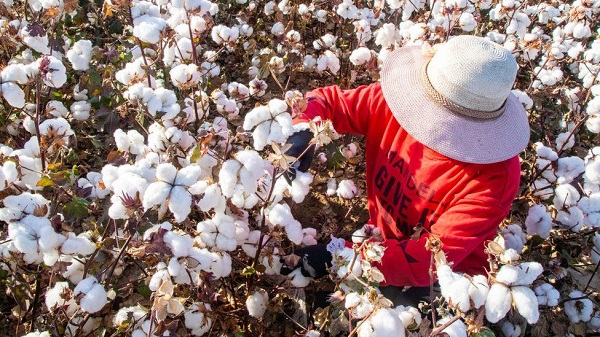
Xinjiang cotton offers comparative advantage for Pakistan, says a report by Gwador pro. The industry enables Pakistani farmers to adopt Chinese techniques of intercropping and double cropping.
Close cooperation in mechanical harvesting
Mehmood Ul Hassan Khan, Director, Center for South Asia & International Studies (CSAIS) notes, mechanical harvesting helped Xinjiang save 50 per cent water consumption and 30 per cent fertilizer use. It also helped the region reduce labor costs up to 30 per cent besides enhancing yield by the same percentage. Therefore, Khan recommends, Pakistan and China should explore close cooperation in mechanical harvesting to further strengthen cotton yields.
Develop new seed varieties
The report also advises Pakistan farmers to develop new types of cotton seeds, and employ Chinese molecular biology to introduce these seeds. The Punjab government has allotted two agro-based industrial zones in Vehari and Bhalwal to offer several incentives including tax waivers to Chinese firms to form a knowledge platform between these two countries.
Despite it being one of the largest crops in the country, Pakistan lags behind Xinjiang in cotton production. Xinjiang companies are able to breed high-yield and high-quality cotton seeds suitable for planting in Pakistan. The country can benefit from the adoption of natural gold fiber cotton.
Facilitating JVs in garment projects
As per a Daily Times report, Pakistan can also benefit from joint efforts and close cooperation with Xinjiang in cotton production that may facilitate joint ventures in garments projects in future. The largest cotton growing region in China, Xinjiang produced cotton over 2.51 million hectare in 2020 nearly the same as 2019. This year too, Xinjiang is expected to see another bumper harvest, posing a bright outlook for the national economy and exports.
Over 50 per cent of farmers in Xinjiang usually grow cotton, shows statistical data from the China Cotton Association (CCA). Majority of this comes from ethnic minorities who mainly engage in cotton farming for their daily livelihoods. . Boosts employment in China
China’s cotton industry also provides substantial employment opportunities to many migrant workers. In the last two months, nearly 4,000 people in the Aral township in Aksu Prefecture joined the migrant cotton-picking community, earning an average RMB 6,000 (about $895) per capita. Nowadays, cotton fields in north Xinjiang are mainly harvest using machines and the practice becoming popular in south Xinjiang as well. Around a fifth of the world’s cotton is produced in Xinjiang. To boost growth, Xinjiang has shared its cotton growing expertise with a few Central Asian countries.
China’s comparative advantage in cotton research and industrialization and its advanced breeding and seed production techniques can benefit Pakistan cotton growers under the CPEC agreement.
India’s textile and apparel exports grow 2.15% from April-July’22: CITI
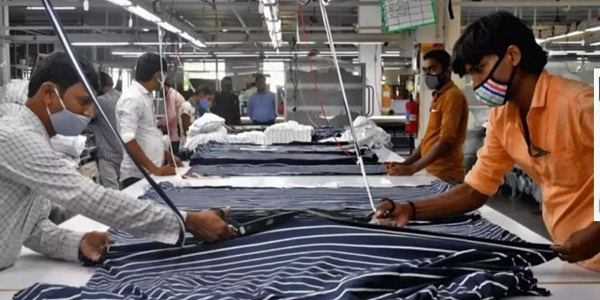
Analysis of the DGCI&S exports data by the Confederation of Indian Textile Industry (CITI) shows, from April to July 2022, India’s textile and apparel (T&A) exports grew 2.15 per cent to $12,892.21 million compared to $12,621.04 million during April-July 2021. However, month-on-month analysis shows, exports declined 15.01 per cent to $3,578 million in July 2022.
Dip in textile exports
India’s textile exports declined 10.30 per cent from April to July 2022. Export value of cotton yarn/fabrics/made-ups, handloom products etc fell 12.23 per cent during the period to $4,109.08 million from $4,681.56 million in April-July’21 period. In July 2022, cotton yarn/fabrics/made-ups and handloom products exports declined 28.17 per cent to $944.92 million from $1,315.42 million in July 2021.
MMF exports decreases
India’s MMF yarns/fabrics exports fell 0.33 per cent to $1,765.7 million during April-July 2022 compared to $1,771,59 million during April-July 2021 period. On a year-on-year basis, MMF exports declined 10.33 per cent to $437.59 million in July 2022 from $486.91 million in July 2021.
Textile exports registers larger decline in July’22
In July’22, India’s textile exports declined 24.15 per cent to $1,660.66 million from $2.189.46 million. Apparel exports on the other hand, fell 0.6 per cent to $1,380.91 million down from $1,389.22 million in July’21. The cumulative exports of textiles and apparels grew 2.15 per cent to $12,892.21 million during the April-July’22 period compared to $12,621.04 during the April-July’21 period. Share of T&A exports declined to 8.38 per cent in July 2022 from 10.08 per cent during July 2021. From April-July’22 period, the share of India’s T&A exports declined to 8.19 per cent from 9.63 per cent in the April-July’21 period.
Future positive as IIP increases from April-July’22
T Rajkumar, Chairman CITI says, Indian textile and apparel industry is facing several unprecedented challenges for the last few months. However, he hopes, production will improve in future as from April-July’22, the Index of Industrial Production for textile increased 0.8 per cent while that of clothes increased 50.9 per cent. Though dip in share of textiles and apparels exports of all commodities is a matter of great concern, growing production provides some relief for the industry, adds Rajkumar.
Growing popularity of sports to drive global functional apparel market: Report
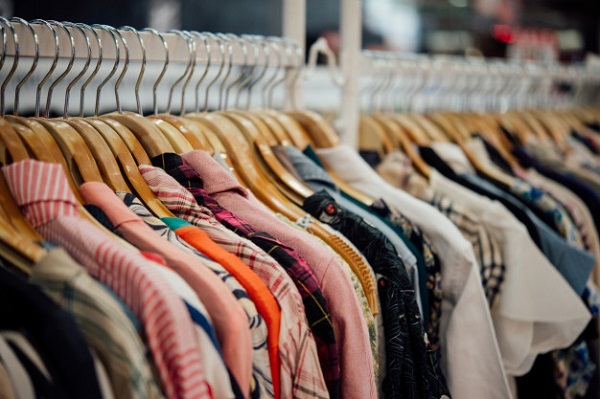
Propelled by growing health and wellness trend, the global functional apparel market is forecast to reach $519.04 billion by 2027. A new report by Reports and Data indicates, rise in the number of people engaging in fitness activities and outdoor adventures like hiking, cycling etc, works as a growth driver for global functional apparel market. Future growth is also likely to be driven by rising youth participation in various sporting activities.
Health consciousness to fuel market growth
Growth will also be fuelled by growing health consciousness amongst individuals and their willingness to engage in sporting activities to combat ailments. Functional apparels are mainly produced using compression technologies. As per a Textile Value Chain report, this helps application of a controlled surface pressure across body parts, thus accelerating blood flow, increasing oxygen supply to muscles and improving their efficiency. A person can work out for a longer duration by achieving a balance of these factors.
A factor restricting market growth is the high prices of these garments. As manufacturers use modern technologies to make these garments lighter and more durable, they tend to be more expensive than other apparels. Also, growing number of duplicates of these garments at lower prices, is expected to restrict future growth.
COVID-recovery to boost demand
The pandemic led to a major downturn in the functional apparel market that is expected to continue over the next few years. Asia Pacific market was the most affected by the outbreak, with China emerging as the epicenter of the crisis. It led to the temporary halting of initiatives introduced by the industry in many countries. It also halted production and supply in many countries, causing huge losses to manufacturers, dealers and consumers. Currently, even though the market might be facing downhill, improvement in the COVID situation could cause demand to hit the roof soon.
Key findings
Accounting for $46.81 billion in 2019, the professional athletic apparel market in North America is anticipated to grow to $80.37 billion. Growth can be attributed to changing lifestyles of athletes and increased participation in sports.
Designed to enhance comfort, athletic footwear helps eliminate injuries and improve athlete’s efficiency. The market is driven by rising foot allergies and diseases amongst sportsperson who are demanding athletic shoes and socks with advanced features. Textile industry manufacturers are launching hosiery goods by incorporating new cutting-edge technologies into their processes.
Growing hypermarket culture
The global functional apparel market growth is also being driven by increasing hyper-super/supermarket culture which enables buyers to purchase at competitive rates. Supermarket stores are also known to make practical fashion items, both branded and private labels for consumers.
Future market growth is likely to be driven by growing demand for eco-friendly products. Rising health and environmental consciousness is leading to new and innovative fabrics being launched. Brands are launching fabrics with technical features including anti-bacterial material and sweat-absorbent properties. Innovations are being done by big brands like Nike, Adidas, Asics, Hanes Brand, Reebok, Jockey, Russell Brands etc.
Depleting forex reserves, rising interest rates to impact India’s cotton imports
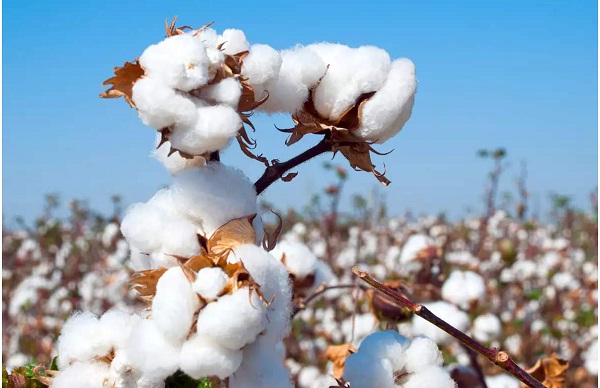
Despite a decline in international cotton prices over concerns of economic recessions, cotton prices in India increased 7.65 per cent from Rs 85,000 per candy on July 20 to Rs 91,500 per candy in early August. Pakistan’s cotton prices also surged 22.4 per cent to Rs 19,200 per maund during the same period. The rise in Pakistan’s cotton prices can be attributed to the strengthening of the US dollar against the Pakistani rupee.
Heavy rains affect new cotton crops
Heavy rainfalls lashed three major cotton producing areas in India in the second week of July, causing floods in major areas. This affected crops on 1.07 million hectare, as per a report by the Department of Agriculture. These mainly included cotton and soyabean crops. Not having planted cotton crops for two consecutive weeks, the Department of Agriculture is arranging subsidies for affected farmers.
Festive season to spur demand
The festive season from August till January is likely to spur local cotton demand. With zero restrictions, this festive season is expected to be different from the past two years this year, says Retailers Association of India. Already, retailers across India reported an average growth of 24 per cent in May this year compared to May 2019.
Rise in interest rates by the US is causing depreciation in the value of the Indian rupee. Also, energy prices have skyrocketed due to the Russia-Ukraine war leading to a decline in India's foreign exchange reserves. Data released by the Reserve Bank of India on July 29 shows, India’s forex reserves with the Reserve Bank decreased to $571.56 billion in July 22
New settlement rates hits cotton imports
As per the USDA’s weekly export report, US exports of upland cotton to India declined to 9 kt in 2022-23 from 113 kt in 2021-22. India’s foreign exchange reserve has gradually reduced and the country currently faces a deep trade deficit. To stabilize exchange rate, the Indian government introduced rupee international settlement rate, which further hit its cotton imports. New crops in the cotton market are yet to arrive and current production also remains uncertain. Cotton consumption in the domestic market has improved though it is unlikely to have any major effect on the global market.
Floods caused by heavy rainfall have affected main cotton producing areas across India. Status of new cotton planting has not been announced by the Department of Agriculture, causing further market concerns. Rising demand for cotton textiles and garments are driving up cotton prices further. However, the rapid decline in India's foreign exchange reserves has impacted cotton imports. In future, the US Fed is likely to again raise the interest rates further impacting India’s cotton imports.
Cambodia approves three new projects in garment and yarn production
The Council for the Development of Cambodia has approved three new investment projects with a capital investment of $15.7 million to boost job prospects in the garment and yarn sectors of the country
As per a Khmer Times report, the three projects have been approved in Kampong Speu province and Phnom Penh.
The newly approved garment and yarn factories are Jade Fashion (Cambodia) Garments Company, Hong Yu Fang Garment Co. and Shun Wei Fang ZhiKeJi Co., Ltd.
According to estimates, the projects would help create around 2,279 jobs for the people in the country.
Jade Fashion plans to establish a garment tailoring factory in Phnom Penh, while Hong Yu Fang’s garment tailoring unit is scheduled to be opened in Kampong Speu province.
Meanwhile, Shun Wei Fang’s yarn production factory would also be based in Kampong Speu province.
A report earlier this month showed that the country’s garment, footwear and travel goods industry posted a 40 percent increase in exports in the first half of 2022.
The Kingdom exported products worth $6.6 billion during the January-June period in 2022, compared to exports valued at $4.72 billion for the same period last year.
The Ministry of Commerce’s undersecretary of state and spokesman Penn Sovicheat attributed the growth to the full resumption of socio-economic activities in the country, free trade agreements, and a rise in global demand.
Copenhagen Fashion Week bans fur use in this year’s show
As a sign of commitment to animal welfare Copenhagen Fashion Week has banned the use of fur and fur garments in this year’s show.
The fur ban has become a global movement after many prominent fashion houses, including Gucci, Versace, and Prada, as well as global brands such as Michael Kors and Tommy Hilfiger, make the switch to 100 per cet fur-free fashion.
All over the world, fashion weeks are one of the highlights for designers, buyers, and the public. The decision to ban fur on the catwalk follows changes in consumer preferences and growing activism against animal cruelty in fashion.
In 2018, London Fashion Week became the first fashion week to ban fur on the catwalk, followed by Finland’s counterapart, which even went one step further and banned all animal products, including animal leather, from 2019. In response to growing consumer demand for more animal-friendly fashion, the organizers of Amsterdam Fashion Week banned fur in the same year.
Following its decision to ban fur in the Copenhagen Fashion Week from 2022, the event has received praise from Justice Emma Hakansson, Co-founder, Collective Fashion
BGMEA targets $100 billion revenue from garment exports by 2030
With record export earnings of $42.61 billion in the fiscal year 2021-22, Bangladesh Garment Manufacturers and Exporters Association (BGMEA), has set a target to earn $100 billion by 2030 from the clothing products. In attaining the target of $100 billion export target, the sector has to earn $7.17 billion each year. Against 35.47 per cent growth in FY22, the sector also has to post an 11.26% annual growth in export earnings till 2030. The ambitious target was set at a time when the global economies are bleeding due to the Covid-19 pandemic impacts and ongoing Russia-Ukraine war.
On the other hand, the LDC graduation in 2026 will be another challenge for the exporters. This is because of possible duty free benefits withdrawal by the importing countries in the post-graduation period. Several researches showed, Bangladesh will have to range from 9%-12% duty after Bangladesh’s graduation to a developing country.
In FY22, export earnings from apparel products rose sharply by 35.47 per cent to $42.61 billion, which was $31.45 billion in the previous year. The sector contributed 81.81 per cent to the national exports. Of the $42.61 billion, knitwear products fetched $23.21 billion, up by 36.88 per cent from last fiscal year’s $19.91 billion, while woven items earned $19.39 billion, registering a 33.82 per cent growth. Knitwear products contributed much better than woven products.
Knitwear products contributed 44.56 per cent, while woven products 37.23 per cent. For sustaining the growth and to earn the $100 billion from the sector, there is a strong need to bring balance between woven and knitwear products. Knitwear products did well as the sector has a strong backward linkage and it can meet 85% to 90% demands of raw materials from domestic sources.
On the other hand, the woven sector can meet around 50 per cent raw materials from domestic sources, which is a barrier to growth. To reduce the gap between the woven and knitwear sector, the industry people have to come up with new investments to improve capacity to supply raw materials from local factories.