


FW
Global knitwear market to continue fast forward growth, touch $156.8 bn: Report
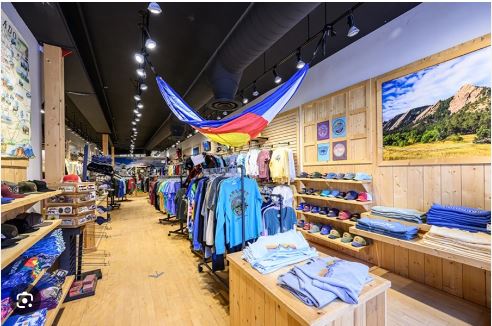
The rise of knitwear from its traditional role as innerwear to a fashion statement has been remarkable, capturing the attention of both consumers and designers. The fabric's exceptional versatility has empowered designers to break barriers and explore novel trends, with emerging fashion creators enthusiastically embracing its flexible and unconventional characteristics. The period of global lockdowns in 2021 and 2022 underscored knitwear, as consumers gravitated towards its comfort and adaptability. In a noteworthy shift, knitwear appears poised to outshine its conventional counterpart, woven fabric.
Global surge in knitwear market
Maximize Market Research Private Limited (MMR) has been diligently studying the global knitwear landscape, and its recent report predicts a substantial growth in the global knitwear market, reaching $156.8 billion by the end of the decade. This growth is expected at a compound annual growth rate (CAGR) of 5.8 per cent. Within realm of knitwear, men's knitwear is projected to lead with a robust CAGR of 6.7 per cent, solidifying its position as the largest segment.
The increase im knitwear's popularity can be attributed in part to the widespread accessibility facilitated by e-commerce. Online sales of knitwear products, integral to the clothing and fashion industry, have experienced a notable uptick. This trend is particularly pronounced in emerging economies such as Brazil, Russia, India, China, and South Africa (BRICS), where the penetration of online knitwear sales is steadily increasing. Notably, China stands out as the foremost manufacturer and exporter of knitwear globally, closely followed by Bangladesh, India, and Vietnam. In Europe, Germany and Italy emerge as pivotal players in both manufacturing and exporting knitwear on a significant scale.
In essence, knitwear's popularity is a testament to its enduring appeal, accentuated by the convenience of online sales and the ingenuity of designers who continue to push the boundaries of this versatile fabric. The projected growth outlined by MMR underscores knitwear's ascendance as a dominant force in the global fashion landscape.
Reasons for its popularity
In recent times, a discernible shift towards sustainable and eco-friendly fashion has shaped consumer preferences, and within this landscape, knits have emerged as a favored choice for environmentally conscious individuals. Known for their versatility, knits are commonly crafted from natural fibers like cotton or wool, presenting a biodegradable and renewable option. What sets them apart is the potential for production through sustainable and ethical manufacturing practices, aligning with the conscientious choices sought by eco-minded consumers.
The enduring popularity of knits spans decades driven by its timeless charm and adaptability, ranging from classic cable-knit sweaters to contemporary oversized cardigans, T-shirts, loungewear, athleisure garments, dresses, and beyond, knits offer a diverse array of styles to suit various tastes. Their availability in a broad spectrum of colors, patterns, and textures further widens the scope for creative expression, allowing individuals to curate unique and personalized style portfolios.
Integral to knits is their inherent comfort and convenience, making them a practical and desirable choice for everyday wear. This attribute, combined with their eco-friendly profile, positions knits as a responsible and stylish option for the modern fashion-conscious consumer.
Geographically, major markets driving knitwear consumption include the US, Canada, the UK, the EU, China, Japan, India, Australia, and Brazil. Till 2022, North America stood out as the predominant consumer market, closely trailed by Europe and the Asia Pacific region. This evolving consumer preference towards sustainable fashion underscores the enduring allure of knits as both a timeless and conscientious wardrobe choice.
India’s knitwear industry growth pegged at 9 per cent
From 2019 onwards up until 2029, as per government stats, knitwear segment growth is expected to reach 9 per cent. Tirupur remains the country's knitwear hub with its main focus being exports, whereas Ludhiana and Kolkata, are also knitwear hubs that mainly cater to the large domestic market. Tiruppur produces around 80 per cent of India’s total knitwear exports and contributes 4 per cent of India’s total export trade.
As per the MMA report, outerwear is main application segment, outperforming innerwear in knits. Sportswear and innerwear are projected to run neck-to-neck in terms of growth until the projected period of this report which is 2029. Key players operating in the global knitwear market are Nike, Adidas, GAP, Ralph Lauren, Victoria’s Secret, Marks & Spencer, Abercrombie & Fitch among others.
Knitwear represents the New Age choices that consumers are making, from environmental consciousness to affordability. In years to come, due to its flexible nature, many man-made innovations will continue giving knitwear the fuel to keep growing.
Global apparel brands forge flexible partnerships for supply chain resilience
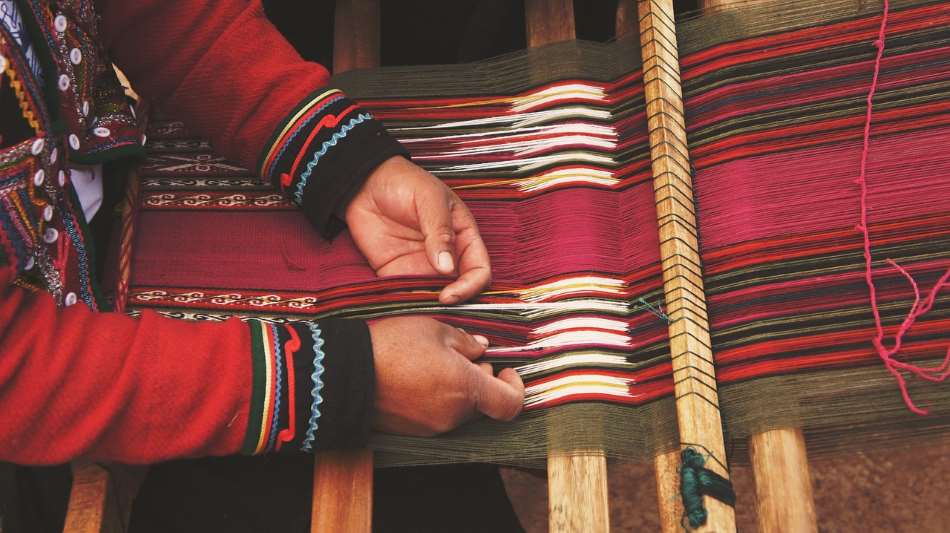
Global apparel brands are realizing the importance of diversified partnerships in today's market. The working between retailers and suppliers requires more flexibility to enhance relationships and drive sales. The global supply chain, originating from low-cost sourcing destinations, is currently facing logistical challenges due to geopolitical tensions and fluctuating demand driven by inflation.
External factors, such as changing government regulations and new market entrants, are impacting delivery timelines. Sustainability and digitalization have become key focal points in the global supply chain. Leading apparel brands are actively strengthening their ties with global suppliers, a shift from the past when this segment had limited collaboration and fewer long-term relationships compared to other industries.
This change in strategy is significant, especially considering the traditionally fragmented supplier base across various low-cost manufacturing countries. Companies in these regions have historically prioritized quick production of low-cost apparel and accessories to keep up with rapidly changing catwalk trends.
Focus on long-term order volume commitments with suppliers
As per 2023 McKinsey Chief Procurement Officer (CPO) Survey, which covered companies with a collective sourcing value of approximately $110 billion, it is evident that stronger relationships, particularly those involving long-term order volume commitments, yield better results. The survey reveals a notable increase in shared commitments, with three-to-five-year plans and collaborative partnerships accounting for 43 per cent of the total supplier base in the apparel segment. This represents a significant rise from the 26 per cent reported in 2019.
Although near-shoring of supplier destinations is in focus, the survey indicates a gradual shift towards actual relocation despite challenges posed by inflation and economic instability. Major retail companies surveyed are demonstrating a slight reduction in sourcing costs, coupled with a growing adoption of high-tech digitalization to enhance efficiency and transparency across the various stages of the value chain.
Interestingly, the survey highlights regional differences, with most European countries being more open to long-term volume commitments to foster better supplier relationships. In contrast, the majority of North American countries are still hesitant to commit to volume orders. The report underscores that over 80 per cent of larger respondents have established strategic supplier partnerships, while small and medium-sized enterprises tend to adopt a more transactional approach, with only one percent engaging in shared investments.
Flexibility in vendor selection to help sourcing
In a recent report by Just-Style titled “Outlook 2024 - What’s next for apparel sourcing briefing’, featuring insights from industry experts, Sheng Lu, Associate Professor, University of Delaware, highlighted shifting focus in vendor selection amidst global economic and geopolitical uncertainties. Beyond the traditional factors of cost, market delivery speed, and compliance, fashion brands are expected to prioritize flexibility and agility.
Projections from the World Bank and International Monetary Fund (IMF) indicate a slow global economic growth of around 2.6-3 per cent in 2024. In response to this, fashion brands are advised to build a more flexible supply chain to navigate market uncertainties and mitigate unpredictable sourcing risks, ensuring readiness for stock requirements.
Looking forward to 2024, retailers may face challenges in finding cost-effective alternatives to China for raw textile materials and items requiring smaller runs and enhanced versatility. While South Asian and Central American sourcing destinations may benefit from the partial boycott of Chinese goods, this doesn't necessarily diminish China's enduring position in the apparel supply chain.
The report underscores growing importance of sustainability in the apparel sector, emphasizing the need for close collaboration among sourcing, legal, and sustainability teams across the value chain. In the rapidly evolving landscape of the fashion industry, characterized by high-tech digitalization, connecting with GenZ from the initial sourcing stages becomes paramount for brands aiming for success.
Yarn price fluctuations impact small spinners in Pakistan
Smaller spinning mills in Pakistan are grappling with unpredictable fluctuations in yarn prices, a challenge that is especially pronounced for those dealing with a diverse range of yarn varieties on a daily basis. Salamat Ali, Former Central Chairman of the Pakistan Hosiery Manufacturers and Exporters Association (PHMA), emphasizes these manufacturers are already under strain from escalating costs of electricity, gas, and other raw materials.
Asim Ali, a yarn trader, highlights the crucial role of the textile sector in the national economy and calls for the establishment of a comprehensive monitoring mechanism by the government. This mechanism, he argues, would help control speculative buying of fiber and ensure its consistent availability.
Zahid Ali, a yarn broker, points out that both spinners and those engaged in speculative business have profited considerably, particularly the younger players who are influencing market dynamics. This disruptive trend, he notes, has led to the unfortunate closure or downsizing of many spinning mills, primarily due to the impact of high electricity prices. The absence of government subsidies and the upward trajectory of cotton, polyester cotton, and viscose prices further compound the challenges faced by millers, rendering them incapable of covering their expenses.
Spinnova champions sustainable fashion solutions at COP28
Global fashion and apparel industry stands as a major contributor to emissions, comprising 4 per cent of the total and grappling with various sustainability challenges, from water and soil depletion to heavy chemical use and textile waste. In Europe, textile consumption ranks as the fourth-highest contributor to climate change impact, trailing only food, housing, and mobility.
Spinnova, a sustainable textile material company, emphasizes the urgent need for decisive action from policymakers, brands, and consumers to decarbonize the industry and achieve net-zero emissions by 2050. Ben Selby, Deputy CEO, Spinnova, stresses meeting the industry's ambitious climate targets requires immediate and robust efforts. Speaking at the COP28 Conference, Selby said that ongoing incentives and investments are crucial to driving the adoption of sustainable solutions.
Selby highlighted the complexity of decarbonizing the fashion and apparel sector and advocates for innovation, incentives, and investments. Over the past five years, sustainable technologies have demonstrated their commercial viability, and now, according to Selby, legislators must play a role in supporting these solutions to scale rapidly.
Spinnova, renowned for creating textile material from wood or waste, exemplifies a solution addressing multiple sustainability challenges. Their patented process generates zero waste, side streams, or microplastics, eschews harmful chemicals, and exhibits minimal CO2 emissions and water use compared to conventional cotton. Global apparel giants like adidas and Bestseller have already utilized Spinnova's SPINNOVA® fiber, which has garnered recognition for its environmental benefits.
As Spinnova participated in the COP28 Conference, the company aimed to forge new partnerships and advocate for textile innovators whose solutions can contribute to combating climate change. Selby emphasized the urgency, stating the industry is only six years away from the initial major climate targets and underscores Spinnova's commitment to supporting the journey toward achieving these goals.
YKK’s DynaPel zipper awarded top honors at ISPO Textrends
YKK, the renowned global zipper manufacturer, has secured the Best Product accolade in the accessories category at the ISPO Textrends competition for its groundbreaking DynaPel water-repellent zipper. The competition, conducted biannually alongside the ISPO trade show, highlights innovative contributions to performance textiles, components, and apparel.
DynaPel stands out for its compatibility with garment recycling systems, employing GTT’s EMPEL technology instead of traditional PU film for water repellency. This innovation addresses a critical hurdle in textile recycling by eliminating urethane materials, typically problematic in garment recycling.
Terry Tsukumo, Vice President at YKK Corporation, emphasized, “Receiving an ISPO Textrends Award helps validate the technology and our efforts to develop fasteners for circular systems.”
The EMPEL technology ensures robust water protection without the challenges posed by PU, a material often hindering textile-to-textile recycling. Conventional recycling systems struggle with polyurethane film, commonly found in water-repellent zippers.
By penetrating yarn and forming a water-repellent layer through molecular cross-linking, EMPEL creates a durable and invisible shield, revolutionizing water protection for zippers. Tsukumo envisions DynaPel as the future of sustainable, high-performance water-repellant zippers, heralding a new era in eco-friendly fashion accessories.
TreeToTextile boosts textile sustainability with ITMF partnership
TreeToTextile, a pioneer in innovative man-made cellulosic fiber technology, has joined the International Textile Manufacturers Federation (ITMF) as a Corporate Member, signaling the industry's recognition of its transformative potential. The move reflects a growing trend of collaboration between established companies and startups within the global textile value chain to drive sustainability.
ITMF's Director General, Christian Schindler, emphasizes the significance of TreeToTextile's membership, highlighting ITMF's role as an attractive platform for diverse industry players. Schindler stresses the need for enhanced collaboration across the textile value chain to expedite the industry's transformation towards sustainability.
TreeToTextile's Head of Commercial, Andreas Nilsson, underscores the company's commitment to collaboration, citing it as a foundational principle. Nilsson expresses enthusiasm about joining ITMF's international platform and expanding the network across the value chain.
Recognized with the ITMF Start-up Award 2023, TreeToTextile aims to leverage ITMF events and conferences to gain valuable insights and support its journey towards producing environmentally friendly fibers.
This collaboration between TreeToTextile and ITMF signifies a strategic alliance in advancing sustainable textile technology, fostering innovation, and promoting a more eco-conscious future for the industry.
Teejay Lanka wins Silver at NCE Annual Export Awards 2023
Teejay Lanka PLC clinched the Silver Award in the 'Extra Large' category of the 'Textiles and Garments' sector at the prestigious Annual Export Awards 2023 hosted by the National Chamber of Exporters (NCE).
This recognition comes on the heels of the company's stellar performance, including a 'Best Exporter' Award and a Certificate of Merit at the 2023 Presidential Export Awards by the Export Development Board (EDB), as well as a Merit Award at the CNCI Achiever Awards for Industrial Excellence presented by the Ceylon National Chamber of Industries (CNCI).
The NCE Export Awards program spotlights exporters excelling in vital dimensions of People, Profit, and Planet, emphasizing businesses contributing not only financially but also to societal and environmental well-being. Teejay's success underscores its commitment to innovation, value addition, and research & development, aligning with the economic perspectives of the Sri Lankan Government.
CEO Pubudu De Silva expressed pride in the award, stating, "This award reaffirms Teejay's unwavering commitment to business growth and substantial contributions to Sri Lanka's economy and the textile industry. It recognizes exporters for their multifaceted contributions to sustainability, innovation, and economic progress."
As Sri Lanka's inaugural multinational textile manufacturer, Teejay Group's accolades include ISO certifications, membership in the US Cotton Trust Protocol, and a ranking as the top corporate entity for Transparency in Corporate Reporting in the TRAC 2022 assessment by Transparency International Sri Lanka.
The company's unique position, with substantial public ownership and support from industry giants like Brandix Lanka and Pacific Textiles, attests to Teejay Lanka's influential role in the global textile landscape.
Denim revolution: Artistic Milliners & Archroma's eco-friendly black dye
In a groundbreaking collaboration, global denim manufacturing giant Artistic Milliners and specialty chemical leader Archroma are reshaping the denim industry's future through sustainable innovation. Their partnership centers around Archroma's revolutionary DIRESUL EVOLUTION BLACK dyestuff, heralding a new era of eco-advanced sulfur black dyeing for denim. The technology showcases superior resource efficiency, significantly reducing water and energy consumption while minimizing CO2 emissions during the dye synthesis process.
The acclaimed DIRESUL EVOLUTION BLACK introduces unique shades and washdown effects, particularly on dark black hues, eliminating bronzing effects and proving laser-friendly. Artistic Milliners unveiled a captivating capsule collection, EVO BLACK, at Kingpins Amsterdam in October, earning global acclaim from prominent brands. The company is now collaborating with Archroma's research and innovation team to expand the technology's application across a spectrum of colors and performance effects.
Omer Ahmed, Managing Director of Artistic Milliners, expressed enthusiasm about advancing eco-forward denim production. "We are enthusiastic about promoting the DIRESUL EVOLUTION BLACK technology with our partner Archroma as a way to help our industry move towards more eco-forward denim production that nurtures people and the planet," he stated.
Umberto De Vita, Director of Denim Market Segment at Archroma Textile Effects, emphasized the pivotal role of such collaborations in proving that denim production can be environmentally conscious and economically viable. DIRESUL EVOLUTION BLACK's recent recognition with the Innovation - Dyes award at the 2023 Just Style Excellence Awards underscores its transformative impact on sustainable denim production.
Bangladesh Apparel Exchange and Fashion for Good ignite circular fashion revolution
In a groundbreaking initiative, the Bangladesh Apparel Exchange, in collaboration with Fashion for Good, hosted the "Chemical Recycling Technologies: Manufacturing Markets Gateway" on December 7th and 8th. Positioned as one of the world's foremost garment manufacturing nations, Bangladesh served as the ideal backdrop for this transformative event. Amsterdam-based Fashion for Good, in conjunction with pioneering technology start-ups Circ and Infinited Fiber Company, spearheaded the exploration of textile-to-textile chemical recycling.
The two-day event, held in the heart of Bangladesh's garment production hub, aimed to underscore the potential of chemical recycling technologies in bolstering environmental sustainability within the industry. By promoting the concept of circularity, the initiative sought to raise awareness about disruptive innovations capable of reshaping waste and resource management practices. The focus extended to integrating these technologies into the local manufacturing landscape, fostering feedstock partnerships, and establishing a robust value chain for recycled apparel materials.
Key players, including Denim Asia Limited, Knit Asia Limited, Progress Apparels Limited, Ananta BD, Reverse Resources, and the Bangladesh Garment Manufacturers and Exporters Association (BGMEA), played pivotal roles. Notably, Knit Asia Ltd and Denim Asia showcased their commitment to sustainable practices, aligning with the ethos of the event. Progress Apparels Limited demonstrated advanced sustainable production facilities, further highlighting the industry's progressive strides.
The event featured a "Meet and Greet Networking Session" hosted by Reverse Resources and BGMEA, enhancing awareness about cutting-edge technologies in the sector. Mostafiz Uddin, Founder and CEO of Bangladesh Apparel Exchange, emphasized the event's significance for the nation's textile industry, positioning it as a crucial step toward a circular fashion ecosystem and a more sustainable future for the fashion industry in Bangladesh.
With interactive sessions, factory visits, and knowledge sharing, the initiative provided a dynamic platform for collaborations between manufacturers and technology innovators. Bangladesh Apparel Exchange and Fashion for Good envision a future where Bangladesh emerges as a global leader in sustainable and circular apparel manufacturing.
Rieter Holding announces change in management
Globally renowned supplier of systems for yarn production in spinning mills Rieter Holding AG, has unveiled notable changes in its leadership team. Thomas Oetterli, current CEO of Rieter Group, is set to assume the role of chairman of the board, succeeding Bernhard Jucker, who is scheduled to retire during the upcoming Annual General Meeting on April 17, 2024. Jucker, during his tenure, successfully navigated the company through numerous acquisitions and implemented optimization strategies at various sites.
Roger Baillod, a member of the Board of Directors since 2016 and Vice Chairman since 2022, is slated to become the Lead Independent Director. In this capacity, Baillod will continue to play a crucial role in ensuring strong corporate governance alongside the board of directors.
Jennifer Maag is being considered for election to the Board of Directors. A US native with Swiss and German citizenship, Maag holds a bachelor's degree in Economics from the University of California, Berkeley. Currently serving as a board member for Kardex Holding AG in Zurich, Weidmann Holding AG in Rapperswil, VT5 Acquisition Company AG in Pfäffikon (SZ), and Nova Property Fund Management AG in Pfäffikon (SZ), Maag brings a wealth of experience to the potential role within Rieter Holding AG.











