FW
Uniqlo sets up secondhand pop-up in Tokyo
Japan’s fast fashion brand Uniqlo recently set up a secondhand pop-up store in Tokyo. The10-day pop-up in the Harajuku district sells secondhand clothes at one-third of their original price.
Alongside Fast Retailing-owned Uniqlo, garment specialist 2nd Street has expanded to 800 stores across Japan.
Drive by the popular Japanese platform Mercri, online fashion sales in Japan have also grown by one third in value terms.
According to the Ministry of the Environment, Japan reuses or recycles 34 per cent of discarded clothing.
Japan’s secondhand segment represents less than 6 per cent of the $75 billion market, as per an analysis by Japan Consuming, a market research firm.
Puma opens new store in Dubai
One of the world’s renowned sports apparel brands, Puma has opened its latest
store at the City Walk location, one of Dubai’s prime retail destinations.
Spread across 432.75 sq m, the store is Puma’s brand’s fourth retail venture in the UAE this year and will house some of the sports giant’s most sought-after product lines.
The City Walk store will also focus on the‘ Field of Play’ concept, the first of its kind globally for PUMA. It will feature clean, open lines throughout to showcase PUMA’s signature trends and technologies in footwear, apparel, and accessories across performance, lifestyle, team sport, motorsport, basketball and kids categories.
Taner Seyis, General Manager, Puma Middle East, comments, “This expansion is a part of the brand’s strategy to meet local consumers’ demands in prime areas of the city, following its plans to double PUMA’s retail footprint in the Emirates in 2024.”
Viet Nam must focus on the domestic textile and garment industry: VITAS
Trương Văn Cẩm, Vice President, Việt Nam Textile and Apparel Association (VITAS), says, alongwith the international market, the Viet Nam textile and garment industry must also focus on the domestic market to help boost its capacity to about $7 billion next year.
Van Cam adds, the textile and garment industry in Viet Nam is one of its key export industries and creates many jobs for workers. In 2022, the industry’s export turnover reached more than $44 billion
However, the industry faces several challenges in the domestic market, notes Cam. One of these is the rise in fake, counterfeit and smuggled goods in the market whose labels are changed to deceive consumers, he adds.
According to the Le Viet Nga, Deputy Director-Domestic Market Department, Ministry of Industry and Trade, domestically manufactured goods are also challenged by imported products being openly sold in the domestic market after the implementation of new-generation free trade agreements such as CPTPP (Comprehensive and Progressive Agreement for Trans-Pacific Partnership), EVFTA (Vietnam - EU Free Trade Agreement).
The expansion of foreign retail chains, both directly and online, also adds to the woes of Vietnam’s domestic textile and garment industry. It enlarges the proportion of imported goods in the distribution systems, adds a representative of the Ministry of Industry and Trade.
Norlanka Manufacturing acquires 26% stake in Sri Lanka-based Nobleswear
Norlanka Manufacturing, a subsidiary of PDS Ltd is acquiring a 26 per cent stake in Nobleswear, a Sri Lanka-based specialised manufacturer of children’s wear products, offering finished product solutions to top global apparel brands.
This move expands PDS’ manufacturing footprint in key locations, emphasising its commitment to innovation, collaboration, and excellence in the global fashion industry. It also strengthens the company’s foothold in the children’s wear segment besides expanding its comprehensive fashion solutions portfolio.
A trusted partner for top apparel brands, Nobleswear delivers innovative, sustainable, trendy and high-quality children’s wear products. The company’s topline more than doubled to Rs 38 crore in FY23, with a bottom line profit of 8 per cent.
The partnership merges Norlanka’s manufacturing capabilities with PDS’ global network to deliver unparalleled value to customers and drive growth in the highly competitive fashion industry. It also aims to focus on the well-being of employees, local communities, and the environment.
Spring Fair 2024 promises future-focused insights and trends
The upcoming Spring Fair, scheduled for February 4-7, 2024, is set to captivate industry enthusiasts with three dynamic content stages unveiling the latest retail trends, expert keynotes, and invaluable masterclass knowledge. Debuting at the event, Trend Talks, in collaboration with The Future Collective, will spotlight trend-led industry forecasts from renowned forecast partners like Kantar Insights, HappyHQ, and The Ready House.
Co-Founders of The Future Collective, Kate Shepherd and Matt Parry, will lead daily discussions on topics such as 'Retail Design for Better – A Manifesto for positive change,' 'The Future of Luxury Retail,' and 'The Future of the Post-Commute Economy.' Particularly noteworthy is 'The Future of the Post-Commute Economy,' exploring how retailers can thrive in a world where work and life dynamics are evolving.
Other highlights include thought-provoking talks on Gen Z's impact on the workplace, the art of customer experiences, and retail sustainability. Attendees can also delve into acquiring B-Corp status and witness a Pitch Live Dragon’s Den-style session showcasing innovative products and services.
Moreover, Spring Fair’s Happy Hour, Sip & Shop, promises a relaxed atmosphere to connect with peers and celebrate industry dynamism. The event concludes with The Future Collective's curated series on 'Retail Design For a Better Future: A Manifesto for Positive Change,' featuring heavyweight speakers like Nick Reed from NEEM London and Ali Munro from Butterfly.
With over 70 years of bringing the industry together, Spring Fair 2024 aims to be an inspirational experience dedicated to the magic of discovery, showcasing the latest products and trends across key destinations - Home, Gift, Moda, and Everyday. The show's efficient layout ensures a seamless experience for buyers, maximizing their time to explore and engage with the diverse offerings.
India to establish ‘Bharat Park’ in UAE for global trade expansion

In a groundbreaking announcement at the Synthetic & Rayon Textiles Export Promotion Council's Export Awards function, Union Minister of Textiles & Commerce, Piyush Goyal, revealed India's ambitious project to establish 'Bharat Park' in the UAE. This initiative aims to house showrooms and warehouses for Indian goods, enabling countries worldwide to conveniently purchase Indian products with the assurance of secure payment systems in the UAE.
Focusing on future trends in textiles
Minister Goyal emphasized the future dominance of Man-Made Fibre Textiles (MMF) during his address. While speaking on Free Trade Agreements (FTA) with key nations such as Japan, Australia, UAE, and South Korea, he expressed concerns over India's underutilization of FTA benefits.
Investment in testing infrastructure
To ensure the quality and compliance of Indian products, Goyal announced a significant investment of Rs. 40 crore by the Bureau of Indian Standards (BIS). This fund will be allocated to establish 21 testing laboratories across various locations in India.
Challenges and prospects in textile exports
Chairman of SRTEPC, Bhadresh Dodhia, provided insights into the challenges faced by the Man-Made Fibre Textiles sector. The negative growth of (-) 15.3% in MMF exports in 2022-23 was a concern, along with a similar downturn in technical textiles at (-) 11.9%. However, Dodhia expressed optimism about the future, predicting that MMF exports would exceed US$ 6 billion and technical textile exports surpassing US$ 3 billion in the current fiscal year.
Addressing GST and inverted duty structure
Highlighting industry concerns, Dodhia addressed the inverted duty structure under the Goods and Services Tax (GST). The sector faces challenges with an 18% GST on fibres, 12% on yarns, and 5% on fabrics, resulting in accumulated input tax credits for manufacturers. SRTEPC advocated for a uniform GST rate across the entire value chain of MMF Textiles products.
SRTEPC rebranded as ‘MATEXIL’
In a strategic move, the Synthetic & Rayon Textiles Export Promotion Council has been rebranded as 'MATEXIL' - The Man-made And Technical Textiles Export Promotion Council. This reflects the council's commitment to promoting both Man-Made Fibre and Technical Textiles in the international market.
Honoring excellence in textile exports
The Export Awards ceremony recognized outstanding achievements in the industry. Notable awardees included Reliance Industries, which received six awards in various categories, alongside other industry leaders such as Dodhia Synthetics Ltd., Banswara Syntex Ltd., D’ Décor, Grasim, Vardhman Textiles, and RSWM Ltd. Rakesh Mehra received the Lifetime Achievement Award, and Neha Jhunjhunwala was honored with the Women Entrepreneur Award.
The event witnessed the presence of distinguished guests, including Roop Rashi, Textile Commissioner, Alexander - Poland Ambassador in Mumbai, and Suresh Kotak. The Export Award Committee's Convener, Dhiraj Raichand Shah, delivered the welcome address, while Shaleen Toshniwal, Vice Chairman of SRTEPC, extended the vote of thanks.
Bangladesh MMF-fiber imports surge over 13.39% from Jan- Nov’23
Manmade-fiber imports by Bangladeshi apparel exporters surged by over 13.39 per cent to 0.21 million during the period of Jan-Nov’23.
As per a report by the BTMA, use of manmade fibers is on the rise in Bangladesh though the percentage is yet to reach satisfactory levels.
Fazlee Ehsan Shamim, Vice President, Bangladesh Knitwear Manufacturers and Exporters Association (BKMEA), notes, the increase in MMF imports indicates an increase in production of new and value-added items.
However, to produce such non-cotton items, Bangladesh entrepreneurs need ‘supportive policy measures, adds Shamim.
Faruque Hassan, President, Bangladesh Garment Manufacturers and Exporters Association (BGMEA) recently reiterated Bangladesh’s vision to achieve $100 billion worth of garment export by 2030.
The trade body has demanded 10-per cent cash incentives for MMF-based garment manufacturing as it has made significant investments in high- value-added segments like active wear, outwear, denim, lingerie, suits, fancy dresses and formal wear.
The association is also developing luxury dresses using heritage jamdani and muslin fabrics besides focusing on capacity expansion and efficiency enhancement.
Global denim fabric trade sees unexpected twists in 2023, what’s next in 2024?
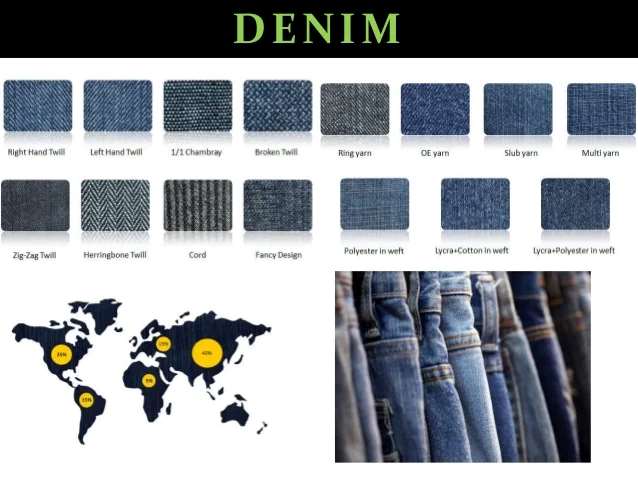
The insatiable appetite for denim took a surprising turn in 2023, as the global denim fabric trade wove a new narrative on the export and import scene. Some countries emerged as trendsetters, sporting vibrant threads of growth, while others faced a re-adjustment in their textile tapestry. Let's unravel the intricacies of this captivating story, revealing the winners and contenders who reshaped the denim landscape. We'll then peek into the looming threads of 2024, anticipating where the next twists and turns might lead.
Exporting Winners:
• India: The undisputed denim king held his crown tight, weaving a 10% export surge. Skilled workers, sustainable yarns, and smart deals kept the looms humming. 2024 Outlook: Watch India maintain its lead with a focus on ethical practices and innovative fabrics.
• Turkey: Making a powerful comeback, Turkey saw a dazzling 8% rise. Government initiatives and high-tech weaving revitalized the industry. 2024 Outlook: Expect Turkish threads to add even more sophistication with a focus on performance and eco-friendly options.
• Egypt: The surprise contender! Egypt's 7% jump was fueled by competitive prices, eco-conscious practices, and European partnerships. 2024 Outlook: Look for Egypt to continue its ascent by offering sustainable choices at attractive prices.
Exporting Losers
• China: The long-reigning king lost some shine, facing a 4% decline. Rising costs and Southeast Asian competition unraveled China's dominance. 2024 Outlook: China may focus on domestic production and homegrown brands, impacting exports.
• Pakistan: Facing economic headwinds, Pakistan's exports dipped by 5%. Inflation and supply chain disruptions dampened the industry. 2024 Outlook: Expect Pakistan to work on strengthening its hold by improving stability and competitiveness.
• Mexico: Despite its US proximity, Mexico's exports shrunk by 6%. Domestic market saturation and increased competition chipped away at its share. 2024 Outlook: Mexico may need to explore new markets and diversify its offerings to regain its export momentum.
Import Winners
• Bangladesh: The denim-hungry Bangladesh remained the import king, with a steady 5% rise. A thriving garment industry and diverse sourcing kept the engines running. 2024 Outlook: Expect Bangladesh to continue its import spree, embracing sustainable blends and unique denim fabrics.
• Vietnam: Seeking innovation and quality, Vietnam's imports jumped 7%. High-performance fabrics and strategic partnerships fueled this increase. 2024 Outlook: Look for Vietnam to stay on the cutting edge by embracing the latest denim trends and technologies.
• European Union: Europe's fashion capitals maintained their allure, with EU imports increasing by 4%. Functional yet stylish fabrics and European partnerships boosted their game. 2024 Outlook: Expect the EU to continue its focus on comfort and international flair, potentially exploring collaborations with new denim hubs.
Import Losers
• China: Domestic production and a focus on homegrown brands led to a 3% decline in Chinese denim fabric imports. 2024 Outlook: Chinese brands may continue to rely on local fabrics, impacting foreign imports.
• Brazil: Facing economic woes, Brazil's imports shrunk by 4%. Currency fluctuations and rising domestic costs made foreign fabrics less attractive. 2024 Outlook: Brazil may turn to locally-sourced denim alternatives unless economic stability improves.
• Russia: Geopolitical tensions and sanctions caused a 7% import plunge. Diversification towards alternative suppliers is underway. 2024 Outlook: Russia's denim scene may see a shift towards practical and durable fabrics from new sourcing partners.
The Change Drivers
Sustainability, ethical practices, and innovation are the new currency in the global denim trade. Evolving fashion trends, trade dynamics, and online shopping will continue to reshape the landscape.
2024 Outlook: Expect the denim dance to continue with even more surprises. Watch for emerging players, collaborations between unlikely partners, and a continued focus on eco-friendly and ethical practices. The future of denim promises to be as vibrant and intricate as the threads themselves!
Türkiye's earthquake fallout: Garment workers exploited
In the aftermath of the devastating 2023 earthquake in Türkiye, a report reveals the shocking neglect of workers' rights by garment factories and brands. Interviews with over 100 workers underscore the dire situation as most were not fully compensated, forcing them back to unsafe workplaces without proper structural inspections.
The study, conducted between August and September 2023 in earthquake-affected cities, exposes the disregard for employee well-being by factory owners prioritizing international orders over safety. The Middle Eastern Technical University's previous survey aligns with these findings.
The report highlights adverse working conditions, including unsafe environments, low wages, and verbal harassment, exacerbated by the earthquake's impact. Financial distress, with 35% receiving no wages, compelled workers to return prematurely, facing threats of dismissal if they resisted.
Failure to return resulted in the loss of accrued termination benefits. The report urges the garment sector and global brands to prioritize worker safety, conduct building inspections, ensure financial protection, and address harassment.
Bego Demir of Clean Clothes Campaign Turkey emphasizes the need for new global agreements, citing the inadequacy of existing frameworks. The Pay Your Workers – Respect Labour Rights agreement proposes legal safeguards and a severance guarantee fund, demanding brands proactively uphold workers' rights during crises.
The report emphasizes the critical role of brands in maintaining sourcing relations and ensuring continued wage payments. Ultimately, the call for a binding agreement between brands and unions seeks to protect workers during times of crisis, distributing the burden more equitably.
Pure London x JATC: Fashion icons return
The eagerly anticipated Pure London x JATC, the London Festival of Fashion, is set to make a grand return from the 11th to the 13th of February 2024 at the iconic Olympia London. The event will showcase a stellar lineup of internationally acclaimed brands, marking their return to the fashion extravaganza. Retailer favorites like Sugarhill Brighton, Henriette Steffensen, The Fika Edit, and more are making a comeback, signaling a robust resurgence in the UK fashion market.
Gloria Sandrucci, Pure London Event Director, expressed excitement about the growing strength of the UK fashion market and the confidence exhibited by returning brands. The first combined Pure London x JATC show promises a dynamic synergy, boasting a multitude of brands and attracting a diverse array of buyers.
Among the highlights, Sugarhill Brighton will showcase a vibrant collection embodying the brand's playful spirit, while Henriette Steffensen brings a timeless and versatile palette. Ethical and sustainable choices abound, with brands like Cara & The Sky, KOMODO, and BIBICO offering conscious fashion alternatives.
Scandinavian collections will also grace the event, with Costamani, Numph, and Noella bringing their unique prints and contemporary designs to captivate the discerning UK Fashion Market. Pure London x JATC, featuring over 300 curated brands, is poised to be a beacon of style and innovation from the 11th to the 13th of February 2024 at Olympia London.