FW
Guess to launch new collection at Pitti Uomo
Fashion brand Guess plans to launch a new jeans collection alongwith the brand’s new Guess Airwash technology at Pitto Uomo in Florence.
Developed by Jeanologia, Guess’ longtime partner, the new Guess Airwash technology offers a sustainable alternative to stone washing. The technology replaces the water used in stone washing with air and bubbles. This eliminates the use of pumice stones thereby causing a significant reduction in energy consumption.
The new Guess’ jeans collection will offer complete wardrobe solutions and comprise eight airwashes across denim pants, denim shirts and denim jackets. The collection will offer Jeans in three sizes for women — skinny, mom and mid-rise straight. It will also offer four sizes for men including skinny, slim, straight and relaxed.
The collection will combine the graphic designs of the 80s and 90s with contemporary fittings. It will be available in select wholesale and retailers worldwide and online starting in June. Denim pants in the collection will retail at €89. The first collection will offer 56 designs for women and 58 for men.
Guess also plans to expand its standalone stores by introducing an in-store concept based on the brand’s Californian heritage. The brand will open seven stores in the firs phase of this expansion. The first of these stores will be opened in Amsterdam followed by Los Angeles, Milan, London, Barcelona and Tokyo.
In the second phase, Guess Jeans will roll out 12 stores in 2025.
Indo Count Industries launches new bedding range at Heimtextil 2024
Indo Count Industries launched a new bedding range at Heimtextil 2024.
The company launched a new Reloop bedding woven range made with Regenerative Cotton, The collection combines the cotton with plant waste-based fibers to enable each new product to regenerate the cropland while recycling waste from the ecosystem.
Opened in 2023, Indo Count’s new fashion bedding factory offers quilts, comforters, mattress pads and pillows. The 150,000 sq ft factory uses a new ETON system to product the state-of-the-art automated top-of-bedding range. The plant can produce 1.8 million units annually.
Indo Count Industries also expanded Jasper Conran bedding and bath collection with new designs, colors and an expanded top-of-bed collection with quilts and pillows. The Jasper Conran bedsheets were initially retailed from key UK retailers with some of them being sold in Middle East stores.
The introduction of regenerative cotton to Indo Count’s European partners supports the cotton cultivation through smart farming methods, adds K.K. Lalpuria, CEO, Indo Count.
Andamen teams up with the Woolmark Company for a winter collection
Indian-origin menswear brand Andamen has teamed up with the Woolmark Company, a famous Australian brand, to launch Apex-a winter collection comprising 30 precisely design garment pieces.
Aligning with the government’s ‘make –in-India initiative, the collection advocates the adoption of sustainable practices in the fashion industry.
Comprising Crew neck, Polo Pullover and Sweater, the Apex collection appreciates classic fashion styles. It infuses luxurious touches to merino wool and cashmere to blend classic Indian traditions with world-class sophistication.
Siddharth Suri, Founder, Andamen, says, the collection is a milestone in the brand’s journey towards achieving sophistication and excellence.
Ajay Pradhan, Head of Marketing, The Woolmark Company, adds, each piece of Apex collection in wool is 100 per cent natural and biodegradable.
A tribute to the passion and perseverance of both the brands, the collection reflects their artistic skills on a global level.
Pakistan to expand textile exports to China: FPCCI
In a meeting with Chinese delegates, Karim Aziz Malik, Chairman, Federation Pakistan Chamber of Commerce and Industry (FPCCI) said, Pakistan plans to expand its textile exports to China to benefit from the favorable incentives and liberal policies available for both foreign and local investors across the country.
Pakistan currently exports textile products to Europe and America. It provides attractive incentives in not just special schemes but also traditional and non-traditional sectors of the economy. This encourages the business community to invest in the country and earn maximum profits, noted
Pakistan’s current exports include textile made-up cotton, knitted and non-knitted garments, Pink Salt, Rice, plastic and leather articles, automobiles, etc, Malik added.
Ashfaq Ahmed, Vice President, FPCCI emphasised on the need to increase dialogue between businessmen of the two nations along with trade expansion and creating an alliance between both nations.
Malik Sohail Hussain, Chairman, Coordination, FPCCI Capital Office emphasised on the need for frequent exchange of trade delegations to improve collaboration between the private sectors of both the countries.
Zhang Yang, Director, CFIC and Chairman, Chang Jiang Management, added, Pakistan’s attractive policies provide numerous investment opportunities for Chinese investors. He hoped for a substantial growth in bilateral trade between the two countries in future.
Giordano net profit to surge 29% in FY23
Giordano’s positive performance in Greater China is likely to boost the apparel retailer’s net profit by 29 per cent in FY23.
The company’s full-year net profit is projected to grow to HK$325-345 million ($41.6-44.2 million) during the year.
In the first six months ended June 30, the company booked a net profit of HK$190 million and anticipates its net profit to range between HK$135 million to HK$155 million in the second half ended December 31.
The company attributes this rise in performance to its efforts towards streamlining business, cost control measures and brand upgrading activities.
Earlier last year, Giordano forayed into the Southeast Asia and Gulf Cooperation Council markets as geopolitical tensions restricted economic activity in Mainland China and Hong Kong.
The company plans to further expand in other developing economies through franchising and licensing.
Global Trade Show to commence on January 09, 2024
To be held as a part of the Vibrant Gujarat Global Summit, the Global Trade Show will commence on January 09, 2024. The show will be inaugurated by Prime Minister Narendra Modi.
Featuring over 1,000 exhibitors form India and 20 other countries, the trade show will be spread across 2 lakh sq m. It will feature 13 halls dedicated to various them including ‘Make in Gujarat’ and ‘Aatmanirbhar Bharat’.
The show will be attended by around 450 MSME units from countries such as Australia, Tanzania, Morocco, Mozambique, South Korea, Thailand, Estonia, Bangladesh, Singapore, UAE (United Arab Emirates), UK, Germany, Norway, Finland, Netherlands, Russia, Rwanda, Japan, Indonesia, and Vietnam.
Featuring cutting-edge products and services across various sectors, the show will focus on key industries like textiles and garments, electric vehicles green hydrogen, etc.
The Vibrant Gujarat Global Summit 2024 will be held from January 10-12, 2024 in Gandhinagar.
Home Textile global business outlook 2024: Winners and losers countries in 2023
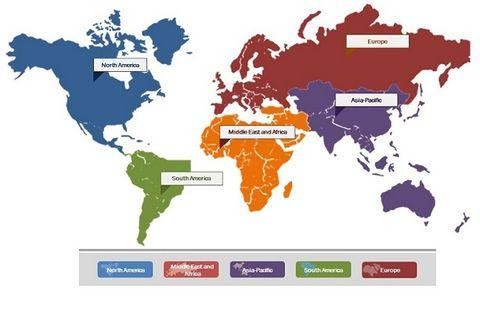
The year 2023 witnessed a vibrant reshuffling in the global home textile trade, with some nations basking in the sunshine of export and import growth, while others faced the chill of decline. Let's unravel the threads behind this transformation, exploring who emerged as the top comfort champions and those facing a redecorate in their home décor strategies.
Exporting Winners
• India: The undisputed leader, India surged ahead with a 10% export boom, fueled by a thriving domestic textile industry, strategic trade deals, and a focus on high-quality materials.
• Turkey: Making a comeback, Turkey witnessed a remarkable 8% export increase. Government initiatives, investments in modern technology, and diversification into niche bedding and bath products revitalized the scene.
• China: Despite facing challenges, China held onto its third position with a steady 2% export growth. Competitive prices, a vast product range, and established trade relationships remained its key strengths.
Import Winners
• United States: The king of comfort, the US saw a delightful 8% surge in home textile imports. A booming housing market, increased disposable income, and a love affair with online shopping fueled this growth.
• Germany: Europe's design capital maintained its allure, with German home textile imports increasing by 6%. A focus on high-quality, functional products and partnerships with countries like Turkey and India boosted its game.
• Japan: Seeking tranquility and sophistication, Japan's home textile imports jumped 5% in 2023. A preference for natural materials and innovative sleep solutions from countries like China and Vietnam added Zen to Japanese bedrooms.
Export Losers
• USA : Facing economic headwinds, the US's home textile exports dipped by 3%. Inflation, currency fluctuations, and increased domestic production of basic items dampened the industry.
• Pakistan: Political uncertainty and supply chain disruptions caused a 5% drop in Pakistan's home textile exports. Despite its skilled workforce and competitive prices, turbulent conditions cast a shadow.
• Brazil : Economic struggles and rising domestic costs led to a 7% decline in Brazil's home textile exports. Consumers turned to domestic brands for basic items, impacting imports from traditional suppliers.
Import Losers
• China : The long-reigning import king faced a 3% decline in 2023. Domestic production and a shift towards self-sufficiency in specific home décor segments contributed to this decrease.
• Brazil : Facing economic woes, Brazil's home textile imports shrunk by 4%. Currency fluctuations and rising domestic costs made foreign décor items less attractive.
• Russia : Geopolitical tensions and sanctions cast a shadow on Russia's home design scene, with home textile imports plummeting by 7%. Diversification towards alternative suppliers is underway, with a focus on practical and durable items.
Reasons of Change: Factors intertwined to reshape the global home textile landscape:
• Shifting consumer preferences: The demand for sustainable, ethical, and comfortable home textiles influenced sourcing decisions.
• Homebody Boom: The pandemic-driven focus on home improvement fueled demand for unique and comfortable décor items.
• Evolving E-commerce: Online platforms expanded access to global markets, reshaping export and import destinations and preferences.
Looking Ahead in 2024
The future of home textile trade promises to be an intricate tapestry. Sustainable practices, ethical production, and technological innovation will likely determine who thrives in this competitive fabric. Additionally, evolving consumer preferences, economic fluctuations, and the continued growth of e-commerce will continue to influence the flow. As the needle of change threads through the industry, we can expect new patterns to emerge, creating a fascinating narrative to observe in the years to come.
SITEX 2024: Indian textile machinery is leaving an indelible mark on the global stage
India's textile industry is embracing a paradigm shift, seamlessly weaving technology and sustainability into its fabric. At the Surat International Textiles Exhibition (SITEX 2024), SP Verma, Additional Textile Commissioner of the Government of India, unveiled an impressive narrative. India annually produces high-tech textile machinery worth Rs 14,000 crore, with 35% being globally exported, aligning with Prime Minister Narendra Modi's vision to elevate India into a textile manufacturing powerhouse.
Verma underscored the pivotal role of young talent in this transformation, urging manufacturers to harness their dynamism for employment generation. Setting an ambitious target, he aimed to achieve Modi's dream of textile machinery self-sufficiency by 2030, urging innovation and collaboration with an environmental conscience.
Surat echoed this commitment by becoming India's first city to implement Environmental, Social, and Governance (ESG) norms in its textile cluster. Verma urged industrialists to embrace sustainability, aligning with the Ministry of Textiles' green initiatives. The announcement of the 'Bharat Tex' initiative further emphasized a dedicated platform for promoting sustainable practices.
Surjit Singh Mahajan, Chief Guest at SITEX 2024, praised Surat's textile revolution, emphasizing its global recognition and significant contribution to India's GDP. Ramesh Vaghasia, President of SGCCI, echoed the industry's commitment to sustainability, unveiling a partnership with the Global Net for Zero organization to guide South Gujarat industries towards achieving net zero emissions. The Indian textile narrative is evolving, seamlessly merging innovation, youth empowerment, and sustainability into its intricate design.
Apparel Group launches 350 stores in 2023
Dubai-based fashion and lifestyle retail conglomerate Apparel Group launched 350 new stores across international locations in 2023.
Besides, the group forged new alliances with several high-profile brands such as Foret Essentials, Allo Beirut, Asica, Babies & More, Bcbgmaxazria, Ben Sherman, Brunomagli, Clarks, Daiso Japan, FLO, Firehouse Subs, Forever New, Martha Stewart, Project Chaiwala, and Sur La Table.
The group also reiterated its commitment to the environment during the year by engaging in ESG-linked financing arrangements with Emirates Islamic and Emirates NBD. It integrated its sustainability goals with financial strategy.
In 2024, the group aims to focus on being innovative, adopting sustainable practices and delivering exceptional value to customers, says Neeraj Teckchandani, CEO.
Transforming global textile alliances: India's journey to ESG excellence
In a groundbreaking shift, India's textile industry has embraced Environmental, Social, and Governance (ESG) practices, responding to global concerns about sustainability and responsible business. Over the past decade, heightened awareness of climate change and social issues has propelled India's textile sector, known for its rich heritage, to the forefront of sustainable sourcing.
Indian textile players and the government have implemented measures such as sustainable farming, reduced chemical use, and investments in renewable energy, contributing significantly to ESG goals. Eco-friendly dyes and innovative technologies are minimizing the industry's ecological footprint, meeting both buyer demands and environmental responsibilities.
The industry's commitment to social sustainability is evident in improved labor conditions, skill development, and ethical practices. International buyers sourcing from India are now prioritizing fair wages and safe working conditions, aligning with the nation's emphasis on inclusive growth and community welfare.
Transparency and governance have been enhanced through traceability tools and certifications, with the government introducing initiatives like the Global Organic Textile Standard. This commitment to ethical practices ensures good governance in international partnerships.
The Government of India has introduced various schemes like SAC, TUFS, SAMARTH, NCEF, and others to promote ESG in the textile industry. Despite commendable progress, challenges like water scarcity and the widespread adoption of ethical practices persist, presenting opportunities for innovation and investment.
The ongoing collaboration between international textile buyers and India's textile sector showcases the industry's potential to thrive while remaining environmentally conscious and socially responsible. Bharat Tex 2024 emerges as a transformative platform, bridging the gap between ESG commitments and industry initiatives. With dedicated pavilions and knowledge sessions on sustainability, recycling, and high-level deliberations, the event signifies collaborative progress, ensuring a future where commerce harmonizes with environmental consciousness and social responsibility.