Euro jersey ramps up sustainability efforts
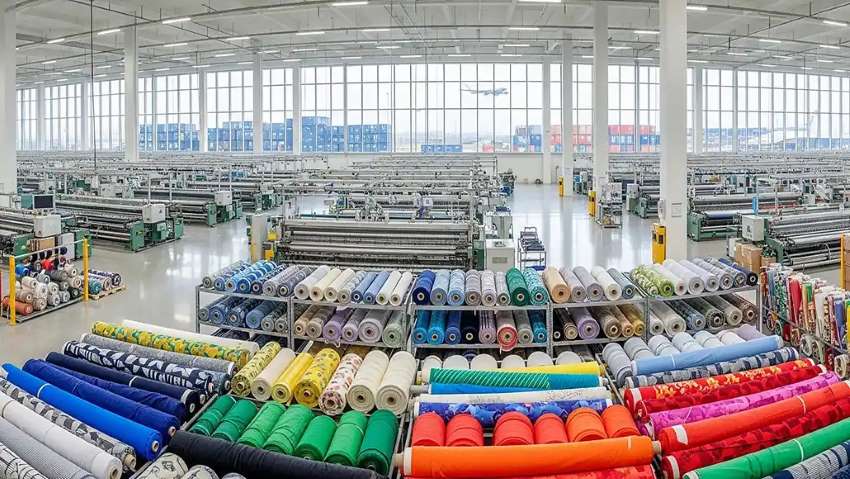
The esteemed Italian knit-fabric manufacturer renowned for its Sensitive Fabrics range, Euro jersey is ramping up its sustainability efforts. In the past year, Euro jersey generated approximately €76.7 million in economic value and distributed around €73 million, underscoring its positive impact on stakeholders and the local community.
Since 2007, Euro jersey has been a pioneer in advancing sustainable practices within the fashion industry.
Last July, the company achieved a significant milestone by becoming the first to earn the voluntary Made Green in Italy certification. Introduced by Italian authorities, this certificationevaluates and communicates the environmental impact of products.
In its newly released Footprint Report 2023, Euro jersey details its progress and future goals concerning environmental and social responsibility. The report highlights notable achievements and outlines ongoing commitments to sustainability.
A key development for 2024 is Euro jersey’s partnership with Humana People to People Italia Onlus. This collaboration will focus on sustainability within the textile supply chain and waste reduction. It includes organising training and webinars for employees on environmental and social issues and promoting sustainable consumption practices. Since September, eco boxes for collecting used clothing have been placed in production areas to encourage staff participation.
The company has also made strides in improving thermal efficiency. In 2023, Euro jersey saved 643,000 cubic meters of methane gas, thanks to upgrades to its thermal power plant and increased use of renewable energy sources. Additionally, photovoltaic solar panels installed in 2008 and 2019, with a new system added in 2023, now supply 5% of the company’s annual energy needs.
Water conservation has been another focus, with technological innovations introduced to minimize waste and lessen the environmental impact of production. The Eco print printing technique, adopted since 2010, has reduced water consumption for printed fabrics by 60% by eliminating the steaming and finishing stages.
Euro jersey has also joined Sistema Moda Italia's Retex Green Consortium to recover and reuse fabric waste within the Sensitive Fabrics supply chain.
White House tightens De Minimis loophole, impacting US Apparel imports, e-com, Chinese giants Shein & Temu

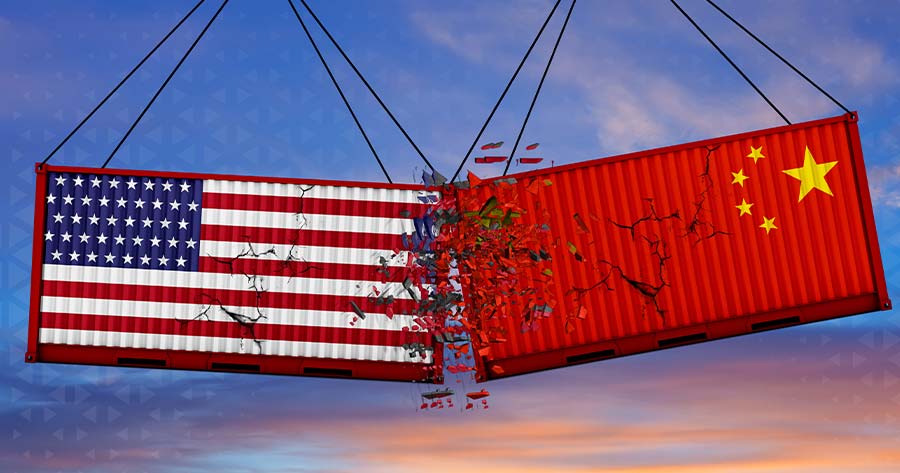
The de minimis provision, a trade rule dating back to the 1930s, allows goods valued under a certain threshold (currently $800) to enter the U.S. without paying duties or undergoing the usual scrutiny applied to larger shipments. While intended to streamline low-value imports, this loophole has increasingly been exploited, particularly by e-commerce giants like Shein and Temu, to flood the U.S. market with cheap goods, often from China.
The National Council of Textile Organizations (NCTO) has been vocal about the detrimental effects of this practice on the U.S. textile and apparel industry, citing job losses, the influx of potentially illegal or unsafe products, and the undermining of U.S. trade remedies.
Key impacts of the new measures
In a significant move aimed at curbing the abuse of the de minimis provision, the White House announced a series of executive actions on September 13, 2024. These include:
• Rulemaking to restrict de minimis for goods subject to trade remedies: This directly impacts Chinese e-commerce platforms that have been circumventing tariffs imposed on certain Chinese goods, notably impacting the textile and apparel sector which sees 70% of its imports from China subject to Section 301 tariffs.
• Enhanced data collection on de minimis shipments: This measure will improve transparency and aid in identifying potentially problematic imports.
• Global exclusion of trade-sensitive items from de minimis: This proposal, if implemented, could significantly reduce the volume of textile and apparel goods entering the U.S. under de minimis, making it easier to detect illicit products and enforce trade laws.
• Increased textile and apparel procurement by the U.S. government: This initiative aims to support the domestic industry by boosting demand for U.S.-made goods.
Impact analysis
• US Apparel Imports: The measures are expected to decrease the volume of apparel imports, particularly from China, entering through the de minimis channel. This could lead to higher prices for consumers but may also create opportunities for domestic manufacturers to regain market share.
• E-commerce: E-commerce platforms, especially those heavily reliant on de minimis shipments from China, will likely face challenges. They may need to adjust their pricing strategies, diversify their supply chains, or face increased scrutiny from U.S. authorities.
• Shein & Temu: These Chinese e-commerce giants, known for their ultra-fast fashion model and low prices enabled partly by de minimis, will be significantly impacted. They may need to rethink their business models to remain competitive in the U.S. market.
Data Points
• US apparel imports: Totaled $93.3 billion in 2023, with China accounting for 32.6%
• US e-commerce: Accounted for 14.7% of total retail sales in 2023
• Apparel e-commerce: Represented 36.7% of total U.S. apparel sales in 2023
• Shein & Temu imports: While exact figures are not publicly available, estimates suggest they account for a significant portion of de minimis shipments, potentially in the billions of dollars annually
Impact on Shein & Temu:
• Direct Hit: These companies have thrived due to the de minimis provision, offering a vast array of inexpensive apparel with rapid shipping times. The new rules pose a direct threat to their business models. • Adaptation or decline: Shein and Temu will need to adapt quickly, potentially by establishing US-based warehouses or diversifying their sourcing. Failure to do so could lead to a significant decline in their US market share.
• Transparency & compliance: The increased scrutiny on de minimis shipments will also force these companies to be more transparent about their supply chains and ensure compliance with labor and safety standards.
The White House's actions represent a significant step towards addressing the long-standing concerns about the de minimis rule. While the full impact on US apparel imports and e-commerce remains to be seen, it is clear that this will lead to a major shift in the industry. The changes are likely to benefit domestic manufacturers, promote fairer trade practices, and potentially encourage a more sustainable approach to fashion consumption. However, it also poses a significant challenge for e-commerce giants like Shein and Temu, who will need to adapt or face a significant decline in their US operations.
NCTO welcomes White House action on De Minimis, calls for comprehensive reform
The National Council of Textile Organizations (NCTO) has expressed cautious optimism over the White House's recent announcement of executive actions designed to curb de minimis shipments. While acknowledging these actions as a "step forward", NCTO President and CEO Kim Glas emphasized the urgent need for a more comprehensive solution to address the abuse of the de minimis provision.
The White House's announcement included rulemaking to limit de minimis treatment for imported products subject to U.S. trade remedies and penalties, and a requirement for additional information on de minimis shipments. These measures aim to mitigate the impact of de minimis, a trade provision that allows low-value shipments to enter the U.S. without paying duties or taxes.
However, Glas stressed that the de minimis loophole has caused "severe demand destruction" in the U.S. textile industry, facilitating the influx of cheap, often illegal imports that undercut American jobs and manufacturing. She called on Congress and the administration to work together to "immediately close this disastrous loophole once and for all."
The NCTO also supports the administration's call for the global exclusion of trade-sensitive items, including textiles and apparel, from de minimis treatment. This would help reduce the volume of de minimis goods, making it easier to detect illicit products like fentanyl. Additionally, the NCTO applauded the administration's directive on developing a plan for immediate textile and apparel procurement, which is seen as critical to the industry's survival.
NCTO welcomes White House action on De Minimis loophole
Kim Glas, President and CEO of the National Council of Textile Organizations (NCTO), responded to the White House’s recent announcement of executive actions aimed at curbing de minimis shipments and enforcing stronger domestic procurement measures.
Glas praised the administration's decision to address the de minimis loophole, which has long harmed the US textile industry. She highlighted that the announced rulemaking would limit de minimis treatment for products under US trade remedies, including Section 301 tariffs. This reform is seen as a critical first step in tackling the issue.
The NCTO has been urging the government to close the loophole that has allowed a flood of low-cost, potentially illegal imports to enter the US market. Glas emphasized the urgency of expediting the rulemaking process, calling it essential for protecting American jobs and the textile manufacturing sector. She also noted that half of the 4 million daily de minimis shipments are textile and apparel goods, which underscores the loophole's damaging impact on the industry.
Glas reiterated the need for comprehensive reform, urging Congress and the administration to work together to eliminate the loophole completely. She warned of the national security implications, pointing to the US textile industry's role as a key supplier to the military and in personal protective equipment (PPE) production.
Additionally, Glas applauded the administration’s recent efforts in enhancing enforcement against illegal textile and apparel imports, as well as its plan for immediate procurement of textile goods. She acknowledged the Department of Homeland Security and US Customs and Border Protection for their ongoing commitment to addressing these challenges.
The NCTO will continue to advocate for swift action, aiming to prevent further plant closures and job losses in the industry.
Brazil makes a strong pitch for sustainable cotton in India
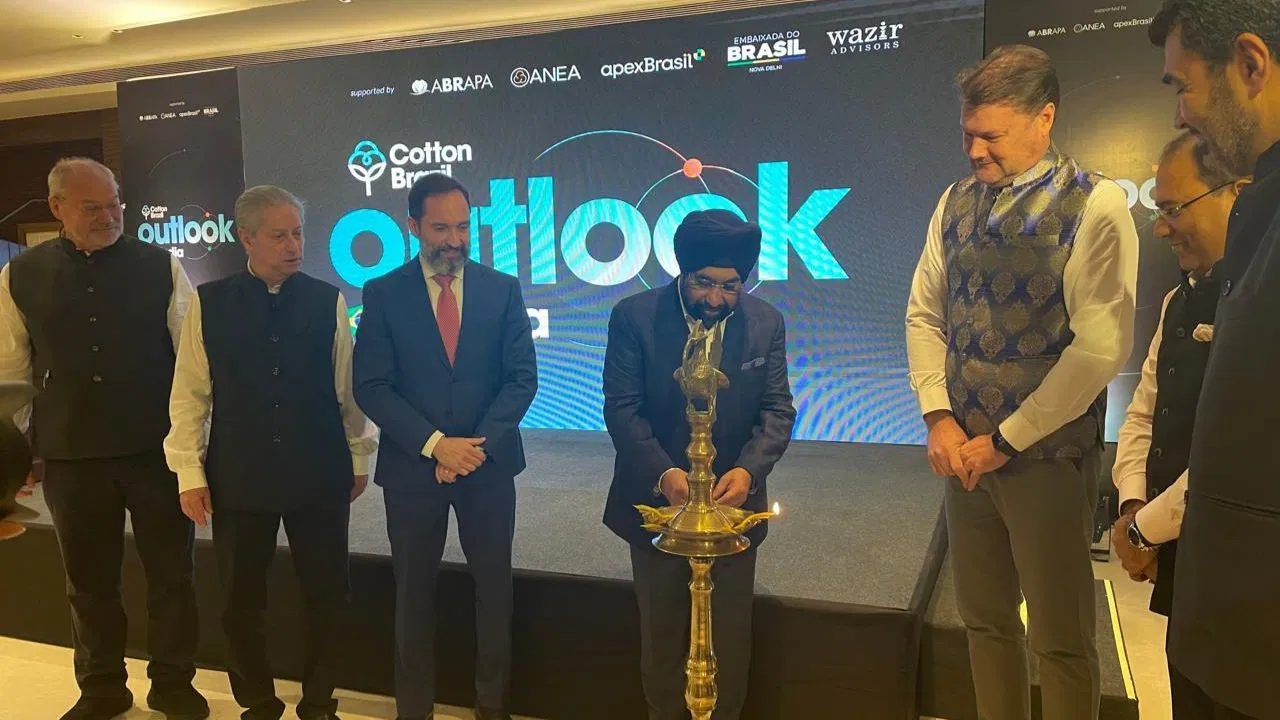
New Delhi, September 13, 2024: Brazil's cotton industry kicked off its international events for the 2024-25 commercial year with a resounding message at the Cotton Brazil Outlook seminar held in New Delhi, India today. The event, organized by Cotton Brazil, showcased the country's commitment to sustainable cotton production and its potential to bolster India's textile industry.The event was organized by Cotton Brazil with the support of the Brazilian Embassy in New Delhi and in partnership with Wazir Advisors.
The seminar was attended by prominent figures from the Indian textile sector, including business leaders, investors, and government officials. The Brazilian delegation, led by Abrapa President Alexandre Pedro Schenkel, emphasized Brazil's position as the world's leading cotton exporter for the second consecutive year.
Sustainability takes centre stage
A key highlight of the event was the focus on sustainability. Célestino Zanella, a Brazilian cotton farmer and Vice President of Abrapa, shared insights into the sustainable practices employed by Brazilian cotton growers. He emphasized the industry's commitment to protecting native vegetation, implementing no-till farming, and utilizing renewable energy sources.
The seminar also shed light on Brazil's advanced traceability system, allowing for the tracking of cotton from farm to retailer. This transparency, coupled with third-party certifications and independent audits, underscores Brazil's dedication to responsible cotton production.
India: A key market for Brazilian cotton
India, as the world's second-largest cotton consumer, represents a significant market for Brazilian cotton. Although current import volumes are lower than in previous years, the seminar underscored the potential for increased trade between the two countries.
The Cotton Brazil Outlook served as a platform to showcase the quality, transparency, and sustainability of Brazilian cotton. It also highlighted the potential for collaboration between Brazil and India in the textile sector.
Key Takeaways:
• Brazil is the world's leading cotton exporter for the second year in a row.
• Brazilian cotton production is characterized by sustainable practices and advanced traceability.
• India represents a significant market for Brazilian cotton.
• The seminar emphasized the potential for increased trade and collaboration between Brazil and India.
The Cotton Brazil Outlook seminar has set a positive tone for future collaborations between Brazil and India in the cotton industry. With a shared commitment to sustainability and quality, both countries are poised to benefit from increased trade and knowledge exchange.
Trutzschler to showcase latest innovations at ITMA Asia 2024
From October 14-18, Trutzschler Group will present its cutting-edge technologies at ITMA Asia, Booth C11 in Hall 7, focusing on spinning, card clothing, and nonwovens.
Spinning innovations -Trutzschler Spinning will unveil its latest carding technology tailored for the Chinese market. Visitors can explore this new development firsthand, alongside the third-generation Integrated Draw Frame, IDF 3, and the TCO 21XL, the world’s first 12-head comber. These innovations are designed to enhance production efficiency, reduce energy consumption, and promote digital automation, allowing spinning mills to produce high-quality sliver at remarkable speeds.
Sustainable nonwovens - The Nonwovens division will highlight eco-friendly solutions, showcasing bamboo pulp-based wipes made in combination with viscose/lyocell fibers. Bamboo, harvested in just three years, offers a sustainable alternative to traditional softwood pulp. The focus will also be on Trutzschler’s proven Wet-Laid/Spunlace (WLS) and Carded/Pulp (CP) technologies, enabling cost-effective, biodegradable nonwoven materials.
Card Clothing expertise -Trutzschler Card Clothing (TCC) will showcase its comprehensive service portfolio, featuring its expertise in clothings, wires, and services to boost machinery performance and enhance textile production.
Visitors will have the opportunity to witness firsthand the innovations driving higher efficiency and sustainability across the industry.
CLASS highlights sustainable innovations at Filo 62
CLASS is set to participate in the 62nd edition of Filo, focusing on sustainable and responsible innovations in the textile industry. Its participation aligns with the “Sustainability from A to Z” project, which has been active for four seasons. The initiative promotes an ethical and transparent production chain, aiming to assess impact from the earliest stages, including fibers and yarns.
The collaboration between CLASS and Filo underscores their shared commitment to innovation, with an emphasis on environmentally conscious production solutions. Visitors will explore a variety of innovative materials that represent both the present and future of responsible creativity in fashion and textiles.
Highlighting this commitment, CLASS has selected three start-ups offering innovative solutions:
Brewed Protein by Spiber: This unique protein fiber is produced using plant-based ingredients through a precision fermentation process. It offers luxurious textiles while reducing the environmental concerns associated with animal-derived fibers like cashmere and silk.
Innuance: Known for its responsible dyeing innovations, Innuance uses patented technology to apply highly purified, edible colors. This method eliminates hazardous substances and ensures safety for the environment, workers, and consumers, while maintaining the quality of traditional dyeing techniques.
ephea Aura by Sqim: Derived from mycelium, ephea Aura offers a sustainable alternative to traditional materials like leather. The start-up transforms low-value feed stocks into high-quality textiles through proprietary fermentation technology, promoting circularity and innovation without compromising durability or aesthetics.
Giusy Bettoni, CEO and Founder of CLASS, will moderate key discussions during Filo, including “Let’s Take Nature to the Next Level” and “Authentico by Schneider Group & Marzotto Group.” These talks will highlight innovative, sustainable solutions within the textile industry.
This collaboration aims to transform the fashion industry by promoting sustainable, ethical production practices.
Supreme launches Autumn/Winter 2024-25 collection with designer Maritne Rose
American clothing brand Supreme has launched its Autumn-Winter 2024/25 collection in partnership with acclaimed British-Jamaican designer Martine Rose.
Blending the urban grit of New York streetwear with Rose’s bold, sporty aesthetics, the collection launched on Sep 12, 2024 in Europe and the US. It will further launched in the Asia-Pacific region on Sep 14.
Featuring approximately fifteen pieces, the line includes a mix of clothing, accessories, and a standout footwear collaboration with Clarks, where Rose serves as guest creative director. The collection showcases her talent for reinterpreting classic streetwear with a modern twist.
Key pieces in the lineup include reversible trucker jackets, giving wearers multiple styling options, and denim cargo pants that blend utilitarian style with comfort. For those seeking something bolder, the collection also offers leather biker outfits that confirm to Rose’s edgy, subcultural inspirations. Quilted jackets provide warmth with a street-savvy edge, while printed T-shirts emblazoned with eye-catching graphics reflect both brands' signature street style.
One of the collection's standout items is the exclusive pair of Clarks shoes, combining Rose’s fashion-forward vision with the heritage and craftsmanship of the iconic footwear brand.
In addition to the clothing and accessories, the collaboration will also release a special 44-page magazine featuring black-and-white photographs of the collection. Proceeds from the magazine will be donated to the St. Giles Trust, a UK-based charity that supports vulnerable and disadvantaged individuals, including the homeless.
Victoria’s Secreat relaunches athlesiure range with campaign featuring top models
Victoria’s Secret has relaunched its athleisure line, VSX with a campaign featuring top models such as Gigi Hadid, Imaan Hammam, Jeneil Williams, Mayowa Nicholas, Paloma Elsesser, and Taylor Hill.
Shot by Zoey Grossman and styled by Malina Joseph Gilchrist, the campaign endorses the brand’s new athleisure collection that combines style with performance. Designed for both function and fashion, the new range offerslight-support sports bras with prices starting at $49.95. It also offers VSX Elevate Leggings made with XDefine performance fabric from $69.95, as well as ready-to-wear pieces like trench coats, catsuits, and t-shirts, priced from $44.95.
More than being just a collection, VSX merges performance and fashion. Its designs use body mapping and high-quality fabrics to celebrate women’s curves, empowering them with confidence, support, and ease from day to night with elevated style, says Kira Fisher, Vice President- Brand Design, Victoria’s Secret &Co.
As part of the VSX relaunch, Victoria’s Secret also introduced a new Instagram handle, @VSXOfficial, to create a dedicated space for the brand’s lifestyle content. The VSX collection is now available online at VictoriasSecret.com and in Victoria’s Secret stores across the U.S., with international availability planned soon.
Shandong delegation visits Karl Mayer, signs cooperation agreement
On September 7, 2024, the Karl Mayer Group hosted a delegation from Shandong Province, China, at its headquarters in Obertshausen. The group, led by Weiding Tian, Party Secretary of Dezhou Municipal City, included government officials and entrepreneurs. Their visit was part of a week-long business tour of Germany and Serbia aimed at deepening cooperation between Shandong and Europe.
Among the visiting entrepreneurs was Guiting Jiang, Chairman of Jingjin Equipment Co, Ltd, a leading manufacturer of industrial filters in China. Jingjin has used Karl Mayer's warp preparation machines for nearly a decade. The delegation toured the Karl Mayer facility, where they observed cutting-edge warp knitting technology and innovative training programs. Jiang was particularly impressed by the company’s modern production capabilities.
The visit culminated in the signing of a technical cooperation agreement between Jingjin Equipment and Karl Mayer. Under the agreement, Karl Mayer will provide Jingjin with early access to warp preparation innovations, while Jingjin commits to prioritizing Karl Mayer's machinery for its future projects. The agreement was formalized at the Dezhou Multinational Cooperation Exchange Symposium in Munich.
Dieter Gager, Karl Mayer's Vice President of Sales & Marketing, emphasized that the agreement represents a long-term commitment to fostering innovation and collaboration within the textile industry.
More...
Ban import of unusable clothing and textile waste from Global North: Greenpeace Africa
At the launch of the organisation’s report on the harmful effects of fast fashion, Hellen Kahaso Dena, Head - Pan-African Plastics Project, Greenpeace Africa, urged the Ghanaian government to ban the import of unusable clothing and textile waste from the Global North.
Highlighting the environmental and health risks posed by improperly managed textile waste, Dena warned, If not effectively dealt with, this waste could lead to soil and water contamination, threatening ecosystems and public health.
Ghana is being overwhelmed by fast fashion waste, with microplastics from these textiles contaminating the air, food, and water, especially affecting children, she said. Theused clothing trade in the country mostly involves smuggling, which makes difficult to trace the origins of these garment articles, she notes further adding, this makes Africa a dumping ground for Europe's unwanted textiles.
Often, textile waste is misclassified or falsely labeled as used clothing to avoid stricter regulations governing waste exports, when in fact it is unusable garbage. Dena urged the Ghanaian government to adopt the ‘polluter pays principle’ to hold those responsible for environmental damage accountable and to implement systems that mitigate the risks associated with the international trade of second-hand clothing. She called for greater action to promote sustainable fashion practices in the country.
AiDLab focuses at AI's transformative power in fashion designat Centrestage 2024

The recently concluded Centrestage (September 4-7, 2024), Asia's premier fashion event, witnessed a notable participation from AiDLab, a pioneering initiative dedicated to exploring the intersection of Artificial Intelligence (AI) and fashion design. Their engaging session, "Interaction with AI for Fashion Design," captivated audiences with insights into how AI is reshaping the creative landscape of the fashion industry.
The session was helmed by an impressive lineup of experts, including Prof. Calvin Wong, Ms Kim Wong, and Martin Lam, who shared their invaluable knowledge and experiences through insightful discussions and compelling presentations.
Highlights of the discussion and presentations:
• Prof. Calvin Wong underscored the transformative potential of AI in fashion design, emphasizing its capacity to streamline design processes, enhance creativity, and drive innovation. He stated, "AI is not here to replace designers but to empower them. It offers tools and capabilities that can significantly augment their creative vision and problem-solving abilities."

• Ms Kim Wong showcased real-world applications of AI in fashion design through captivating case studies. She highlighted how AI-powered tools are being leveraged to generate design ideas, predict trends, personalize customer experiences, and optimize production processes. "AI is enabling fashion brands to become more agile, responsive, and customer-centric," she noted.
• Martin Lam delved into the technical aspects of AI in fashion design, explaining how machine learning algorithms and generative models are employed to create novel designs, analyze fashion trends, and personalize recommendations. "AI is revolutionizing the way we approach fashion design, making it more data-driven, efficient, and personalized," he elaborated.
The session also featured interactive demonstrations, allowing attendees to experience first-hand the capabilities of AI-powered fashion design tools. This hands-on approach fostered a deeper understanding of how AI is transforming the creative process and empowering designers to push the boundaries of their imagination.
UK Fashion Takes Spotlight: A triumph at Centrestage 2024

The recently concluded Centrestage 2024 witnessed a vibrant showcase of British fashion, creativity, and innovation, as the "A Fashion-forward UK" initiative brought a dynamic group of designers and brands to the forefront of the Asian fashion scene.
From September 4-7, the UK pavilion buzzed with excitement as attendees explored the latest collections from a diverse range of UK fashion talents, including Anciela, E.L.V. Denim, Patrick McDowell, PLC, Revival, Roksanda, The R Collective, and Vivere.
• Anciela captivated audiences with its luxurious knitwear, crafted from sustainable and ethically sourced materials.
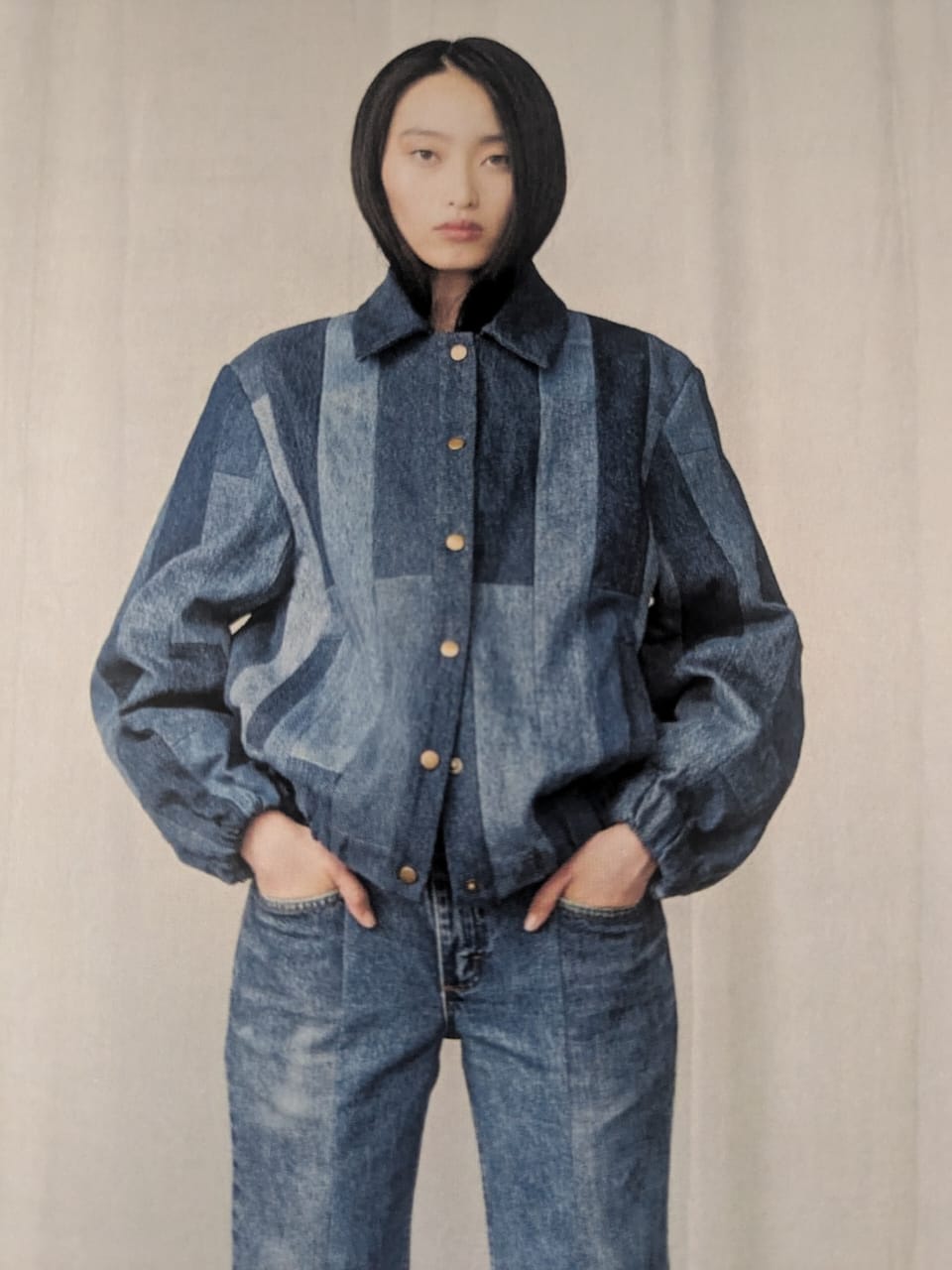
• E.L.V. Denim showcased its commitment to circular fashion with a collection of upcycled and repurposed denim pieces.
• Patrick McDowell made a statement with his bold and theatrical designs, pushing the boundaries of contemporary fashion.
• PLC presented a timeless collection of menswear, highlighting British craftsmanship and attention to detail.
• Revival brought a touch of vintage glamour to the event, showcasing a curated collection of pre-loved and restored designer pieces.
• Roksanda wowed the crowd with her signature use of color and form, presenting a collection of elegant and sophisticated womenswear.
• The R Collective championed sustainable fashion with a collection of upcycled garments, demonstrating the potential of circular design.
• Vivere offered a range of stylish and functional footwear, crafted from high-quality materials and designed for the modern lifestyle.

The UK presence at Centrestage went beyond the exhibition booths, with several engaging activities further highlighting British fashion.
• Designer talks and panel discussions offered insights into the creative processes and inspirations behind the collections.
• Trend presentations explored the latest developments in UK fashion, showcasing the industry's commitment to innovation and sustainability.
• Networking events facilitated connections between UK designers and brands with potential partners and buyers in the Asian market.
The "A Fashion-forward UK" initiative at Centrestage 2024 was a resounding success, showcasing the diversity, creativity, and sustainability of British fashion. The event provided a valuable platform for UK designers and brands to connect with the Asian market, and to establish themselves as key players on the global fashion stage.
Ensure stable energy supply and improve factory security in textiles, urges BTMA
Warning that the country’s leading textile export sector is nearing a crucial point, the Bangladesh Textile Mills Association (BTMA)urged the government to ensure a stable energy supply and improve factory security in the sector.
Despite being a key contributor to foreign exchange earnings, the textile industry receives insufficient government support, said BTMA leaders during a meeting at the BTMA office in Dhaka.
Presided over by Showkat Aziz Russell, President, BTMA, the meeting was also attended by the newly elected Vice Presidents Shamim Islam, Managing Director, Jamuna Group, and Abul Kalam.
Expressed concern over the lack of attention for the textile sector, Russell said, the government prioritises the energy sector with incentives and subsidies, while largely overlooking the textile industry.
Even asmall portion of the energy sector’s incentives could unlock new growth opportunities for textiles, a sector that already generates $22 billion in exports and adds45 per cent value, Russell pointed out. Revival of the textile and garment sectors is crucial for the revival of the economy, he stated, further emphasising, the government needs to take immediate steps to ensure an uninterrupted energy supply, access to foreign currency for bank loans and letters of credit (LCs), and to address labor unrest.
To address these issues, Russell called for dialogue between the government and relevant agencies. He emphasised on the important of incentives for local industry in creating jobs and generating foreign currency.
Shamim Islam, Managing Director, Jamuna Group and newly elected Vice President, BTMA highlighted the textile sector’s significant contribution to the economy. Despite contributing13 per cent to GDP, amounting to BDT 6.56 trillion, the sector needs new policies to save it from perishing, he said.
Abul Kalam, Managing Director, Chaity Group and newly elected Vice President, BTMA urged the government to restrict yarn imports to sea routes rather than allowing them by road, suggesting that neighboring countries are taking advantage of the current challenges in Bangladesh.