Remediation of Bangladesh small RMG factories pending
A large number of small garment factories those are out of the ongoing inspection network, makes a bad case for factory remediation - a process that has been in place for nearly four years. It has been learnt that these small production houses which are not directly linked with the European and North American retailers are left in the lurch as there is apparently no agency with required funds to conduct inspection. The number of such factories is reportedly around a thousand.
Following the Rana Plaza building collapse, garment factories all over the country were placed under the inspection network of three inspection initiatives -- Accord, Alliance and the National Initiative. These three initiatives have been inspecting nearly 4,000 factories to fix structural, fire and electrical loopholes in the factories. At present it appears that while bulk of the factories under scanner has been done with, but still there are around a thousand factories - small in size and rely mostly on subcontracting - which are yet to be inspected.
The Department of Inspection for Factories and Establishments (DIFE) is the designated agency to inspect these factories, but inspection of these factories is pending for want of funds. The DIFE has been strengthened lately with manpower, though inadequacy still persists. However, with its available resources, the state agency has been pursuing its job, but lately its activities got almost stalled due to fund constraints. A good number of the small factories, which are to be inspected by DIFE, have moved to either their own buildings or relocated their activities to rented buildings. Now, in the absence of inspection, they are not in a position to plan future activities. It was expected that the government would provide the DIFE necessary funds to complete the inspection, but this is not happening and it remains uncertain whether any prospective international body, ILO included, would be forthcoming to help undertake the pending works.
Despite the amazing task, the inspections -- first ever in the country - have laid out in details the fundamentals about managing factories -- from setting up to running, as functional productive units. At the same time, the inspections have brought home the perils of not doing what was required long back at the time of setting up of the units at whatever locations the owners thought suitable, with little or no clues as to the dos and don'ts.
At a time when garment export is the life-blood of the country's economy, facilitating its operation needs remediation and compliance of all small or big production houses. Although a majority of them are not directly linked with exporting, they are the ones which while surviving on sub-contracting, facilitate exports by the major exporting houses. Although they are the backyard of big export houses, absence of facilitation for them to fulfil the required compliance norms would harm exports on the one hand, and on the other, halt their growth into exporting units themselves.
Papua New Guinea builds textile and garment industry
Papua New Guinea sees potential to build and support the garment and textile industry in the country. The country will encourage local manufacturing in order to reduce the import of manufactured garments including second-hand clothing.
So it is working toward building its own clothing brands, cutting down on the bill of finished garments and increasing employment opportunities in the business and textile industry. There will be investment in the industry to boost and establish new technologies towards training.
The government is keen on diversifying the economy and would like to cut down the import bills on goods that the country can produce to meet its own local demand. These certain goods include rice, vegetables, dairy products and garments and clothing. While the cost of production in Papua New Guinea is high due to a number of factors, the necessary policy and incentives will create the right business climate for the country to produce its goods to meet its own growing demands.
Papua New Guinea has a fast-growing fashion design industry. A Papua New Guinea female entrepreneur is funding the building of a garment and textile factory in the country. The factory will target the tourism and hospitality industry with table cloths, linens, blouses, towels.
100 fashion brands opt for transparency
More than 100 fashion brands across 42 companies are now publishing lists of their suppliers, representing a dramatic increase in transparency in the past 18 months.
Fashion Revolution assessed 40 leading fashion brands in 2016 and found that only five brands published a list of their manufacturers and only two published the names and addresses of sub-contractors or fabric/yarn suppliers. Follow up research in June this year found a dramatic push towards transparency, with106 brands across 42 companies/parent groups disclosing at least some of the facilities making their clothes.
Since the beginning of 2017 brands that have published a supplier list for the first time include ASOS, Berghaus, Benetton, Brooks Sports, Joe Fresh, Hugo Boss, Uniqlo and others.
Over the past year Marks & Spencer has published an interactive map of its suppliers in both food and clothing, which spans 53 countries and covers 1,229 factories employing 787,331 workers. Gap, C&A, VF Corporation (which owns more than 20 brands including The North Face, Timberland, Vans and Wrangler) and Australia's Jeanswest have all revealed the names and addresses of the factories that manufacture their clothing around the world.
Publishing supplier lists is important because it helps NGOs, unions, local communities and even workers themselves to alert brands of any potential human rights and environmental issues in their supply chains.
Premiere Vision aims increased resources for manufacturing sourcing
"Through its various manufacturing shows, and in parallel to its shows proposing specific materials, the Premiere Vision group aims to implement an international sourcing strategy to serve increasingly global and multi-product fashion brands. The goal is to help international fashion brands save time in their sourcing research thanks to a qualified, readable and structured offer and a strong fashion/product orientation."

Through its various manufacturing shows, and in parallel to its shows proposing specific materials, the Premiere Vision group aims to implement an international sourcing strategy to serve increasingly global and multi-product fashion brands. The goal is to help international fashion brands save time in their sourcing research thanks to a qualified, readable and structured offer and a strong fashion/product orientation.
Next September, at the Parc des Expositions de Paris Nord Villepinte will develop a transversal manufacturing offer the strategy is to enrich the sourcing offer in terms of geographic regions, as well as market segments and product specificities and to meet the needs of changing markets. Beside Premiere Vision Manufacturing, the show of fashion manufacturing specialists from the Euro-Mediterranean basin and the Indian Ocean, the group is boosting its manufacturing sourcing proposals through three initiatives.
Increased focus on Sourcing

A specialised space called “The Sourcing Connection” is the Asia Pacific Sourcing Show that participates Première Vision Paris as a specialised space. Confirmed by an audit by Bureau Véritas the show offers a unique selection and have 65 per cent compliance with the market standards.
Talking about the Premiere Vision Manufacturing area it presents the techniques and know-hows of manufacturers from the Euro-Mediterranean basin and Indian Ocean. Every season, this selection of fashion-manufacturing specialists provides solutions regarding fabrication, supply chains and services to fashion, lingerie, sports and accessories brands. They represent proximity sourcing, enabling rapid responses and greater control of manufacturing quality, organisers explain.
The show has been reorganized since the February 2017 edition, buyers can quickly grasp and locate the know hows of the manufacturers they can work with, as the offer is now broken down by activity sector.
Euro-Mediterranean business Order writers are committing themselves less in advance and are increasingly turning to Euro-Mediterranean sourcing, organizers explain. The Mediterranean countries gained market share. The importance in terms of imports to Europe has increased from 17.6 per cent in 2015 to 17.9 per cent in 2016.In 2016, European clothing imports totaled EUR 81 billion compared to 2015.
White tradeshow strengthens in Milan
The latest edition of White, which ran from June 17 to 19 in line with the men's fashion week recorded a 20 per cent increase in participants, with 300 brands showcasing as compared to 250 in June 2016.
The enriched White Man and Woman show was dedicated to menswear and women's pre-collections, as well as special projects and international collaborations that attracted more foreign visitors through its doors this season. However, the tradeshow was rejected by Italian guests, recording a 12 per cent decrease in local attendance numbers compared to last year. After hiring Muriel Piaserin a consultant role, White was bent on attracting more international guests. The fair continued its relationship with Danish tradeshow Revolver, which bought around forty brands to Milan to showcase in a special space compared to the ten or so brands to come to Italy last season.
In another White initiative, some twenty Korean brands came together for this edition. Besides, the tradeshow continued to collaborate with the Italian Fashion Chamber (CNMI) with two runway shows from its official calendar: Danish brand Wood Wood and POAN, the fashion label launched in 2015 the talented Austrian designer Georg Weissacher.
Other labels worth noting included Nehera, which shows in Paris and participated at White for the first time, and the Finnish label Aalto, which also shows in the French capital. In a stand, the hat brand Regen was also a standout; the milliner being a finalist this year at the Hyéres Festival in the accessories category.
The brand new section dedicated to sport was another interesting addition.
Victoria’s Secret to settle lawsuit for 12 million dollars
Victoria's Secret has learnt a lesson about paying its employees and not messing with their time. The company has reached a 12 million dollar settlement for their use of call-in shifts.
A call-in or on-call shift is where a retail store will over schedule hours in case the store is busier than expected at a given time. Employees call in a few hours before the on-call time posted on their schedule, and they are told whether or not they are needed. If they are not needed, they are not compensated for their potential scheduled time.
In 2014, a Victoria's Secret employee named Mayra Casas decided this was unethical and unfair to employees, so he hired a lawyer and took on Victoria's Secret in a class action lawsuit. The employees involved in the suit declared that call-in shifts required them to mold their lives around the possibility that they might have the chance to work more hours.
The lawsuit originated in California. According to California labor law, employees must be paid for reporting time for on-call shifts, equating to payment of half the shift if they don't end up working, or equal to two hours if they are called in for less than one hour of work.
This ongoing lawsuit has affected the scheduling practices of several retailers in the US. Six retailers have agreed to stop using on-call scheduling following an inquiry by a coalition of nine attorney generals.
MODINT and SMI join hands for growth of textile
MODINT, the Dutch association for the Fashion and Textile industries and lead of the fashion mission and Sistema Moda Italia (SMI), have entered into a Memorandum of Understanding (MoU) which highlights the growing interaction between the Dutch and Italian fashion and textile industries. On the occasion of the State Visit to Italy by Their Majesties TheKing and Queen of The Netherlands and a Dutch trade delegation led by the Minister for Foreign Trade and Development Cooperation, Lilianne Ploumen, the Italian and Dutch fashion and textile industry will join hands.
During the Best of Both event to be held on June 23 in Milan, the minister and a delegation of Dutch and Italian VIP’s and innovators active in the fashion and textile industry will witness the signing of a promising memorandum of understanding (MoU). The MoU defines actions by MODINT and SMI to help the Dutch and Italian fashion and textile industries work together on recycling, labour standards, sustainable raw materials and domestic production. MODINT and SMI are both members of the International Apparel Federation (IAF), an international organisation that supports industry development by helping to build intelligent connections among its members. In the MoU, Italian and Dutch businesses will explain how they cooperate, how they can support sustainable value chains, how they envision their business growing together in the coming years, and what their respective governments can do to support that growth.
The MoU as well as the event will support working towards the ‘Best of Both’, a cooperation for improving sustainable business practices.
Because the apparel and textile industry business models are relying more and more on sustainability and transparency, responsible production within Europe is gaining popularity and Dutch and Italian supply chains are becoming more intertwined.
German magazine on Indian textiles producers
Monforts has published a magazine on Indian textile producers. Monforts is a leading manufacturer and exporters of textile machines in Germany.
The 32 page magazine highlights the latest solutions and production techniques with a number of leading textile producers in India; placing special emphasis on textile finishing with the company’s range of Montex stenters, Thermex continuous dyeing, and Eco-Line ranges.
It includes articles on increased production capacity for Nahar Fabrics, a second production line for the Vardhman Group, five new Monforts units for Trident’s new bed linen division, expansion by Himatsingka Linens and first time investment in Monforts for Premier Fine Linens to improve quality control.
An in-depth technical article on cost savings for continuous dyeing with Monforts Econtrol T-CA and Eco Line finishing is featured. The magazine also includes a report on the country’s first Eco-Line installed at Arvind’s Ahmedabad mill.
Monforts new Advanced Technology Centre features descriptions of fabric processing including denim coating, elastane treatments, over-dyeing, and the creation of special surface effects and more.
The company is known for quality in fabric treatment, energy efficiency in production, uncomplicated service and more environmental compatibility in exhaust air treatment. It has developed innovative technologies and concepts that revolutionise the textile finishing market.
Yoga and Fitness apparel gains ground
Indian customers are becoming more fitness oriented and adopting yoga in their daily lives. There has been a remarkable traction in products ranging from yoga mats to athleisure wear.
Yoga products under the sports category have seen a growth of over 225 per cent year on year. Urban cities have dominated this category with a 40 per cent demand; the top four cities being Mumbai, Delhi, Bangalore and Hyderabad. The other 60 per cent comes from Tier I, II and III cities. Yoga mats lead this category.
The introduction of an International Yoga Day and the fitness wave among millennial have made active wear more mainstream. With running, cycling and yoga becoming part of individual lifestyles, and corporates pushing fitness, active wear is fast replacing casual attire.
Active wear has become a new segment of casual or even professional wear, which is slowly eating into the share of regular T-shirts. For every four T-shirts bought, the third or fourth is a sporty or a yoga T-shirt. In bottom wear, yoga pants are eating into the share of formal trousers, khakis or denims. Denim players are coming with yoga pants-like variations in denims.
While active wear is at a 30 per cent premium compared to its casual counterparts, the category is witnessing a compounded annual growth rate of 25 per cent.
Gujarat fabric traders oppose GST
Textile traders from Surat, Gujarat want fabric and job work to be exempt from Goods and Service Tax (GST). They are fine with the 18 per cent GST on yarn but are opposed to any tax on fabric. They also say it won’t be possible for retailers to comply with GST regulations.
They say the sector is predominantly unorganised and any attempt to convert it into an organised sector at one go can potentially destroy the sector. If this happens, they fear that instead of an expected rise in the country’s GDP, the economy will take a hit, creating job losses on a massive scale.
Under GST, manmade fiber yarn will be taxed at 18 per cent while its end product, fabric, will be taxed at five per cent. Tax differential leaves integrated textile firms which produce yarn and use it to make fabric at an advantage over those which buy yarn to make fabric. Also, cotton made yarn and fabric will attract five per cent duty.
This imbalance is expected to hit small textile companies which buy manmade yarn to weave fabric. In addition, since imported fabric will attract 15 per cent effective duty, cheaper Chinese goods may also pose a serious threat.
More...
Harmful to skin, fake labels seized in Bangalore
Fake labels or cheap imitations may seem a tempting deal but wearing such a garment can be dangerous to health. A racket has been unearthed in Bangalore. Clothes are purchased in bulk from Tirupur and other places. Chemicals and dyes are used to give the garments a fresh and unwrinkled appearance before being passed off as products of well-known brands.
Garments were seized with tags of Louis Philippe, Allen Solly, Puma, Nike, U.S. Polo and other famous clothing brands.
It’s suspected that these chemicals can harm the wearer of the garment. For one the chemicals used for enhancing the texture and color of garments can cause dermatitis. These chemicals can cause infections and allergy and can lead to complications in some cases.
Most of these fake products are sold in rural areas. Even the actual manufacturers find it very hard to differentiate between the original and fake products.
There is a huge market in India for fake copies of luxury brands selling everything from clothes, shoes, watches, accessories, phones and other electronics.
Bangalore is turning into a hub for counterfeits as the demand for goods, especially high-end footwear, clothing and accessories, is high. In some cases, the fakes are brought in from other states but a number of manufacturing units that specialize in copies have also opened up in the city.
Alok Industries faces insolvency action
Lenders to Alok Industries will start corporate insolvency proceedings against the textile firm. The textile company reported a consolidated loss of Rs 3,071 crores on an income of Rs 8,919 crores in 2016-17. It had booked a loss of Rs 4,367 crores on revenue of Rs 12,929 crores in 2015-16.
The company created large capacities through debt funding to cater to global demand, but with the slowdown in international markets, it was hit badly. This capacity creation was accompanied by a large accumulation of debt. Now, it faces a mismatch in timing of cash inflows and outflows, creating severe financial stress.
The company, in its 2015-16 annual report, listed factors such as demand slump, investment calls going wrong and fluctuations in foreign exchange as key reasons for its poor performance.
Its investments in retail, both in India and the UK, did not pan out as expected. While it closed operations in India, the UK business is still burning cash. The diversification into real estate, although intrinsically value creating, failed to give any asset appreciation and essentially locked up large capital.
Alok is a fully integrated textile company with a dominant presence in the cotton and polyester segments. The company is engaged in manufacturing of textile, including mending and packing activities, leather and other apparel products.
Woolmark presents A/W 18/19 collection at Pitti Uomo
The Wool Lab Autumn/Winter 2018/19 presented seven fashion-oriented themes, presenting a collection of the latest commercially available wool fabrics and yarns. In addition, The Wool Lab Sport and The Wool Lab Denim will return this season, with each of the popular books updated to include the latest innovations and technical fabrics. Created in collaboration with the most innovative and quality-oriented spinners and weavers from across the world, The Wool Lab is an inspirational sourcing guide available for designers and brands to view.
1. VISIONARIE (DAYDREAMING)

The rigour and clean shape of tailored suits take place in unexpected landscapes, creating a new world where everything is possible. Escape from reality with sophisticated irony.
Materials:
100% wool, wool/cashmere, wool/silk, wool/mohair
Structures & Patterns
Pinstripes, checks, flannel, Glen check, Prince of Wales, classical revised Jersey & Knitwear
Lightweight knit
Colours
Blue, grey, cold brown, deep green
2. MONOCHROME

The elegance in simplicity. The game of contrasts of materials in monochromatic layering. Fluid fabrics for sophisticated dresses are combined with bulky knits and soft coats with different volumes, completing the feminine figure.
Materials:
100% wool, wool/cashmere, wool/silk, wool/mohair
Structures & Patterns
Satin, sequins, crape, double weave, coats, flannels
Jersey & Knitwear
Bulky knit, boucle yarn, hand knitting, soft jersey
Colours
Pastels, M lange grey, deep green, teal, grape
3. BAUHAUS

Shapes and colours inspired by European art movements of the early decades of the 1900’s that were the expression of a crucial moment in the 20th century, creating a new interaction between technology and culture. Form and function are represented in geometries and evident colour contrasts, colour inserts in unique pieces and in jacquard knitwear.
Materials:
100% wool, wool/cashmere, wool/silk, wool/cotton, wool/polyester
Structures & Patterns
Double weave, velour, brushed coats, stripes, checks, graphic jacquard
Jersey & Knitwear
Jacquard, cut & sew
Colours
Primary & bright colours
4. FIESTA PATRONAL

Taking inspiration from traditional colours, patterns and techniques of South American cultures which are blended with the most traditional fabrics and textures for a contemporary and ethnic style. An international urban vernacular.
Materials:
100% Wool, wool/alpaca, wool/cotton, wool/cashmere, wool/synthetic fibres
Structures & Patterns
Jacquard, embroidery, prints, embellished, checks, classic woollen patterns, flannels
Jersey & Knitwear
Jacquard
Colours
Neutrals, bright colours
5. LONDON SMOKE

The fascinating and dark British atmosphere during the industrial revolution. Jackets with fitted cuts inspired by the end of 18th century clothing are paired with loose-fit trousers for a modern mysterious time-traveller dandy.
Materials:
100% wool, wool/cotton, wool/linen, wool/hemp
Structures & Patterns
Jacquard, tweed, Houndstooth, salt&pepper, flannels
Dyeing & Finishings
Overdye, washed, used
Colours
Black, grey, deep colours
6. CO-LIVING

Living spaces are designed to bring people together. A generation of young people who have common interests share their workspaces, their dining rooms are their facilities, creating a new sense of community. A new and essential way of life more oriented to the inner being than to appearance.
Materials:
100% wool, lambswool, wool/cotton, wool/mohair, wool/linen
Structures & Patterns
Plain, twill, flannel, fleece, denim
Jersey & Knitwear
Soft knit, rib jersey
Dyeing & Finishing’s
Soft hands Colours
Black, grey, blue, brown, ecru, camel
7. LAB

A new way in fashion, old techniques, experimental technologies, fresh minds all mixed creating and transforming materials into unique products. It’s the new generation of artisans that creates their own style like modern alchemists in their laboratories.
Materials:
100% wool, wool/silk, wool/linen, wool/cotton, wool/polyester
Structures & Patterns
All possible surfaces
Techniques
Hand prints, hand stitching, hand embroidery, coating, hand dyed
Colours Grey, black, blue, red, orange, silver, gold
8. THE WOOL LAB SPORT
Active
The most technically performing wool fabrics and yarns, mixed with technical fibres, to ensure the best results during physical activity.
Examples of this theme highlight the technology enriched with the most innovative finishing treatments, suitable to match every climate and discipline, indoor and outdoor.
Materials:
100% wool, wool/polyester, wool/polyamide, wool/polypropylene, wool/polyurethane, wool plus cordura
Structures & Patterns
Plain, checks, double weave
Jersey & Knitwear
Seamless, plain, rib knit, Rome stitch, fleece, fake fur
Colours Black, grey and all bright colours
9. ATHLEISURE

Riding the wave of this increasing trend, athleisure blurs the line between fashion and activewear, with the latter being used in a non-active, casual way with a modern, stylish look. Merino wool’s ability to combine comfort and flexibility with casual elegance positions it well to cater to this growing market.
Materials:
100% wool, wool/polyester, wool/silk, wool/polyamide, wool/tencel
Structures & Patterns
Boucle panama, herringbone, diagonal, houndstooth, jacquard, padded wool Jersey & Knitwear
Fleece, piquet, open knit, double jersey, fake fur
Colours
Neutrals and colour accents
10. THE WOOL LAB DENIM

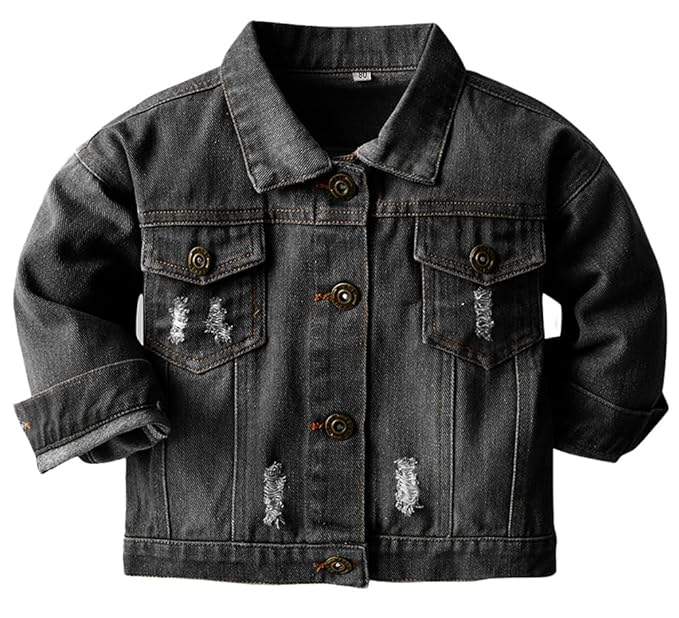
Wool Denim fabrics are a new approach to improving the aesthetics of traditional denim fabric. New technologies allow fabric to be naturally dyed indigo. Garments in 100% Merino wool, or wool blended with cotton, acquire a modern look keeping all the natural qualities of this fibre.
Denim_01
Materials: 100% wool, wool/cotton, wool/polyester, wool/linen, wool/silk Structures & Patterns: twill, plain, jacquard
Colours: black, blue
Denim_02
Materials: 100% wool, wool/cotton, wool/polyester, wool/linen, wool/silk Structures & Patterns: twill, plain Jersey & knitwear: plain knit
Colours: indigo blue
Is China losing its textile touch?
"China is the number one textile and clothing exporter to the world, producing more than 43.1per cent of global demand. As per the 13th five-year plan of Chinese Government for the year 2016 to 2020 period, China strategically is moving towards more value adding tech intensive products. The plan is to maintain traditional market share and to grow more on the high value adding product range. But real market data shows that the country is losing its export market drastically from 2015 in almost all product sectors in the textiles and clothing arena."

China is the number one textile and clothing exporter to the world, producing more than 43.1per cent of global demand. As per the 13th five-year plan of Chinese Government for the year 2016 to 2020 period, China strategically is moving towards more value adding tech intensive products. The plan is to maintain traditional market share and to grow more on the high value adding product range. But real market data shows that the country is losing its export market drastically from 2015 in almost all product sectors in the textiles and clothing arena.

Textile & clothing industry is too much stretched in China and there are eight major categories such as garment, cotton fabrics, chemical fabrics, wool fabrics, silk fabrics, knitted fabrics, textile machinery and bast fibre. Production capabilities of all categories T&C is unparalleled in the world. According to China Textile Industry Development Report (2014/2015), textile fibre production in China exceeded 50 million tonne, accounting for 54.36 per cent of world share. As much as 64.2 per cent of the world’s chemical fibres, 64.1 per cent of synthetic fibres and 26.2 per cent of cotton were produced in China. On the other hand, apparel production in China reached 29.9 billion units in 2014, which is 10.4 per cent higher from 2013. This massive production capacity of China is showing a clear view that very likely China will remain the top apparel-sourcing goal for world’s buyers.
Hi-tech gaining a stronghold
Total value of China’s exports of apparel and clothing accessories in the world was $147.79 billion in 2016, which was $162.35 billion in 2015 and $173.44 billion in 2014 and $165.04 billion in 2013, according to ITC (International Trace Corporation) data from World Trade Organization (WTO). This data clearly shows that Chinese apparel export was having sharp growth till 2014 and afterwards it is having sharp decline. In 2014, Chinese global apparel export was the highest ever and afterwards in two years, it has lost 14.79 per cent of its exports.
In March 2016, China’s Ministry of Industry and Information Technology (MIIT) released its development plan, the 13th Five-Year Plan for period 2016-2020, for the apparel and textile industry, where China itself is expecting a slower growth for the industry (growth rate was 8.5per cent in 2011-2015 whereas the plan set a 6-7per cent goal for next five-year). Similarly, fibre end-use ratio and annual labour productivity growth rate were set lower than previous plan. Making the T&C industry sustainable, the plan set a conservative target for energy and water consumption (per unit of industrial value added) and emission of total pollutants. At the same time, China set a target to build a more tech-intensive textile & clothing industry.
Investment scenario
Textile industry of China is shifting gears for several reasons such as higher costs of production and scarcity of a skilled labour force. Exports are on a decline but the sector still maintains its pole position in the world market. On the other hand, textile production in 2017 will continue to update with depreciation and the rise of cotton prices. However, whatever the export growth or decline is, China as a vibrant manufacturing country will surely maintain core value adding sustainable business portions in textile and apparel value chain. With great rise in domestic consumption, Chinese companies are becoming global giant day by day.