Since 2011, Turkey has pursued an open-door policy toward Syrians. There has been a flood of immigrants with their children and there are fears that some of these children are working in factories in Turkey to make clothes for British high street retailers.
British retailers are one of the largest customers for Turkish textile producers and exporters. Turkey says children may be employed, if at all, by fly-by-night manufacturers who do not produce for any global brand. The country has declared that any manufacturer who illegally employs child labor is a traitor and that such manufacturers must be reported.
Turkey also says global brands which outsource manufacturing to Turkey inspect their producers tightly and refuse to tolerate any labor abuses. Turkey says the use of child labor is strictly forbidden and prohibited and it invites those making the charges to visit Turkey and tour all manufacturers who make production for global brands and if any child laborer is found, it is ready to face sanctions.
The country says it follows a policy where formal manufacturers are strictly monitored and inspected and that such unfair allegations undermine Turkey’s assistance to refugees with a particular emphasis on children.





Turkey riled by child labor charges
- 1
- 2
- 3
- 4
- 5
- 6
- 7
- 8
- 9
- 10
Polyester’s reign vs. Lyocell’s strain, can green fibers survive?
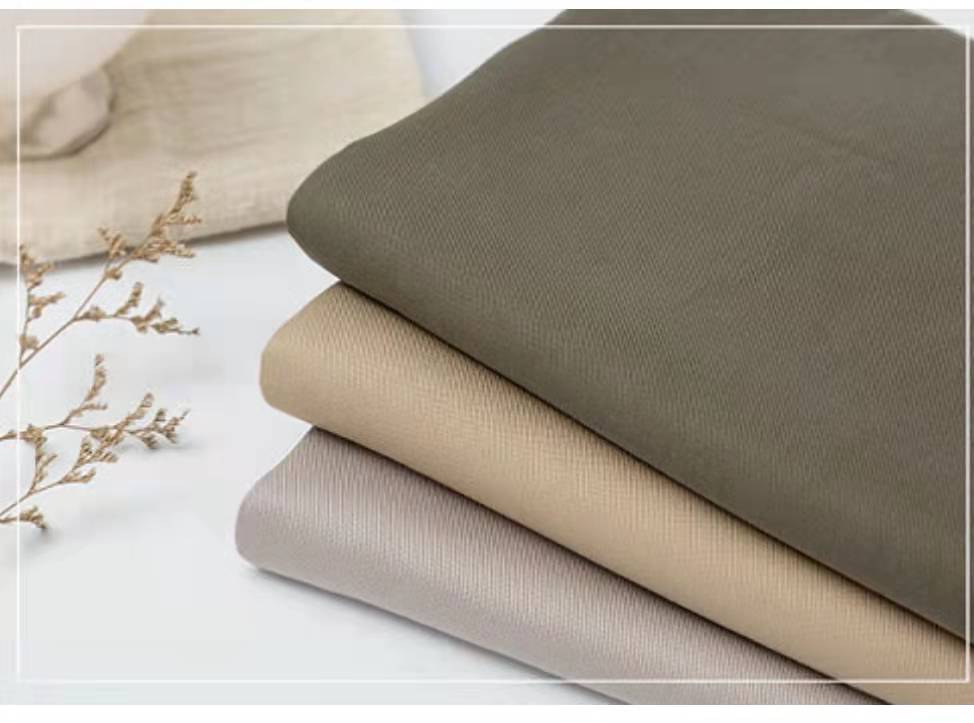
The recent job cuts announced by Lenzing, a pioneer in sustainable cellulosic fibers, are a stark reflection of the complex... Read more
Indian Textile and Apparel Exports Hit Hard in September: As US tariffs take hol…

The Indian textile and apparel industry has shown the first clear signs of being impacted by the new US tariffs,... Read more
Fast, cheap, unstoppable, Shein shockwave hits Germany’s fashion retial

In a country known for its deep-rooted retail traditions, discerning shoppers, and a growing emphasis on sustainability, the rise of... Read more
Europe’s Circular Turn: The Danish vision shaping a new industrial era

In a speech that captured both urgency and ambition, Danish MEP Rasmus Nordqvist stood before an audience of European policymakers,... Read more
“The US government’s economic data makes no sense. It’s a con.” says David Birnb…

“The US government’s economic data makes no sense. It’s a con,” declares David Birnbaum, strategic planner for the global garment... Read more
India's fiber sector spins a new thread of growth
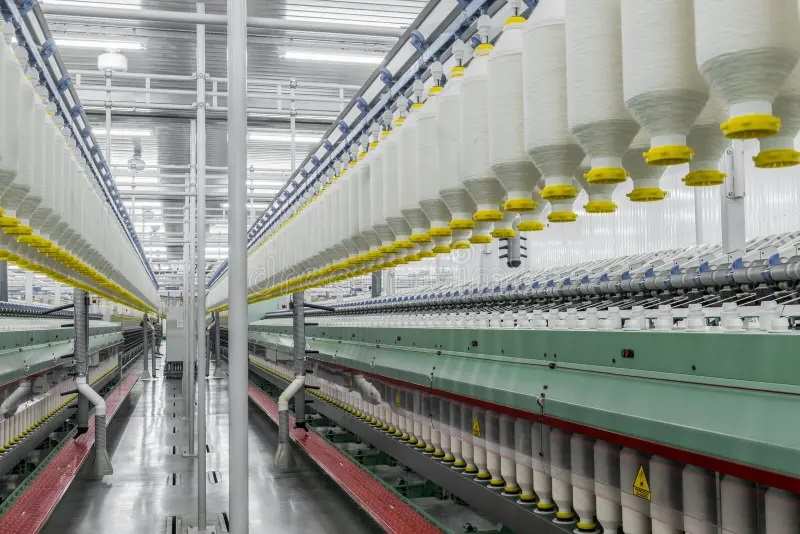
India's clothing fiber sector is on the cusp of a revolutionary decade, moving beyond its traditional identity as a cotton... Read more
Global Supply Chain Earthquake: The 100% ‘Trump Tariff’ and the scramble for Chi…
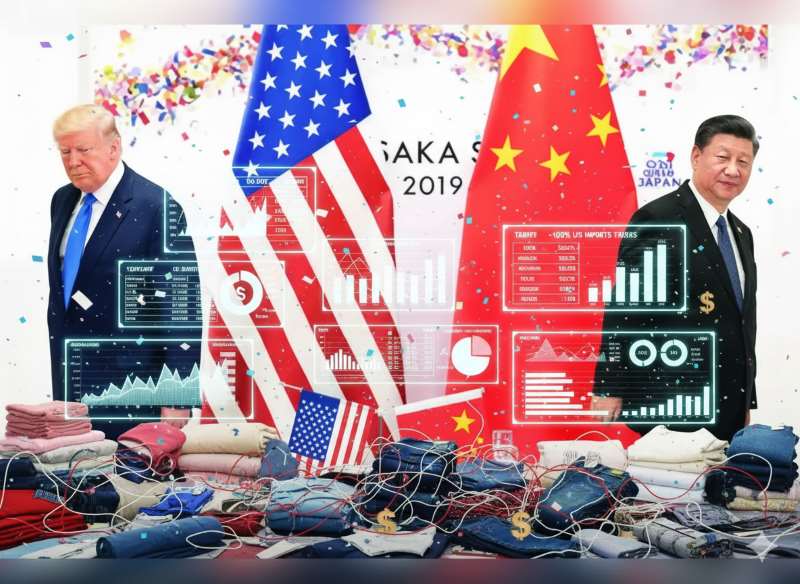
The imposition of an additional 100% tariff on all Chinese goods by President Donald Trump—a move that underscores the fickleness... Read more
Trump's 100% Tariff on China: Why should Indian apparel exporters not view this …
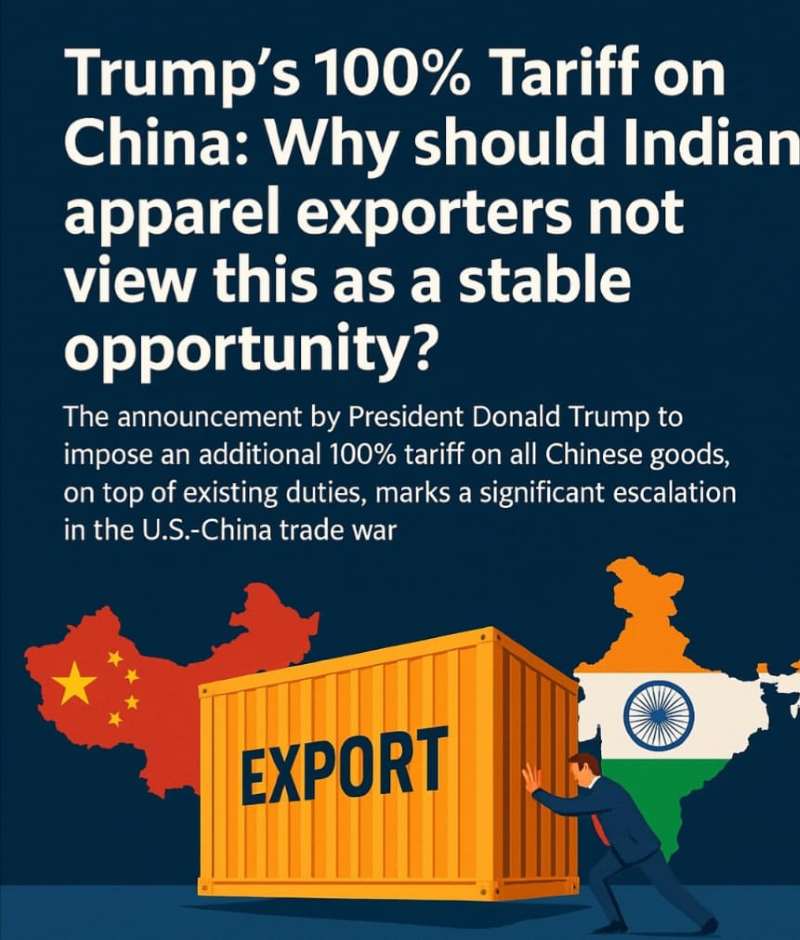
The announcement by President Donald Trump to impose an additional 100% tariff on all Chinese goods, on top of existing... Read more
Yarn Expo Autumn 2025: A premier international platform for the yarn industry

Yarn Expo Autumn 2025 concluded a highly successful run, firmly establishing its position as the premier international platform for the... Read more
The Fashion Week of the Decade In Paris: A new chapter for the industry

The highly anticipated fashion week season, which came to a close recently in Paris, was not "business as usual". The... Read more

