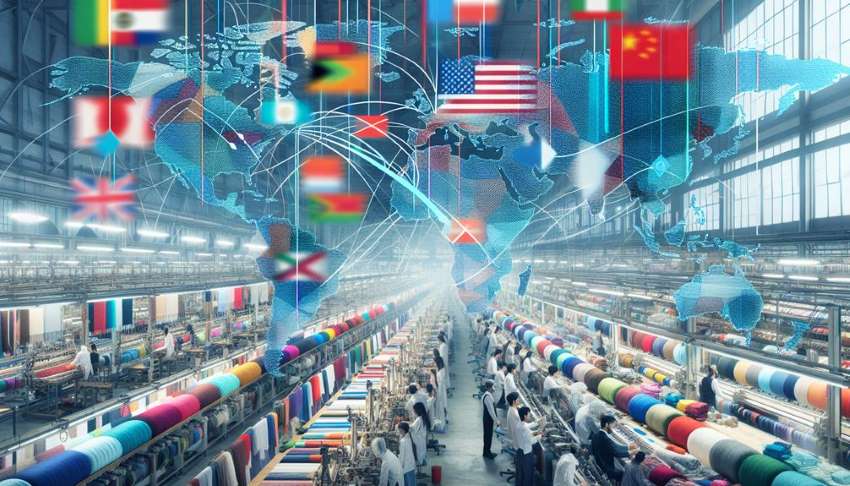
The North American fashion retail sector in 2026 is shedding its product-first identity and shifting towards a model that values cultural influence and community engagement above inventory turnover. Retail is no longer just a transactional channel, it has become the central infrastructure through which brands project identity, storytelling, and lifestyle. Apparel companies are moving away from traditional seasonal drops and short-lived promotions, focusing instead on cultivating ecosystems designed for long-term consumer loyalty and lifetime value. In this new scenario, the physical store and digital presence operate as intertwined engines of brand experience rather than isolated silos.
Retail spaces as cultural arenas, not warehouses
Stores are increasingly viewed not as neutral points of sale but as high-stakes arenas for cultural expression. In a market where 77 per cent of North American shoppers report that personalized, technology-driven experiences influence their purchasing decisions, experiential retail is no longer optional, it is strategic. Brands are investing in large-scale, immersive hubs that merge digital interactivity with physical design, often featuring cutting-edge aesthetics, neon accents, and interactive installations. These brand portals create a seamless journey from in-store discovery to digital engagement. Early 2026 data shows that consumers interacting with these experiential touchpoints spend an average of 32 per cent more time engaged with the brand, confirming that physical presence is now a direct contributor to brand equity rather than a secondary sales channel.
The rise of community-first commerce
Fashion companies are evolving from product pushers into lifestyle architects. The most successful players are cultivating what can be described as ‘participatory retail’, where consumers become active contributors to a brand’s culture. Initiatives such as style clinics, sustainability workshops, and creator-led events are transforming stores into hubs of social connection and belonging. In 2026, 60 per cent of consumers expect physical stores to deliver authentic experiences that extend beyond shopping, and brands embracing this approach are outperforming pure-play e-commerce competitors both in margins and customer retention. Community engagement is no longer a marketing add-on; it has become a core business driver.
Operationalizing immersive retail
While the promise of brand worlds is clear, executing them comes with operational challenges. Designing spaces that simultaneously satisfy brand strategy, spatial design, and digital interactivity demands multidisciplinary talent and higher capital investment. Yet the payoff is significant: experiential retail allows companies to reduce digital customer acquisition costs while building resilience against the AI-driven, searchless commerce landscape emerging in 2026. The transition marks the end of retail as a standalone function, replacing it with a holistic approach that unifies marketing, experience, and community building.
Global leaders setting the benchmark
Nike exemplifies the potential of this new retail philosophy. Once a traditional American import brand, it has transformed into a $50 billion+ global powerhouse by combining an aggressive Direct-to-Consumer (DTC) strategy with immersive physical stores and AI-enabled personalization. Its flagship ‘Houses of Innovation’ anchor digital ecosystems, integrating experiential spaces with online engagement, and reinforcing its status as a cultural as well as commercial leader. Nike’s model underscores the principle now defining the sector: physical and digital experiences are not parallel streams but co-dependent elements of a single, brand-driven universe.
Implications for the industry
The North American fashion industry’s shift toward brand world-building has strategic implications for competitors, investors, and consumers alike. Companies that cling to purely transactional models risk losing relevance, while those embracing experiential ecosystems can foster deeper consumer loyalty, sustainable growth, and enduring cultural influence. In 2026, success is measured not only by revenue or footfall but by the brand’s ability to craft immersive worlds where commerce, culture, and community converge.