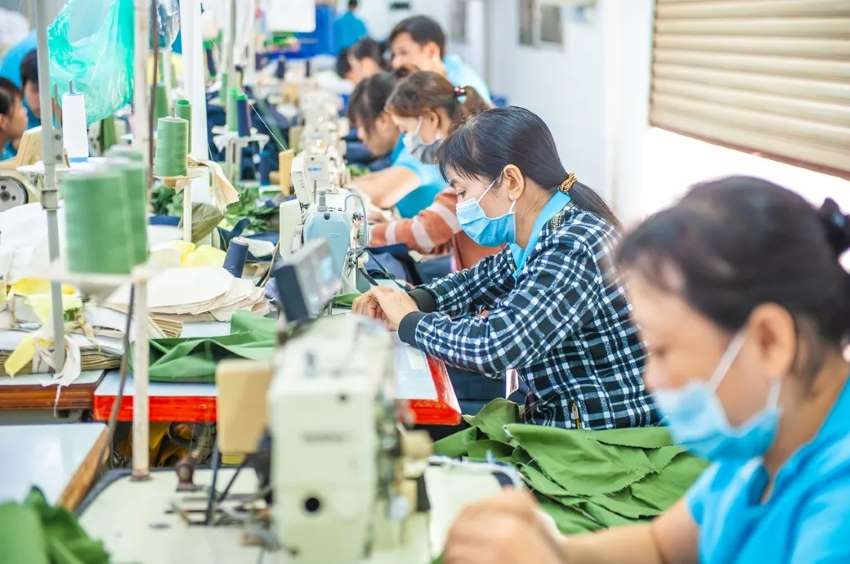
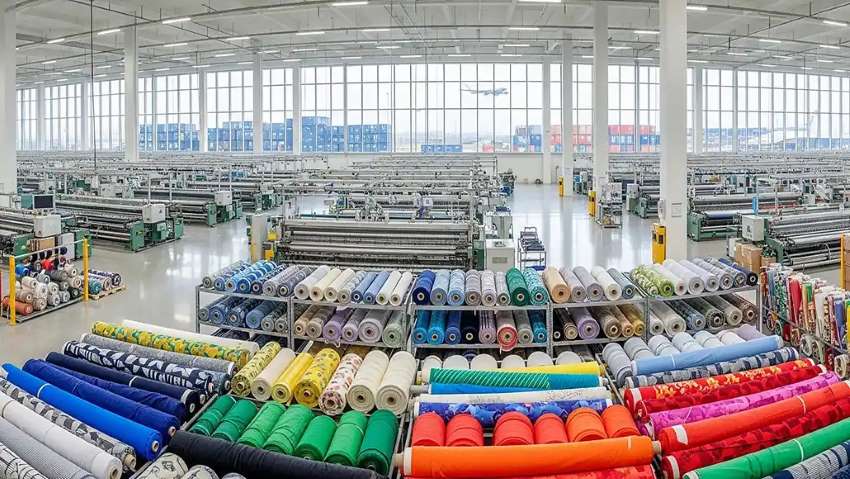
There are limitations to textile recycling. There is a need to anticipate the possibility of reusing materials from the initial design stage. Mechanical recycling of cotton is now a well-established process, but it degrades the fiber’s quality, so that new clothes can only incorporate 20 per cent of recycled fibers. The industry’s main challenge is that of blended fabrics, very widely used in fast fashion, which make recycling difficult since the various fabric components need to be separated.
Extensive investment is necessary, to develop recycling technologies enabling recycled materials to become as profitable as new ones. A new approach must be adopted right from the beginning of the process. Design choices could greatly reduce the environmental impact of clothes, and improve their circularity. Each garment is likely to generate between 20 per cent and 30 per cent of fabric offcuts.
For example, only 30 per cent of a pair of jeans can be recycled, due to the stitching and rivets. Single material fabrics would make recycling easier. Using sustainable materials right from the start of the process would also go in the same direction. Downstream marketing strategies engage end consumers, allowing them to co-design products that meet their tastes and expectations and increase their loyalty, and actually extend the life cycle of garments.

- 1
- 2
- 3
- 4
- 5
- 6
- 7
- 8
- 9
- 10
Landmark India-UK trade pact to supercharge textile export margins
The long-awaited India-UK Comprehensive Economic and Trade Agreement (CETA) is officially scheduled to commence on July 15, 2026. This breakthrough... Read more
Is it the end of aspirational luxury? Asia’s consumers demand more than logos
While the global personal luxury goods market remains broadly stable at around €358 billion, the apparent resilience masks a deeper... Read more
Vietnam wins, India slips as US apparel sourcing undergoes massive reset
A trade realignment is transforming the global apparel market, yet India’s manufacturing has stalled at the starting line. Newly released... Read more
US clothing prices rise faster than inflation, reshaping fashion retail strategy
After nearly two years of heavy discounting, inventory liquidation, and margin decline, apparel prices in the US are now rising... Read more
From gym to boardroom performance fabrics are redefining apparel demand
The global apparel industry has entered a new phase of evolution as the distinction between sportswear and everyday fashion continues... Read more
Digital Dominance Redefined: Zara moves past H&M in $100 bn fast fashion bat…
The global fast-fashion sector has reached a inflection point in 2026 where the battleground is no longer only store shelves... Read more
Spykar accelerates offline expansion: plans 100 new stores across India
A titan of the Indian denim-first fashion scene, Spykar has officially unveiled an aggressive retail growth strategy. As consumer demand... Read more
The Inventory Illusion: Rethinking the Zara benchmark in a volatile retail era
For over a decade, the global fashion industry has treated the Zara playbook as the gold standard of inventory efficiency.... Read more
Retail Without Retail: How Walmart’s depot network is turning space into logisti…
Walmart is fundamentally rewriting the commercial real estate and retail logistics playbook with the rise of its ‘Walmart Depots’ a... Read more
Global textile regulation tightens, forcing realignment across fashion supply ch…
Global fashion and consumer goods supply chains are entering a decisive regulatory transition as Extended Producer Responsibility (EPR) frameworks for... Read more