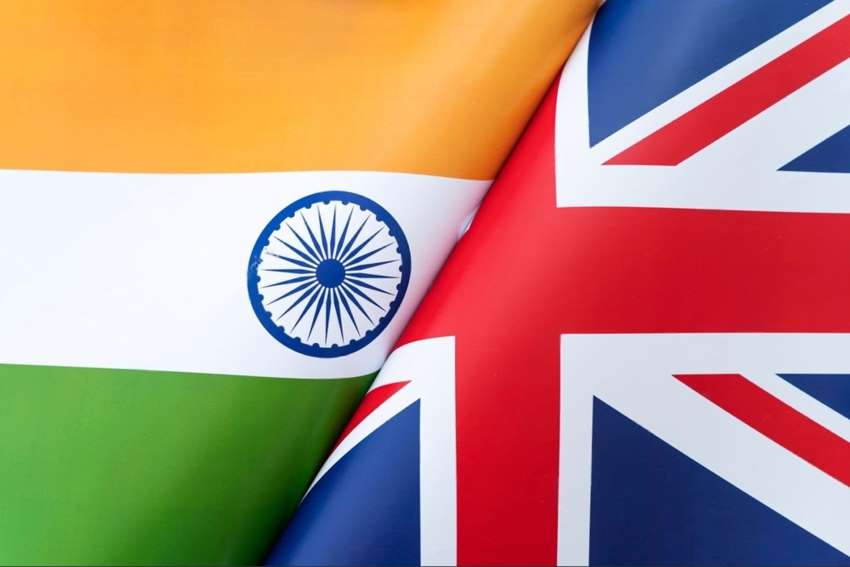
The long-awaited India-UK Comprehensive Economic and Trade Agreement (CETA) is officially scheduled to commence on July 15, 2026. This breakthrough follows high-level negotiations between Prime Minister Narendra Modi and British Prime Minister Keir Starmer at the recent G7 Summit in Evian, France. By successfully reconciling complex policy friction points - most notably regarding steel safeguard measures and carbon-border tax mechanisms - the two nations have finalized an economic corridor that provides immediate, duty-free entry for 99 per cent of Indian export lines.
For India’s labor-intensive textile and apparel industries, this development marks a critical inflection point. Industry analysts have long noted, high tariff barriers historically placed Indian shipments at a distinct competitive disadvantage compared to regional rivals operating under preferential trade status. The activation of CETA effectively dismantles these hurdles, granting Indian manufacturers a level playing field in one of Western Europe’s most lucrative and sophisticated retail markets.
Eliminating the 12 % tariff barrier
The immediate commercial impact of CETA centers on the total restructuring of the UK’s import duty framework. Currently, Indian textile and clothing shipments are subject to British tariffs reaching as high as 12 per cent. Starting July 15, these duties will be eliminated entirely. This removal of the tariff wall offers a massive, immediate pricing advantage to Indian suppliers who have been navigating a turbulent global logistics environment and ongoing supply chain realignments.
Piyush Goyal, Commerce and Industry Minister confirms, the trade architecture is specifically calibrated to maximize outbound trade volume while protecting sensitive domestic manufacturing via carefully structured exclusion lists. The zero-duty mechanism spans a comprehensive array of manufacturing categories, including high-growth segments such as technical textiles, home furnishings, and processed fibers. This fiscal relief empowers Indian vendors to command significantly healthier export margins and negotiate larger, long-term supply contracts with major British fashion conglomerates and prominent high-street department stores.
Operational synergies and professional mobility
Beyond direct tariff relief, the trade agreement is boosted by the simultaneous activation of the Double Contribution Convention (DCC). This social security agreement provides a vital mechanism to exempt Indian businesses from redundant insurance liabilities. Under these updated terms, Indian professionals on temporary assignments in the United Kingdom are now exempt from local social security contributions for up to five years, a significant increase from the previous three-year cap.
This mobility upgrade acts as an immediate operational catalyst for major apparel design houses, textile conglomerates, and retail supply chain managers. Indian exporters frequently deploy specialized teams, quality inspectors, and design consultants to the UK to synchronize fashion cycles and ensure rigorous production compliance. By eliminating these "double insurance" overheads, the DCC lowers the cost of maintaining a corporate presence in London, allowing Indian textile firms to offer more agile, end-to-end design and manufacturing partnerships to their British retail clients.
Evolution of the Indian retail landscape
India’s domestic apparel and organized retail sector continues to undergo rapid formalization, fueled by the aggressive expansion of value-fashion formats into Tier-II and Tier-III urban clusters. The sector’s financial outlook remains remarkably robust, with top-tier retail chains projecting double-digit revenue growth through 2027. Having evolved from basic fabric production into sophisticated, omni-channel lifestyle hubs, the industry is now increasingly focused on high-performance technical textiles and sustainable product lines, ensuring it is well-equipped to capture both domestic demand and premier European market opportunities.