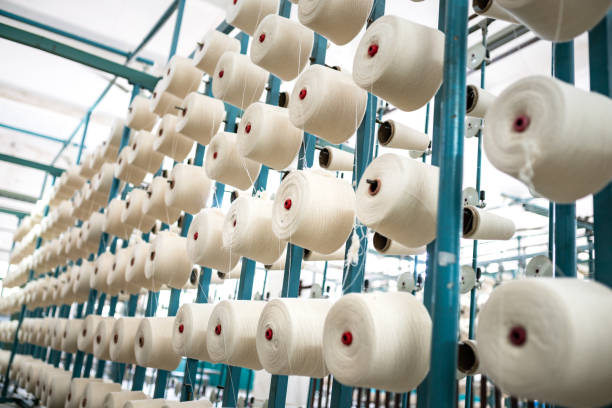
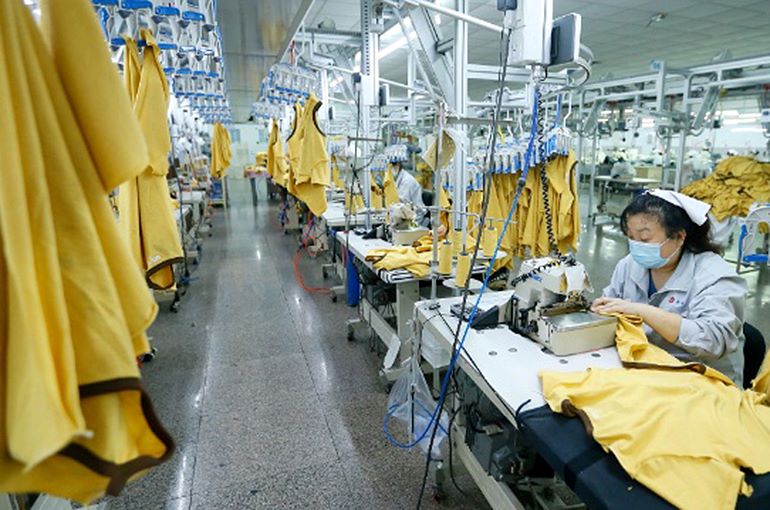
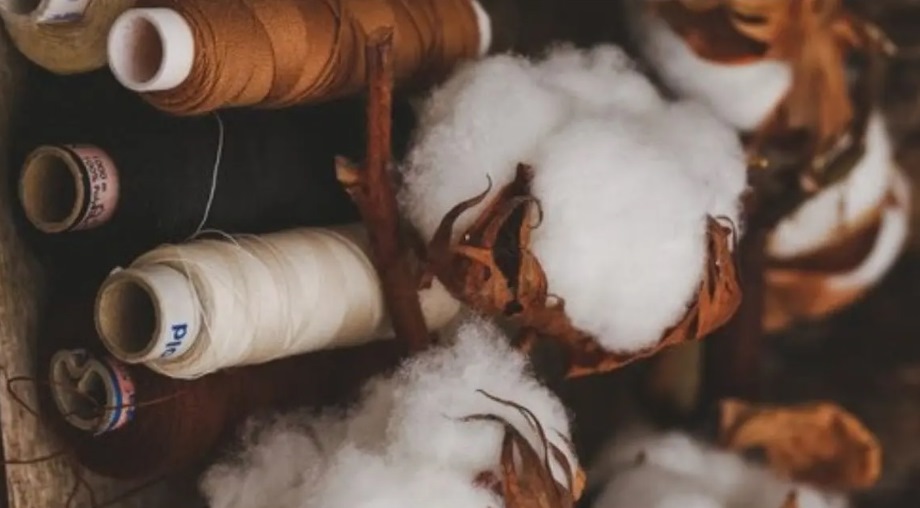
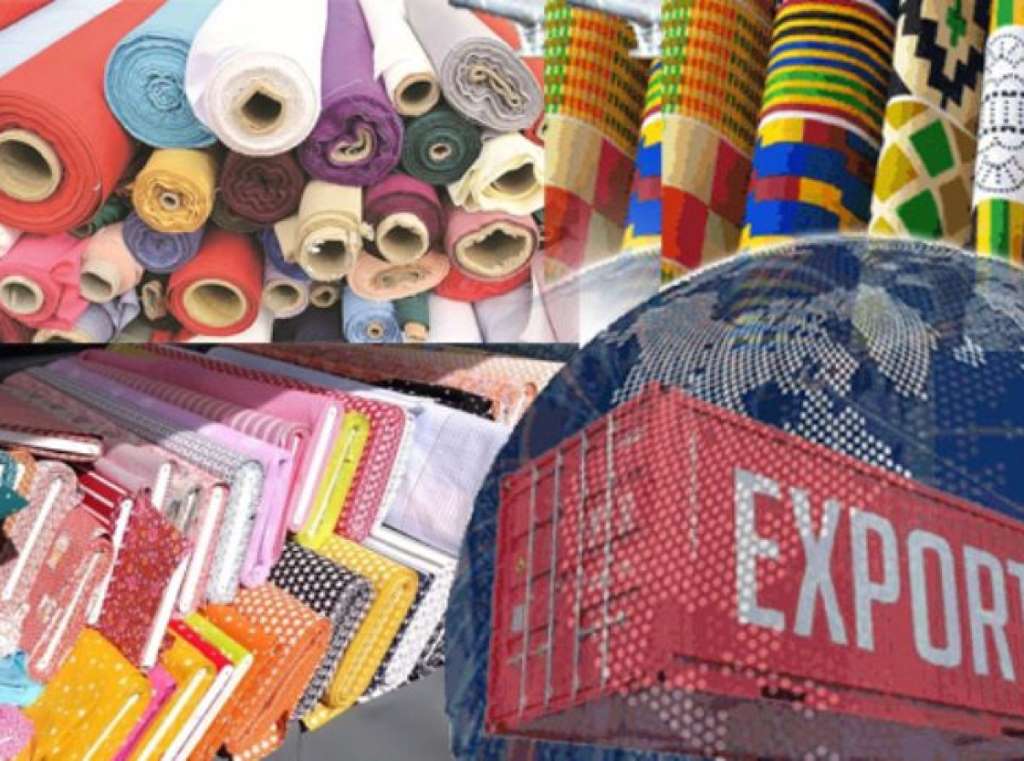
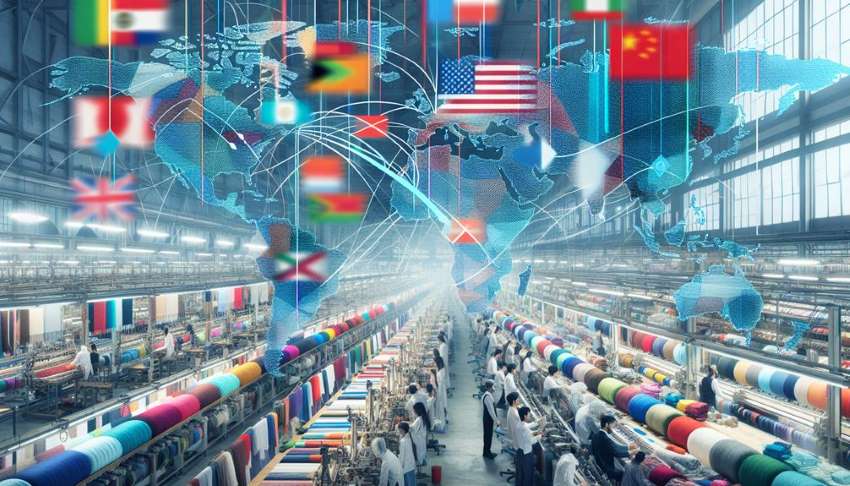
Telangana will map its cotton farms and spinning mills as part of an effort to weed out child labor and slavery from fields and factories. Children are hired for seed production as their small hands are useful in cross pollination to produce hybrid seeds. Two children do the work of three adults but are paid less. Six of the ten cotton growing districts of Telangana will initially be mapped for labor violations under the project. It will also look at gender discrimination in salaries for agriculture workers and whether they have collective bargaining rights.
This is for the first time in India that an integrated approach to identify both child and bonded labor is being undertaken. India, the world’s second largest cotton producer after China, has child and forced labor in both cotton seed production as well as cotton growing. A 2014 study found that 2,00,000 children under 14 were working on cotton seed farms, double the number since 2010. However, the cotton supply chain is the hardest to track as the journey from field to retailers involves many stages - such as seed production, cotton growing, gins to separate seeds and fiber, spinning mills and garment factories.

- 1
- 2
- 3
- 4
- 5
- 6
- 7
- 8
- 9
- 10
Global Sourcing Expo Sydney 2026: Bridging the gap in global apparel procurement
The upcoming Global Sourcing Expo Sydney, scheduled for June 16–18, 2026, at the International Convention Centre (ICC) Sydney, is poised... Read more
Zara’s precision retail model leaves global competitors drowning in inventory
The global apparel sector is currently grappling with a punishing inventory overhang, yet Inditex, the parent company of Zara, has... Read more
Beyond the mall collapse, the profit push driving 2026 retail closures
The American retail sector has entered 2026 in the midst of one of its most impactful recalibrations in decades. Over... Read more
Status, Rewired: Health, AI and experience are displacing heritage luxury
The global luxury industry is not facing a demand fall it is confronting a redefinition of value. As bellwethers like... Read more
No More Easy Wins: Why global retailers are losing ground in China
China’s retail sector has entered a new phase, one defined not by aspiration, but by scrutiny. The long-standing advantage enjoyed... Read more
India’s 45°C economy is reshaping apparel retail and consumer spending
The intensifying heatwaves sweeping across the Indian subcontinent are no longer mere meteorological anomalies; they have become the primary engineers... Read more
FY26 Textile Scorecard: Integration, specialization are winning the margin battl…
As the curtains close on FY2025-26, India’s textile industry is revealing a sharp divide. On one side stand integrated and... Read more
Intertextile Shenzhen 2026: Pioneering the Future of Textile Innovation
As Shenzhen cements its status as China’s premier hub for manufacturing, artificial intelligence, and startup cultivation, Intertextile Shenzhen Apparel Fabrics... Read more
The Devil Wears Prada 2 reflects fashion’s power shift, where consumers replace …
" " The release of The Devil Wears Prada 2 has sparked a debate far bigger than a Hollywood sequel. What... Read more
The 30-minute problem reshaping the $63 bn leggings market
The global leggings makers are racing to solve one of the apparel industry’s most expensive hidden problems: discomfort that appears... Read more