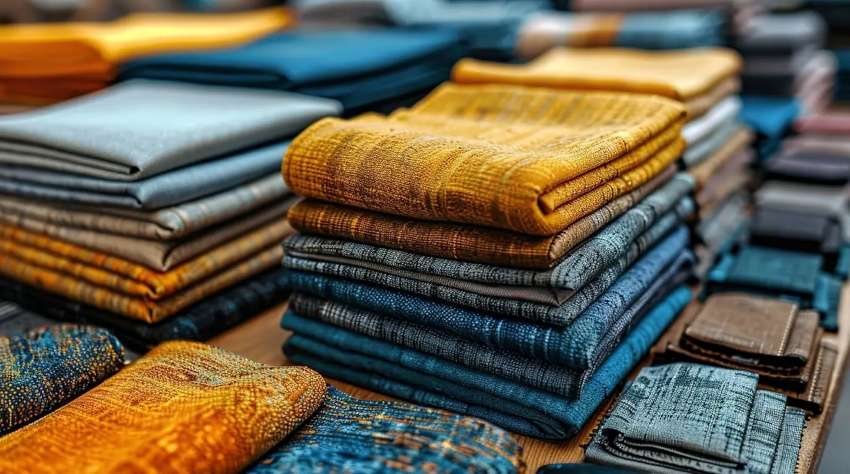
Apparel exporters in Sri Lanka are impacted by disruptions of imported raw materials from China. Buyers are slashing orders as the novel Coronavirus (COVID-19) spreads into Europe, which is Sri Lanka’s largest export market. Factories in Sri Lanka are to be closed for a period of two to three weeks, while some are planning to prolong it until the raw materials arrive.
Ships are unable to carry cargo from Chinese ports because there is no cargo to be carried and several trading have been cut from shipping lines from Chinese ports.
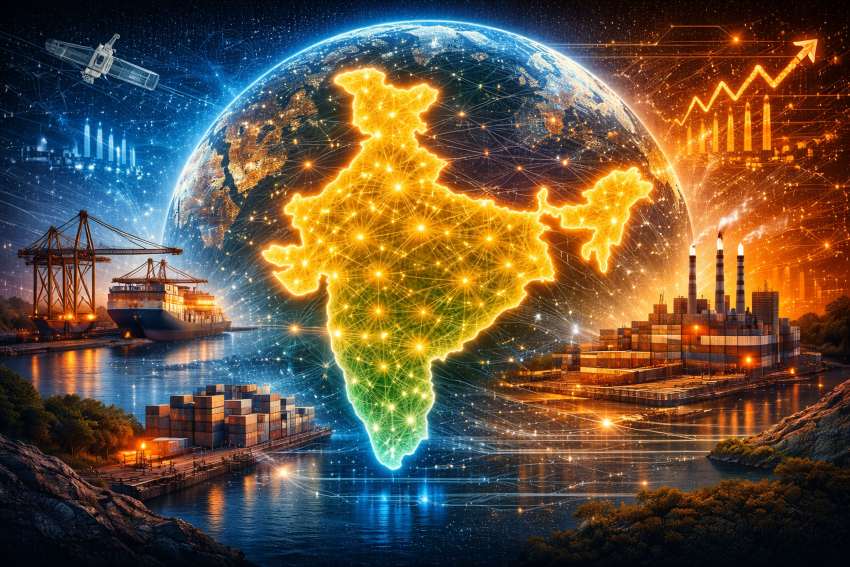
The outbreak in China has hit India’s manufacturing and exports of medicines, electronics, textiles and chemicals. India sources about 70 per cent of active pharmaceutical ingredients and close to 90 per cent of certain mobile phone parts from China. Indian businesses are calling for cuts in import duties on antibiotic drugs, mobile parts and other items to help cope with the fallout from the coronavirus outbreak which has disrupted supplies from China. Credit with a backstop facility of guarantee may be offered for companies which have the capability to start immediate production of items that can feed into domestic consumption.

- 1
- 2
- 3
- 4
- 5
- 6
- 7
- 8
- 9
- 10
From exclusivity to engagement, luxury retail rewrites its growth strategy for 2…
The global luxury industry is entering a different growth cycle. After years of post-pandemic spending riding on affluent consumers and... Read more
Shaping the future of fashion at BRICS+ 2026
The upcoming BRICS+ Fashion Summit in Moscow promises to be a pivotal international gathering, offering a dedicated platform for fast-growing... Read more
The 10.3 mn-tonne cotton trade boom will be driven by scarcity, not surplus
The global cotton trade is entering an unusual expansion phase. Trade volumes are expected to rise steadily over the next... Read more
From Volume to Value: How fashion supply chains are defending margins through 20…
For decades, the global textile and apparel industry measured success through factory utilisation. Full order books, high machine occupancy and... Read more
The new retail math, smaller footprint, faster returns, sharper focus
The US retail industry is passing through one of its most impactful change in decades. What appears on the surface... Read more
The Operator Economy: China is rewriting the rules of global brand ownership
For decades, Western brands relied on centralized control over design, distribution, merchandising, and retail expansion in China market. That model... Read more
US cotton blacklist reshapes global textile supply chains
The US’ latest expansion of the Uyghur Forced Labor Prevention Act (UFLPA) Entity List is more than another trade sanction.... Read more
Lean stores, stronger margins, H&M's strategy reflects global retail reset
Profits are taking precedence over physical expansion in global apparel retail today. Years of building extensive store networks are giving... Read more
Vietnam overtaking Bangladesh signals a new rulebook for global apparel sourcing
Vietnam replacing Bangladesh as the world's second-largest ready-made garment (RMG) exporter is more than a change in rankings. It marks... Read more
Textile giants spin a stronger profit story in Q1 FY27
After nearly two years of battling volatile cotton prices, higher Minimum Support Prices (MSP), weak global demand and lower spinning... Read more